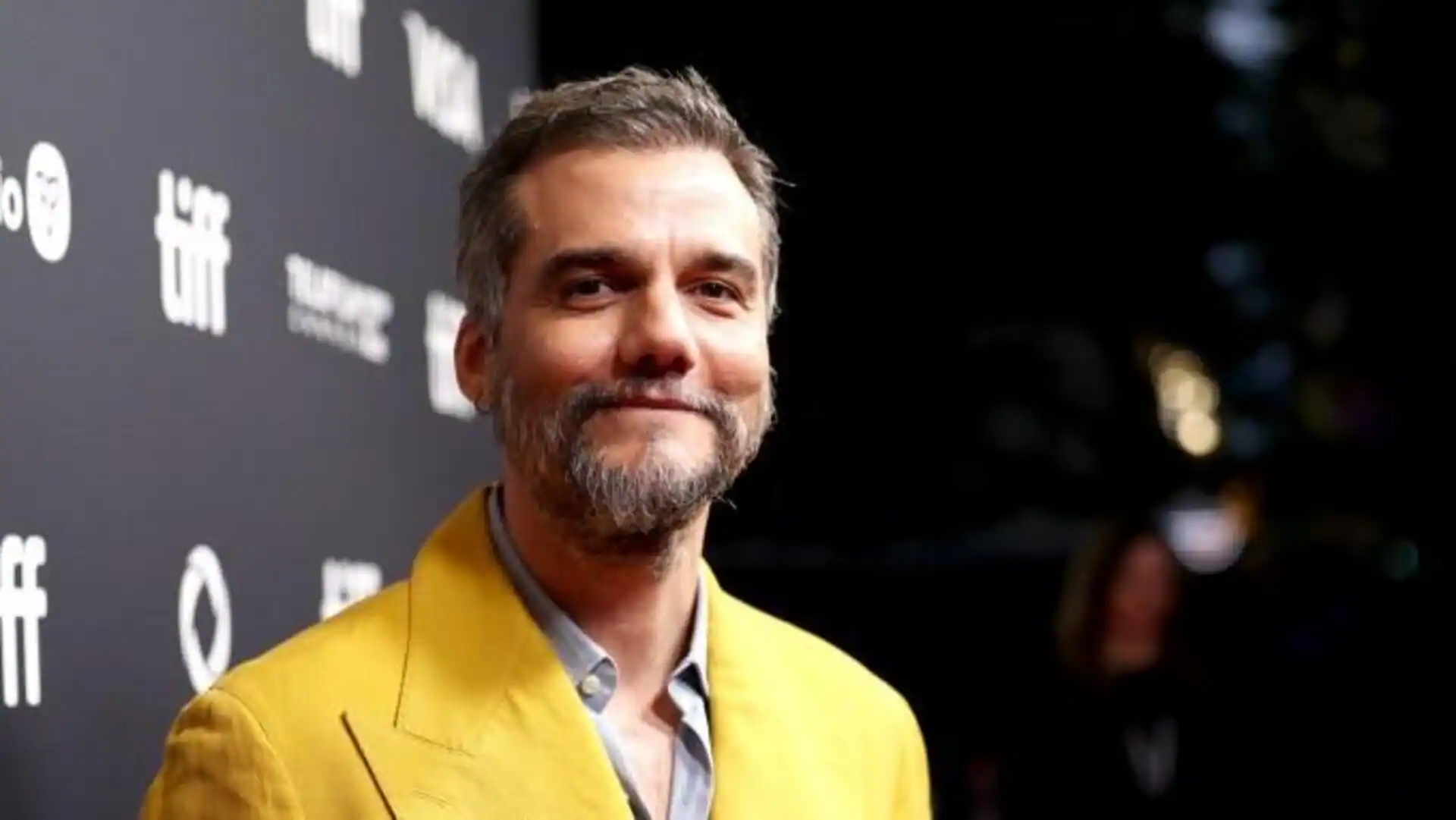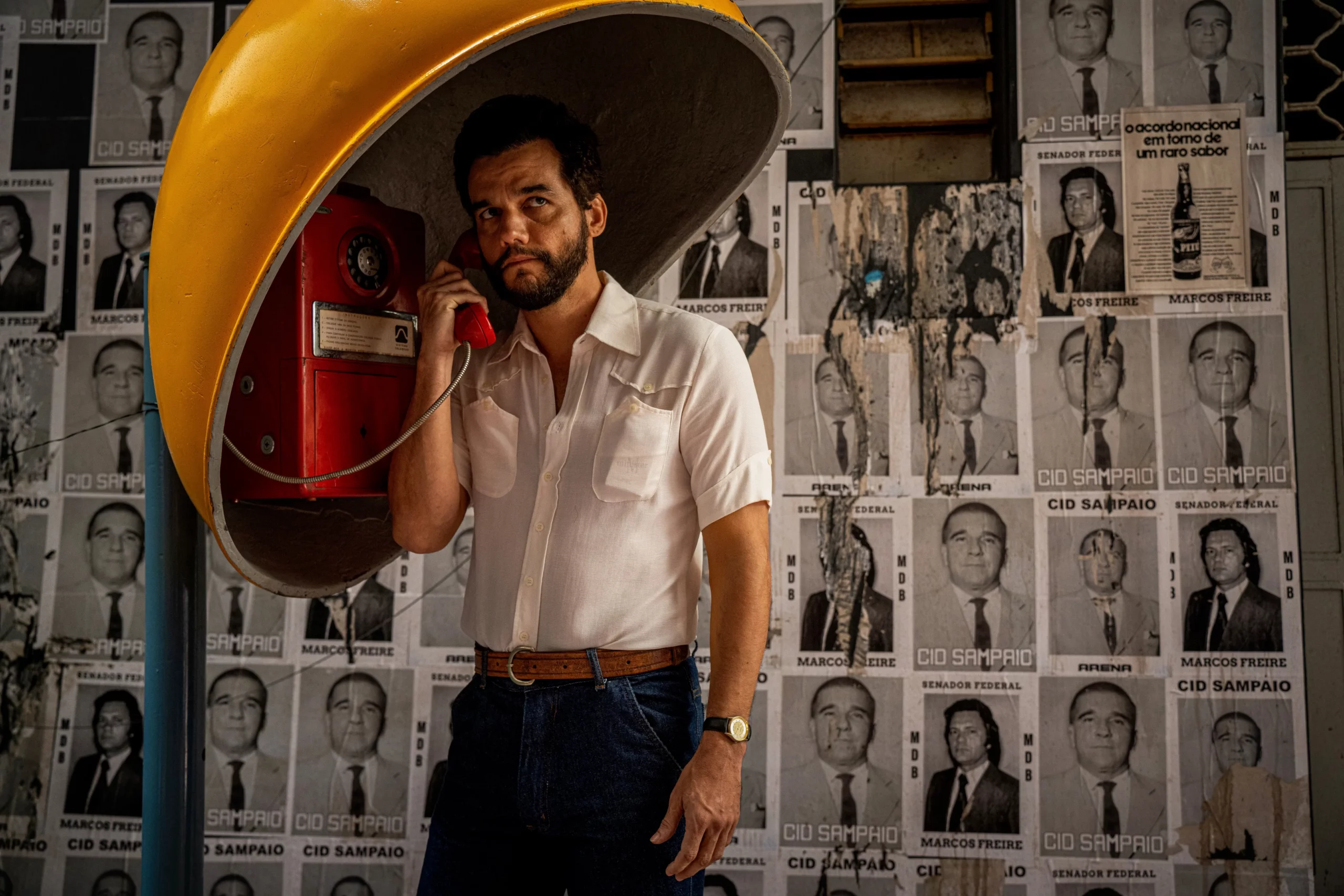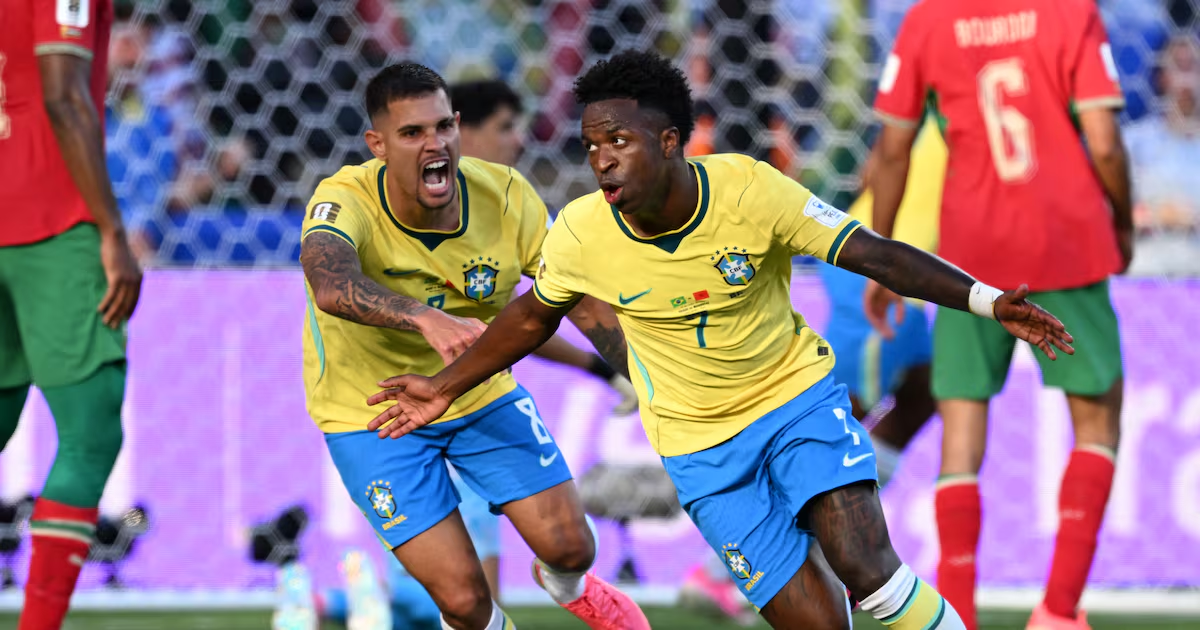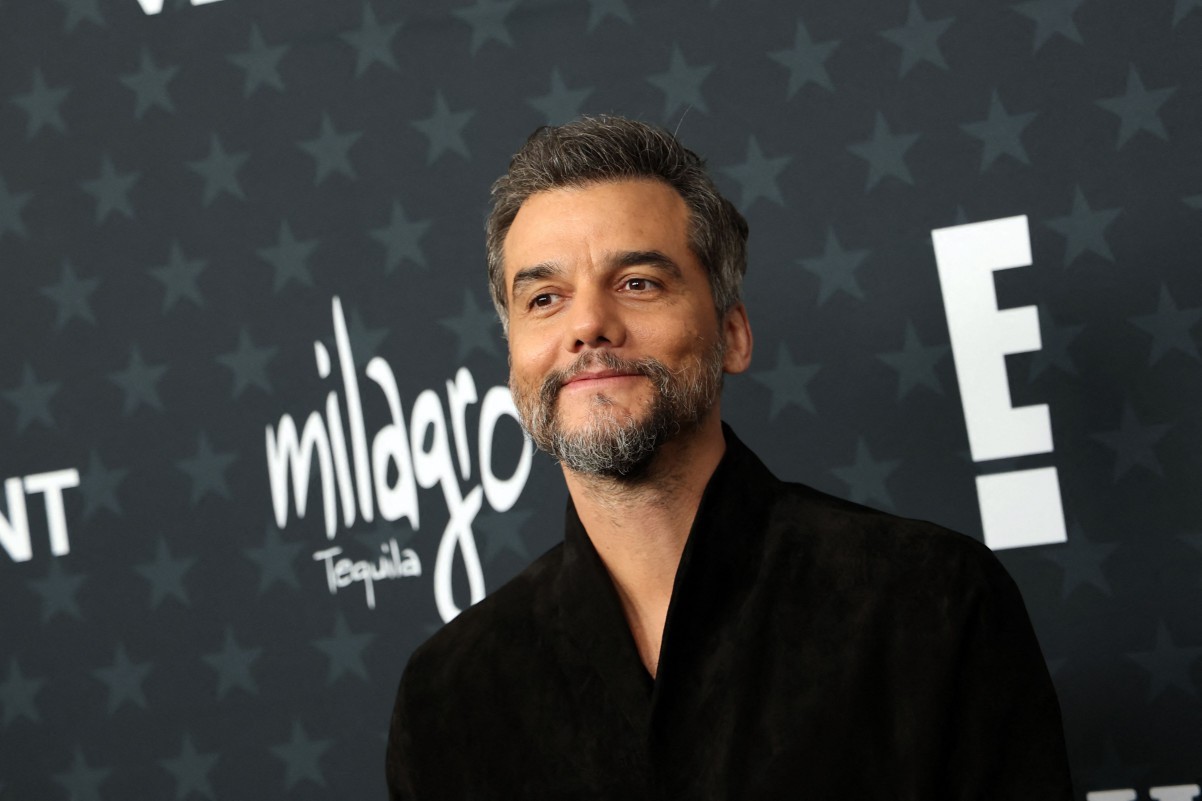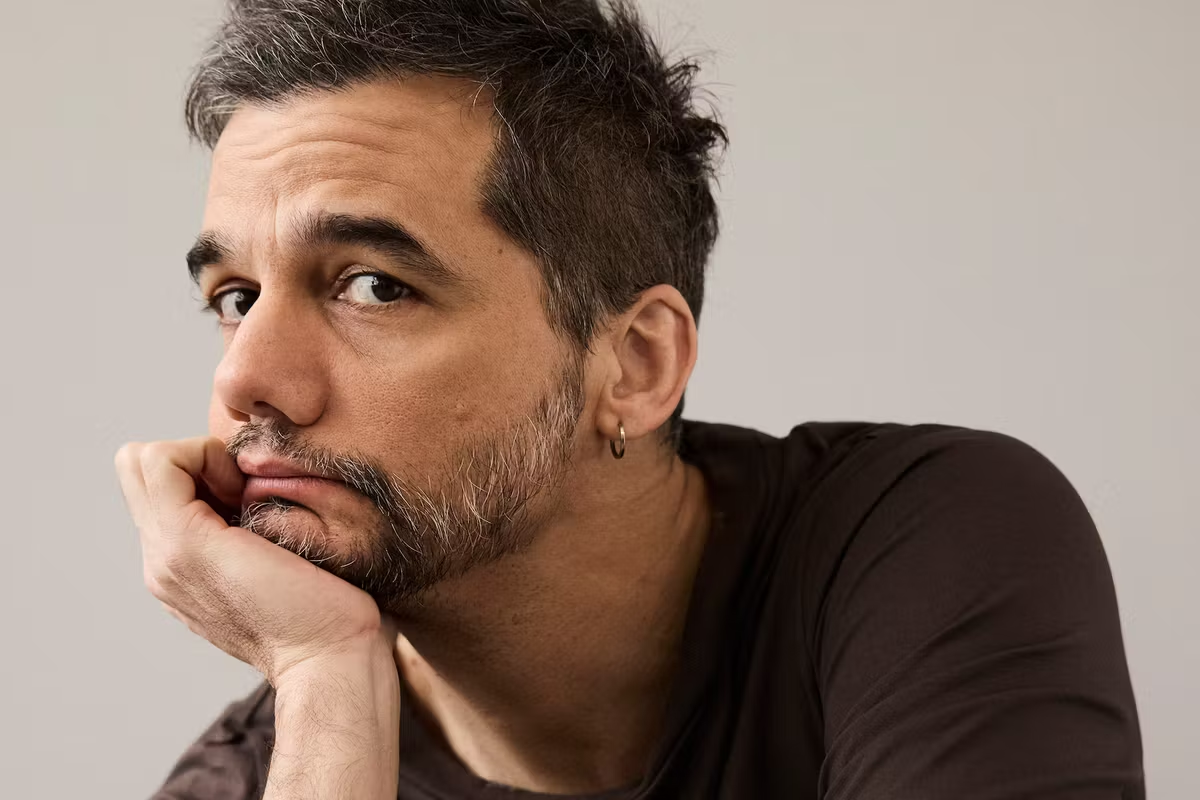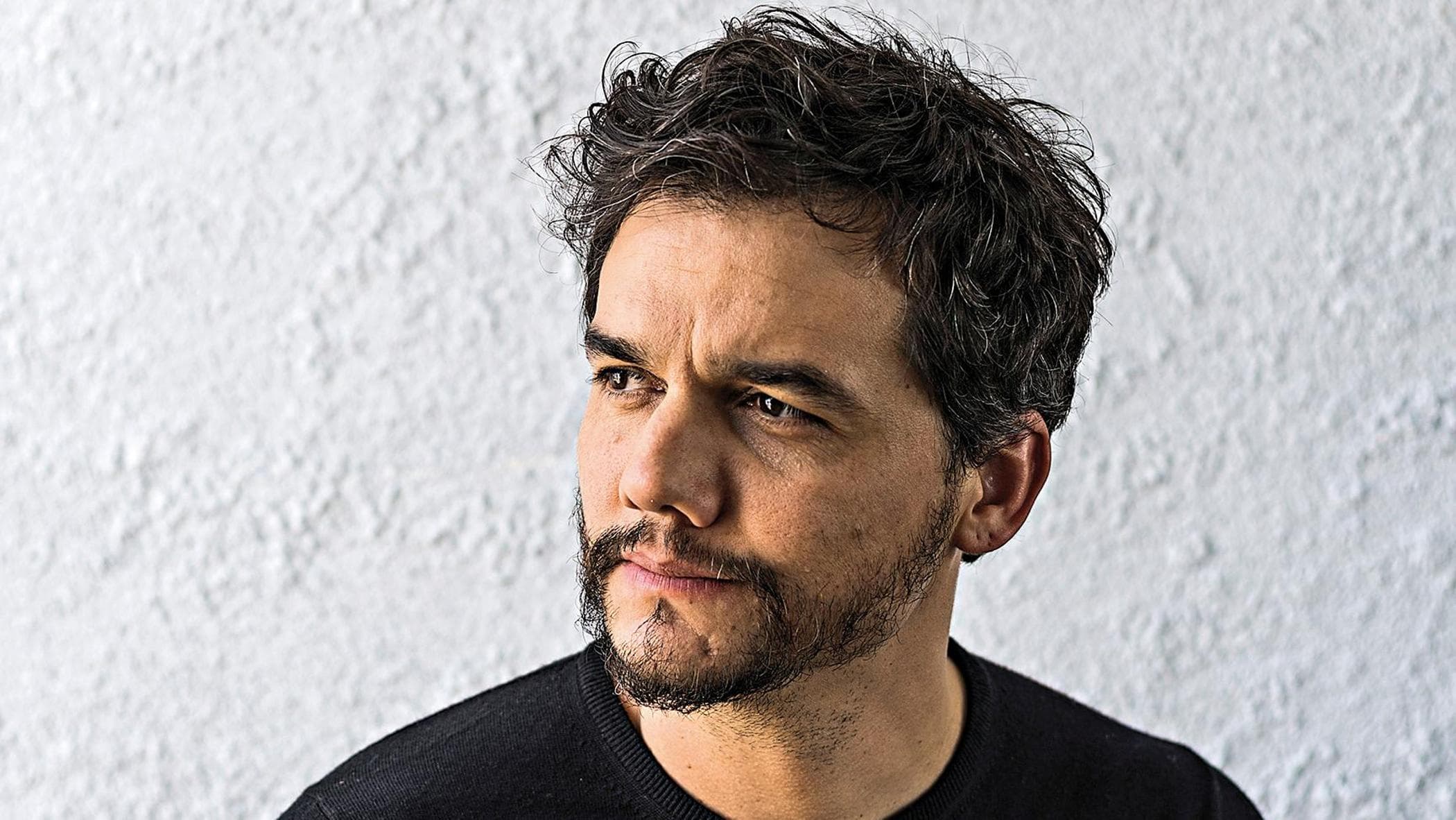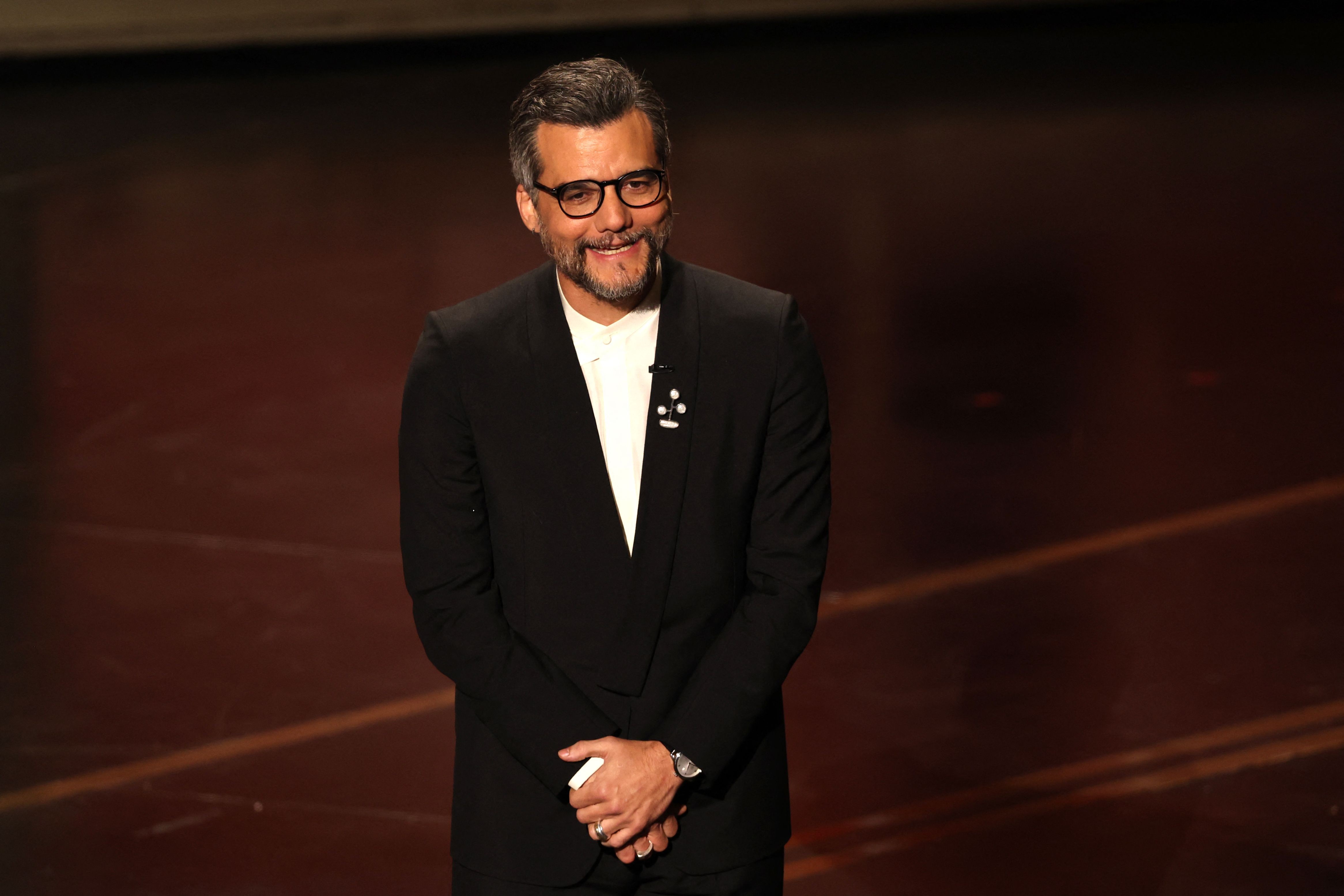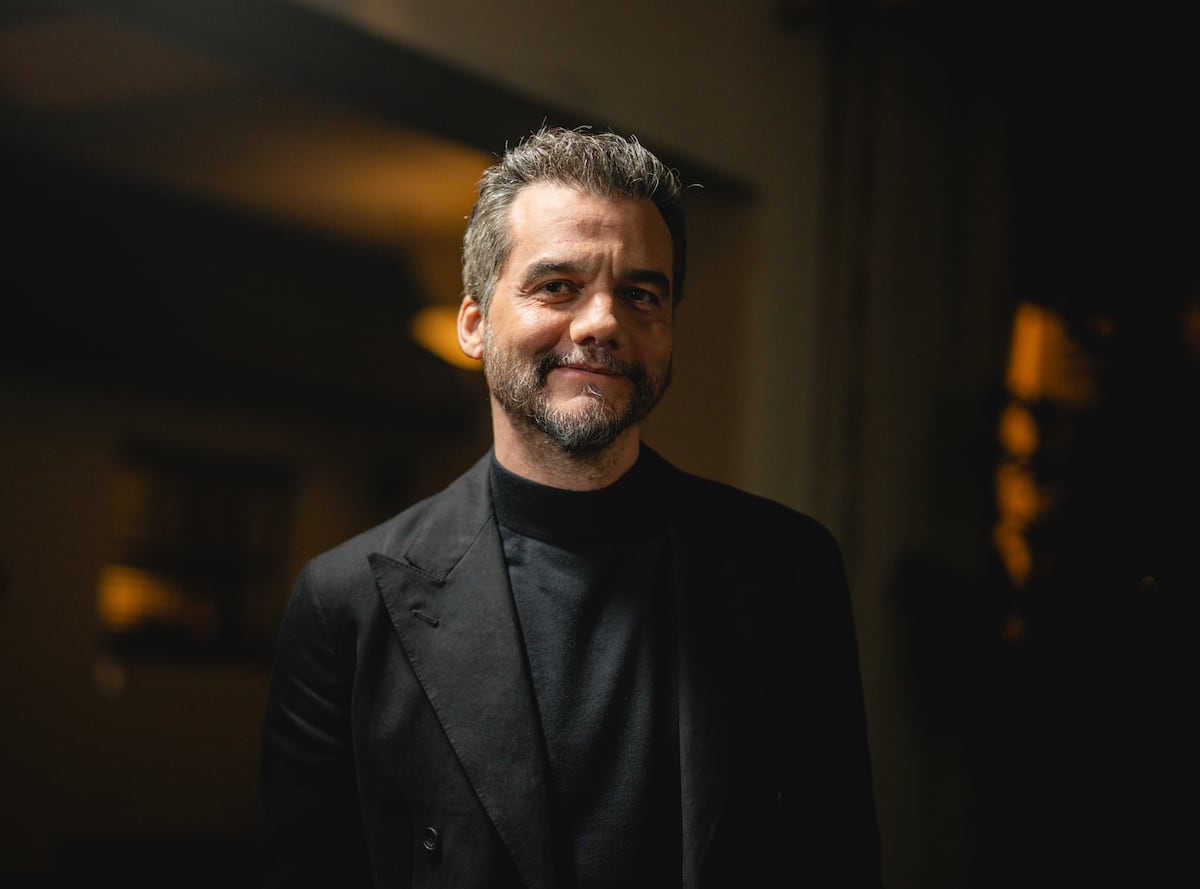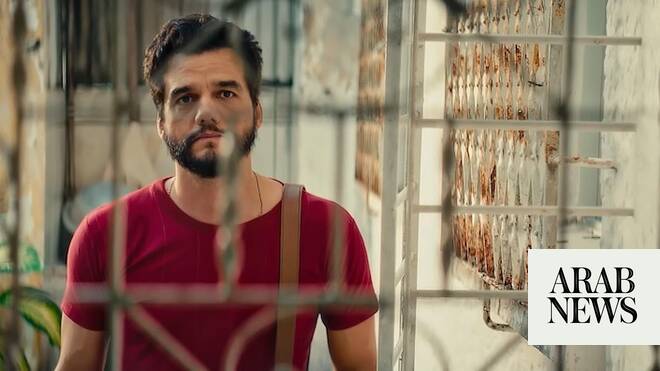
Wagner Moura has spent much of the last decade becoming one of Brazil’s most recognizable cultural exports.To international audiences, he remains best known for his chillingly faithful portrayal of the Colombian drug lord Pablo Escobar in Netflix’s Narcos. Before that, he was already one of Brazil’s most acclaimed actors, starring in some of the most influential movies of Brazilian cinema such as Elite Squad, Carandiru and Behind the Sun. And more recently, he won a Golden Globe and an Academy Award nomination for his role as the protagonist in Kleber Mendonça Filho’s political thriller The Secret Agent, becoming the first Brazilian actor to ever win or be nominated in this specific category.Yet in person, seated high above Times Square in The New York Times building, wearing a buttery burnt-orange suede suit, Moura comes across less as one of Brazil’s most celebrated actors than as a lifelong football obsessive. He can effortlessly recite World Cup squads from memory, recall goals scored decades ago and relive every triumph and heartbreak as if they happened yesterday.Ask him about football and he immediately returns to his childhood in Bahia, in Northeastern Brazil. His first memories are not of movies. They are of television broadcasts carrying soccer legends like Zico and top Brazilian club CR Flamengo into his home in rural Bahia.“Flamengo in the 1980s was a thing,” Moura tells The Athletic, in the latest interview in our Why I Love The Beautiful Game series. “Growing up in the Brazilian countryside, television was the window to football. It was why so many people in the Northeast supported powerhouses from the Southeast clubs like Flamengo, Palmeiras and Corinthians.“I remember watching TV and being mesmerized by Zico, I almost became a Flamengo fan,” he says.Almost.Instead, Moura chose a far less glamorous path. He fell in love with Esporte Clube Vitória from Salvador, Bahia, a team that shares the red and black colors of Flamengo but rarely competes financially with Brazil’s traditional giants and lives in the shadow of its more successful rival, Esporte Clube Bahia. The choice puzzled even those around him. Nobody in his family pushed him toward Vitória. The timing was unusual. In 1988, Bahia won the Brazilian championship, one of the most celebrated moments in northeastern football history.Why I Love the Beautiful Game With Wagner MouraAsli Pelit and Lauren Morales-JonesWhen Moura moved from the countryside to Salvador, nearly everyone around him supported Bahia. Instead, he went for the “other guys.” His favorite soccer memory is when Vitória came second in the Brasileirão in 1993, despite the club’s humble financial situation and rural roots. The answer says as much about Moura as any of the characters he has portrayed on screen. His affection for Vitória reflects a lifelong attraction to outsiders and underdogs.And when Moura looks you in the eyes and tells you that futebol is not rational, you take his word for it. If anyone understands what irrational passion looks like, it has to be him.“It’s a cliché, but it’s about passion. It’s about something that’s not explainable,” he says. His passion for the sport started when he was a little kid. Like many of his friends, he dreamed of becoming a jogador, or a footballer, but his dream was short-lived, mostly because of his mother, who is just out of shot for this interview.“Not that she didn’t want me to be a soccer player. She was like, ‘I don’t think you’re good at it,'” he says, laughing.While he put his dream of becoming one of the greatest Brazilian footballers to rest, he continued to play pick-up games on the streets, mostly as a midfielder. Now, at 50, he is no longer playing — the risk of injury even while he is running is too high, he says.For Moura, football’s appeal has always been tied to beauty rather than results. That passion has also shaped how he thinks about the greatest players in Brazilian history. Pele is the king of football, but no player embodies jogo bonito more completely than Garrincha, the bowlegged kid from one of Rio de Janeiro’s favelas who became one of the greats of the sport.“A true Brazilian player,” according to Moura — a player who truly embodied the creativity and joy often associated with Brazil’s football identity.“They called it ginga,” Moura says. “The happiness that you see when you see Ronaldinho playing. It’s just pure joy and happiness.”Then there is Sócrates, his favorite player. Sócrates Brasileiro Sampaio de Souza Vieira de Oliveira, simply known as Sócrates, was a Brazilian footballer who played as a midfielder whose medical degree and his political awareness, combined with the style and quality of his play, earned him the nickname Doctor Sócrates.“If I could swap my life with a soccer player, it would be him.” The answer reveals something deeper than sporting admiration.Sócrates became one of the most influential public voices in Brazilian football history through the Democracia Corinthiana (Corinthians Democracy) movement during the country’s military dictatorship.“And he was such an elegant player,” he says, with saudade, one of the most beautiful words in Portuguese, for nostalgia.(David Cannon/Allsport)The admiration reflects Moura’s own career. Like Sócrates, he never shied away from political issues, whether playing roles reflecting Brazil’s social inequality or speaking out about them. Those concerns inevitably shape his relationship with Brazil’s national team. For decades, the yellow jersey served as perhaps the country’s most powerful national symbol. Moura believes that changed during the presidency of Jair Bolsonaro, when the shirt became associated with right-wing political demonstrations.“But this shirt doesn’t belong to the right or the left. It’s a Brazilian symbol,” he adds.Combined with years of corruption scandals involving the Brazilian Football Federation, the relationship between fans and the national team is complicated. That sense of disconnection has also been fueled by football’s transformation into one of Brazil’s biggest exports. The country’s most promising players now leave for Europe at increasingly young ages, often before fully developing their football identities at home, and adapt to Europe’s more pragmatic style of play.Seleção today is nothing like Brazil’s legendary 1982 World Cup squad, which occupies an almost mythical place in Moura’s heart and the country’s football culture. Though that team failed to win the World Cup, for Moura, who was only six years old at the time, the side featuring Zico, Sócrates, Falcão and Júnior played some of the most beautiful and admired football the sport has ever seen.Brazil celebrate Zico scoring a free kick against Spain (S&G/PA Images via Getty Images)While this World Cup year might have had a slow start in terms of fandom, Moura knew what would happen as soon as the tournament began. Everybody would be in front of the TV.“The World Cup year is always special. It brings back memories of Brazil, of that jersey, of being with my family and friends, rooting for Brazil and feeling proud of those five stars on our chest,” he says. “Even the losses become memories, seeing my uncles cry, or celebrating in 1994 here in the United States, the first time in my lifetime that I saw Brazil become world champion.“I was born in 1976, so I grew up hearing my parents and uncles talk about how great Brazil had been. Then in 1994, I finally saw it myself. I saw Pelé crying as a commentator. Those moments are beautiful. The World Cup is a memory-definer. And now my three sons, who all love football, want to see Brazil win one in their lifetime.“That sixth star.”He remains cautiously optimistic about Brazil’s chances in 2026 despite widespread skepticism. He actually prefers when Brazil enters a tournament without carrying the burden of being the favorite. With Carlo Ancelotti, the first-ever non-Brazilian coach, at the helm, this could be the year they bring the sixth star home.“People say, ‘Why do we need a foreigner to come and coach Brazil?’ and I just think, ‘This (kind of question) is bulls***, Ancelotti is one of the best coaches in modern history.’“I think it’s a good thing.”And, if not Brazil, who does Moura want to see win the tournament?“If it isn’t Brazil, I would love to see an African team as a champion,” he says, pointing to countries such as Senegal, Ghana and Côte d’Ivoire, and praises Morocco’s historic run in Qatar as a reminder of what football can still be.When he watches Morocco, Moura says, he sees something familiar. He sees joy. He sees creativity. He sees traces of the Brazil he fell in love with as a child.“There is some happiness, there’s something that I miss (with Brazil now). I see Vinny Junior dancing, people go, ‘Well Vinny J shouldn’t dance, it’s disrespectful,’“No, this is cool, man — dance… dance dude.”Vinicius, far left, and his Brazil team-mates celebrate a goal against South Korea at the 2022 World Cup (Simon Bruty/Anychance/Getty Images)And perhaps that joie de vivre explains why, despite all the changes in modern football, Moura remains captivated.For him, the sport’s greatest quality is not fairness or efficiency. In fact, it is the opposite.“Football is not fair,” he says. He laughs while defending everything from shocking upsets, like Brazil’s 7-1 fall to Germany, to controversial moments that modern technology tries to eliminate, like Diego Maradona’s Hand of God.Wagner Moura: 'I love... that football is not fair'Asli Pelit and Lauren Morales-JonesWhat Moura loves is uncertainty. The possibility that a giant can fall. The belief that an underdog can rise. The feeling that something impossible might happen. It is the same reason he chose Vitória over Bahia all those years ago.And it is why, when the World Cup kicks off, Moura will once again be in front of a television, believing.
Why I Love The Beautiful Game: Wagner Moura wants Brazil’s ‘sixth star’ and Vinicius Jr to keep dancing
You know Wagner Moura for his starring roles in Narcos and The Secret Agent. What you might not know is quite how much he loves football
1,601 words~7 min read