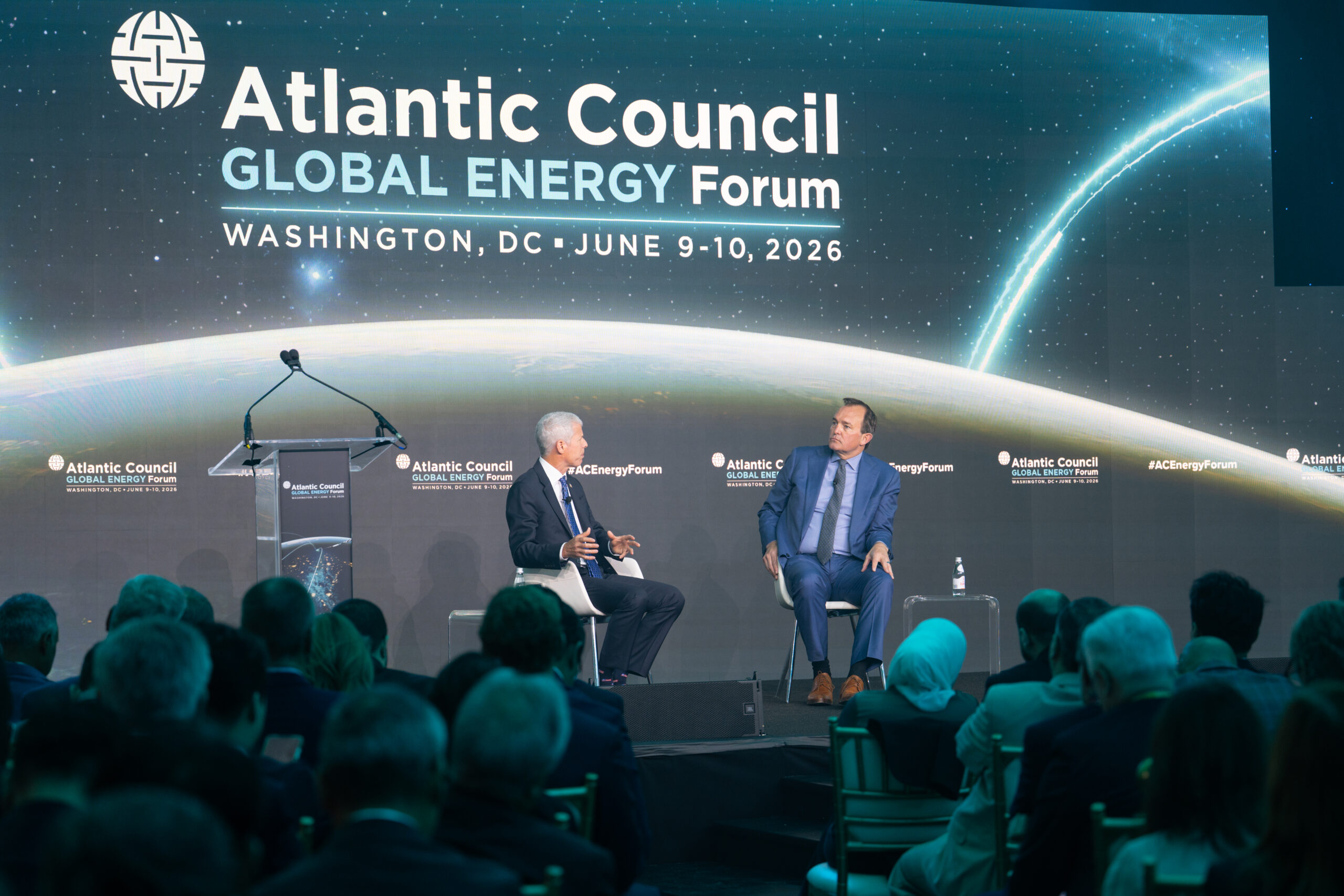
WASHINGTON—The 2026 Atlantic Council Global Energy Forum arrived at a pivotal moment. Entering the year, many of us expected affordability and competitiveness to dominate the energy conversation, particularly as policymakers in the United States turn their attention toward consequential midterm elections. Those issues have certainly featured prominently. But events in the Middle East have reordered global priorities, leading to the defining takeaway from this year’s forum: Energy security is once again at the top of the global agenda—to an extent that hasn’t been the case since at least the energy crises of the 1970s.
The conflict with Iran has underscored energy’s centrality to modern life; the interconnected nature of global energy markets; and the inseparability of peace, prosperity, and energy. As has been abundantly evident with disruptions to shipping through the Strait of Hormuz, what happens in one region can immediately affect energy access, prices, and supply chains around the world.
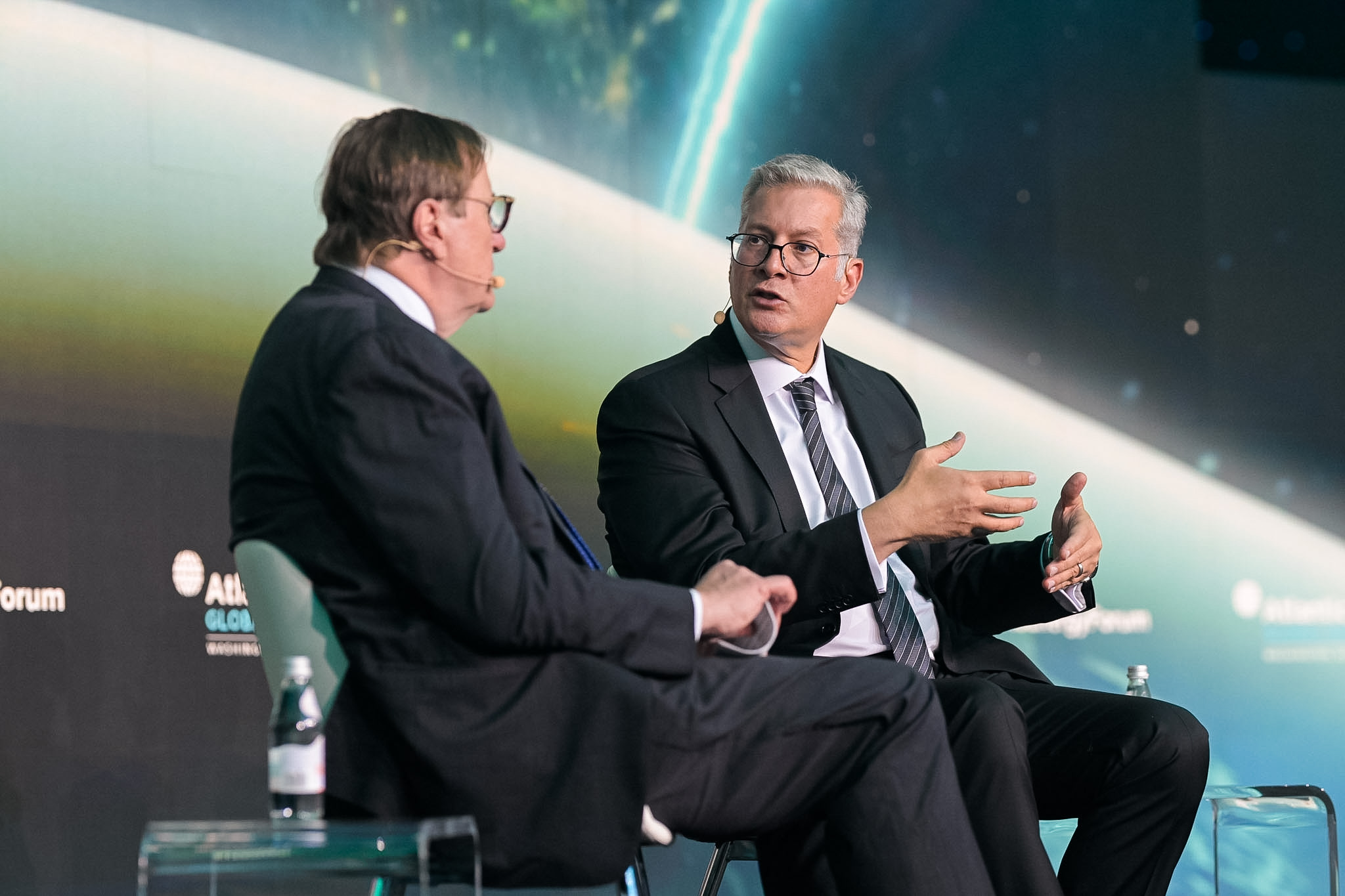
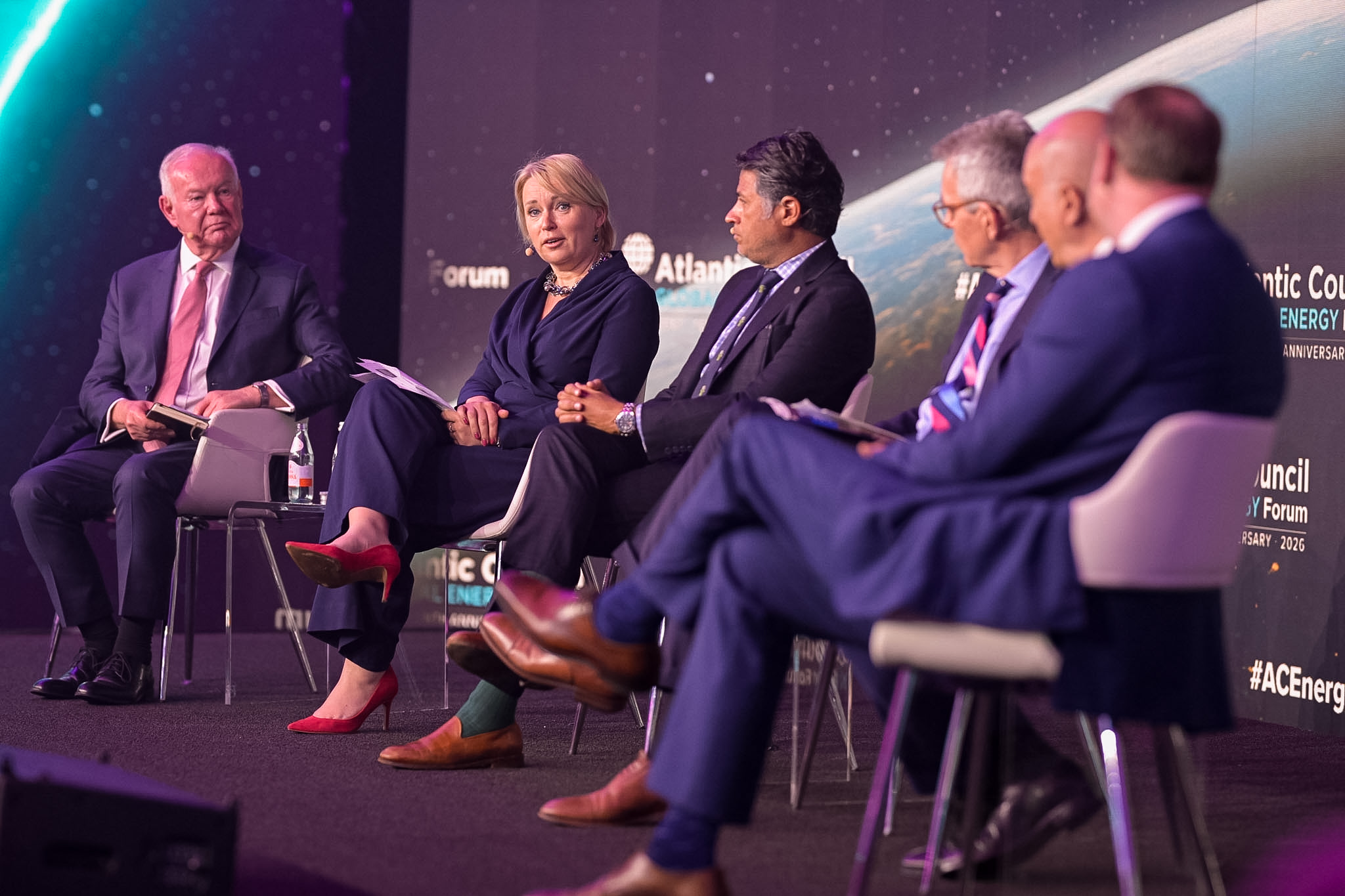
Over the forum’s two days, more than 1,500 participants from ninety countries gathered in Washington, DC for fifty-two public sessions, twenty-four private sideline events, and countless bilateral meetings and informal conversations. That included more than fifty C-suite executives and thirty-four government leaders from around the world, while more than 6,100 viewers participated virtually. It was the largest single convening in the Atlantic Council’s sixty-five-year history. But the forum’s impact has never been measured by size alone. Its value lies in its ability to bring together leaders from government, industry, finance, and civil society to build a common understanding of the challenges ahead and identify pathways toward actionable solutions moving forward.