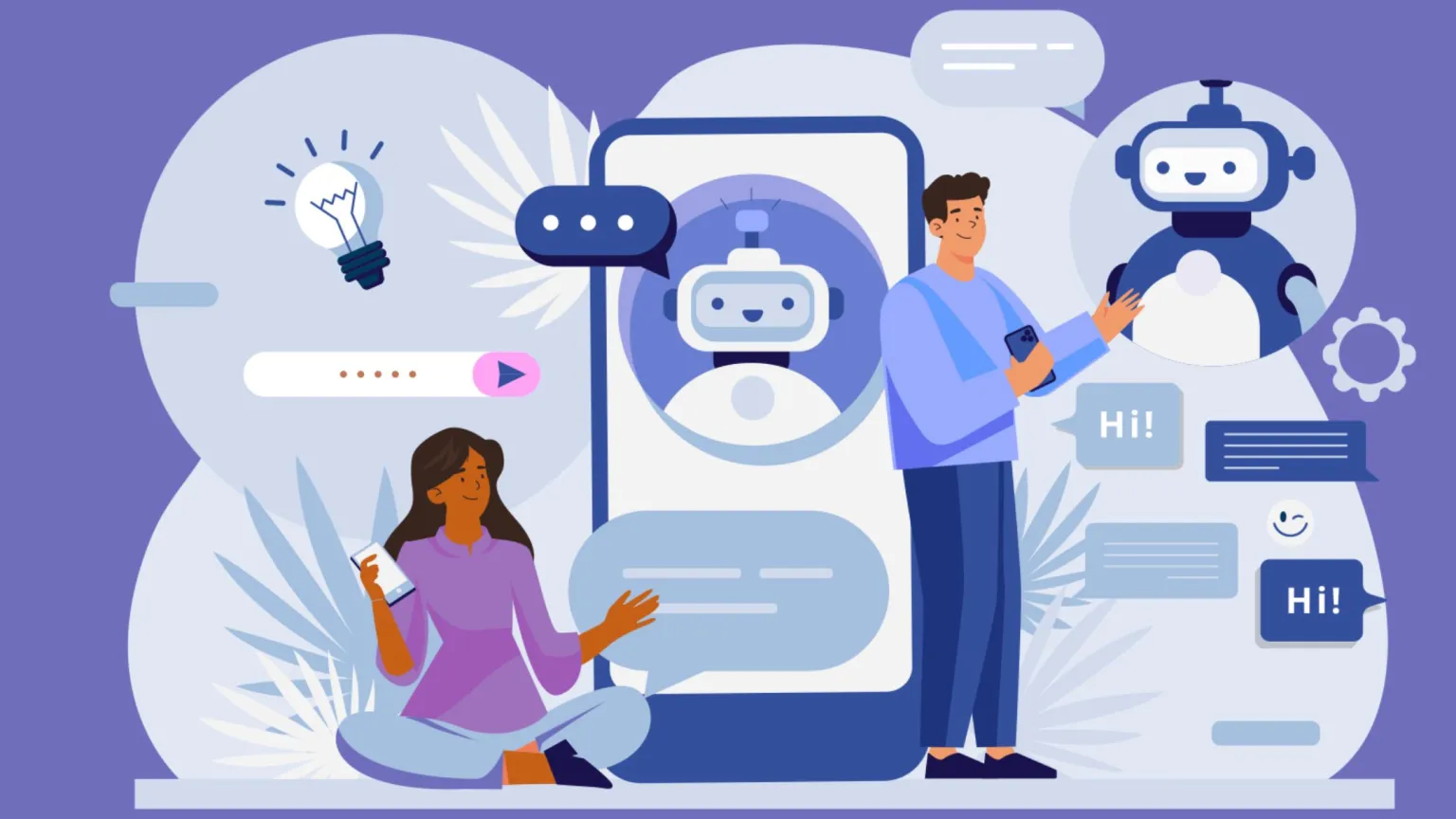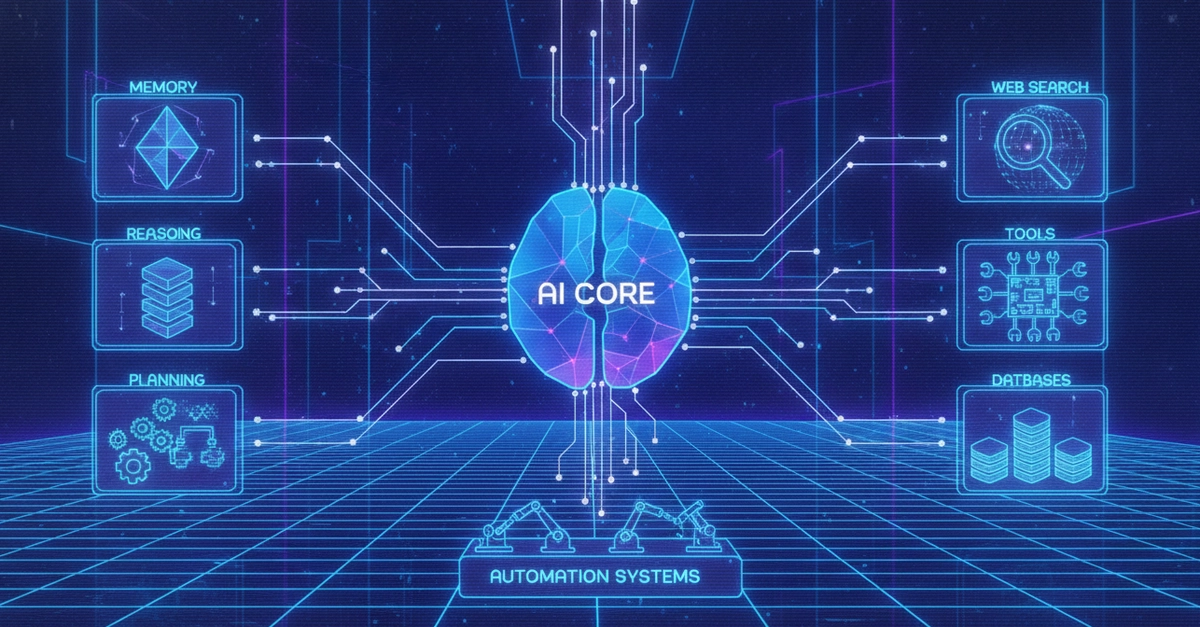
The conversation surrounding artificial intelligence is undergoing a massive structural shift. For the past few years, consumer AI has been defined by chat interfaces—static, reactive windows where a user inputs a prompt and waits for text output. However, the developer and enterprise ecosystem is quickly moving toward autonomous agents.
Unlike standard chatbots, autonomous agents do not just converse; they execute tasks, manage calendars, read and write local file directories, monitor GitHub repositories, and connect directly to communication channels like WhatsApp, Telegram, or Slack. Yet, moving an agent from a local experimental script to a reliable, 24/7 autonomous worker introduces a severe infrastructure hurdle. To maintain absolute operational uptime without the exhaustion of manual system administration, specialized managed ecosystems like PrimeClaws are emerging to provide production-ready environments for AI agents.
The Operational Strain of Local and Unmanaged Hosting
When developers first experiment with open-source agent frameworks like OpenClaw or Hermes, they often attempt to run them locally on a dedicated homelab machine or an unmanaged virtual private server (VPS). While this approach works for initial testing, it quickly fails under the demands of real-world production.