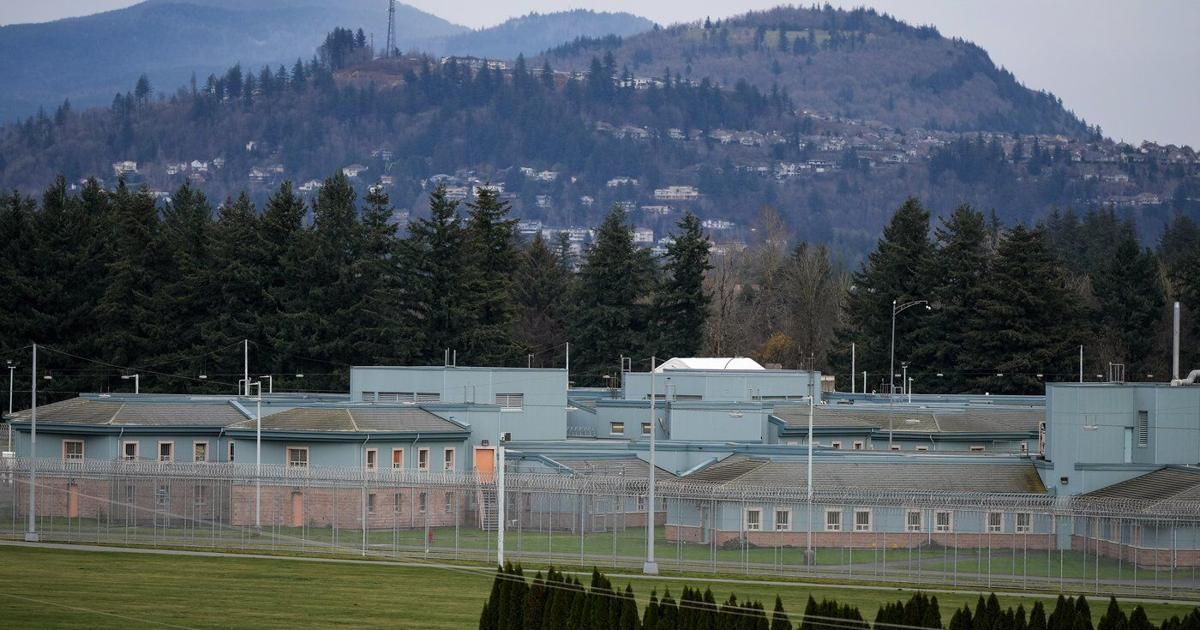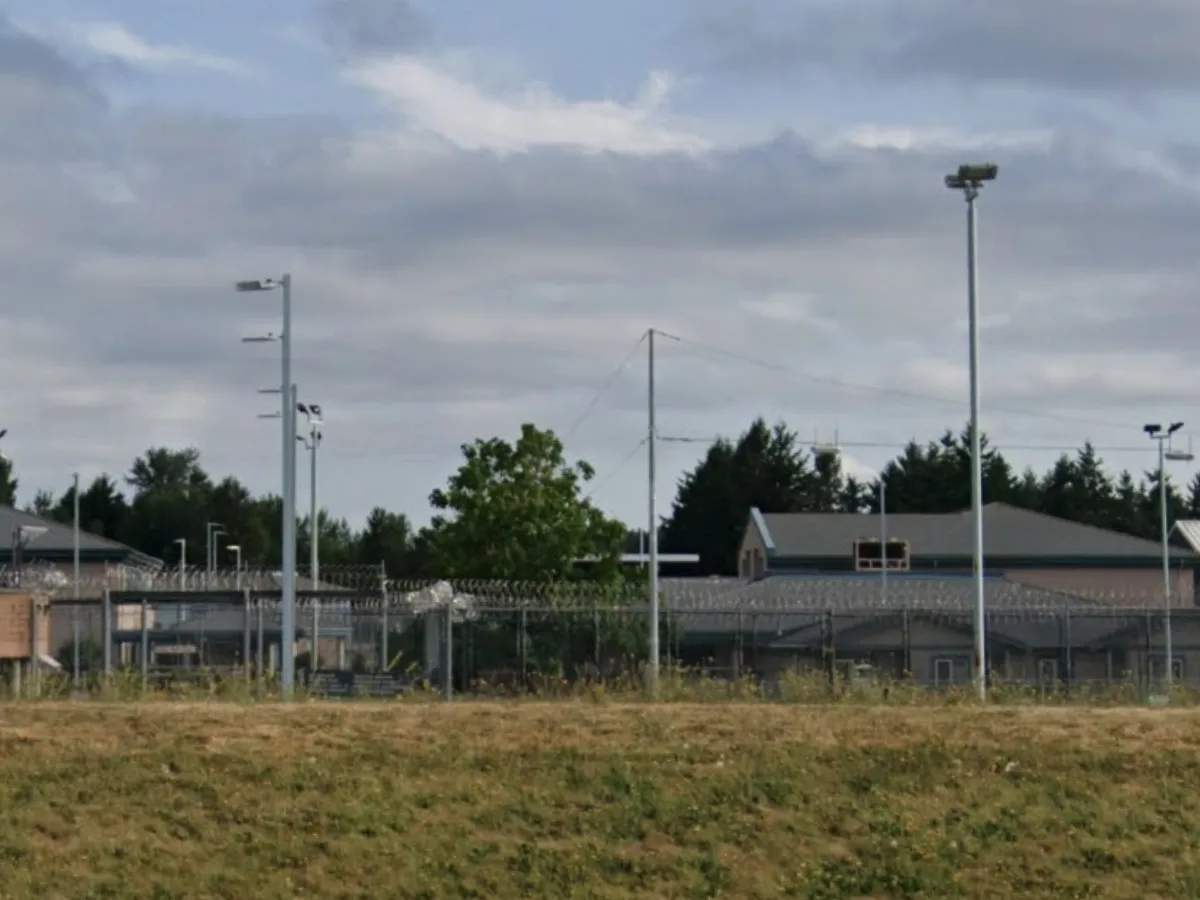
Skip to Content Subscribe Our Offers My Account Manage My Subscriptions FAQ Newsletters Canada Canadian True Crime Canadian Politics Health World Israel & Middle East Financial Post NP Comment Longreads Puzzmo Diversions Comics NP News Quiz New York Times Crossword Horoscopes Life Eating & Drinking Style Sponsored Play for Ontario Travel Travel Canada Travel USA Travel International Cruises Travel Essentials Culture Books Celebrity Movies Music Theatre Television Business Essentials Advice Lives Told Tails Told Shopping Buy Canadian Home Living Outdoor Living Kitchen & Dining Tech Style & Beauty Personal Care Entertainment & Hobbies Gift Guide Travel Guide Amazon Prime Day Deals Savings National Post Store More Sports Hockey Baseball Basketball Football Soccer Golf Tennis Driving Vehicle Research Reviews News Gear Guide Obituaries Place an Obituary Place an In Memoriam Classifieds Place an Ad Celebrations Working Business Ads Archives Healthing Epaper Manage Print Subscription Profile Settings My Subscriptions Saved Articles My Offers Newsletters Customer Service FAQ Newsletters Canada World Financial Post NP Comment Longreads Puzzmo Diversions Life Shopping Epaper Manage Print Subscription HomeNewsCanadaPrison guards hospitalized after a B.C. inmate sends fentanyl flying into air during cell search for drugs'It turned into a fight... the drugs went everywhere, basically went airborne, it’s almost like throwing flour in the air and... It covered the officers physically and then they also inhaled it,' prison union says You can save this article by registering for free here. Or sign-in if you have an account.The Pacific Institution in Abbotsford, B.C., is seen in an image from Google Maps. Photo by Google MapsFive prison guards required medical attention — with three taken to hospital — after they were exposed to fentanyl by an inmate during a search of a cell inside a British Columbia prison, according to the prison staff’s union.Enjoy the latest local, national and international news.Exclusive articles by Conrad Black, Barbara Kay and others. Plus, special edition NP Platformed and First Reading newsletters and virtual events.Unlimited online access to National Post.National Post ePaper, an electronic replica of the print edition to view on any device, share and comment on.Daily puzzles including the New York Times Crossword.Support local journalism.Enjoy the latest local, national and international news.Exclusive articles by Conrad Black, Barbara Kay and others. Plus, special edition NP Platformed and First Reading newsletters and virtual events.Unlimited online access to National Post.National Post ePaper, an electronic replica of the print edition to view on any device, share and comment on.Daily puzzles including the New York Times Crossword.Support local journalism.Create an account or sign in to continue with your reading experience.Access articles from across Canada with one account.Share your thoughts and join the conversation in the comments.Enjoy additional articles per month.Get email updates from your favourite authors.Create an account or sign in to continue with your reading experience.Access articles from across Canada with one accountShare your thoughts and join the conversation in the commentsEnjoy additional articles per monthGet email updates from your favourite authorsSign In or Create an AccountorThe incident happened on June 11 during a routine targeted search by officers at the Pacific Institution when an inmate allegedly tried to destroy evidence by dispersing a toxic substance that exposed the officers.Three of the officers were taken to hospital by ambulance. One officer required chest compressions while in the ambulance; at least three officer required naloxone, an emergency medication used to reduce the effects of opioids, typically used to restore breathing after an opioid overdose, according to the Union of Canadian Correctional Officers (UCCO).Get a dash of perspective along with the trending news of the day in a very readable format.By signing up you consent to receive the above newsletter from Postmedia Network Inc.A welcome email is on its way. If you don't see it, please check your junk folder.The next issue of NP Posted will soon be in your inbox.We encountered an issue signing you up. Please try again“They were conducting some searching, which is routine for us, and while searching, they found an inmate in possession of narcotics. The inmate became combative as soon as the officers tried to deal with the situation and basically, it turned into a fight,” said John Randle, the UCCO Pacific region’s president.“And in that fight the drugs went everywhere, basically went airborne, it’s almost like throwing flour in the air and it’s just floating in the air. It covered the officers physically and then they also inhaled it.”The dark blue anti-stab vests officers wear were coated by white powder, he said.One officer was near to passing out, all three involved in the search showed symptoms of overdosing. Two other officers who arrived to help were assessed and treated just in case.The inmate had recently arrived at the Pacific Institution and was still in the reception unit at the time, where inmates stay while being assessed for their security classification and prison placement, a process that can take weeks.It is unknown what the inmate had been convicted of prior to arriving or how long he had been there.“This is near the top end, or on the higher end, of worst-case scenarios,” Randle said of prison staff. “The abundance of dangerous drugs inside our institutions is putting officers’ lives at risk. Our members were simply doing their jobs when they were exposed to one of the most lethal drugs on the streets. This should never happen,” said Randle.The substance was later identified as fentanyl, a powerful opioid that can be fatal even in small doses. The drug has been linked to an alarming rise in overdose drug deaths in B.C.The union said the incident is not an isolated event and heralds an illicit drug crisis in Canada’s prisons and government cutbacks will make it worse.“At the very moment that illicit drugs are becoming more prevalent and violence is increasing, CSC is moving in the opposite direction,” said Frédérick Lebeau, the union’s national president.Lebeau said that the prison staff’s intervention for drugs has been weakened by a Correctional Service Canada (CSC) directive that weakens disciplinary measures against inmates for institutional drug use in pursuit of a harm reduction model.A request for comment from CSC about the fentanyl incident and the wider issue of drugs and violence in the prison system was pending at the time of publishing.Randle said the officers were all now medically well but are psychologically shaken by the incident, as are their families, particularly the officer that required chest compression treatment.In April B.C.’s chief health officer declared drug overdoses a public health emergency, a declaration typically reserved for a contagious disease outbreak, after more than 200 overdose deaths in during the first three months of 2016 in the province.Pacific Institution is a complex of multiple security levels in Abbotsford, B.C., about 80 kilometres east of Vancouver. It consists of living units organized around a central courtyard with a yard post in the centre with a rated capacity of 509 inmates.It includes CSC’s Regional Treatment Centre and became the first prison institution in North America to gain full accreditation as a hospital, according to CSC.Our website is the place for the latest breaking news, exclusive scoops, longreads and provocative commentary. Please bookmark nationalpost.com and sign up for our newsletters here. Join the Conversation This website uses cookies to personalize your content (including ads), and allows us to analyze our traffic. Read more about cookies here. By continuing to use our site, you agree to our Terms of Use and Privacy Policy.
Prison guards hospitalized after a B.C. inmate sends fentanyl flying into air during cell search for drugs
'It turned into a fight (and) the drugs went everywhere," prison union says of cell search fracas.
1,230 words~6 min read