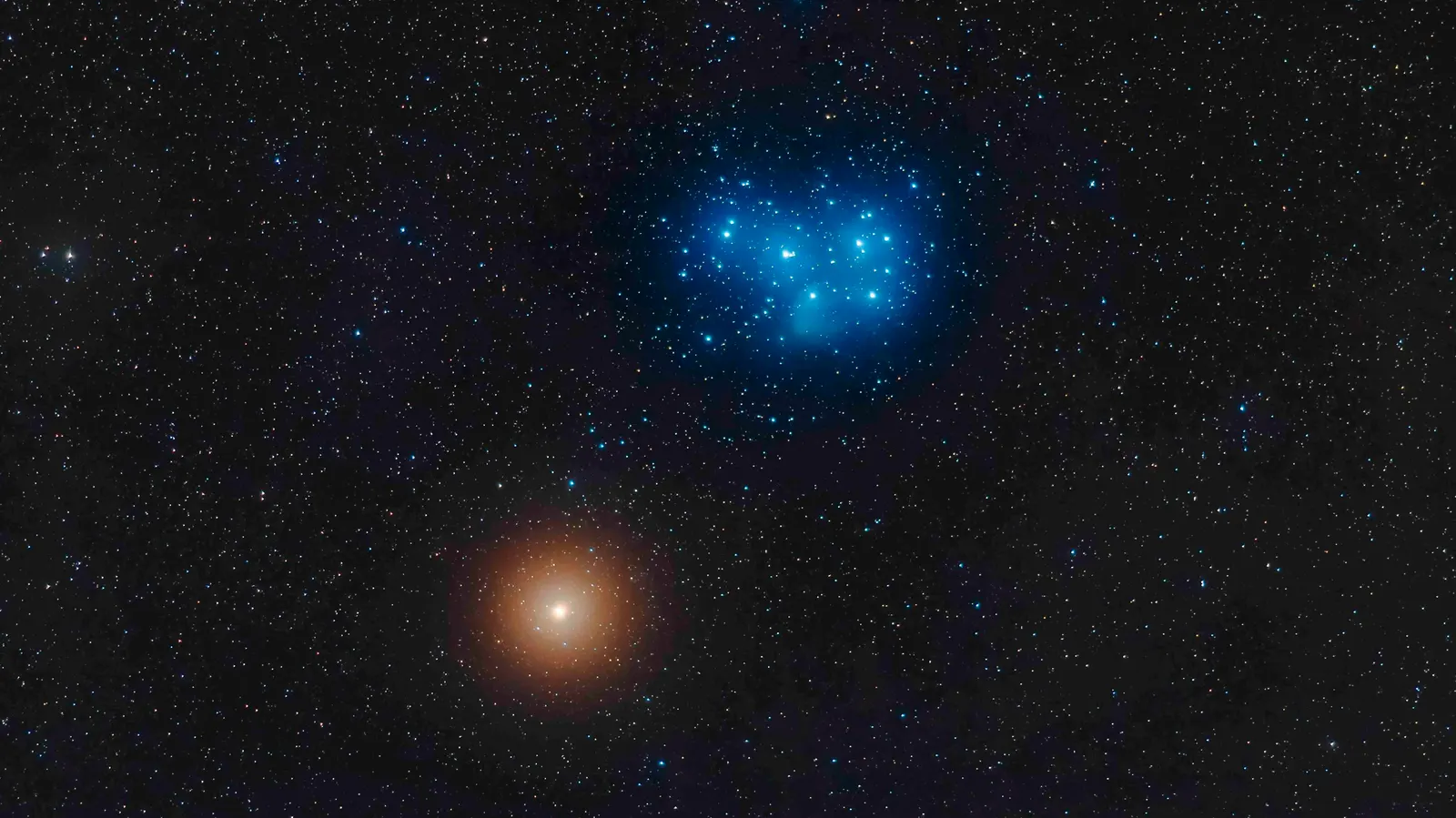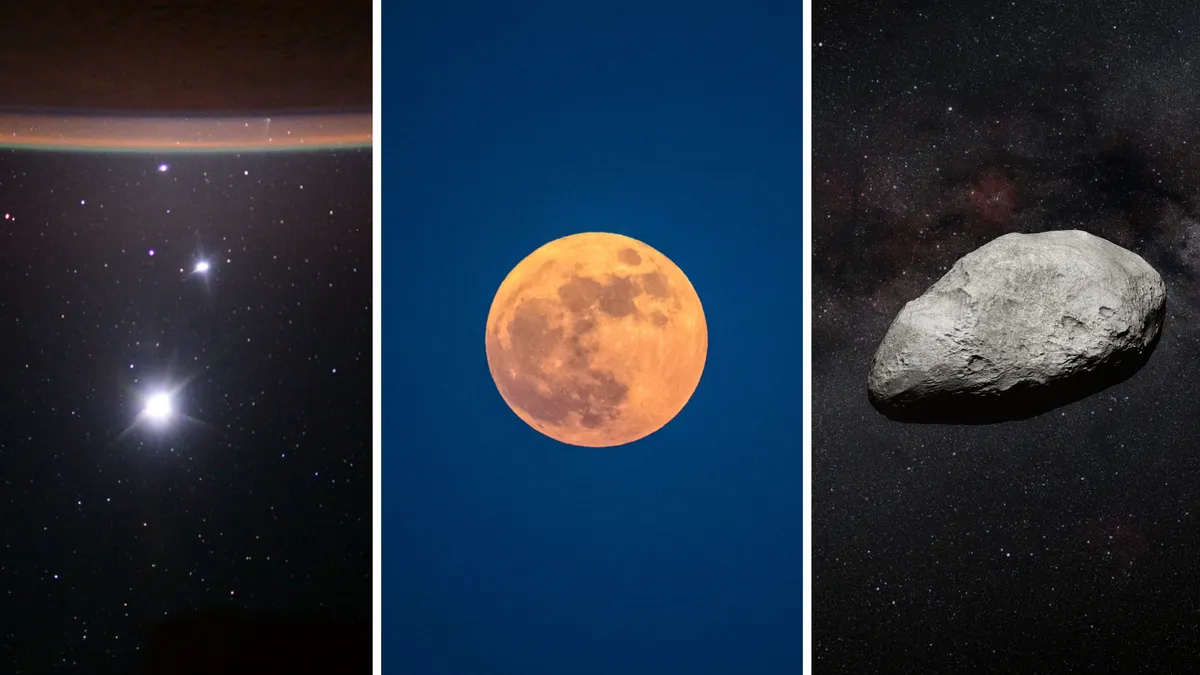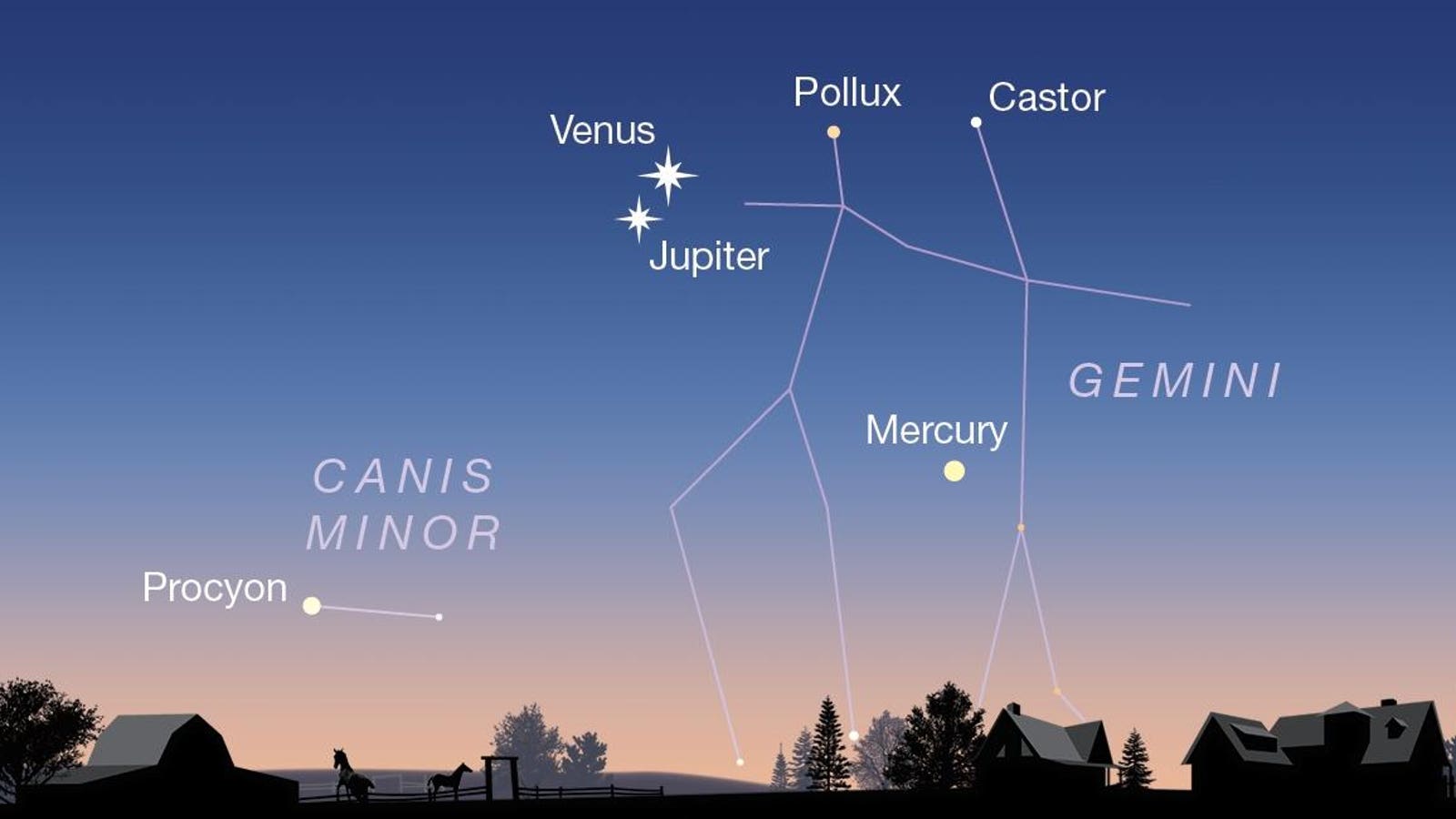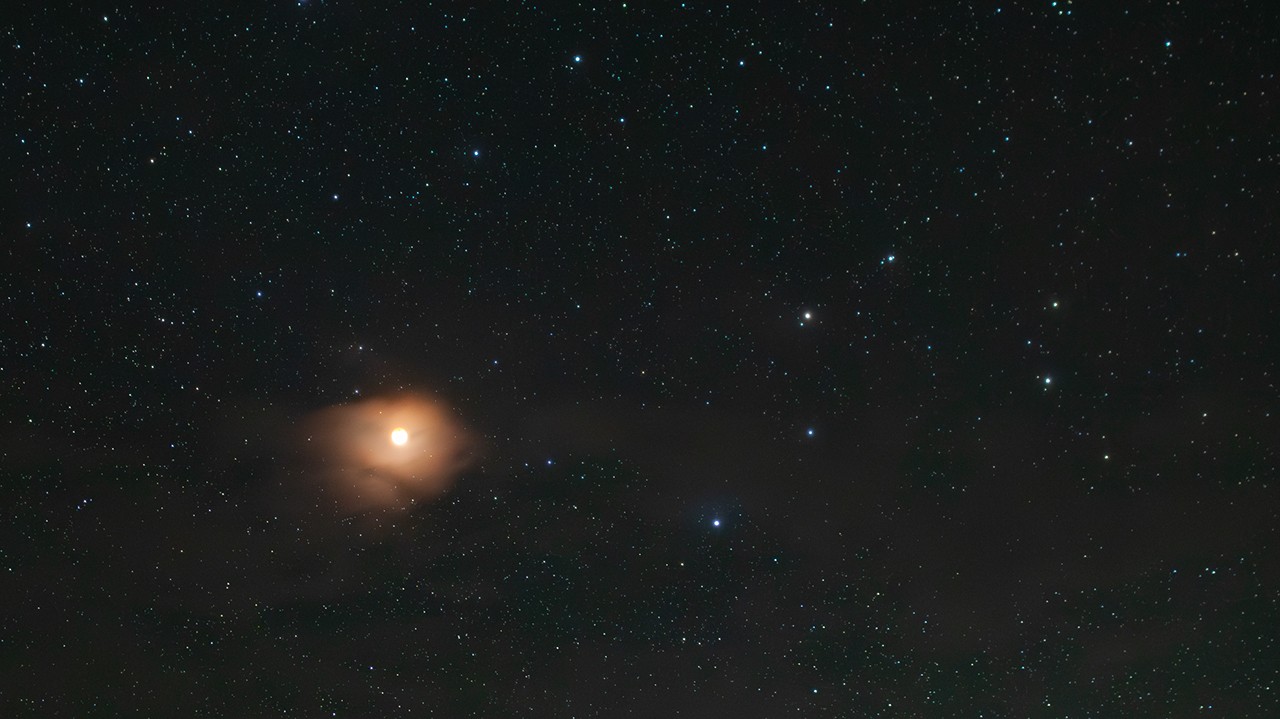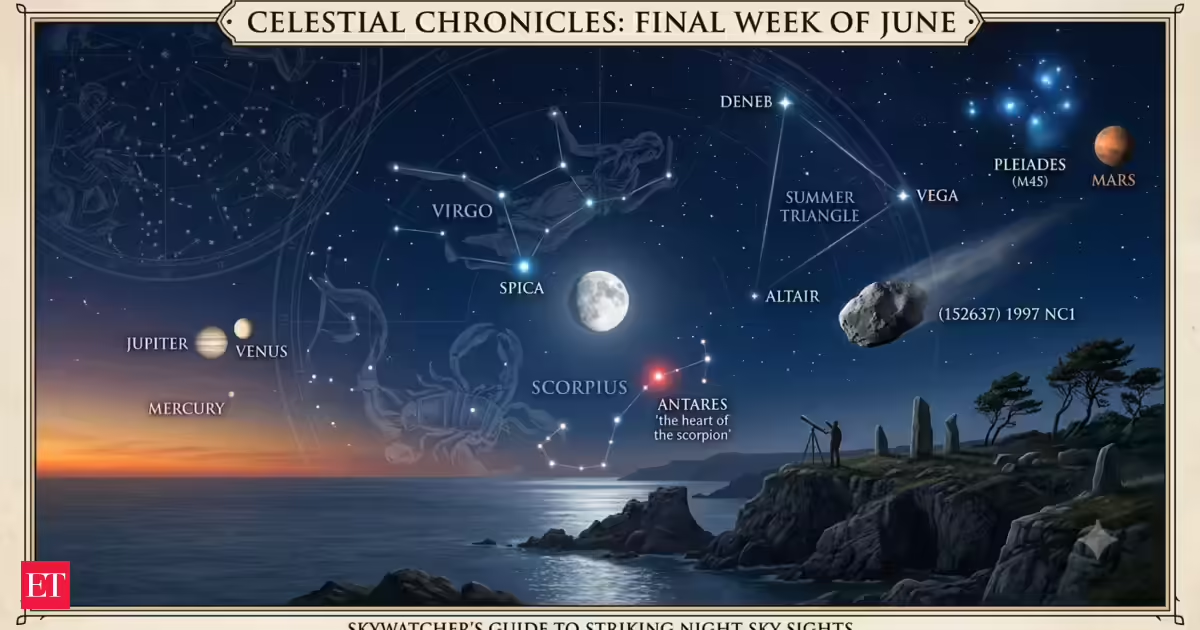
Night sky events June 2026: As June moves beyond the summer solstice, skywatchers can look forward to several celestial sights during the final week of the month. Although nights are gradually becoming longer again, a brightening moon will increasingly dominate the evening sky as it approaches June's full Strawberry Moon on Monday, June 29.Even with stronger moonlight washing out many faint stars, some of the season's brightest celestial landmarks are now easier to spot earlier in the evening.Moon and Stars Share the Spotlight This WeekThe week begins with a close pairing between the moon and Spica, the brightest star in the constellation Virgo. On Tuesday, June 23, a 71%-illuminated waxing gibbous moon will pass just two degrees from Spica, as per a report.Later in the week, on Friday, June 26, and Saturday, June 27, the moon will appear on either side of Antares, the bright red supergiant star in the constellation Scorpius, as per a Forbes report. Antares is often mistaken for Mars because of its reddish appearance.Final Opportunity to See Three Evening Planets TogetherWednesday, June 24, marks the last opportunity to view Mercury, Jupiter and Venus together in the evening sky. Mercury is now sitting very low in the western sky beneath Jupiter and Venus and will soon disappear from view. Observers will need a clear view of the western horizon to spot all three planets after sunset.You Might Also Like:Mars Draws Close to the Seven SistersOne of the week's most anticipated sights involves Mars and the famous Pleiades star cluster, also known as the Seven Sisters or M45, as per the Forbes report.Those willing to rise about an hour before sunrise can look east to see Mars positioned to the right of the Pleiades. Mars will continue moving beneath the cluster throughout the week, reaching its closest point on Sunday, June 28, when it appears just 4.3 degrees away.According to WhenTheCurvesLineUp.com, this close encounter between Mars and the Pleiades will not happen again until 2034.Large Asteroid Makes a Safe Flyby of EarthOn Saturday, June 27, asteroid (152637) 1997 NC1 will make a close but safe pass by Earth. The asteroid will come within approximately 2.6 million kilometers of our planet, or about 6.7 times the average distance between Earth and the moon, as per the Forbes report.You Might Also Like:Scientists estimate the asteroid is between 710 and 1,600 meters wide. Objects of this size pass this close to Earth only about once every decade. The Virtual Telescope Project plans to broadcast the flyby live online on June 26 and June 27.Summer Triangle Continues to RiseDespite the bright moonlight, some of summer's brightest stars remain easy to find. Vega is now climbing higher in the eastern sky each evening and will soon be joined by Deneb and Altair.Together, these three stars form the well-known Summer Triangle, a prominent feature of the Northern Hemisphere's night sky through October.Constellation of the Week: ScorpiusScorpius is now visible low in the southern sky, offering views into one of the richest star fields in the heavens. Its brightest star, Antares, is the most famous in the constellation Scorpius and is easy to identify due to its distinctive red color, as per the Forbes report.For observers in northern latitudes, Scorpius remains relatively low above the horizon. Looking toward this constellation also means looking in the direction of the Milky Way's core, one of the most densely populated regions of the night sky, as per the Forbes report.FAQsWhich bright star will appear near the moon on June 23?The waxing gibbous moon will pass close to Spica in the constellation Virgo.When is the last chance to see Mercury, Venus, and Jupiter together?Skywatchers can spot all three planets together after sunset on Wednesday, June 24.
Mars will pass the Seven Sisters this week and it won't happen again until 2034 - here's how to see it and other night sky events you must not miss
Night sky events June 2026: Discover the breathtaking celestial events occurring this week, including Mars passing by the Pleiades star cluster, the last chance to see evening planets Mercury, Jupiter, and Venus together, and a large asteroid making a close flyby of Earth.
TL;DRAI
Mars passes closest to the Pleiades cluster on June 28 at just 4.3 degrees of separation; this rare alignment will not repeat until 2034. The week offers additional celestial sights including Mercury-Jupiter-Venus conjunction on June 24 and a 710–1,600-meter asteroid's safe pass by Earth on June 27.
617 words~3 min read