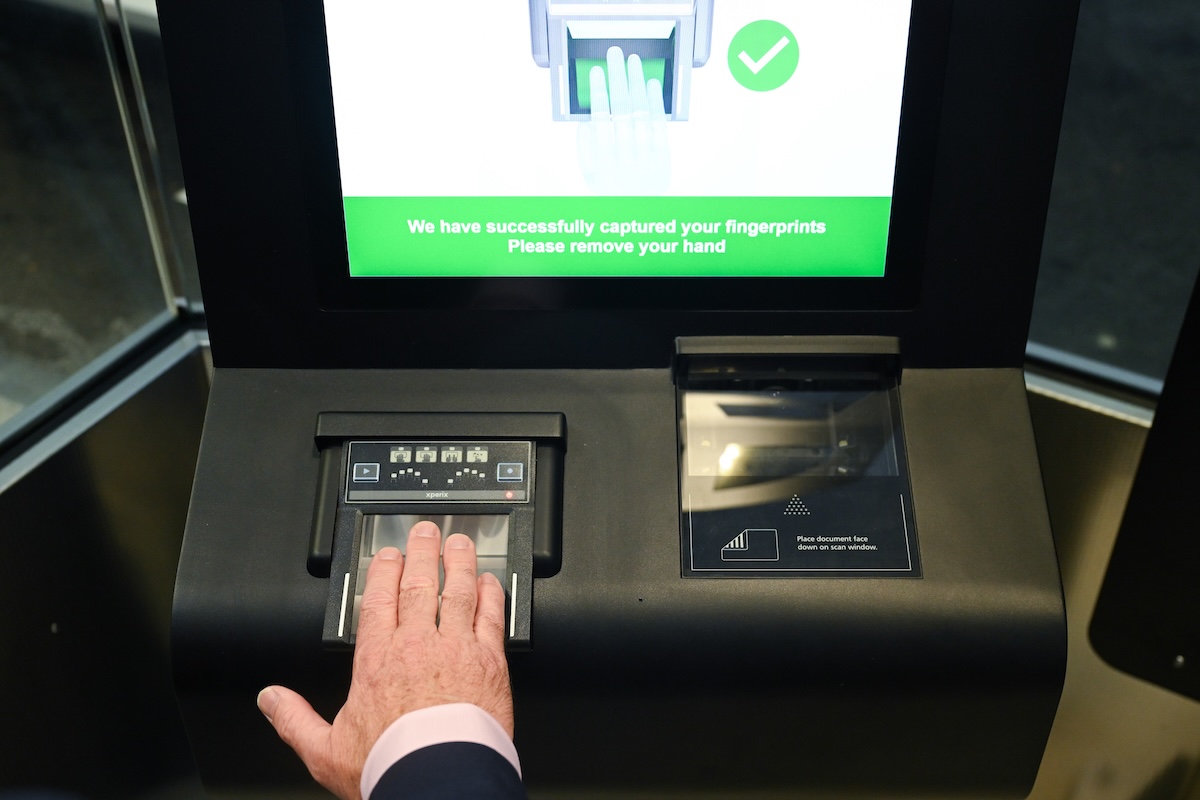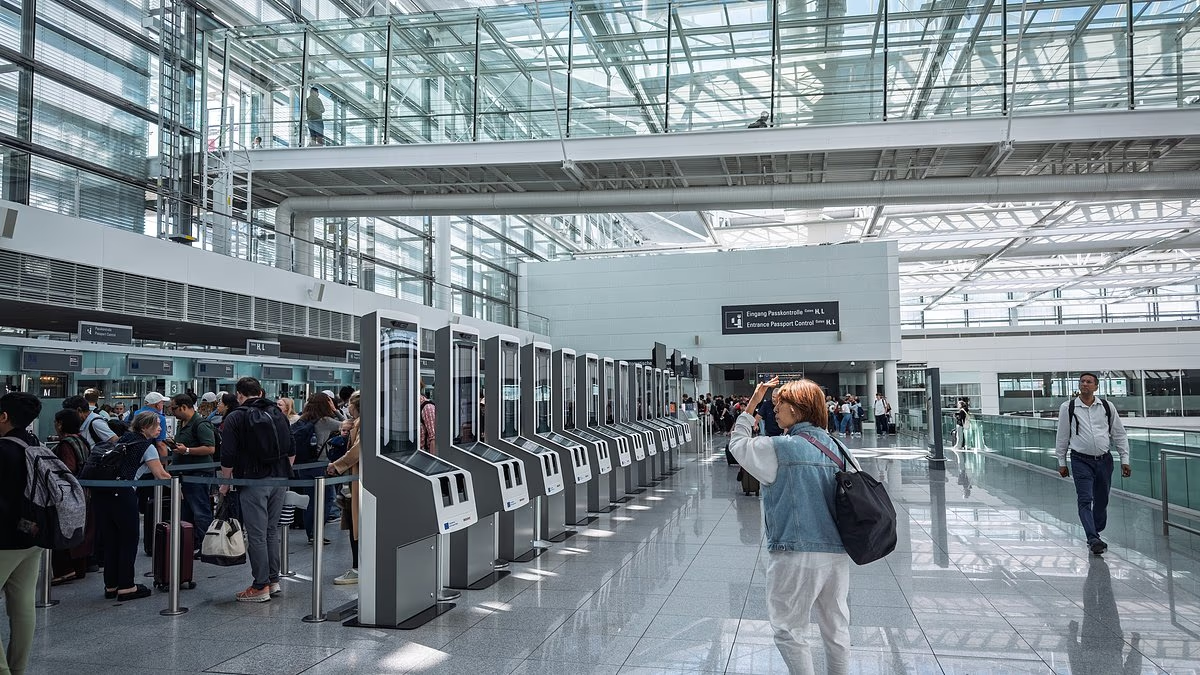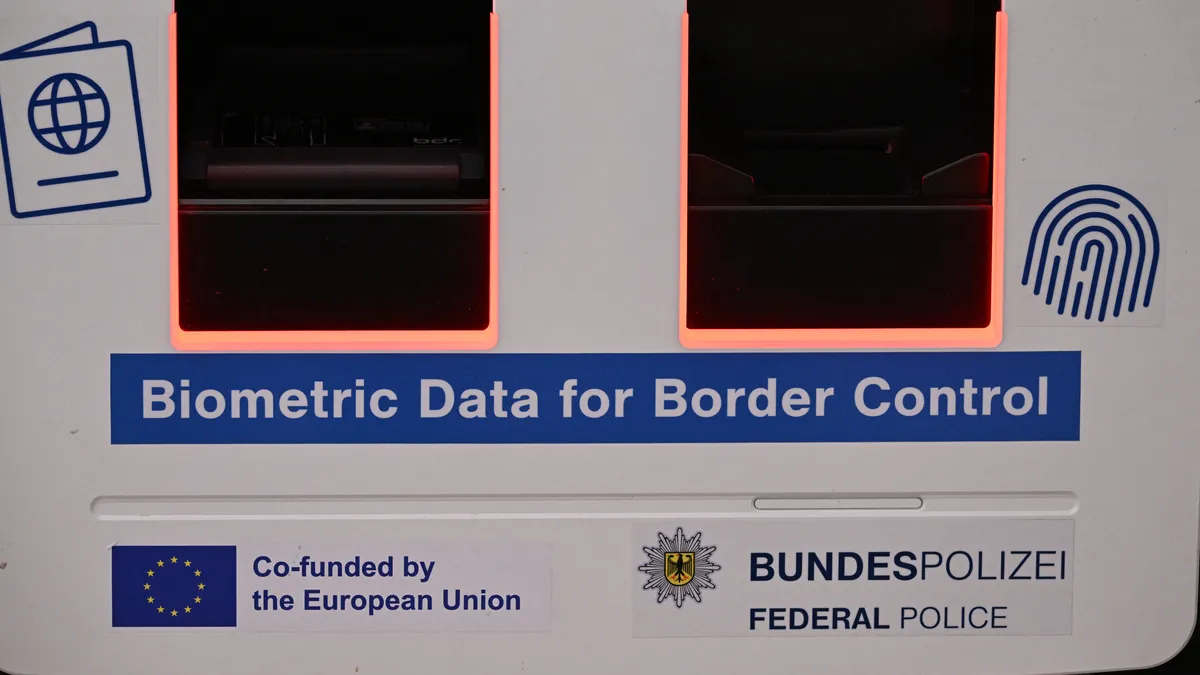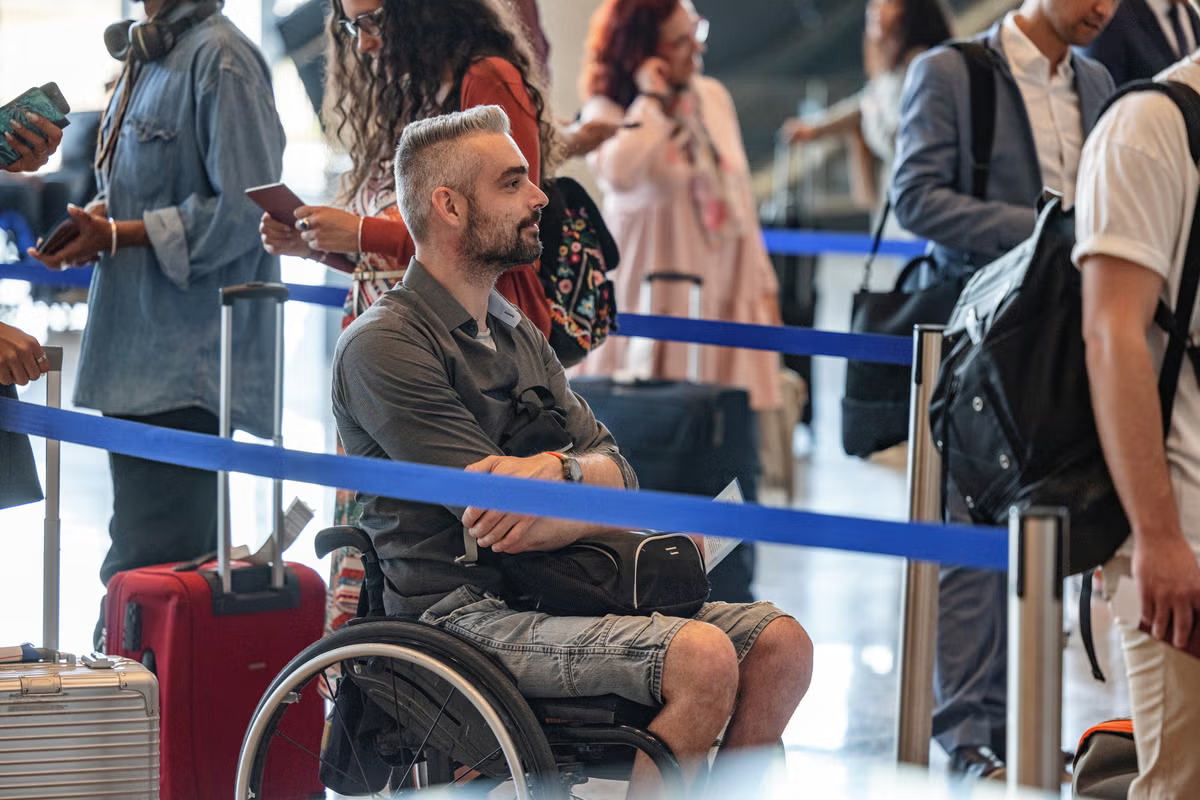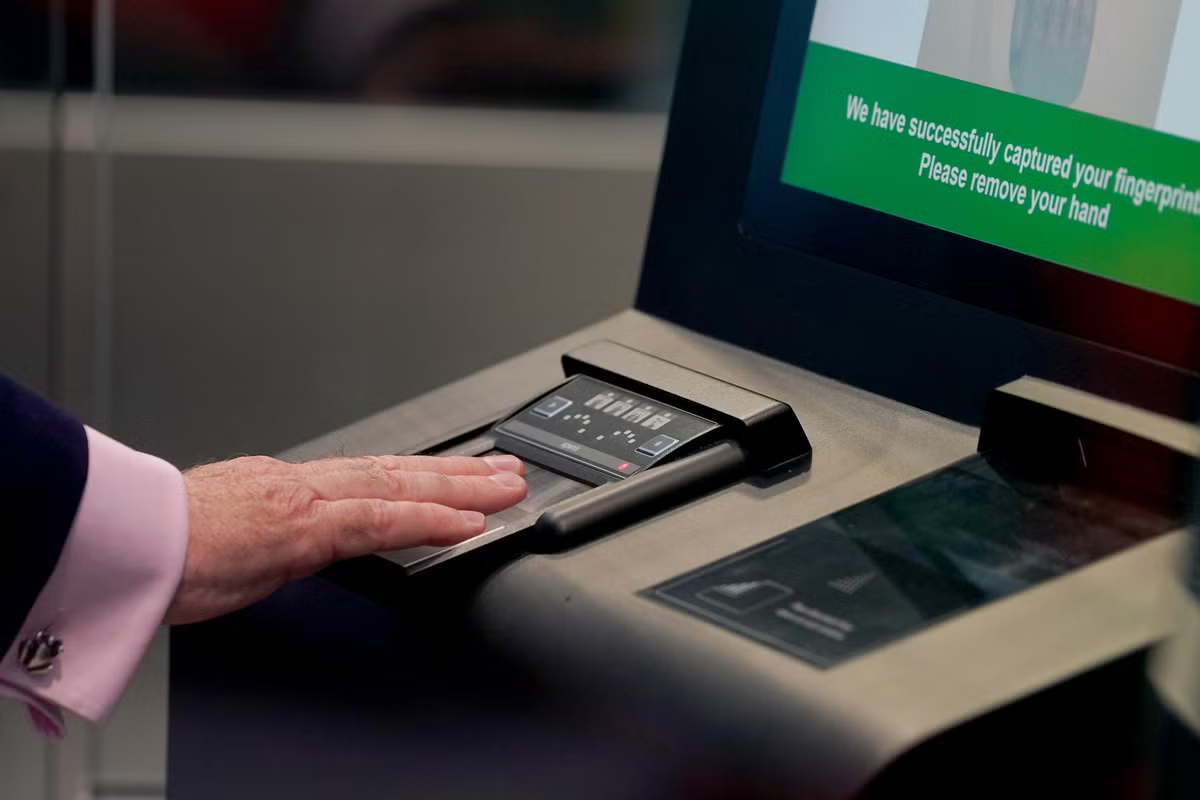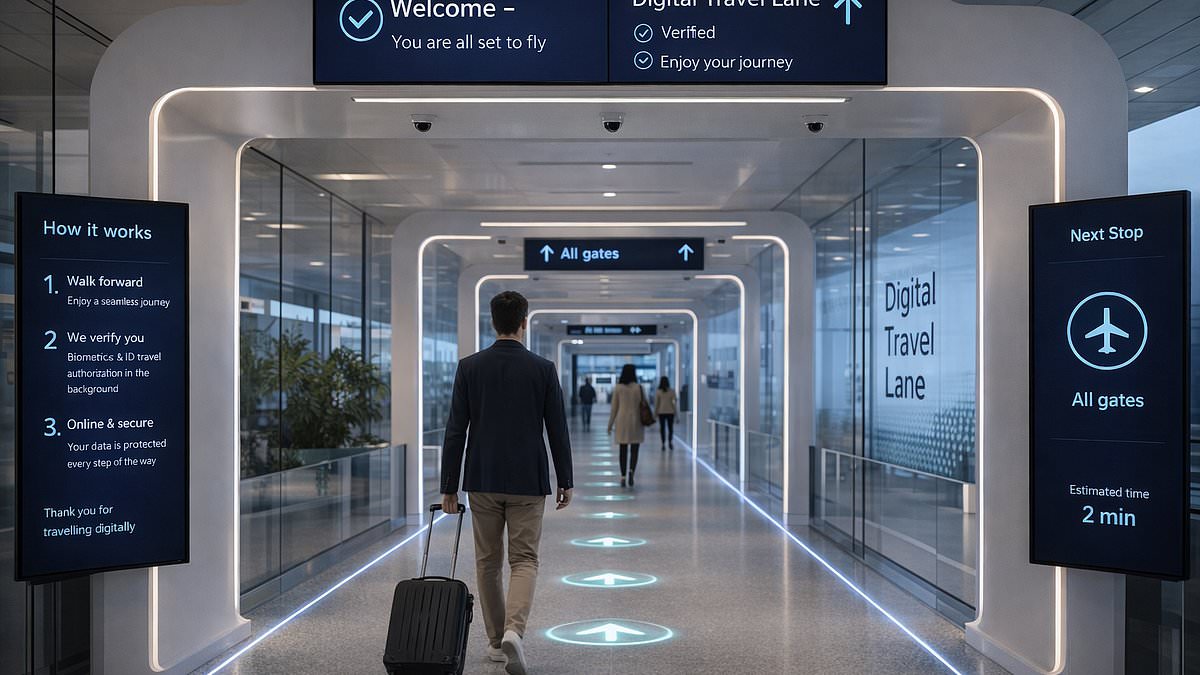
Getting to the airport early only to end up waiting in lengthy queues for passport control is so commonplace that frequent flyers have learned to grin and bear it.The introduction of the Entry/Exit System for the Schengen area has not helped matters in Europe this year, with reports of waits of as long as three hours and some passengers even missing flights.But airports could be a much more streamlined affair in years to come – and the Société Internationale de Télécommunications Aéronautiques (SITA) is at the forefront of research into making improvements that could radically transform travel experiences.Self-described as the 'world's leading specialist in air transport communications and information technology', SITA, which has its UK office in Reading, has big plans in store for flying.On a recent visit, Escape was given the lowdown on some of the key areas that the 'plane boffins' are focusing on – from facial scans in 'digital corridors' to passports downloaded on phones . . . change is coming down the line. The Daily Mail's Alesia Fiddler (pictured) visited SITA to check out some of the new technology being developed for air travelPASSPORT ON YOUR PHONEDigital ID may reach the point where physical travel documents 'stay in our bags and we will be able to use our face as our passport,' says Andy Smith, director of industry and innovations for SITA, who believes the move is inevitable.SITA has already developed an app that allows passports to be uploaded onto a smartphone. Smith demonstrates this by taking a snap of his own passport and creating a digital ID featuring everything from the expiry date, passport number and photograph. The passport chip is verified simply by placing the mobile phone on top of the closed document.DIGITAL TRANSFERSITA have already deployed ID apps of various descriptions in several countries. In the Caribbean island of Aruba, for example, there is a full digital travel app and biometric entry system already in use at immigration.Such systems could be linked to airline sites with no need to manually key in passport numbers and expiry dates.All passport information is stored only on your phone and is password protected, so if you lost your device and were worried about your data being accessed, the app can be deactivated just like digital bank cards. SITA have created a range of additions that can make travelling through an airport smoother, pictured is an ABC gate Face Pods can complete the border control process in just six secondsFACE POD SECURITYCurrently, most airports have physical passport kiosks at border control with officers manually checking documents, alongside two-door Automated Border Control gates. Typically, this involves going through a gate and scanning your passport while a camera checks your ID. At an average speed of 30 to 45 seconds, they are quicker than the manned system, which Smith says can take up to 90 seconds.But there's technology in the works that's even faster and simpler. SITA has developed gates that take 15 to 20 seconds to process passengers, and the quickest – a face pod – can complete the process in six seconds.DOES IT WORK?Escape tested SITA's face pods, an experience similar to a supermarket self-service checkout. The 'pods' are slim white stands with a camera at the top that scans your face.In my case, it lights up red (as I haven't registered my passport) and presents a large cross on the screen, along with the words 'Identification failed. Please contact agent or try again'.This technology is already in use in some airports in North America and the Caribbean, but is yet to be introduced to the UK and Europe. Smith says this is 'not a technical issue, but a regulatory one'.DIGITAL CORRIDORS While digital corridors, which are yet to be introduced to airports, could see travellers walk through a hallway without the need for officersBut the most impressive addition to border control that could be in airports soon is the 'digital corridor'. As travellers walk through a hallway, cameras scan their face and identify them, with a screen flagging who is permitted to pass through and who is not.Elements of such systems may be introduced in less-secure areas, such as lounges, in the next few months, according to SITA. 'We are evaluating various technical versions of digital corridors in order to select the right version for the right use case,' Smith says.Herein lies the future of airports – a brave new world awaits.Want to holiday like a travel expert? Get free access to this subscriber article about the best Greek islands to visit (and the worst ones to avoid) when you sign up HERE to the Escape newsletter
Inside the airport of the future, where your face is the boarding pass
Airports are set for a major overhaul as new technology promises to replace long queues and paper passports with biometric travel.
770 words~4 min read