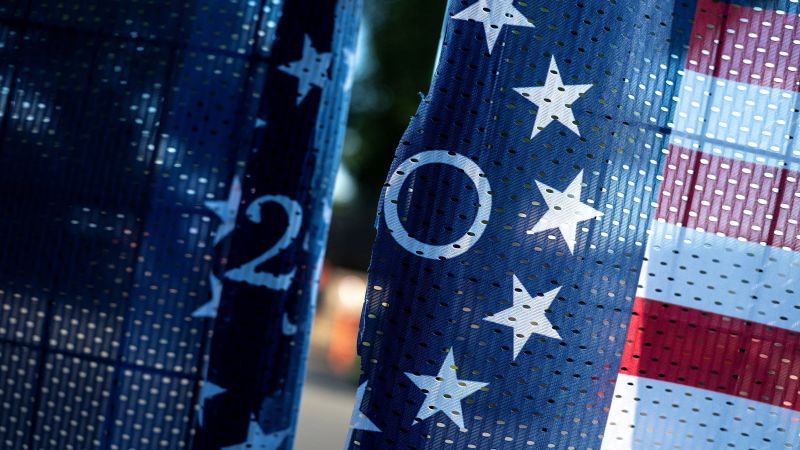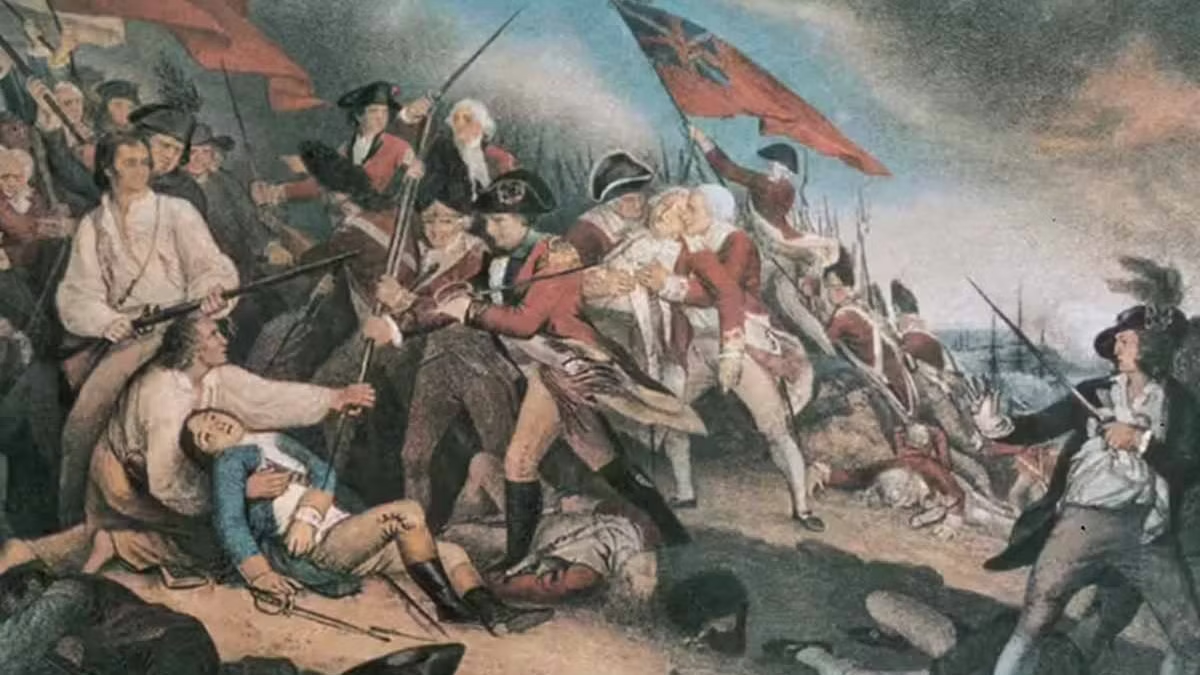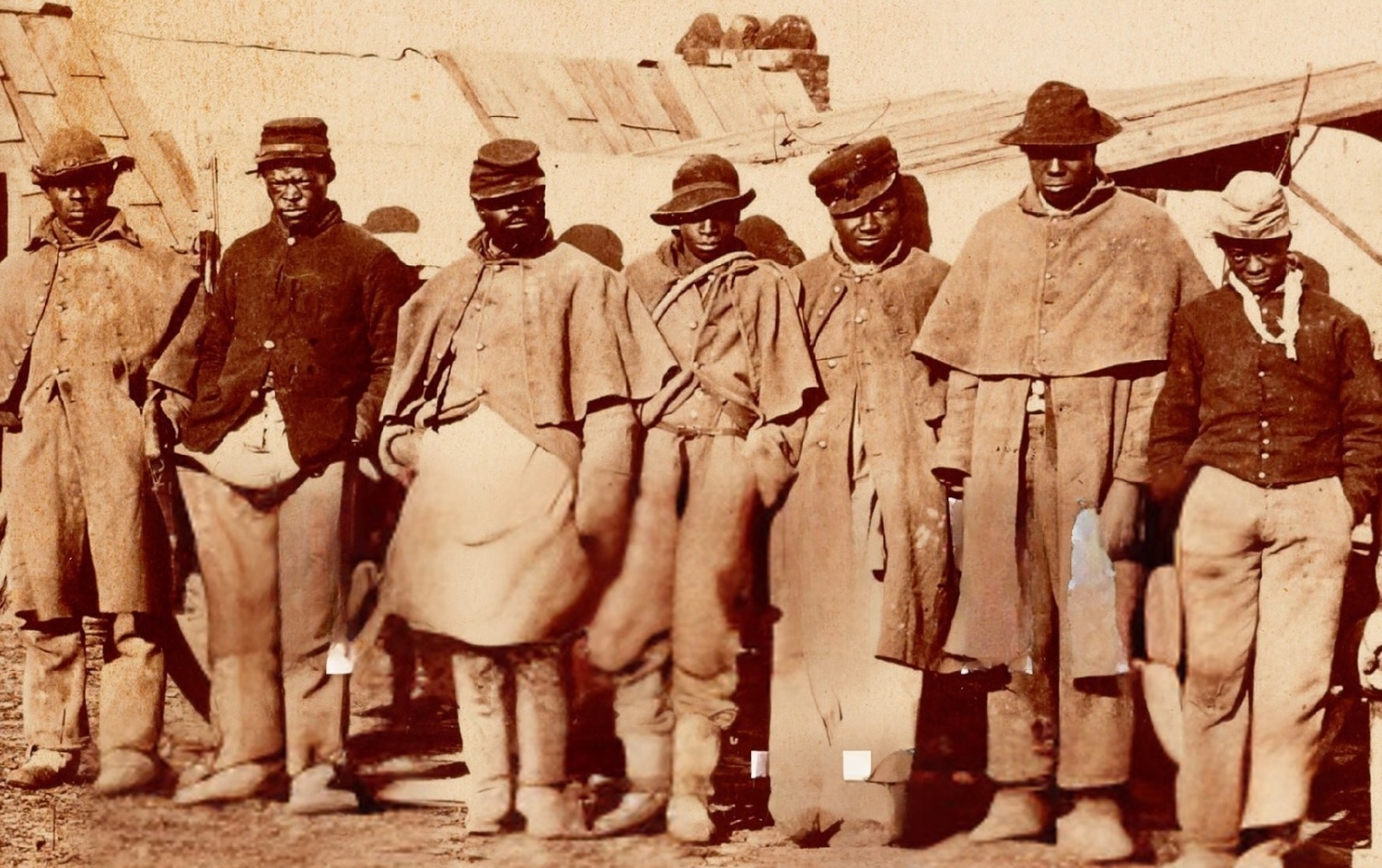
Lower-class bitterness for the powerful and elite; citizens feeling threatened and angered by an intrusive, aggressive central government; inflammatory news media; rising prices amid growing poverty. These are themes of outrage and frustration across America today, just as they were over 160 years ago during the Civil War. And they drove opposition to the war in both the North and South.When Americans think about the Civil War, they usually picture two opposing camps: a Union determined to preserve the nation and a Confederacy determined to secure its independence and its slave economy. However, substantial opposition to the conflict grew out of issues and experiences that were common to both sides.One of the issues that angered people most was military conscription. As the number of casualties grew, both the Union and the Confederacy relied on draft laws to replenish their armies. These laws seemed deeply unfair to many people. In the Confederacy, the “Twenty Negro Law” of October 1862 allowed large slaveholders to keep one white man home for every 20 enslaved people they owned — an exemption built on the very institution poor white soldiers were dying to defend. In the North, the Enrollment Act gave drafted men the option to avoid service by paying a $300 fee or hiring someone else to take their place.
A rich man's war, a poor man's fight: The Civil War's divided home front
The frustrations, divisions, and hatreds that fuel American polarization today could also be found in the Civil War.
1,095 words~5 min read