Tom Zoellner on the Antebellum Precedent of Trump-Era Censorship
In the days before the Civil War, the South worked hard to censor any literature that cast slavery in a negative light. Officials in Charleston, S.C. went through mailbags for abolitionist newspapers. Legislatures passed laws banning any publication that may show “a tendency to make our slaves discontented.” In Maryland, the Rev. Jacob Gruber was prosecuted for daring to preach a sermon that hinted that slavery might be sinful. Anyone found with a copy of the explosive novel Uncle Tom’s Cabin was subject to arrest.Article continues after advertisement
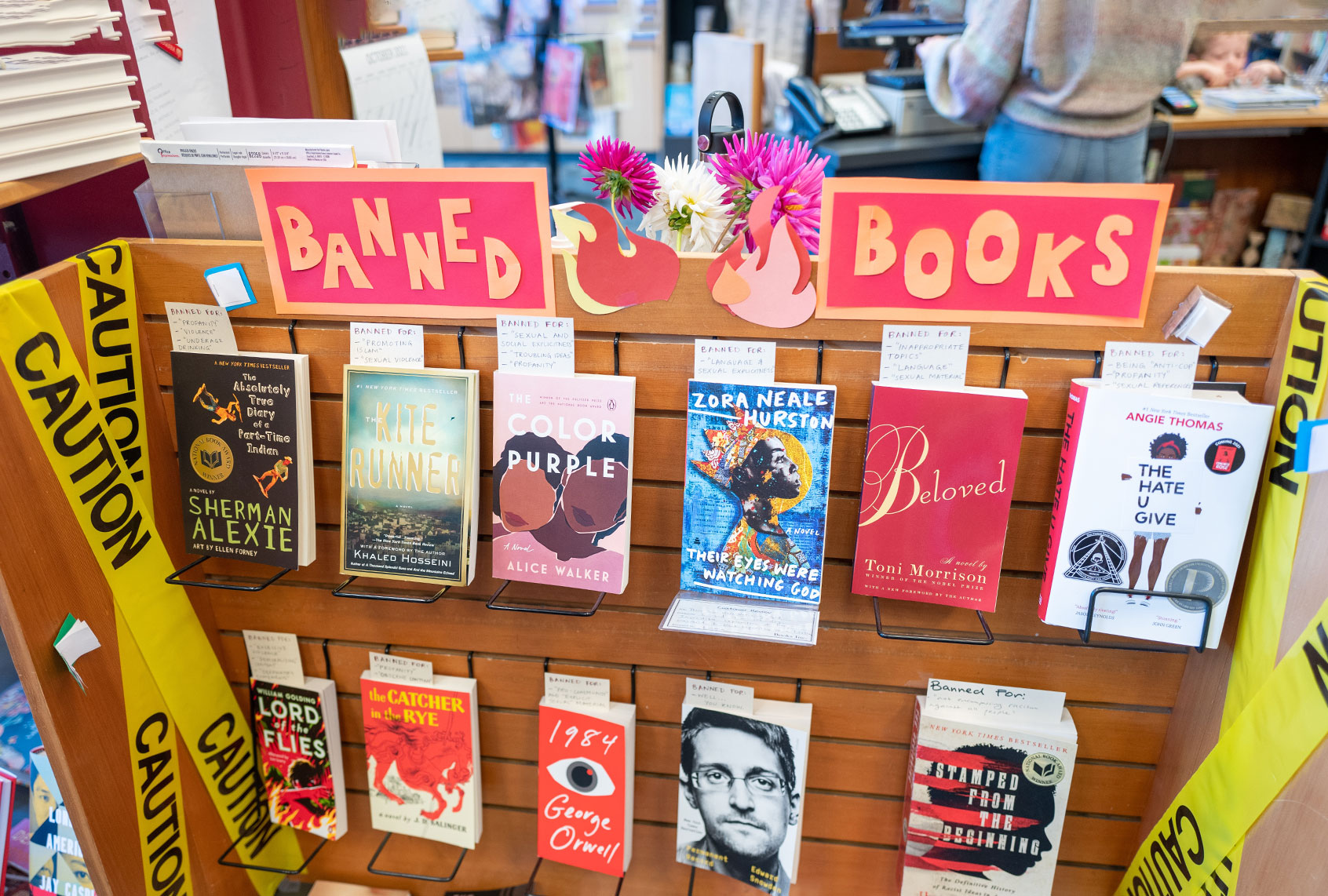
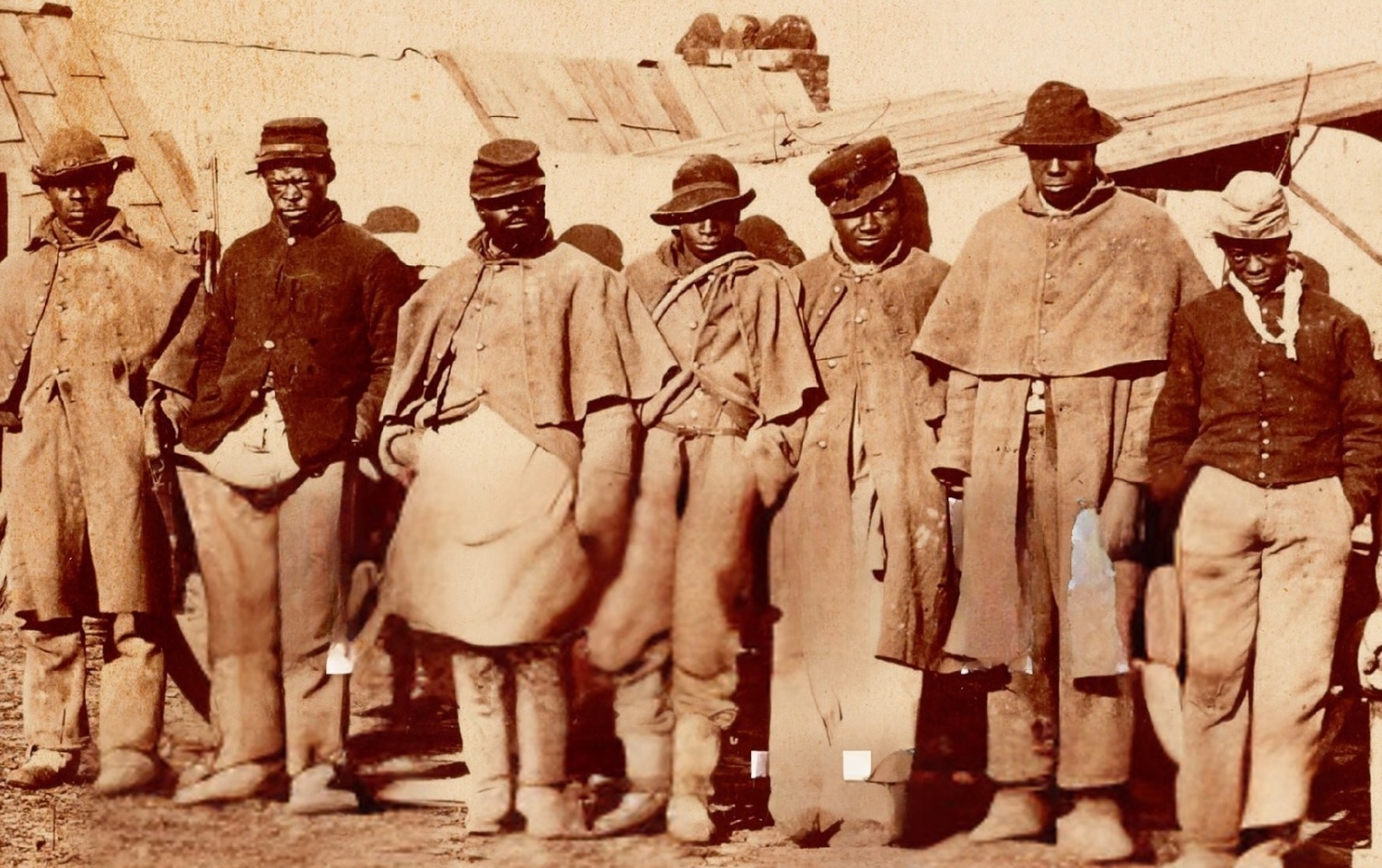
I wrote about this censorious mania to preserve the fiction of “happy and contented slaves” in a recent book about the important role played by enslaved people in achieving their own freedom. It was published in September under the title The Road Was Full of Thorns. I could not have dreamed that my book itself would be censored—by the U.S. Government, the side that supposedly won the Civil War.
Censorship often works like this—indirectly, requiring no specified demands but rather a vague climate of intimidation that encourages “an abundance of caution” when making decisions about what voices should be heard.