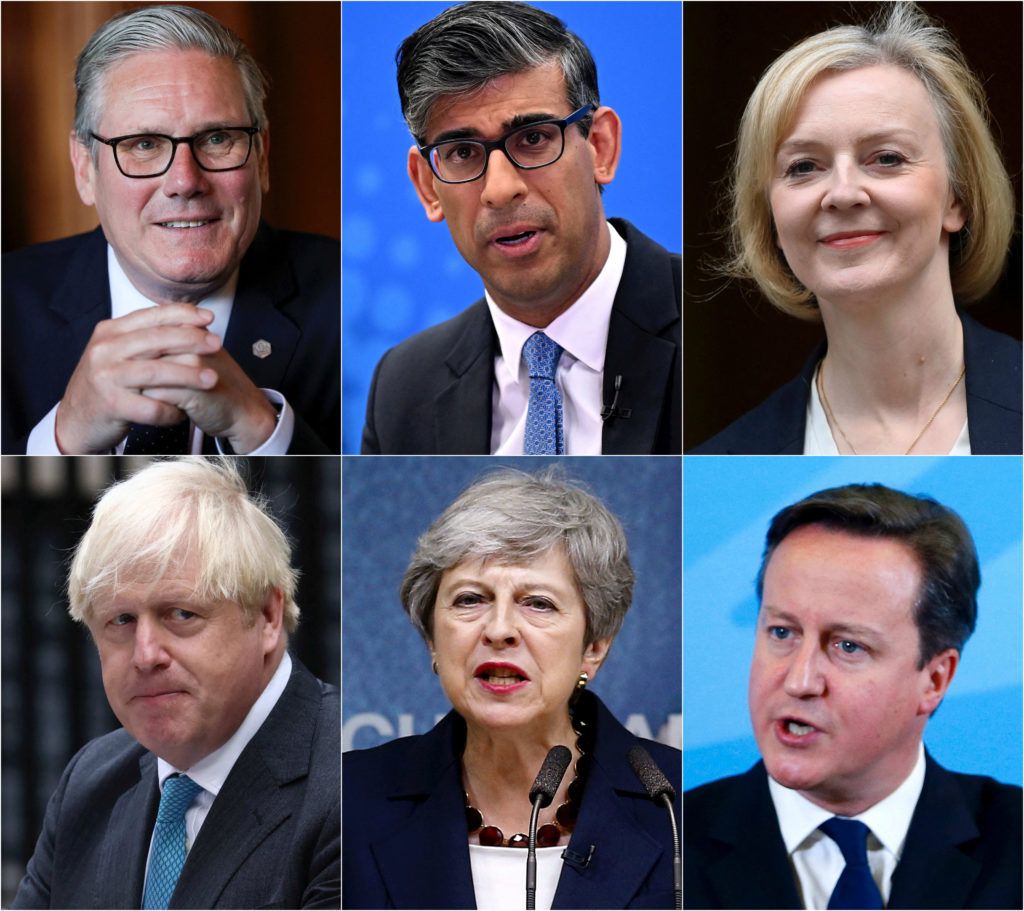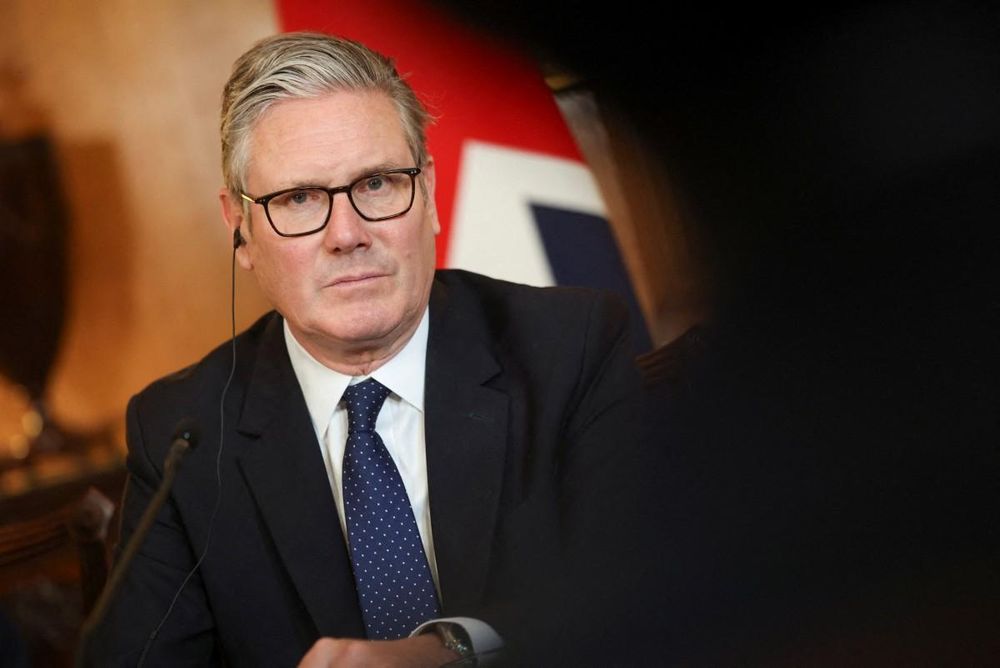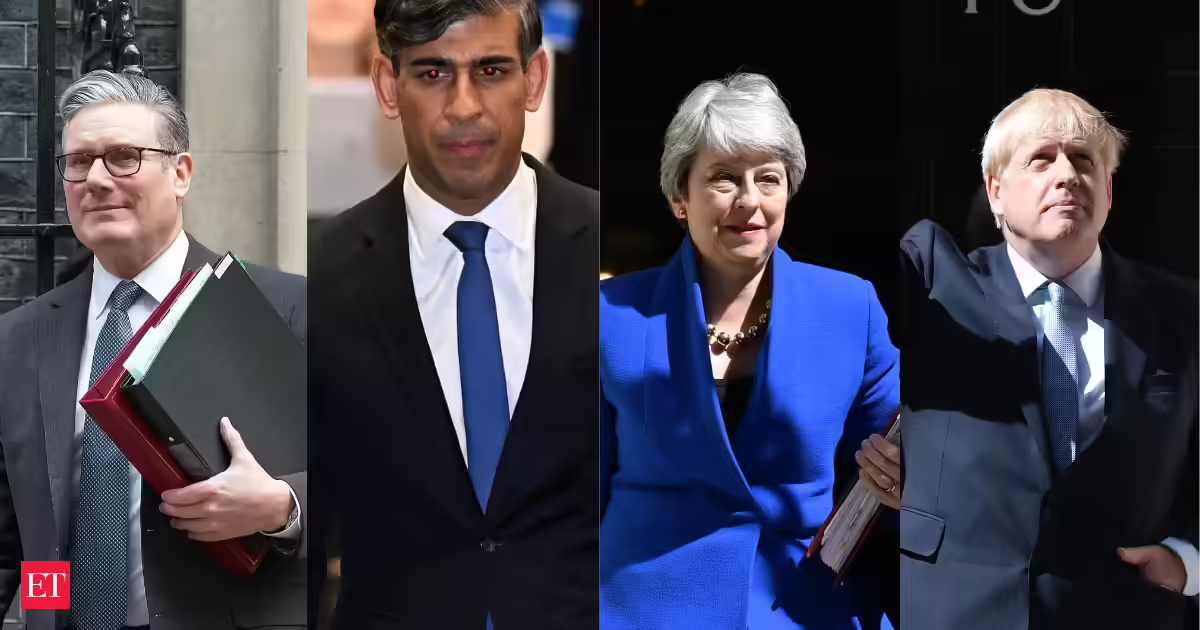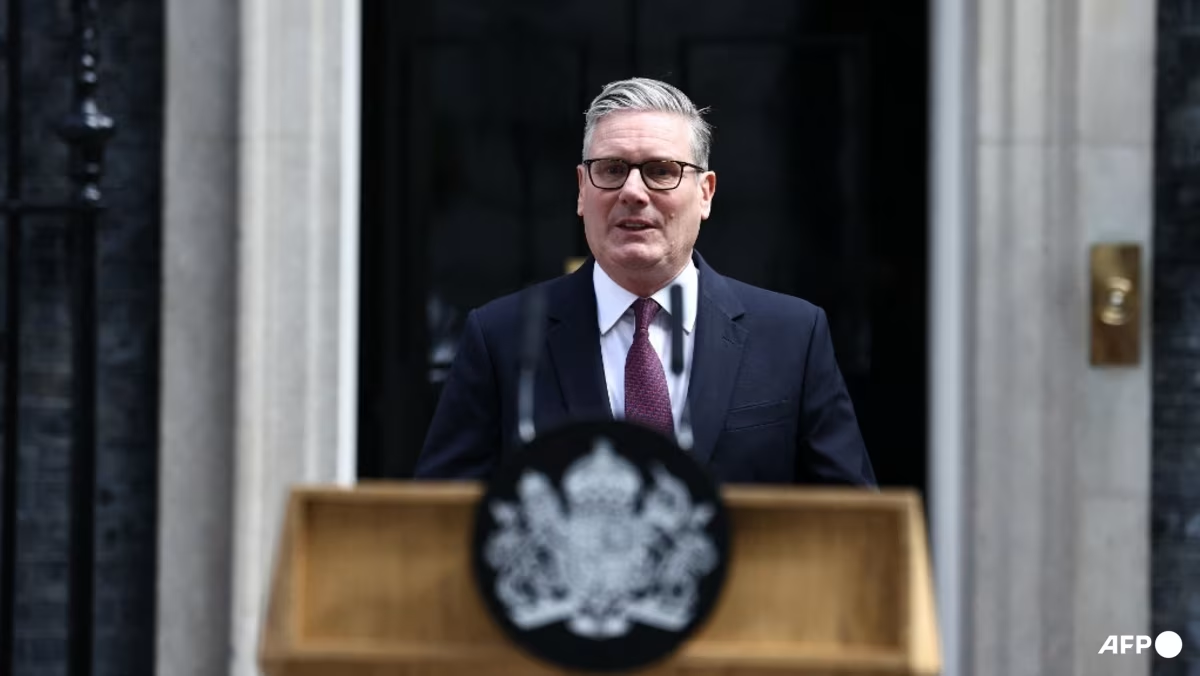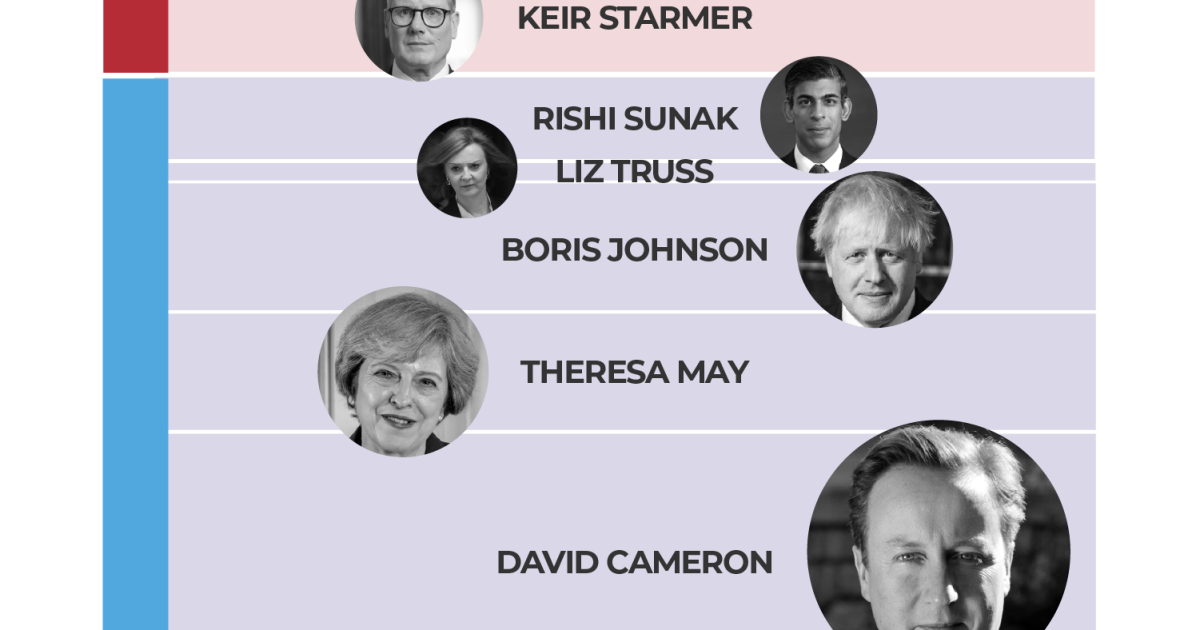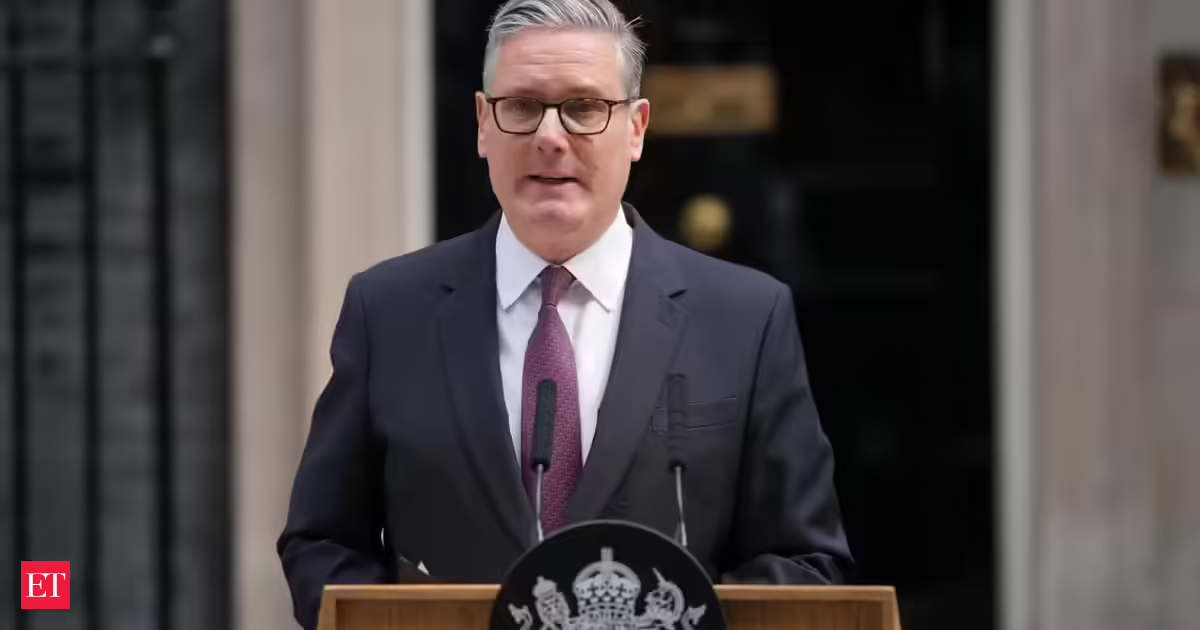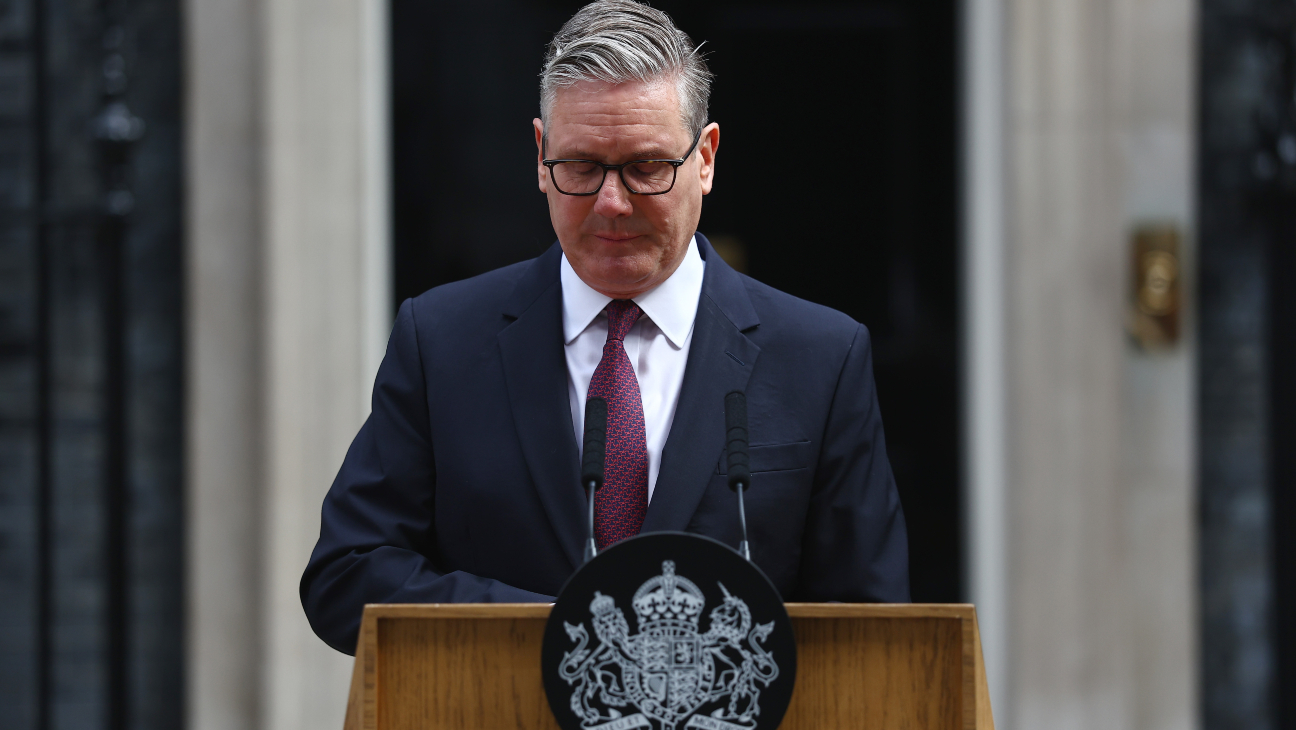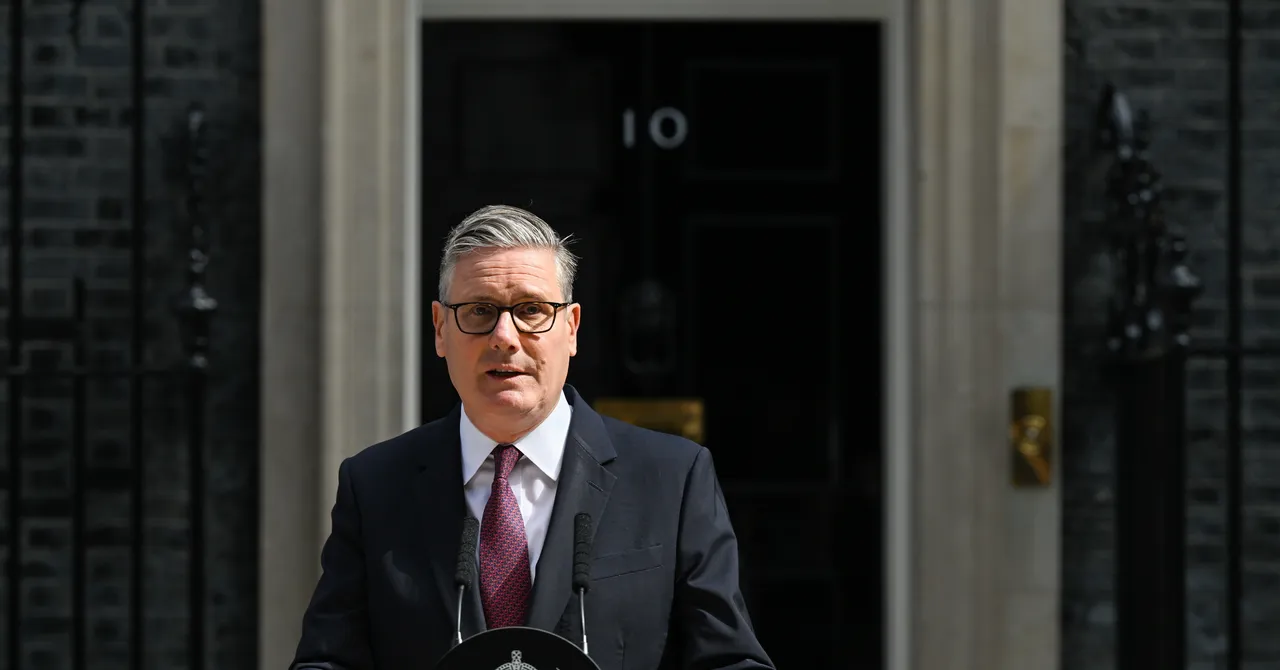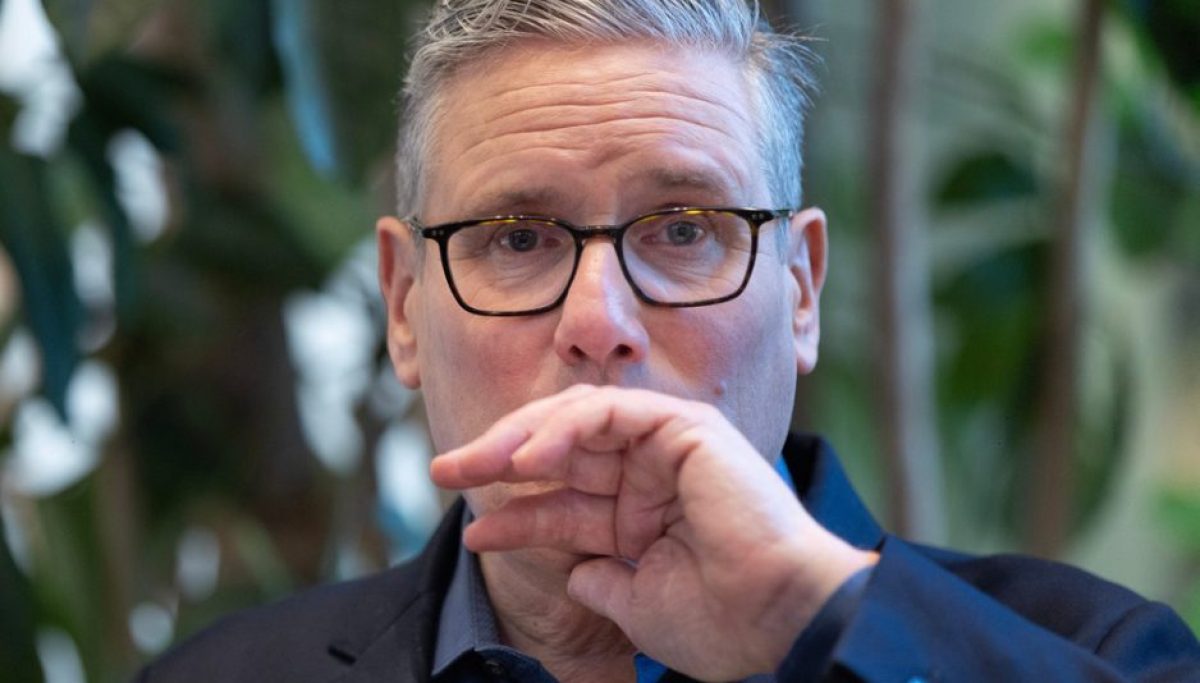
British Prime Minister Keir Starmer followed in the footsteps of five predecessors to hand in his resignation on Monday, capping off a politically volatile decade for the island monarchy. Starmer, who was prime minister for 717 days, resigned after his Labour Party performed poorly in recent elections, and the country soured on his inability to bring Britain out of economic stagnation, among other issues. The announcement will pave the way for the country’s seventh leader in a decade, as Starmer becomes the sixth prime minister to leave 10 Downing Street since 2016.
David Cameron: 2,255 days
The longest-serving leader of the bunch, David Cameron, held office from 2010 to 2016.He resigned in June 2016 due to opposition to Brexit, which passed via a referendum that withdrew the country from the European Union. After the results trickled in, Cameron said, “I do not think it would be right for me to be the captain that steers our country to its next destination.” Theresa May: 1,106 days
Theresa May served from 2016 to 2019 and was eventually ousted amid controversy for how she sought to implement the Brexit verdict that Cameron sparked. Although the referendum passed, the United Kingdom needed to pass legislation to withdraw from the EU. May negotiated an exit agreement with the EU, only to see it rejected by Parliament three times.She announced in May 2019 that she would step aside as Conservative Party leader after failing to take Britain out of the EU on the scheduled deadline of March 29. “I have done my best to do that.… But it is now clear to me that it is in the best interests of the country for a new prime minister to lead that effort,” she said.Boris Johnson: 1,140 days