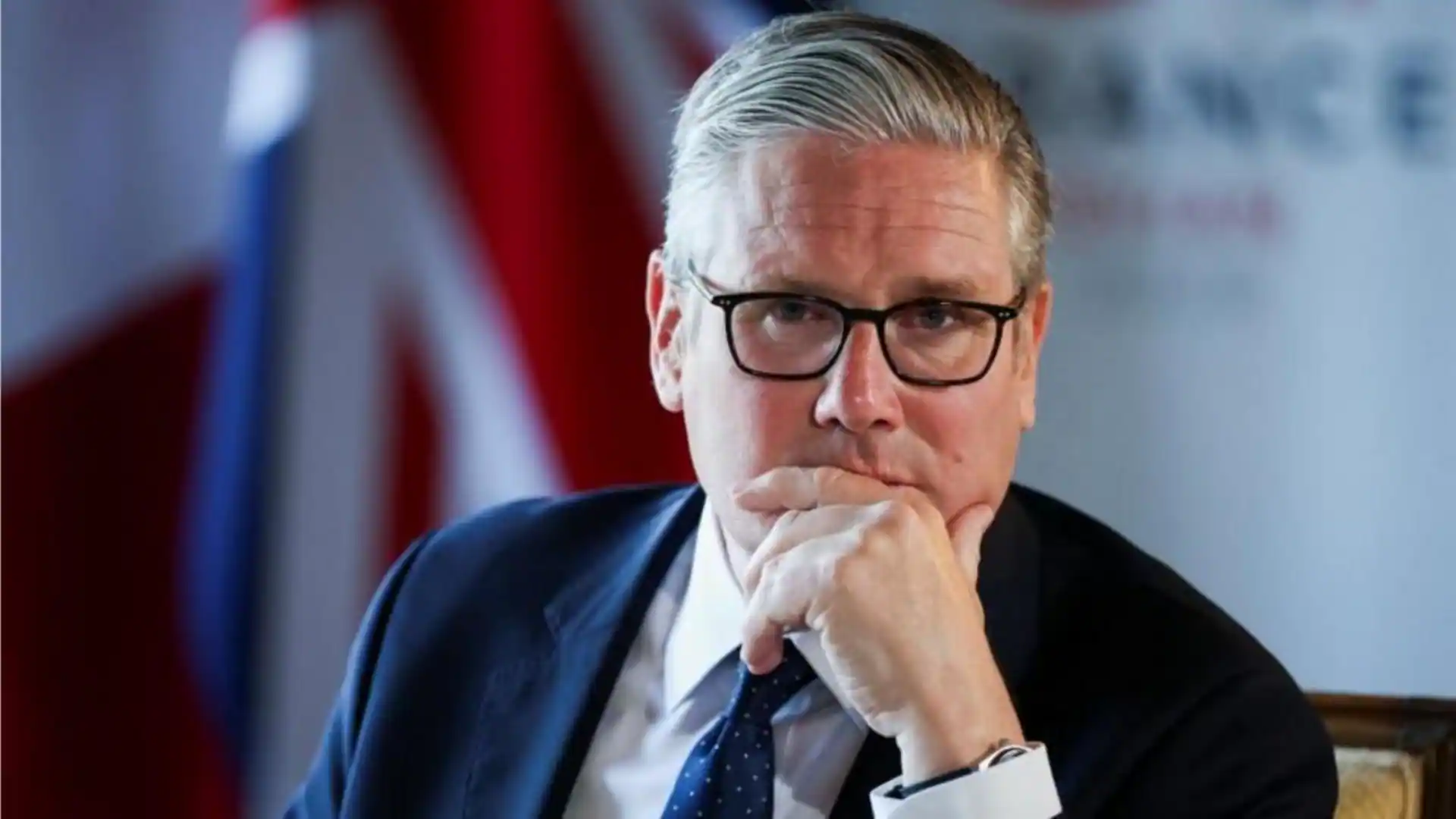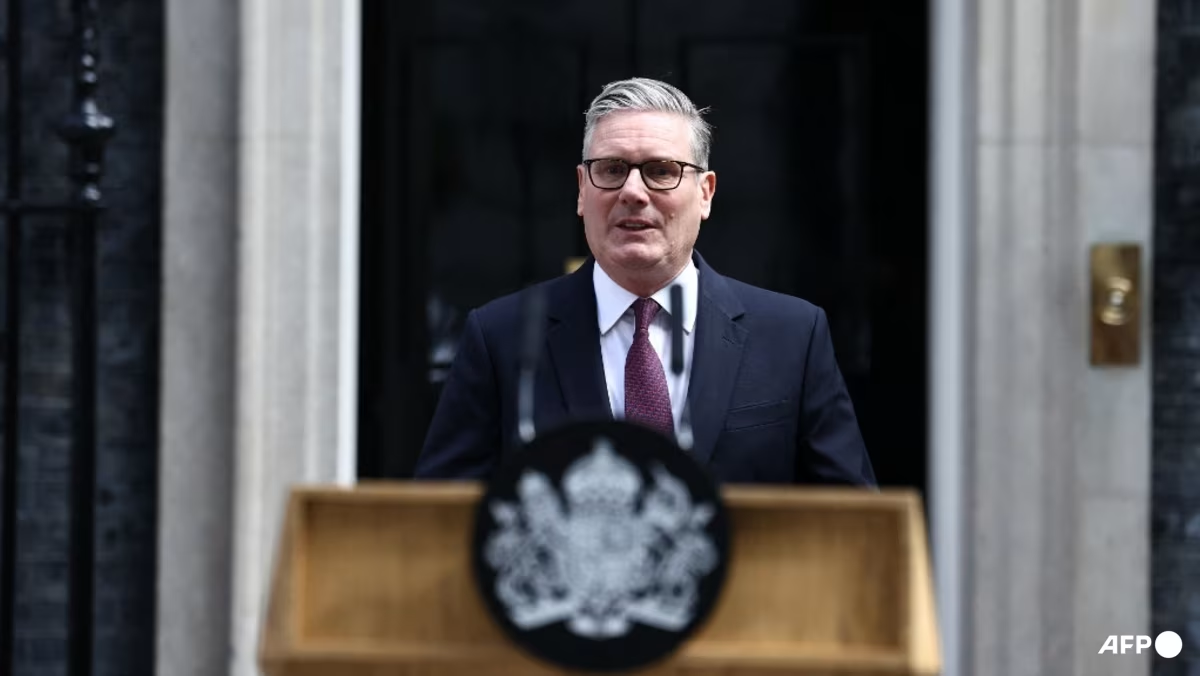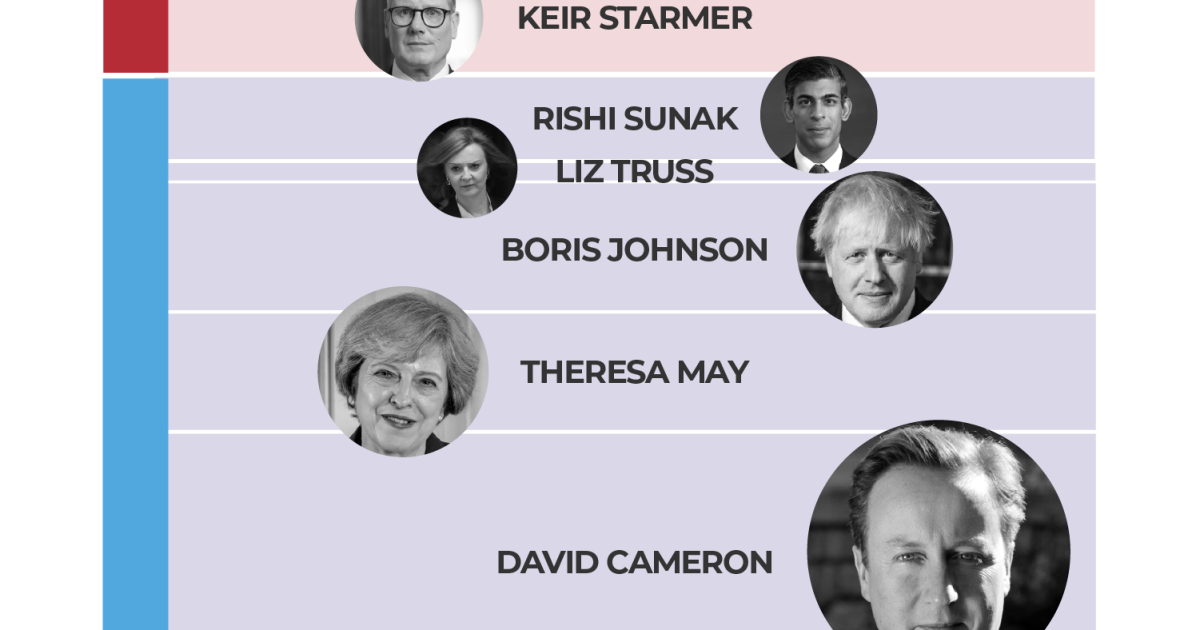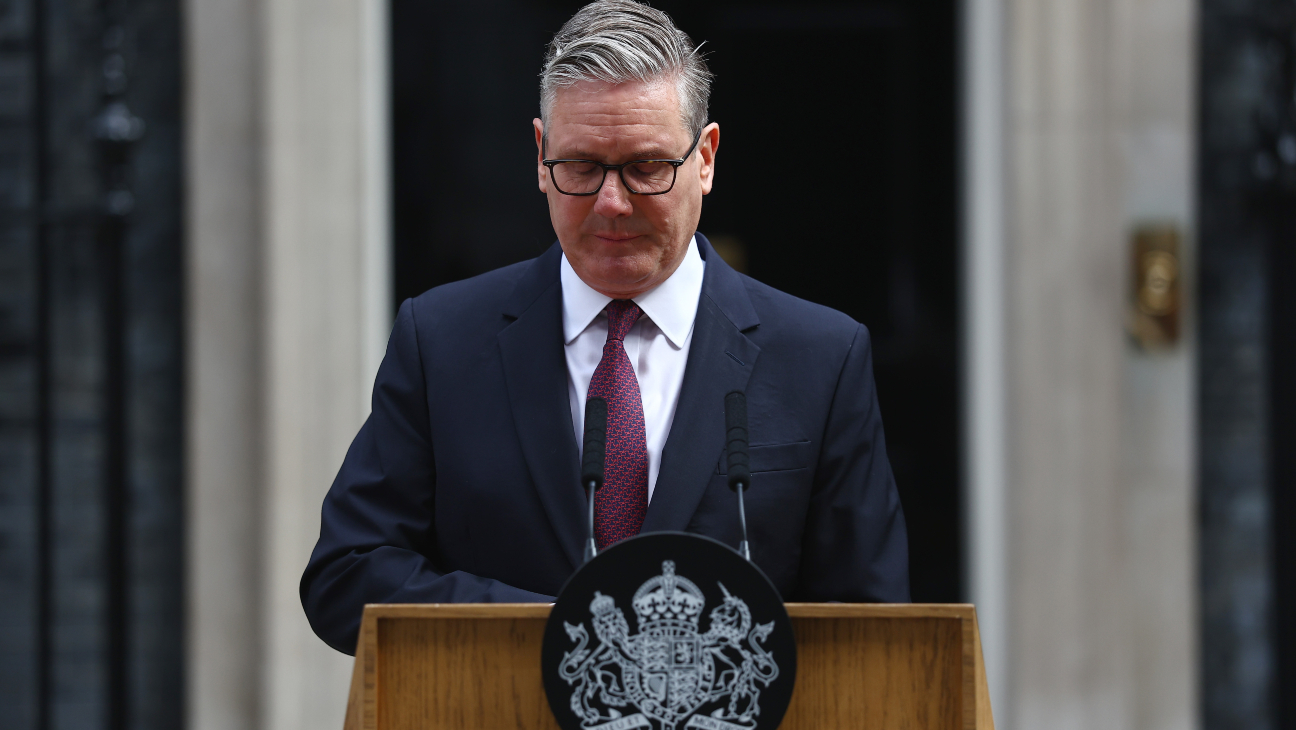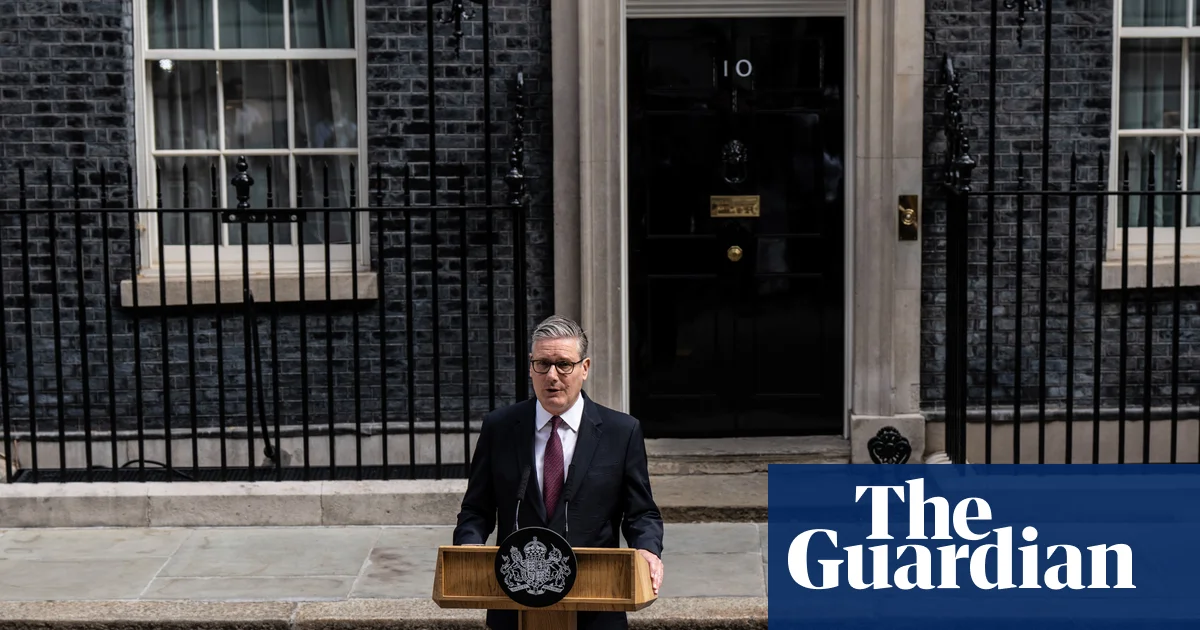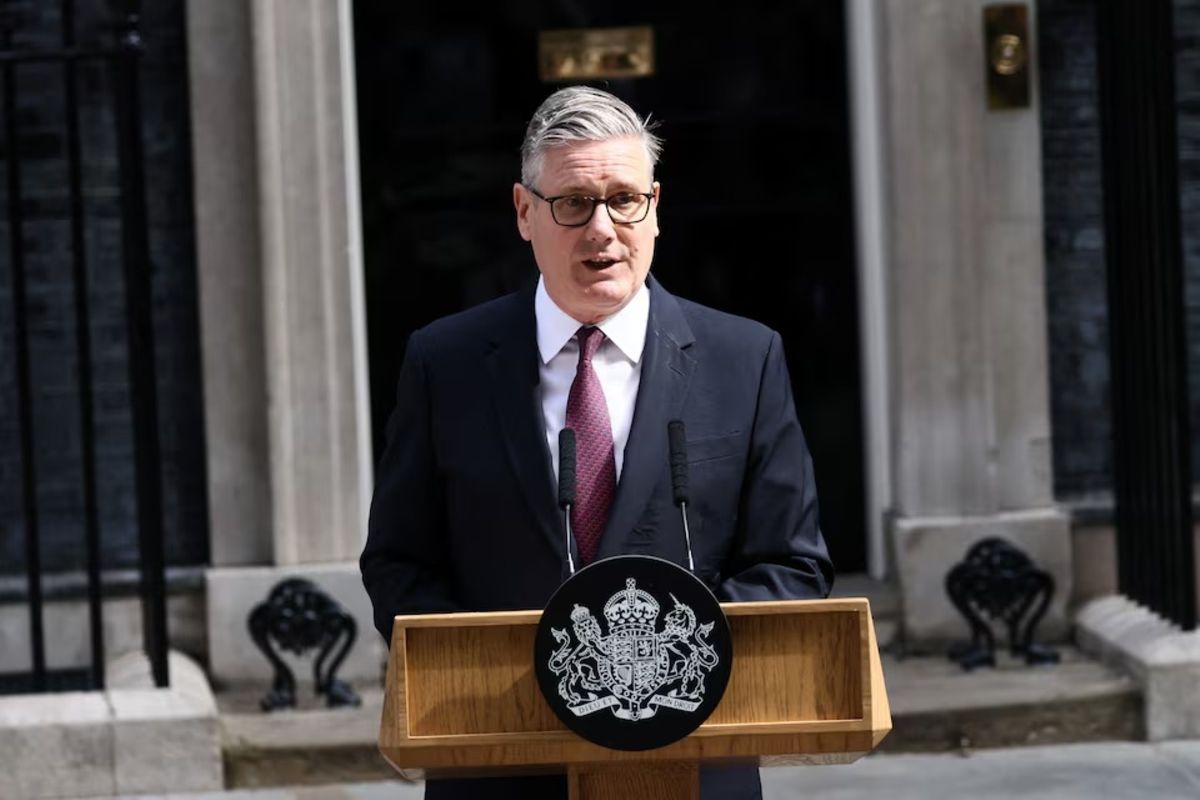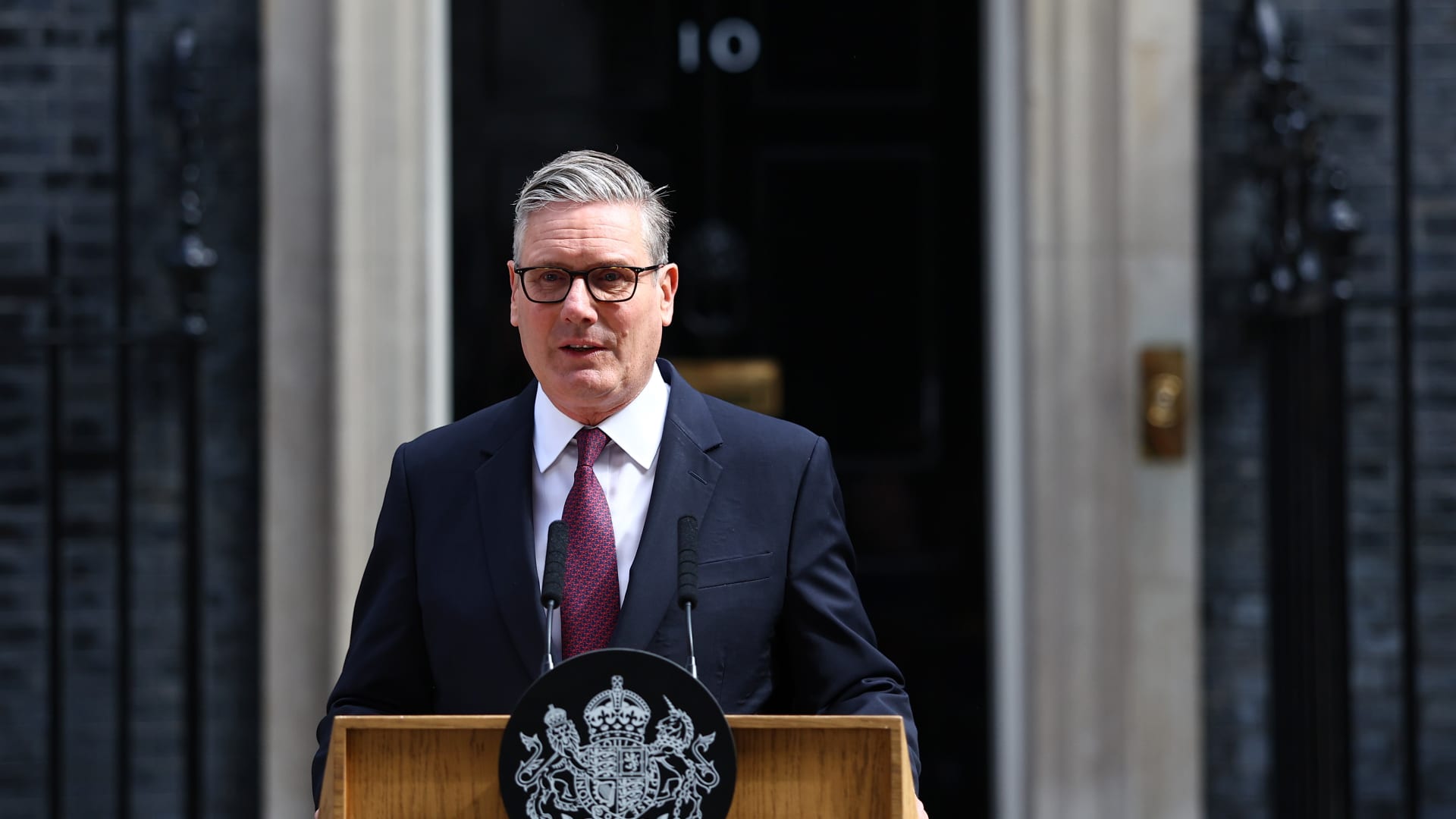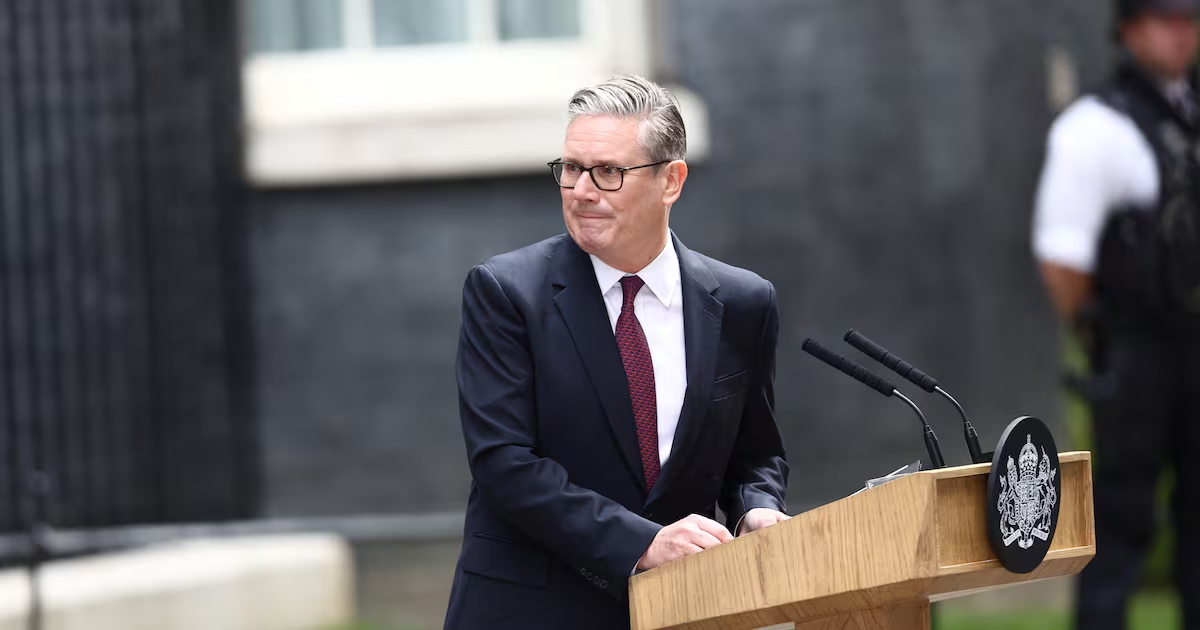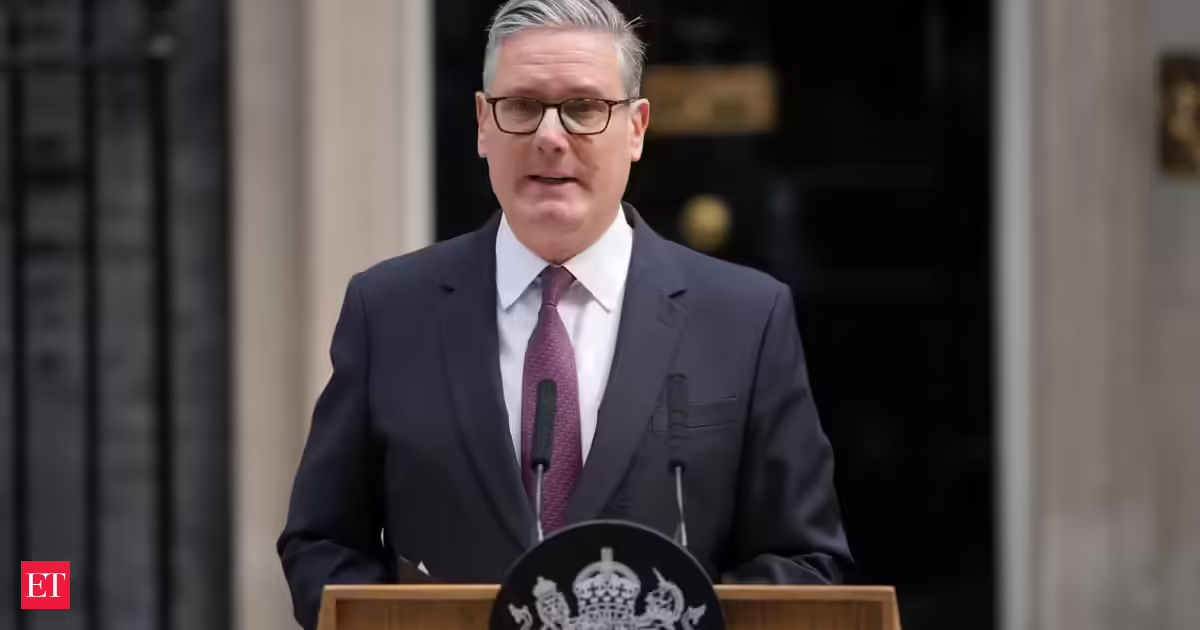
SynopsisUK Prime Minister Keir Starmer has resigned amid growing pressure within the Labour Party, becoming the sixth British prime minister to leave office in less than a decade. Labour will begin a leadership contest on July 9, with a new leader expected before Parliament returns in September, triggering political uncertainty.APKeir Starmer resigns as UK PM UK Prime Minister Keir Starmer has announced his resignation after coming under growing pressure from within the Labour Party, becoming the sixth British prime minister to leave office in less than a decade. His departure triggers a leadership contest that will determine both Labour's next leader and the UK's next prime minister ahead of Parliament's return in September. Announcing his decision, Starmer said questions about his leadership had become impossible to ignore. "I know the question being asked now is who is best placed to take Labour forward. The question my party is asking is whether I am the right person to lead Labour into the next election. Over recent weeks, I have listened carefully to colleagues across the party. I have heard their concerns and I accept their judgment.Also Read| Keir Starmer steps down as Labour Party leader, says will remain UK PM until successor chosen "Every decision I have taken as prime minister has been guided by one principle — putting the country first. It is because of that belief that I have decided to resign as leader of the Labour Party and as prime minister. "This morning, I informed His Majesty the King of my decision. I have also asked Labour's National Executive Committee to begin the process of electing a new leader, so that a successor is in place before Parliament returns in September. "I will give my full support to whoever succeeds me. They will inherit a stronger Britain and I am confident they can lead Labour into a second term in government. I also want to thank my colleagues, supporters and everyone who has worked alongside me throughout this journey." In an emotional conclusion, Starmer thanked his wife Victoria and their children. "When I leave the biggest job in the country, I will have more time for the most important job — being the best husband I can be to my wife Vic and the best father I can be to my children. They are my pride and joy, and I am grateful for their love and support through every challenge."What happens next? The immediate focus now shifts to Labour's leadership contest. Labour's National Executive Committee (NEC), the party's governing body, will formally oversee the process. According to the timetable announced by the party, nominations for candidates will open on July 9 and close on July 16, just before Parliament breaks for its summer recess. Potential contenders will need to secure the required backing from Labour MPs and party affiliates before entering the race. If only one candidate qualifies, that person could be declared leader unopposed. However, if multiple candidates secure enough support, the contest will move to a vote involving Labour members.Also Read| Britain's revolving door: The fall of six prime ministers in a decade of political upheaval The party wants the process completed before Parliament reconvenes in September. Until then, Starmer is expected to remain in office in a caretaker capacity to ensure continuity in government and avoid a leadership vacuum. Because Labour currently commands a parliamentary majority, the next Labour leader would automatically become prime minister without the need for a general election. Once the leadership result is confirmed, the winner would travel to Buckingham Palace and be invited by the King to form a government. The contest is expected to draw significant attention, particularly after Labour rival Andy Burnham strengthened his standing within the party by winning a parliamentary seat. His emergence has fuelled speculation over who could take over the leadership and shape Labour's direction ahead of the next general election.Read More News on
Starmer becomes sixth UK PM to quit in less than 10 years. What happens next?
UK Prime Minister Keir Starmer has resigned amid growing pressure within the Labour Party, becoming the sixth British prime minister to leave office in less than a decade. Labour will begin a leadership contest on July 9, with a new leader expected before Parliament returns in September, triggering political uncertainty.
650 words~3 min read