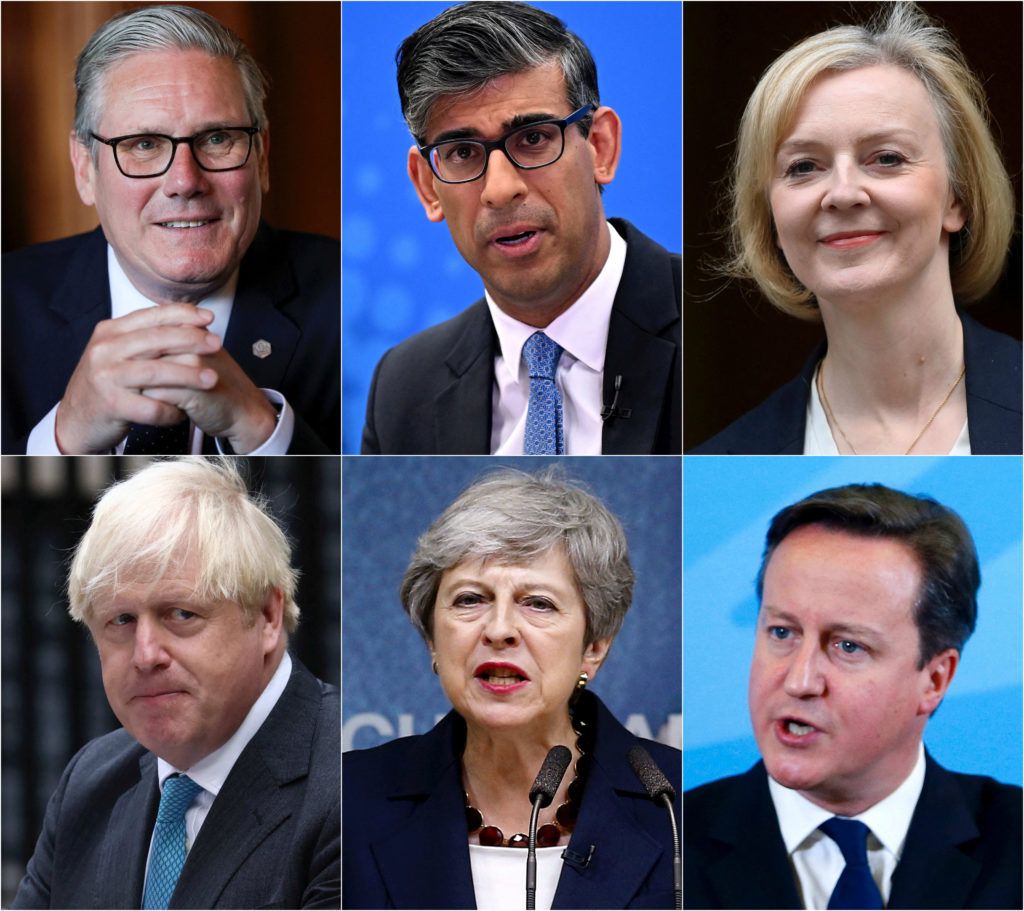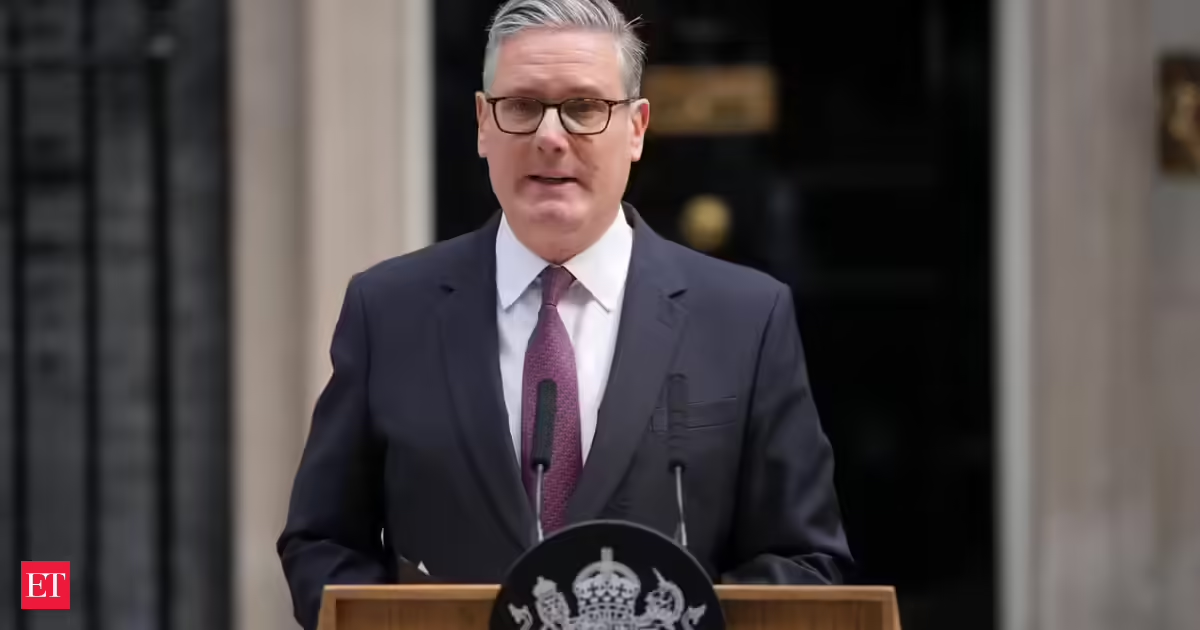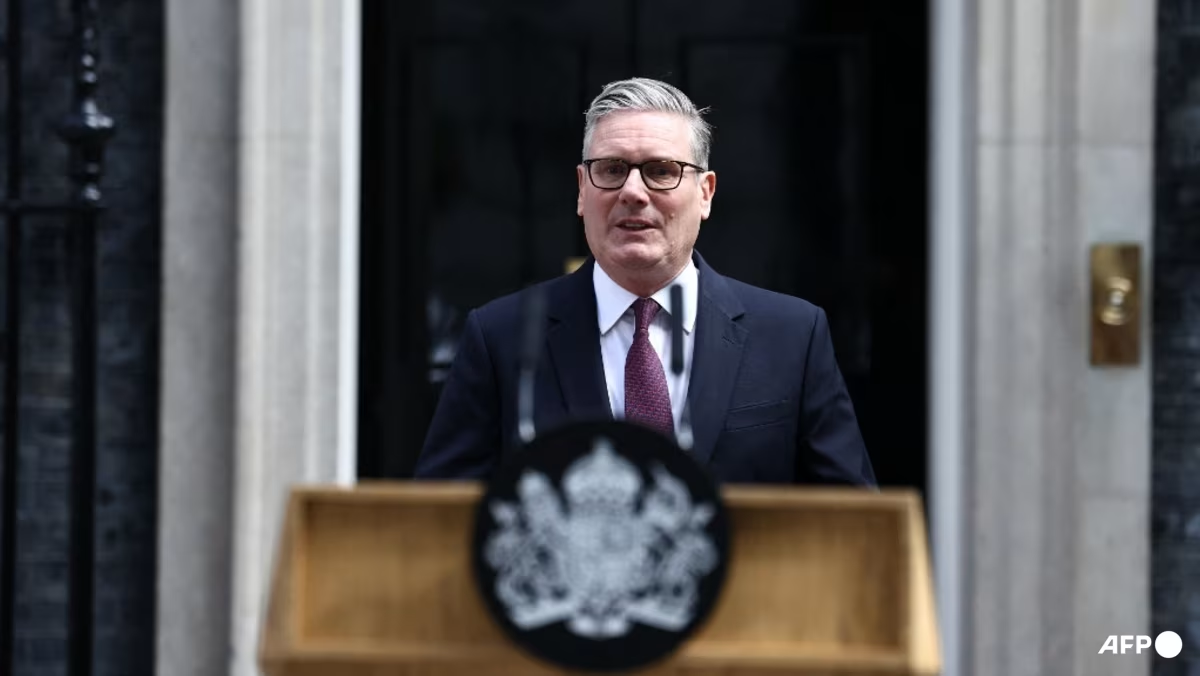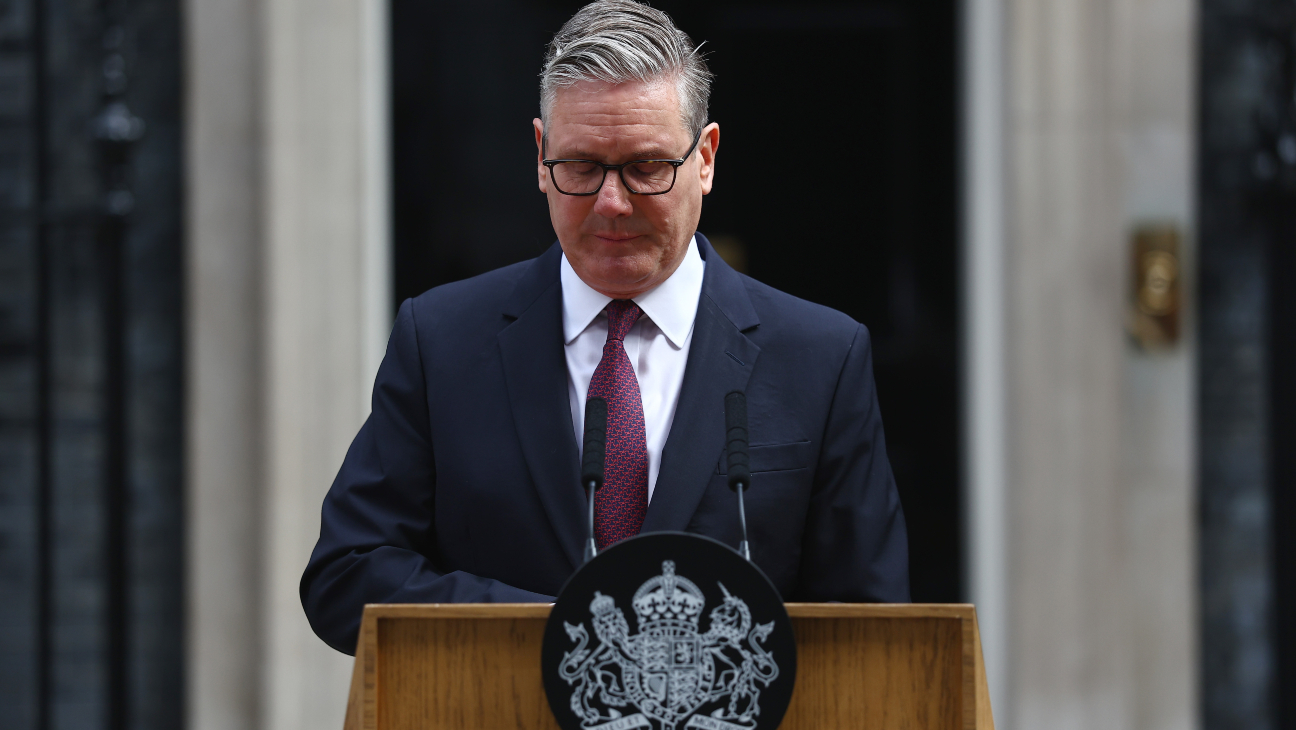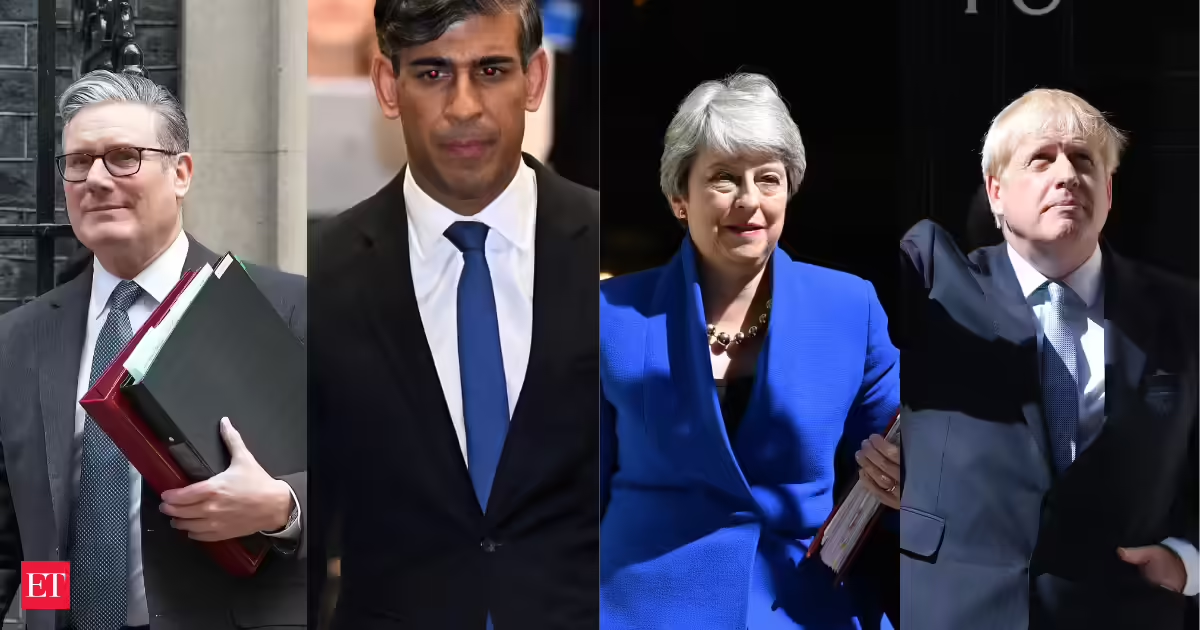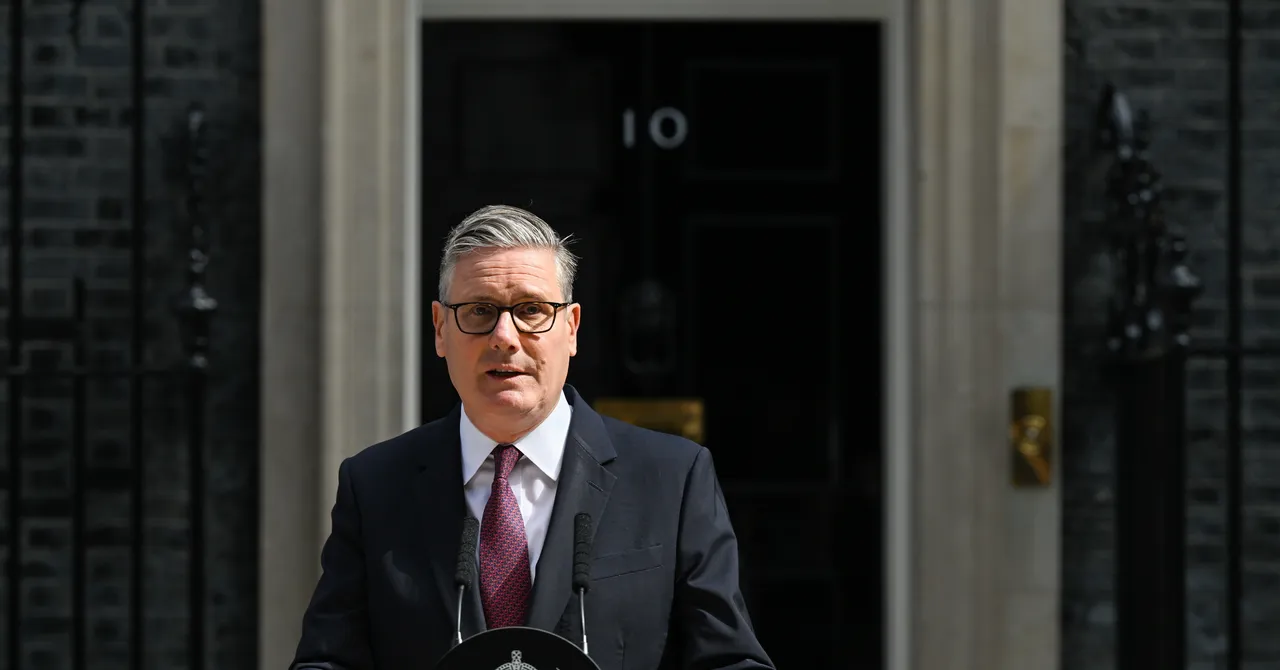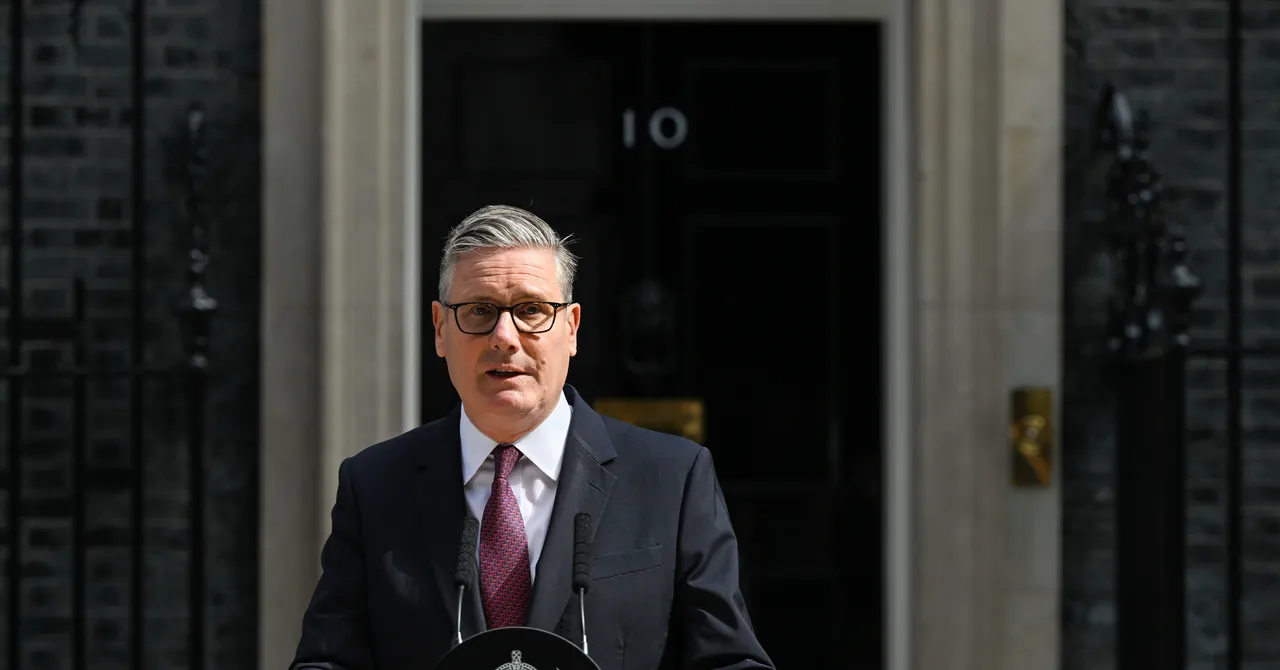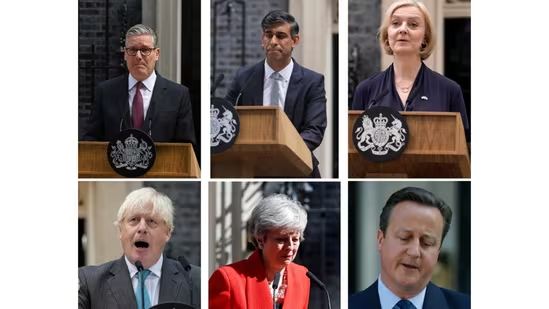
LONDON (AP) — When British Prime Minister Keir Starmer said Monday he is stepping down, he became the sixth person to stand in front of No. 10 Downing Street to make a farewell speech in a turbulent decade of U.K. politics. Starmer had pledged to bring stability, grow the economy and end years of political chaos under the Conservative Party when he was elected in 2024 in a landslide victory for his Labour Party.Barely two years later, Starmer was forced to step down after his popularity plummeted and his government struggled to deliver on his promise to “rebuild Britain.” A look at the quick succession of British prime ministers since 2016:
David Cameron (2010 to 2016)Cameron, who won an election majority in 2015, announced his resignation in June 2016 — a day after British voters voted to leave the European Union in a pivotal referendum that he had campaigned hard against. It was Cameron who called the referendum in a bid to quell longstanding party quarrels over Britain’s relationship with Europe.
Theresa May (2016 to 2019)May served from 2016 to May 2019, when she ended a failed three-year quest to lead Britain out of the European Union.While May successfully struck a divorce deal with the EU, her fellow Conservative Party members refused to accept the deal. Her proposal was defeated three times in Parliament, rejected both by pro-EU opposition lawmakers and by Brexit-supporting Conservatives who thought it kept Britain too closely bound to the bloc.“I have done my best,” May said at the time.