When it comes to AI, much has been made of its democratizing potential. Many proponents believe that access to affordable models will act as a leveler, allowing smaller enterprises to innovate, test, and gain insights in ways previously that were previously much more challenging.
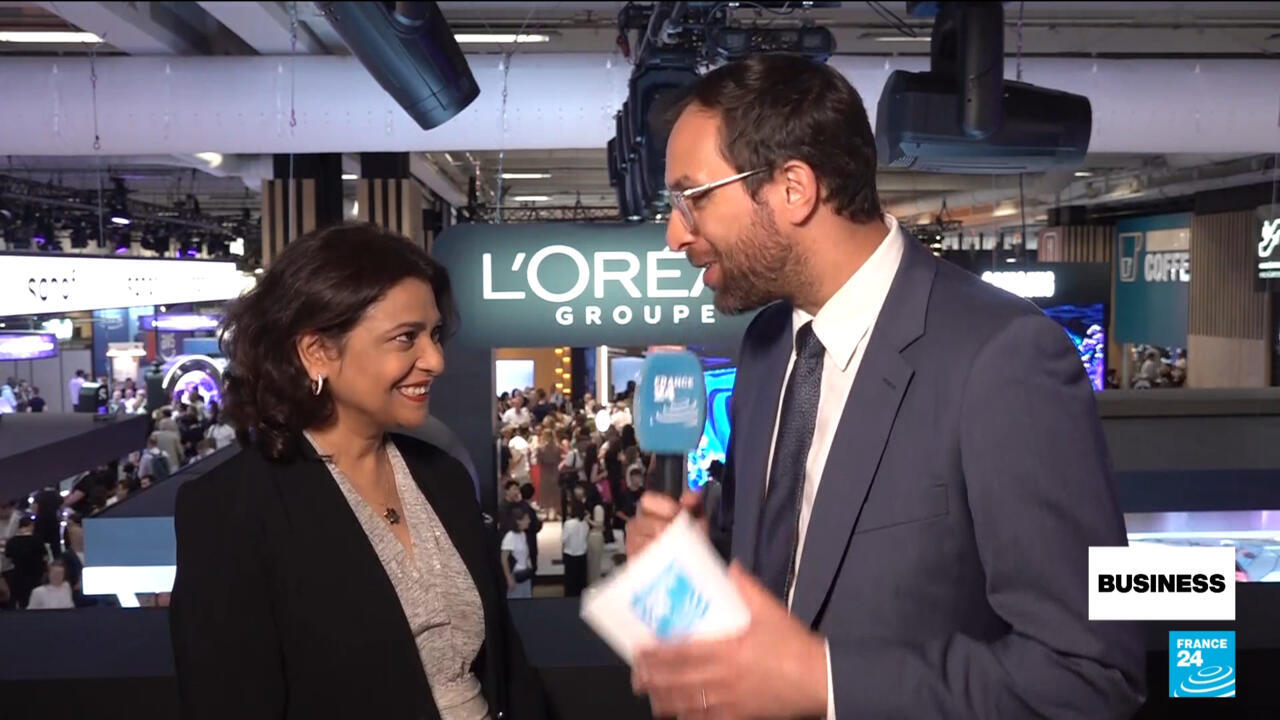
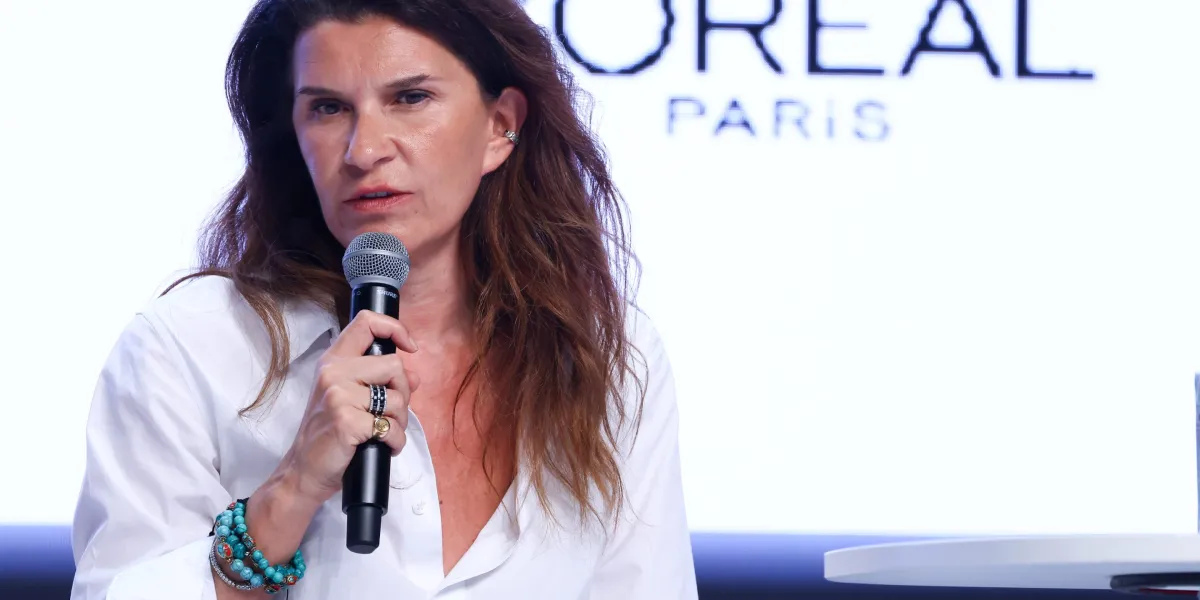
But, according to Delphine Viguier-Hovasse, chief innovation and prospective officer at L’Oréal, the reality may be more complicated. “We operate in a buoyant beauty market because it has never been easier to create a new brand,” she says. “You have AI inventing images and brand names, vendors providing formulas and molecules at a very fast pace—but you also have a lot of brands dying. Every two years you have a new brand and then it disappears.”
Contrary to the prevailing wisdom, Viguier-Hovasse says, “AI is fantastic for old companies.” As the executive responsible for innovation at a company which has been defining and redefining the beauty market for nearly 120 years, she knows what she’s talking about.
Innovation is a system, not a mindset
Despite its age, L’Oréal is routinely celebrated for its groundbreaking innovations—it has registered 725 patents and placed sixth on Fortune’s 2026 list of Europe’s Most Innovative Companies. This ability to consistently innovate relies less on speed and more on the decades of accumulated knowledge and the organizational structure to turn these insights into innovations customers want.