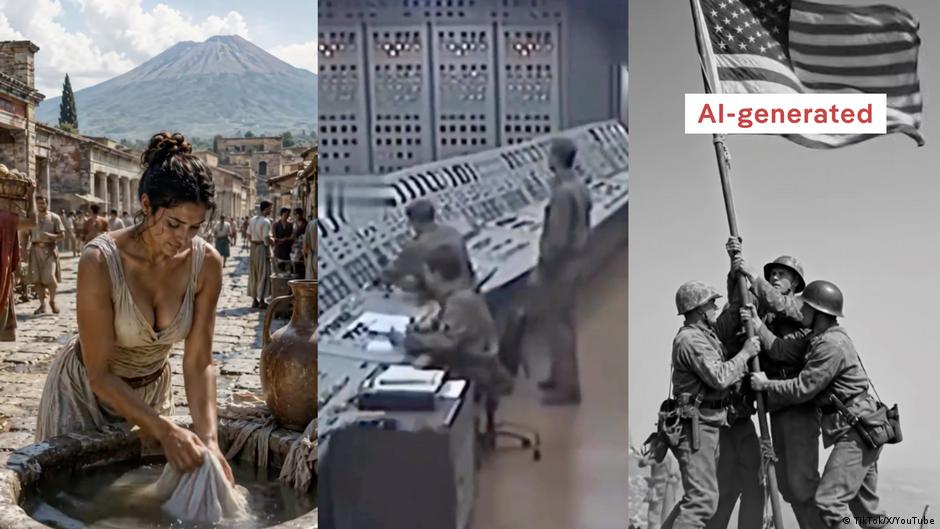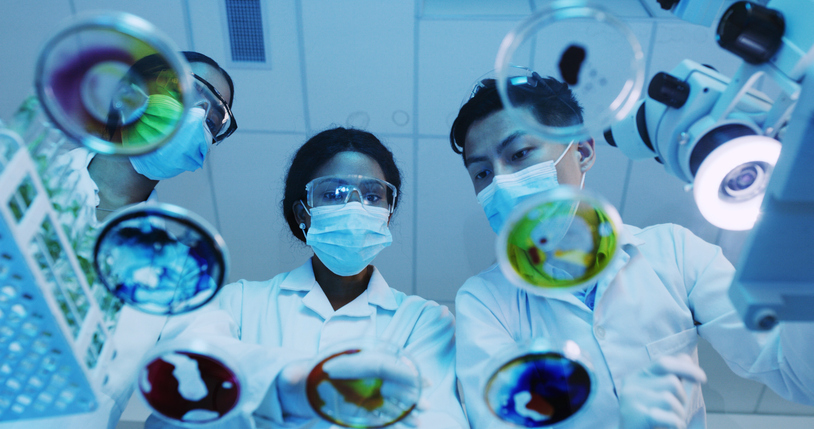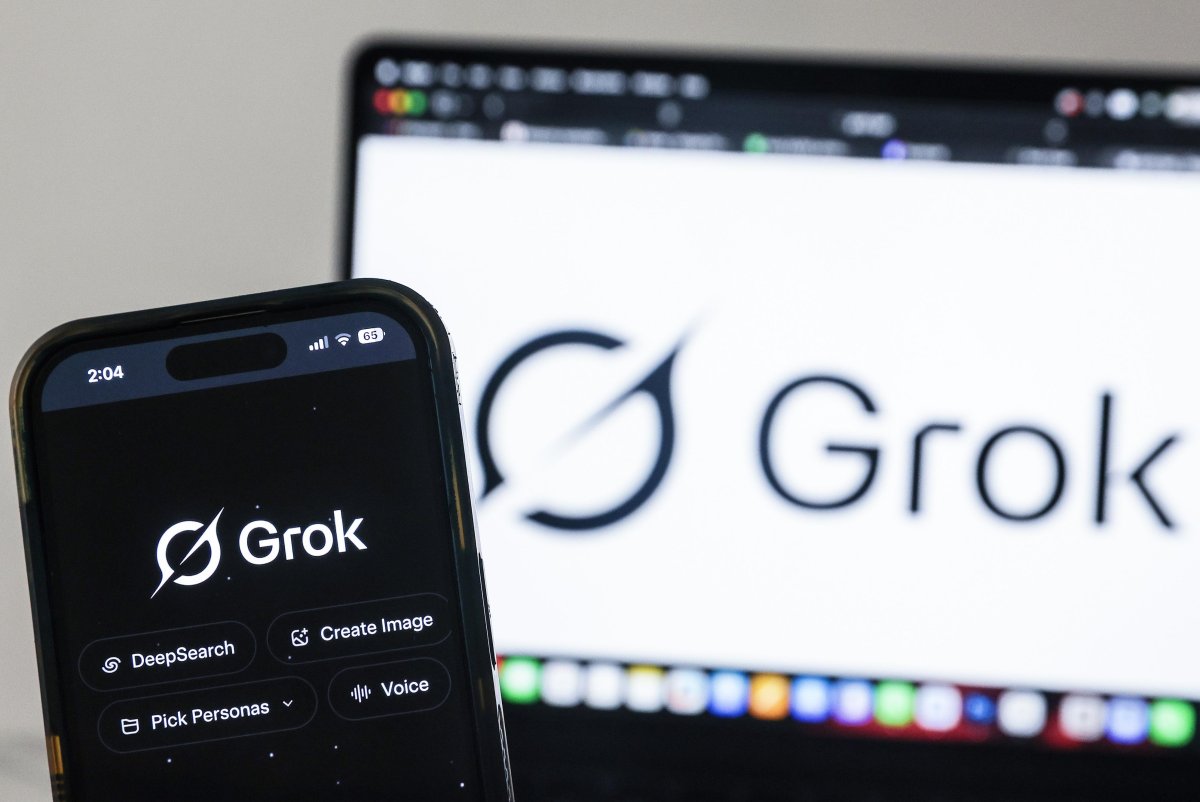
Images generated by AI, such as Grok, have appeared in scientific journals. File Photo by Fazry Ismail/EPA
A photograph of Earth glowing in deep space, the Moon's cratered horizon stretching across its foreground, caught many people's eyes in April 2026. Astronauts captured the image while aboard NASA's Artemis II mission, and like the famous Apollo 8 "Earthrise" image, the picture felt instantly real and inspiring for many.
But when almost anyone can fabricate a visually similar image in seconds from a text prompt using artificial intelligence, how do people decide which image is real?
The proliferation of AI-generated science images in public spaces is not simply a misinformation problem. As a researcher who studies visual science communication and public trust, I believe it also contributes to a crisis of trust in science in the age of AI, and the tools scientists have long relied on to establish visual credibility are losing their grip.
AI-generated images infiltrate science