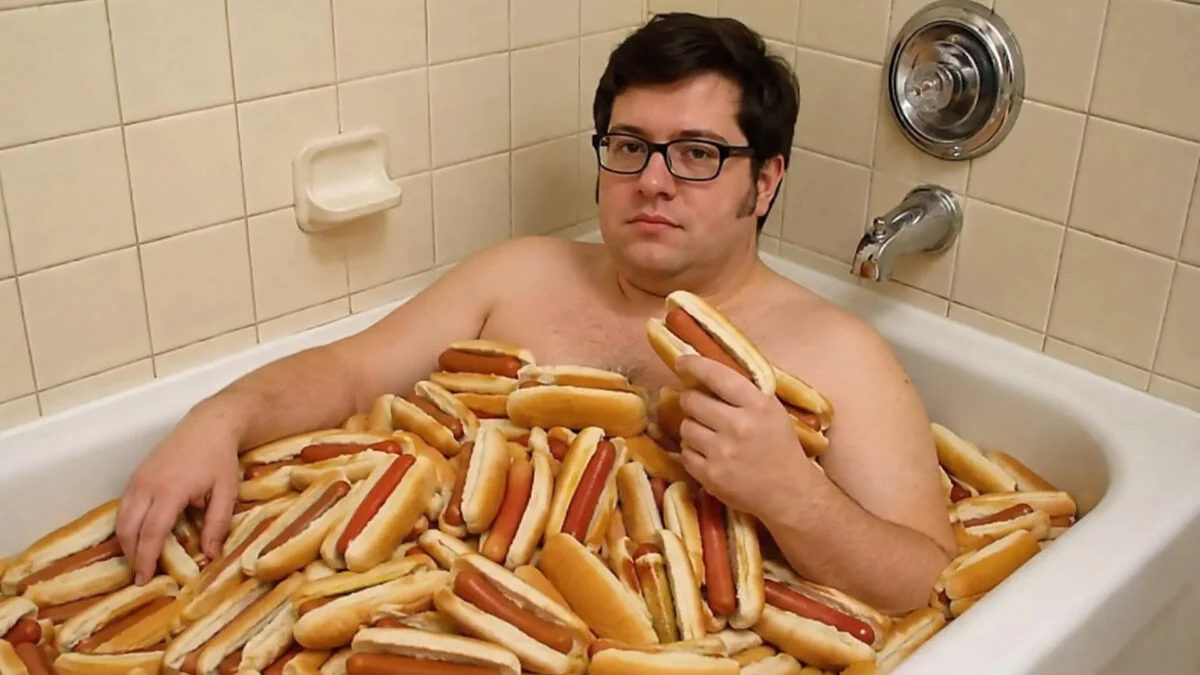
Research sleuths are turning to new tools to tackle the growing problem of artificial intelligence-generated or forged images in scientific publications, which has emerged as a major form of academic misconduct in recent years.
But experts have warned that while detectors can help, they are struggling to keep up with the scale and complexity of the problem.
Elisabeth Bik, a microbiologist and science integrity consultant, told Times Higher Education that she is “very worried” about what generative AI could mean for the future of scientific research because of its capacity to produce datasets and photos “that look absolutely convincing”.
Bik previously identified image duplication by eye, but now she uses AI-enabled software tools, ImageTwin and Proofig, for observing pattern recognition.
Both tools scan PDFs or images from scientific papers and compare them against a database of millions of other published photos to detect if images have been reused or if there are duplicating elements.