Non-communicable diseases (NCDs) account for 29% of deaths in Nigeria and place a heavy burden on the country's health systems, according to the World Health Organization (WHO). Leading experts warn that NCDs are quietly becoming a major health concern, particularly in cities where ultra-processed foods high in salt, unhealthy fats, and sugar have become increasingly common.
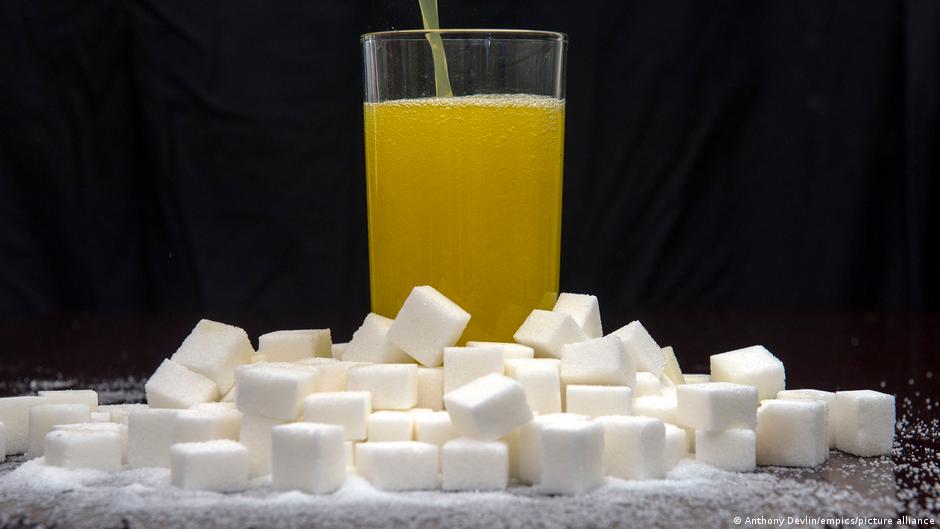
Approximately 11 million Nigerians are living with diabetes, but millions more are likely undiagnosed. The country currently ranks among the leading African countries in terms of prevalence. In 2022, the Nigerian government introduced a tax on sugar-sweetened beverages (SSB)to curb the rising cases of diabetes and other diet-related non-communicable diseases (NCDs).
The tax, at 10 Naira ($0.65, €0.57 cents) per liter, was expected to discourage excessive sugar consumption while generating revenue for healthcare. But four years later, public health advocates and economists say the levy has become too weak to influence consumer behavior and change health outcomes. As Nigeria's inflation" soars and drives up the cost of goods, it raises questions about whether the country's SSB tax is functioning as an effective health policy.