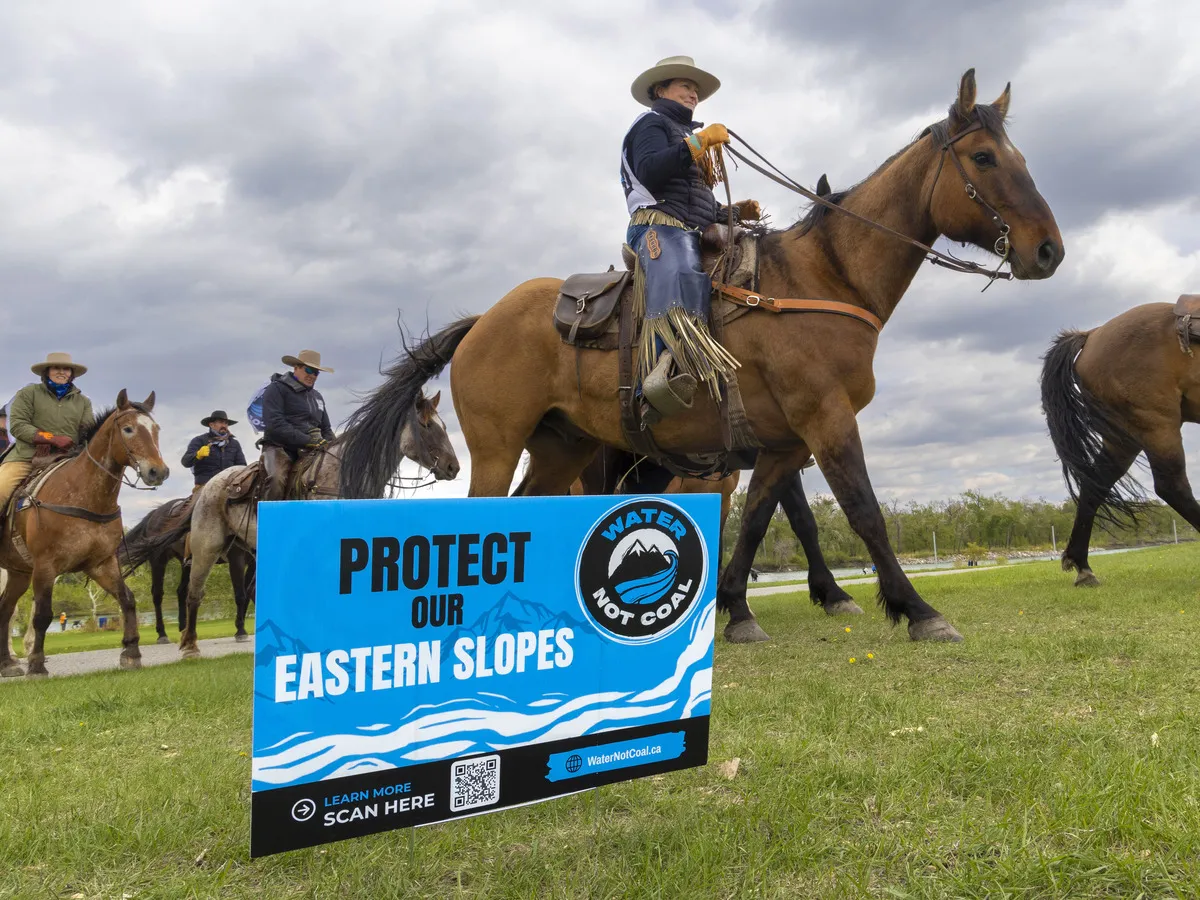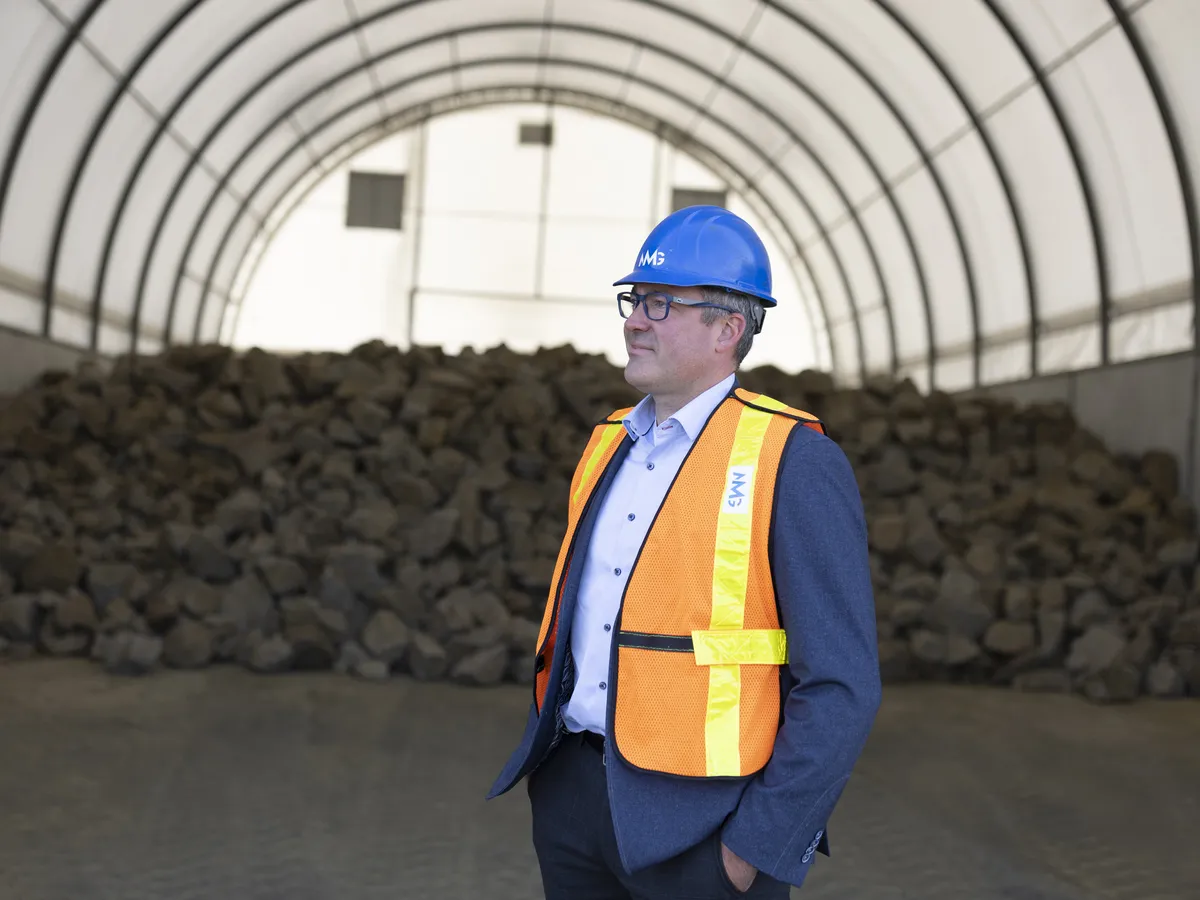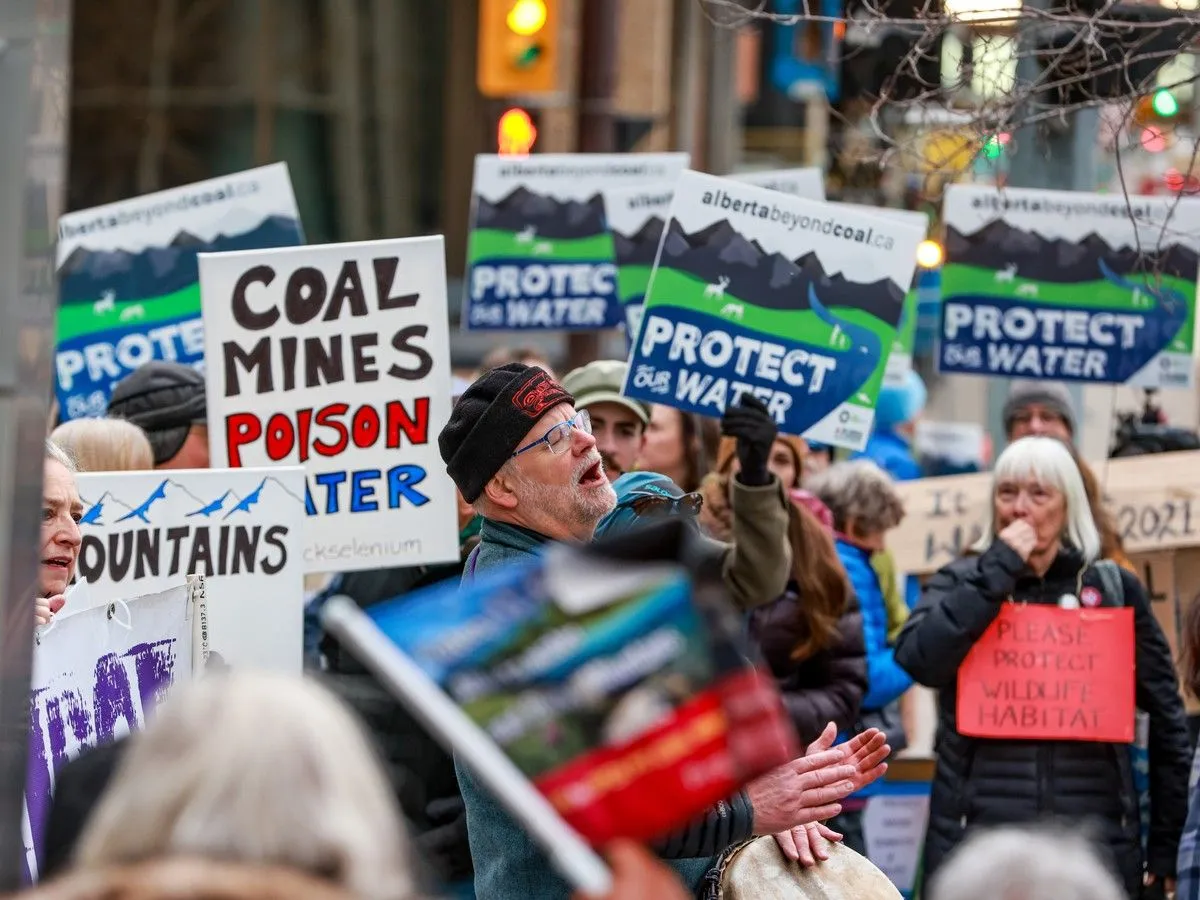
Skip to Content News Archives Economy Energy Oil & Gas Renewables Electric Vehicles Mining Commodities Agriculture Real Estate Mortgages Mortgage Rates Finance Banking Insurance Fintech Cryptocurrency Work Wealth Smart Money Wealth Management Investor Personal Finance Family Finance Retirement Taxes High Net Worth FP Comment Executive Women Puzzmo Newsletters Financial Times Business Essentials More Innovation Information Technology FP500 Podcasts Small Business Lives Told Tails Told Shopping Financial Post Store Obituaries Place a Notice Advertising Advertising With Us Advertising Solutions Postmedia Ad Manager Sponsorship Requests Classifieds Place a Classifieds ad Working Profile Settings My Subscriptions Saved Articles My Offers Newsletters Customer Service FAQ News Economy Energy Mining Real Estate Finance Work Wealth Investor FP Comment Executive Women Puzzmo Newsletters Financial Times Business Essentials HomeMiningMine owned by Australian billionaire touts new bid for Alberta coal project, despite oppositionNorthback cites economic benefits of its divisive Grassy Mountain coal proposal. 200,000 petition signers say noLast updated 3 hours ago You can save this article by registering for free here. Or sign-in if you have an account.About 150 Albertans protested the proposed Grassy Mountain Coal Mine outside the Alberta Energy Regulator office in downtown Calgary office on Jan. 14, 2025. Photo by Gavin Young/PostmediaThe company behind a proposed coal mine in the Eastern Slopes of the Canadian Rockies is making an economic case for the project, just days after enough Albertans signed a petition that could ban mining there for good.Subscribe now to read the latest news in your city and across Canada.Exclusive articles from Barbara Shecter, Joe O'Connor, Gabriel Friedman, and others.Daily content from Financial Times, the world's leading global business publication.Unlimited online access to read articles from Financial Post, National Post and 15 news sites across Canada with one account.National Post ePaper, an electronic replica of the print edition to view on any device, share and comment on.Daily puzzles, including the New York Times Crossword.Subscribe now to read the latest news in your city and across Canada.Exclusive articles from Barbara Shecter, Joe O'Connor, Gabriel Friedman and others.Daily content from Financial Times, the world's leading global business publication.Unlimited online access to read articles from Financial Post, National Post and 15 news sites across Canada with one account.National Post ePaper, an electronic replica of the print edition to view on any device, share and comment on.Daily puzzles, including the New York Times Crossword.Create an account or sign in to continue with your reading experience.Access articles from across Canada with one account.Share your thoughts and join the conversation in the comments.Enjoy additional articles per month.Get email updates from your favourite authors.Create an account or sign in to continue with your reading experience.Access articles from across Canada with one accountShare your thoughts and join the conversation in the commentsEnjoy additional articles per monthGet email updates from your favourite authorsSign In or Create an AccountorA report commissioned by Northback Holdings Corp., a unit of Australian billionaire Gina Rinehart’s Hancock Prospecting Pty Ltd., says the company’s revised Grassy Mountain mine would generate around $2.2 billion for the province’s coffers over a 26-year lifespan.“When you look at the benefits of the project (in) a place like Crowsnest Pass, it’ll be significant,” Mike Young, Northback’s chief executive, said in an interview.SUBSCRIBER EXCLUSIVE: FP West: Energy Insider brings you behind the oilpatch’s closed doors with exclusive insights from insiders every Wednesday morning.By signing up you consent to receive the above newsletter from Postmedia Network Inc.A welcome email is on its way. If you don't see it, please check your junk folder.The next issue of FP West: Energy Insider will soon be in your inbox.We encountered an issue signing you up. Please try againThe report forecasts a $7.1-billion boost to Alberta’s annual GDP from the project. It claims that an estimated average of 1,356 full-time jobs may emerge in the province annually to support operations, along with another 400 nationally.Those numbers include economic impacts from the project itself, effects of business activities that support operations, such as suppliers, and the economic implications of employees spending their wages on goods and services.According to Northback’s website, the metallurgical mine alone is expected to create 300 to 400 direct, permanent jobs.While there may be clear economic benefits from the mine, a wide-ranging study from the University of Calgary’s School of Public Policy casts doubt on whether they overcome a wide array of potential costs.“We conclude that coal mine development is not likely to be a net benefit to Alberta, and the costs are likely to outweigh the benefits,” the authors, including economics professor Jennifer Winter, wrote in the 2021 study, which also examined the larger, previous Grassy Mountain proposal.The authors argued that the small size of any single mine is unlikely to lead to a material increase in economic activity for the province. Instead, benefits would be concentrated towards the project’s proponent, and increased tax revenue would be “marginal” to the Alberta economy.They note that other costs would emerge by displacing existing economic activities, such as ranching and tourism. There’s also the possibility of “significant” environmental impacts on water, wildlife, vegetation and air. A strip of land along the Eastern Slopes of the Rockies. Doug Hintz/PostmediaStill, Young remains determined to get the mine at Grassy Mountain built, and Northback plans to submit a scaled-back version of its proposal later this year.Some form of the mine has been talked about since 2014. Hancock took over before the pandemic, but the company’s proposal was tossed out in 2021 after provincial and federal regulators cited a lengthy list of environmental risks and community consultation concerns.Last year, the Alberta Energy Regulator partially reversed course when it approved Northback’s request to begin exploring the Grassy Mountain coal deposit. However, the regulator said that doesn’t mean a mine would be approved.Young — whose decades of experience in the industry are apparent by the excavators, dump trucks and chunks of coal on display outside his Calgary office — argues the mine’s revised scope addresses many of the concerns regulators had nearly half a decade ago.“What we’ve done with the new design is significantly reduce the footprint,” Young said in an interview, adding they’ve also done more consultation with local communities.With a reduced footprint — expected to lower production from about 4.5 million tonnes to 2.5 million tonnes of coal annually — Young argues the mine’s overall impact would be much lower. The report also outlines $530 million in annual export revenues from the project over its life.The company expects the application process to take at least two years, and Sanjiv Manchanda, the chief executive of Hanroy Projects, Northback’s parent company, said it’s difficult to give a definite timeline for first coal.“Two years is the best guess based on the current feedback; (maybe) 18 months; could be two and a half years or three years,” Manchanda said.Still, the project faces opposition from 205,000 Albertans — some ranchers, some farmers — led by a Canadian country music star with ranching roots and an affinity for riding into events on horseback.“It feels like a Clint Eastwood movie — I’ve seen some old westerns that are miners versus ranchers,” Corb Lund, the singer-songwriter turned petition organizer, said in an interview. Musician Corb Lund was among a group of ranchers who took part in a rally for the Water Not Coal petition at The Confluence in Calgary on Sunday, May 17, 2026. Gavin Young/PostmediaLund, a sixth-generation Albertan who grew up ranching in the Foothills, has been outspoken about his opposition to mining in the Eastern Slopes for more than half a decade.“I don’t believe a word that comes out of Northback’s mouth at this point,” Lund said. “They can say anything they want, and they do.”Lund said his petition drive aims to ban new coal exploration and mining in the Eastern Slopes of the Canadian Rockies, which would include Northback’s project and another mine, Blackstone, proposed by Valory Resources.“I don’t know how many times Albertans have to say no to the same mine,” Lund said of the Grassy Mountain proposal. “What they’re doing is they’re just trying to make the scale smaller and clean it up and do a better application, but Albertans just don’t want it.”Northback points to a 2024 referendum in Crowsnest Pass that saw about half of eligible voters turn up — with 72 per cent voting yes to Grassy Mountain — as a barometer of support for the local economic boost a mine could bring.Broader polling on coal mining has been divided. A Northback-commissioned poll has shown 60 per cent of Albertans believe metallurgical coal mining should be allowed if operators show they can protect waterways and the environment. But another poll highlighted nearly 70 per cent opposition to new mining operations.The biggest concern from opponents? Water.“It’s a huge ecological threat for our water, both quantity and quality, and for our air quality,” Lund said. “The upside is tiny.”Young said water quality management is among the biggest revisions in Northback’s proposal.“We’ve created what’s called the multiple lines of defence strategy,” Young said. “We learn and plan where the rock that contains the selenium is, particularly.”Selenium — a mineral found in trace amounts naturally in many of Alberta’s watersheds — can be toxic in high concentrations, harming the reproductive cycles of fish and animals that eat them, such as birds. That harm can reduce populations.Young said water used for the mine will be collected, stored, tested and, if necessary, treated.“The other big difference is that we will have an active water treatment plant from day one,” he said, later noting that while they are not required to get selenium levels to zero, they could.But a mining expert with decades of experience says removing all the selenium — or even the vast majority of it — isn’t possible. An aerial view of Teck Resources Elkview Mine in the east Kootenays. Selenium pollution from 120 years of mining has left a legacy of impacts, which Teck has spent $1.2 billion to clean up and conservation groups want the company to support a particular cross-border effort to fix.“Northback says you can remove 95 per cent of selenium, correct? If you catch it, but you won’t catch it all; that’s the problem,” said Cornelis Kolijn, a metallurgical coal mining consultant who’s worked in the past for mining giants like Teck Resources Ltd.“You can monitor it, and then still water will run off along the mine,” Kolijn said. “It will get into the groundwater.”While Lund’s petition signatures have yet to be verified by Elections Alberta, he pointed out that they are well beyond the minimum of around 178,000 required to trigger a referendum.Last week, however, Alberta Premier Danielle Smith threw cold water on the idea of a question making the 2026 ballot, citing a June 1 deadline for referendum submissions. Lund submitted the petition signatures on June 10.“This one came in a little bit late, and they still have to validate the signatures, so we’re waiting for that validation process,” Smith said at an unrelated event.A previous iteration of the petition was already validated last December, then cancelled in January by Elections Alberta after the provincial government altered rules for citizen initiatives.As a result, Lund’s team had to restart signature gathering in February.Smith said the petition may result in a proposal for new legislation or a recommendation for a province-wide vote, which could take place in October of 2027.“Basically sounds like they’re going to stick it into a black hole for months and months,” Lund said. “It’s baffling to us.“It’s especially disgusting, in my opinion, because thousands of volunteers have worked through rain and sleet and snow for four months and taken time off work and built their whole lives around this petition,” Lund said. Musician Corb Lund talks with media before a rally for the Water Not Coal petition at The Confluence in Calgary on May 17, 2026. Gavin Young/PostmediaHe hopes one day he won’t need to think about coal anymore and can go back to writing songs about horses, whiskey and card games.“I unfortunately know way more about coal than I ever hoped to.”FP West: Energy Insider brings you behind the closed doors of the oilpatch, with exclusive insights from insiders every Wednesday morning. Sign up now. Join the Conversation This website uses cookies to personalize your content (including ads), and allows us to analyze our traffic. Read more about cookies here. By continuing to use our site, you agree to our Terms of Use and Privacy Policy.
Mine owned by Australian billionaire touts new bid for Alberta coal project, despite opposition
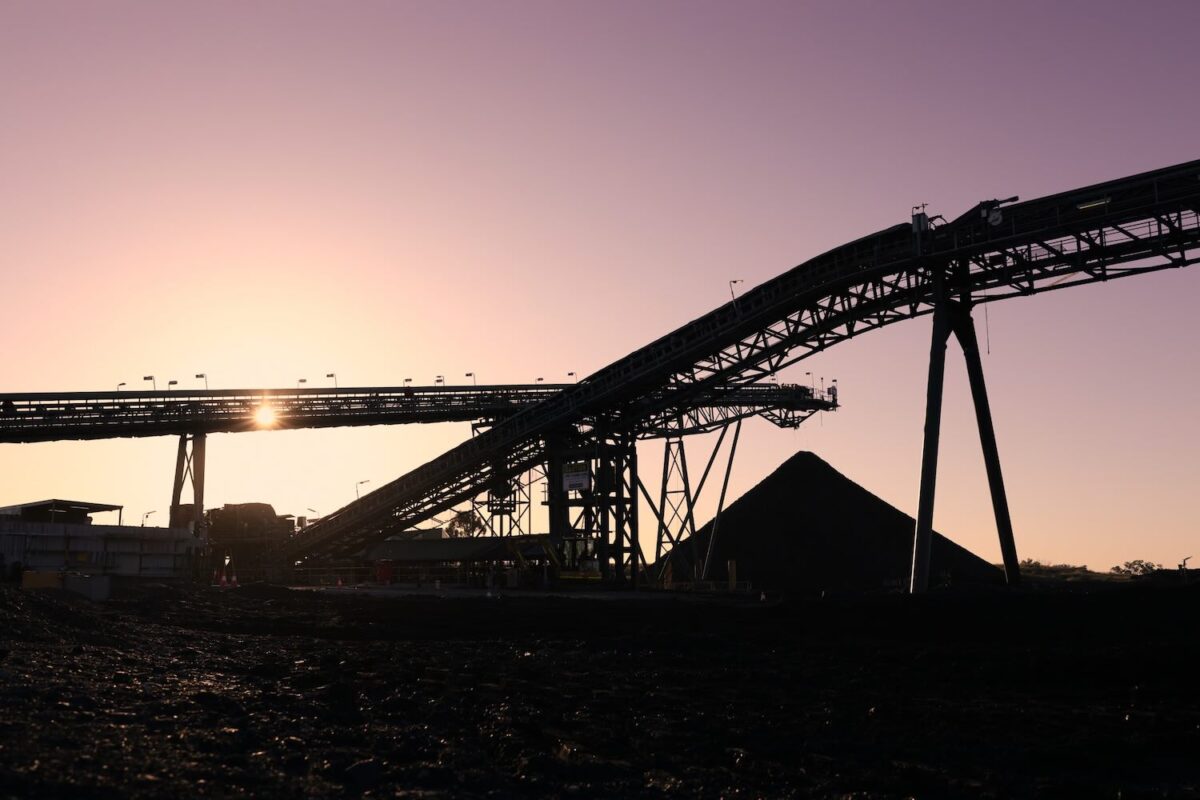
The new pitch is to lower production from about 4.5 million tonnes to 2.5 million tonnes of coal annually.
TL;DRAI
Rinehart's Northback resubmits Grassy Mountain coal proposal in Alberta, projecting $2.2B revenue over 26 years. 200k oppose; 2021 study shows costs exceed benefits—material ESG governance risk for institutional investors and corporates with carbon targets.
2,059 words~9 min read