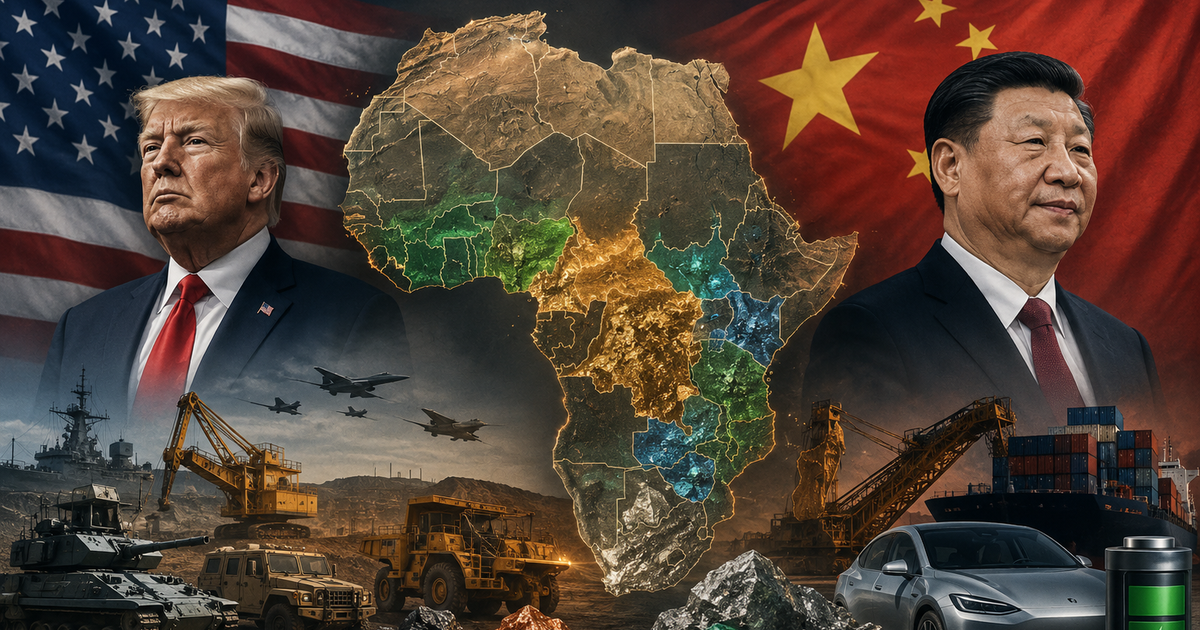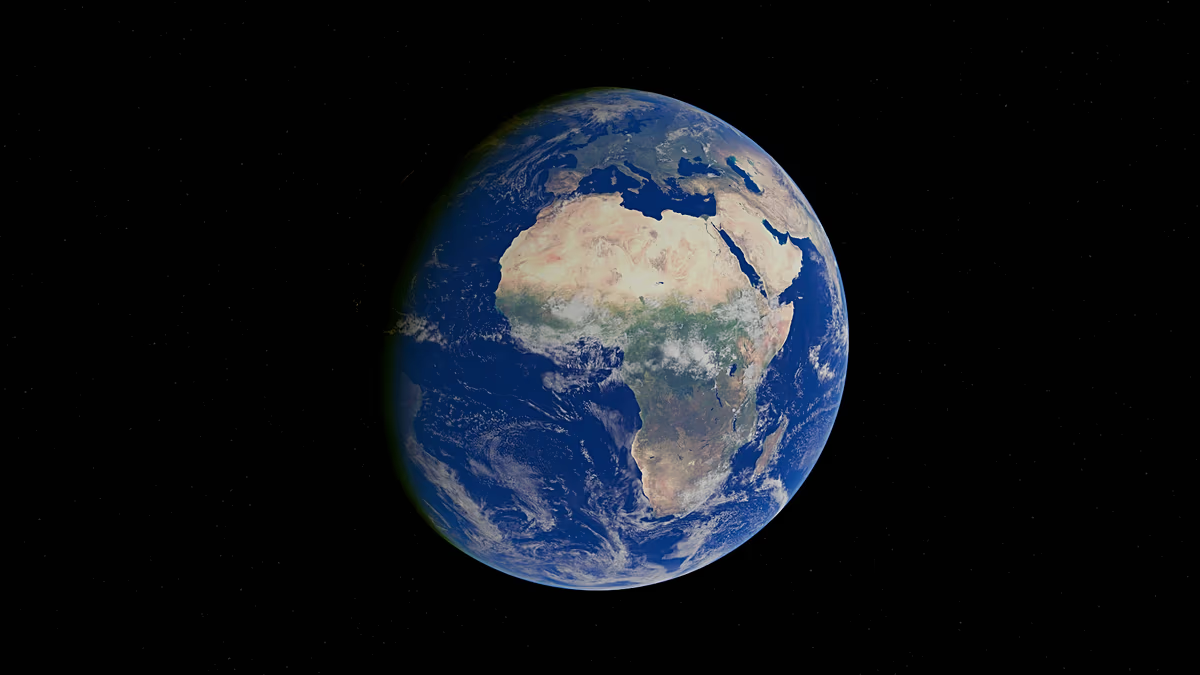
If the Trump administration is serious about executing its “America First in Africa” policy and transforming American engagement on the continent, it needs to focus on sectors where it still holds a decisive advantage. Africa’s emerging space industry may be the most promising.
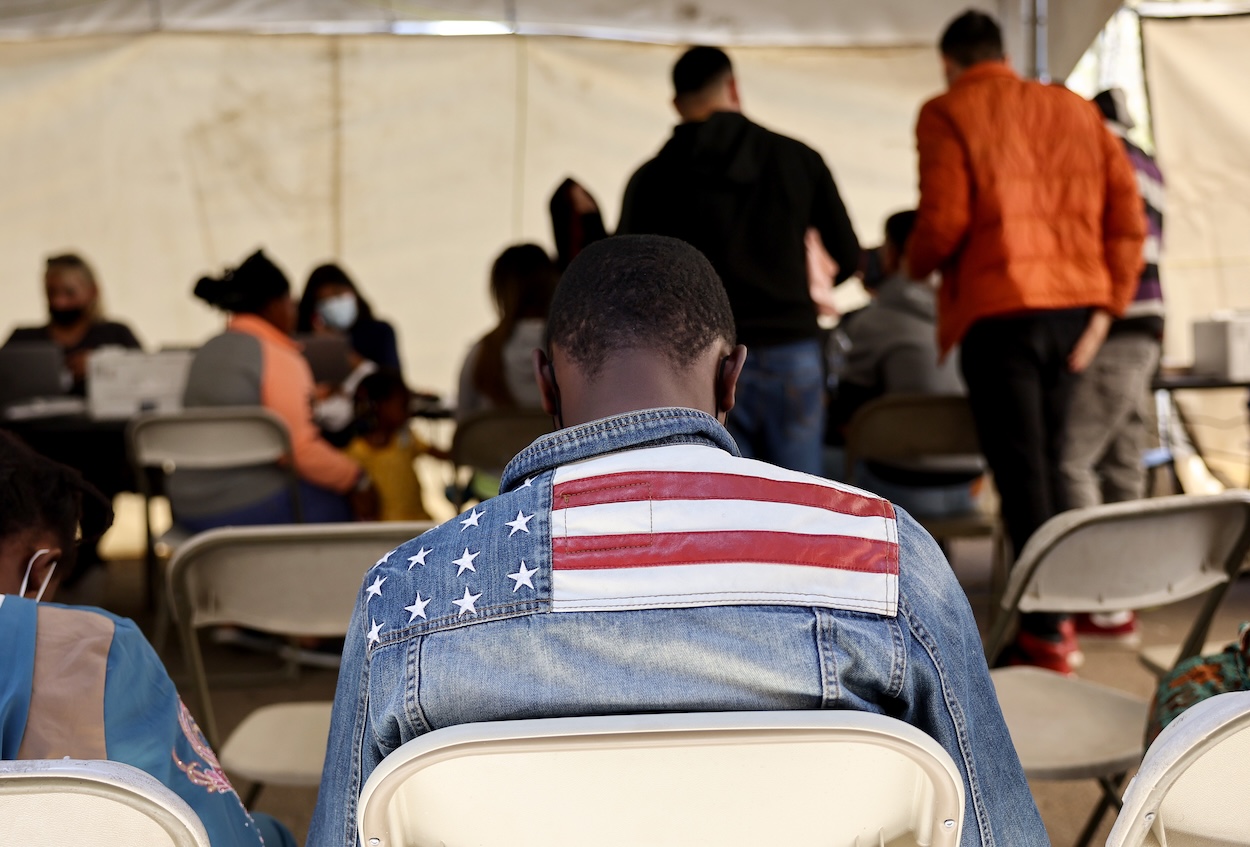
Historically, Washington has approached Africa as a problem to be solved, consistently positioning itself as the continent’s largest source of humanitarian aid. In 2023 alone, the United States contributed $14.3 billion — more than triple the amount from the next largest donors, France and Germany. This support has saved millions of lives, expanded access to education and strengthened public health systems. At the same time, however, it has left Washington with a very narrow form of influence within the continent. Unlike the strong geopolitical partnerships that arise from foreign direct investment (FDI), which often create path dependency and long-term interdependence, the effect of foreign aid is far less visible and not as closely associated with strong bilateral ties. The Trump administration’s recent reductions in foreign assistance programs have only reinforced this reality, demonstrating how quickly influence can erode when it is built primarily on aid.