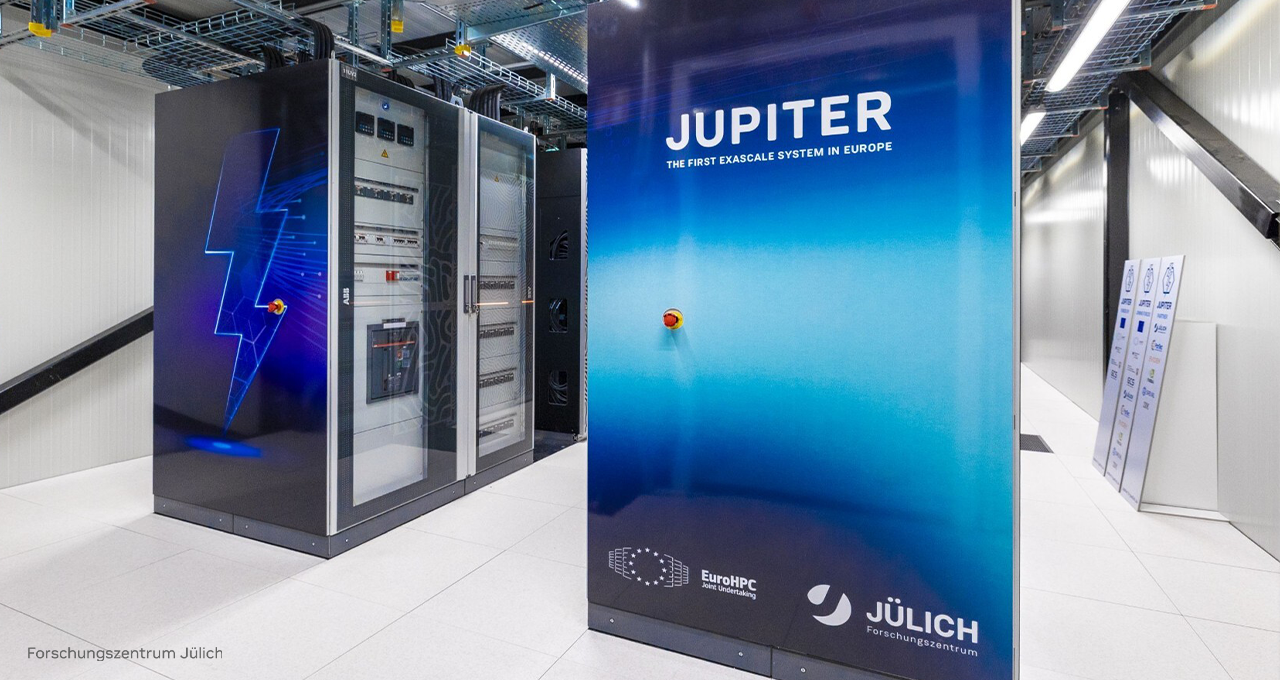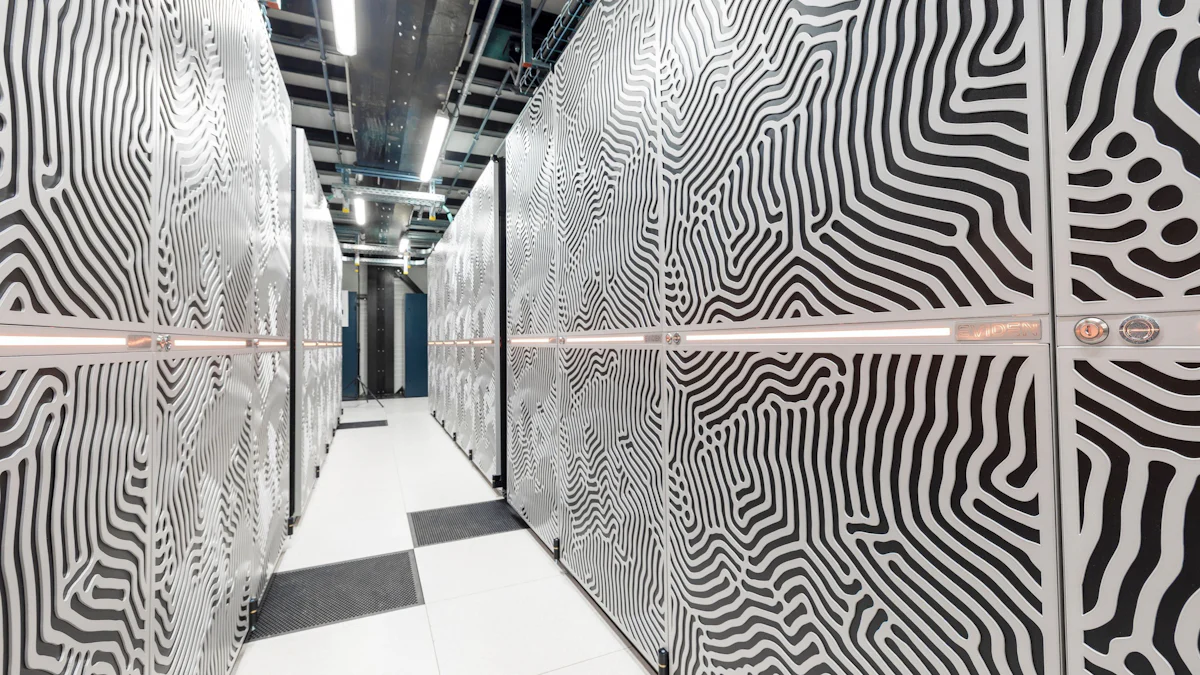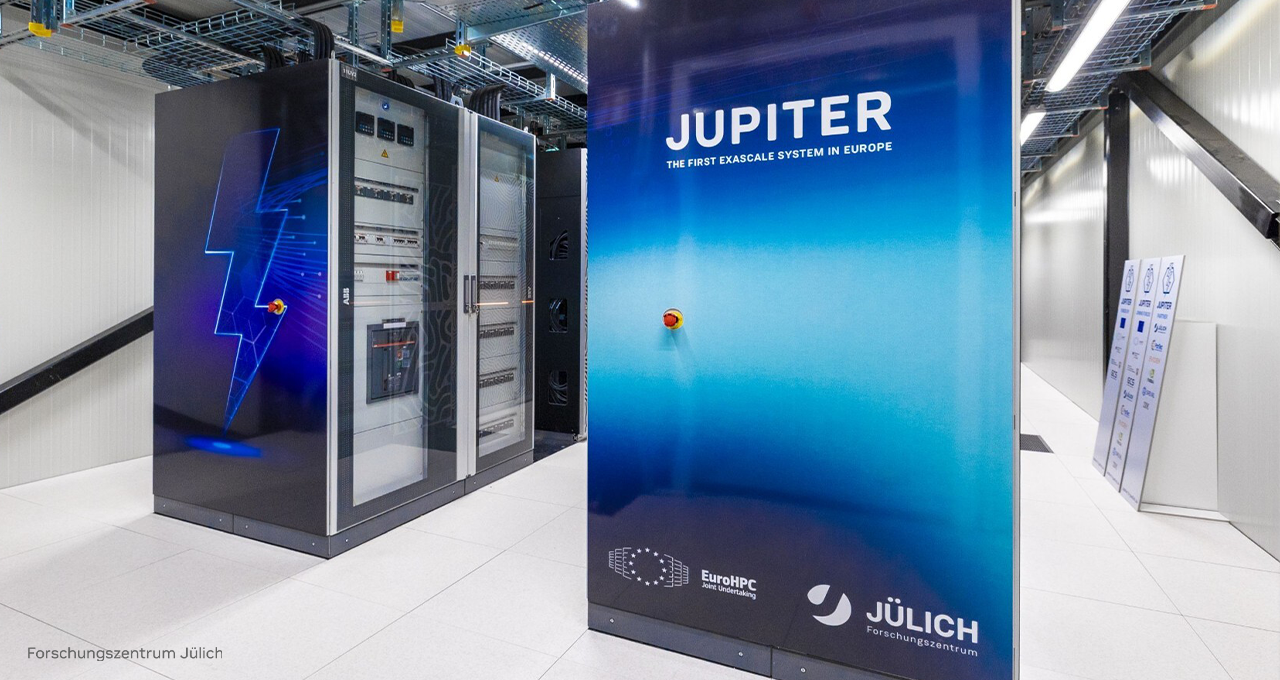
JUPITER, Europe’s first exascale supercomputer at Germany’s Forschungszentrum Jülich, runs on NVIDIA Grace Hopper Superchips and NVIDIA Quantum-X800 InfiniBand networking — and it’s had a busy year.
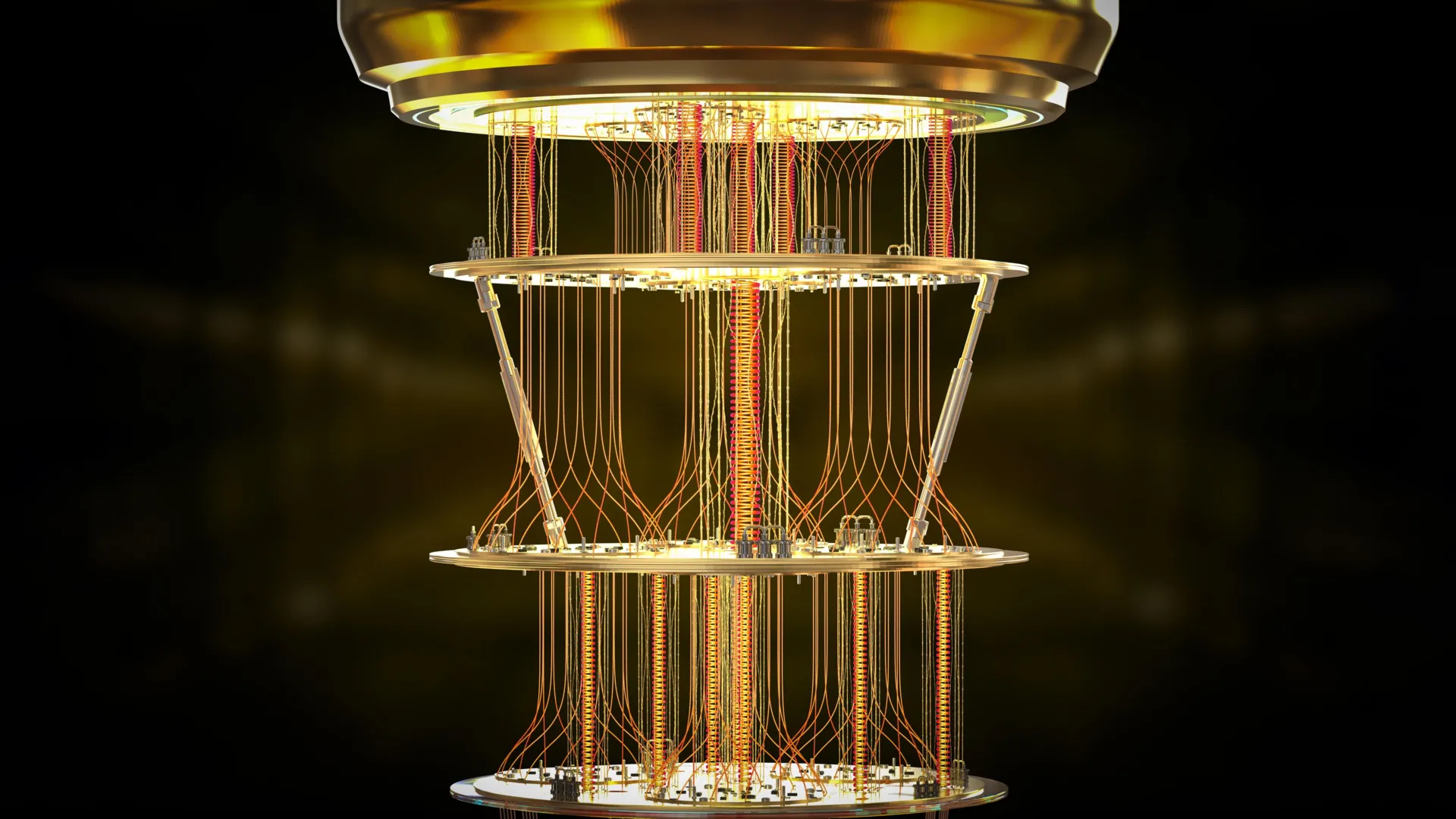
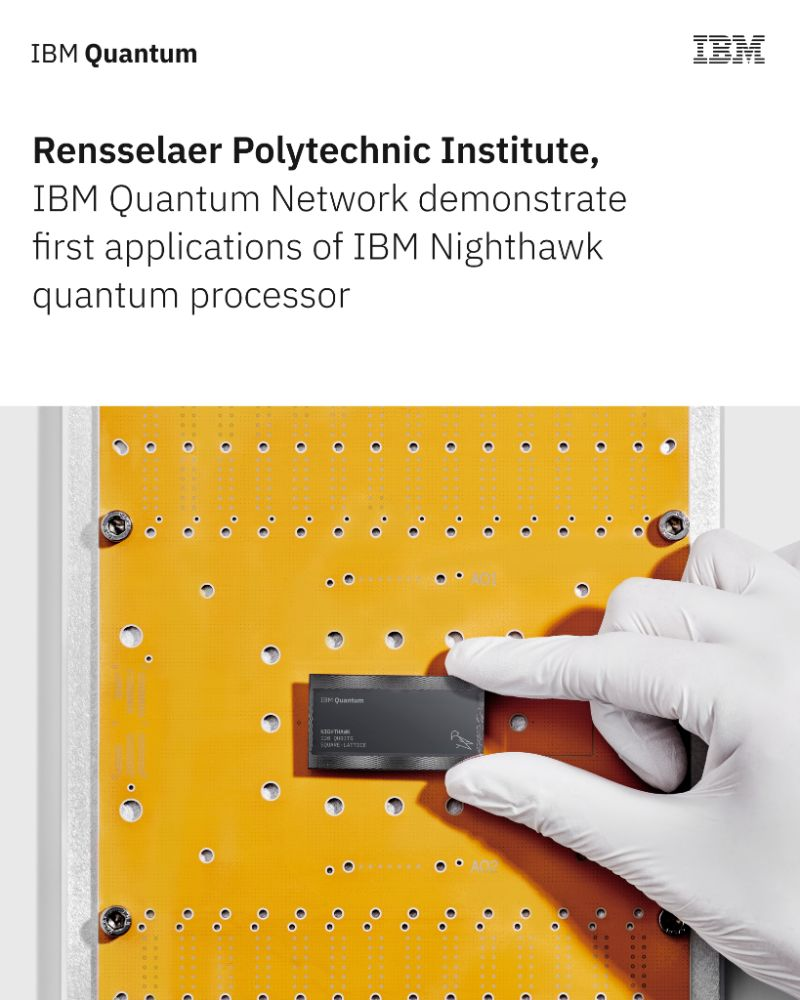
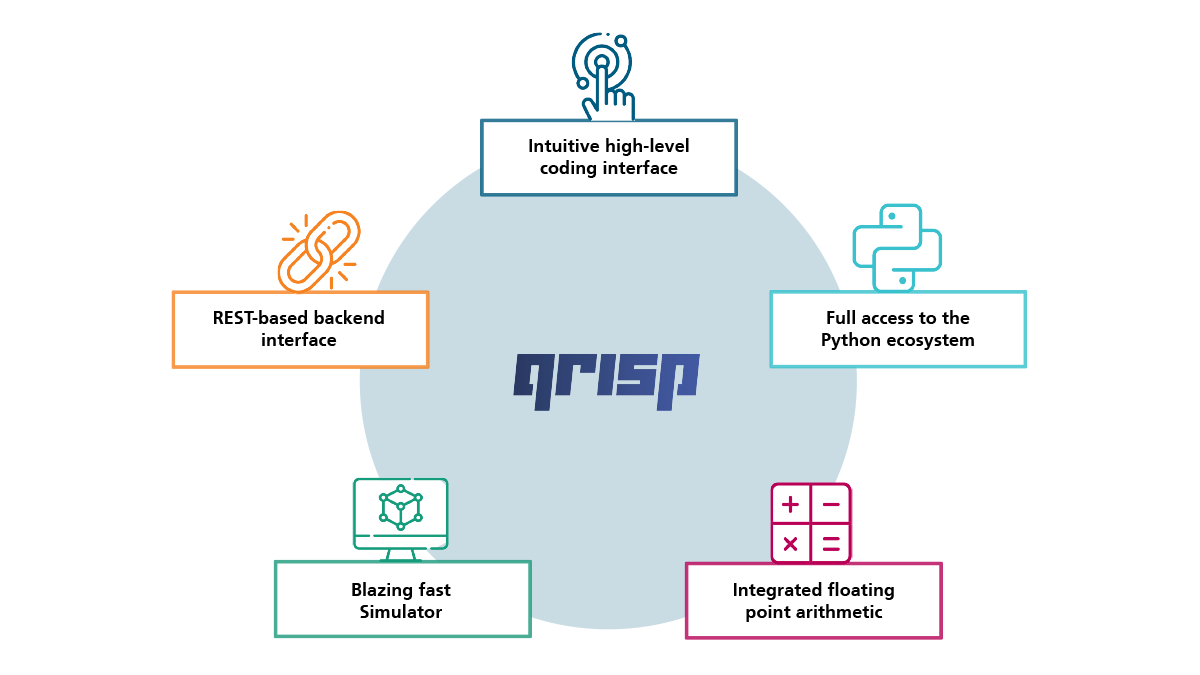
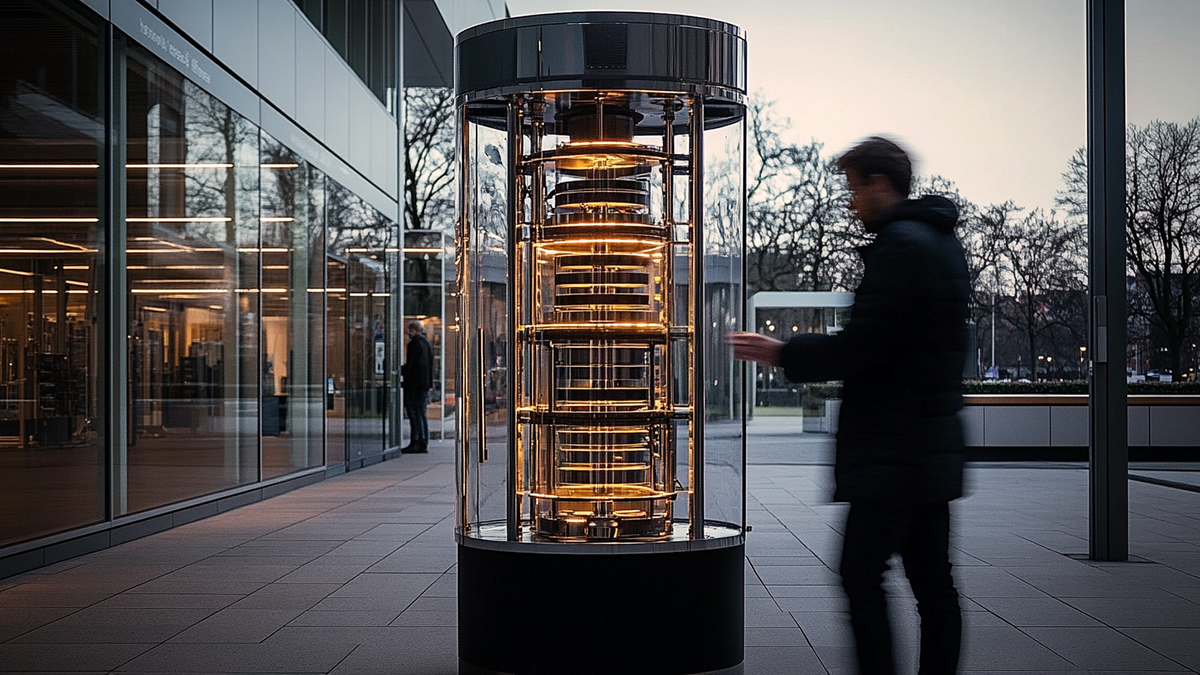
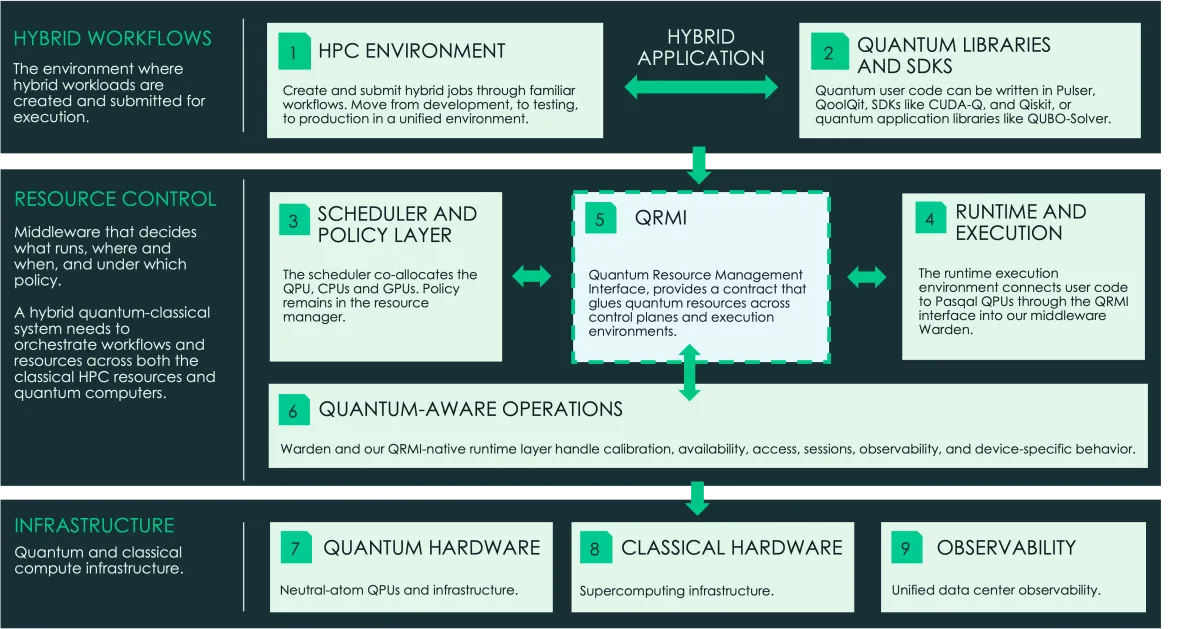
As the international supercomputing community gathers at ISC in Hamburg this week, four projects running on JUPITER point to what exascale computing can actually do: map the human brain at cellular scale, simulate the entire Earth’s climate at 1-kilometer resolution, build AI systems for the next generation of wireless networks and simulate a universal 50-qubit quantum computer.
“With JUPITER, Europe doesn’t just join the exascale era — it leads it, across the widest range of science and AI of any system worldwide,” said Thomas Lippert, director of the Jülich Supercomputing Centre and professor at Goethe University Frankfurt.
Four projects, detailed below, share a throughline: scientific problems that were out of reach on previous hardware are now tractable at exascale.
A Foundation Model for Mapping the Brain