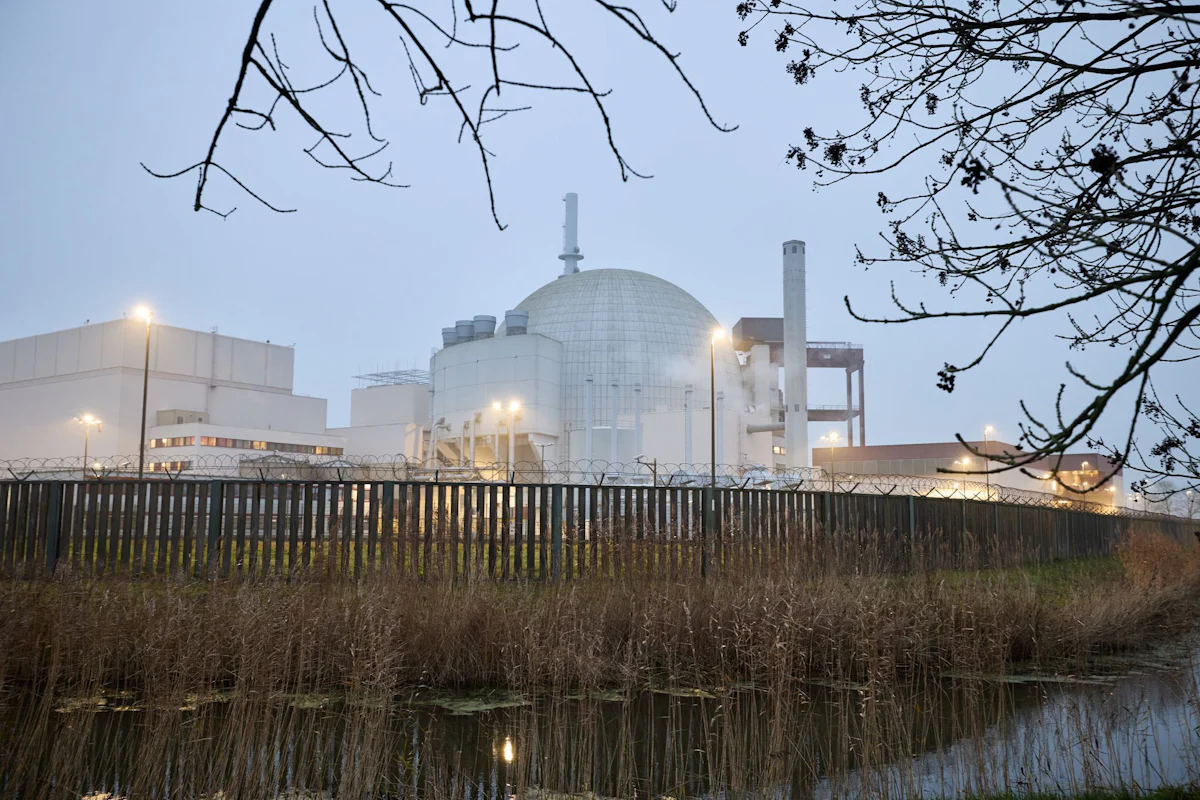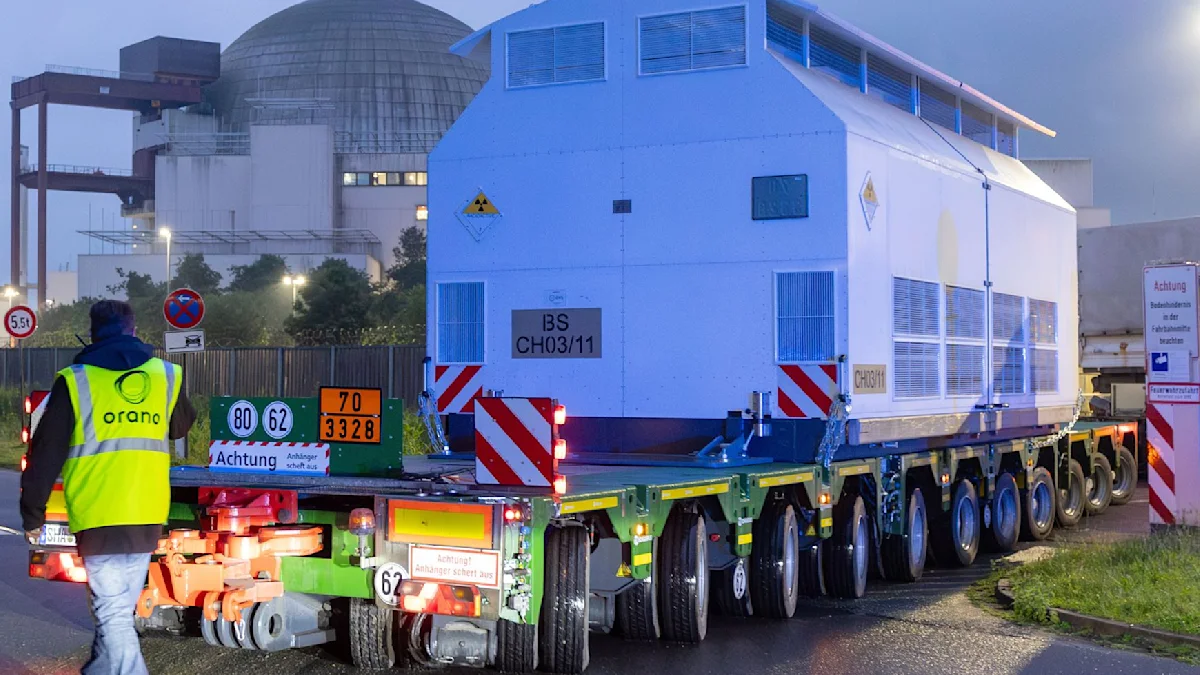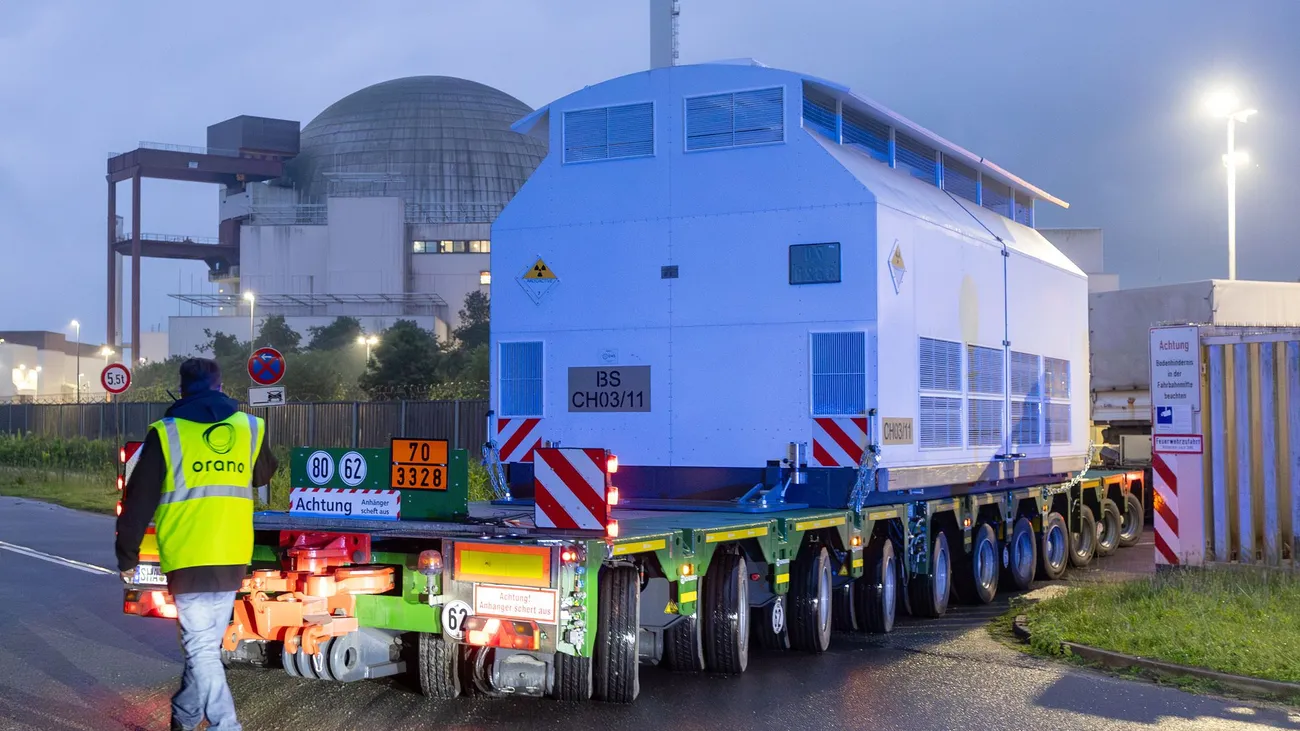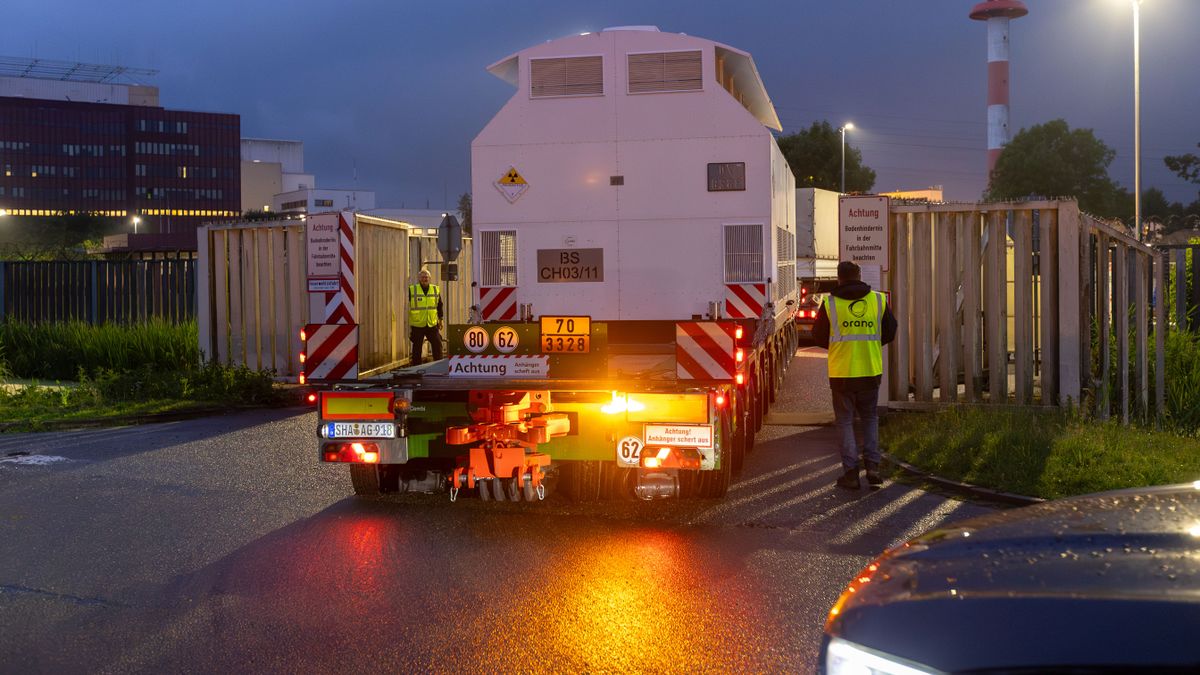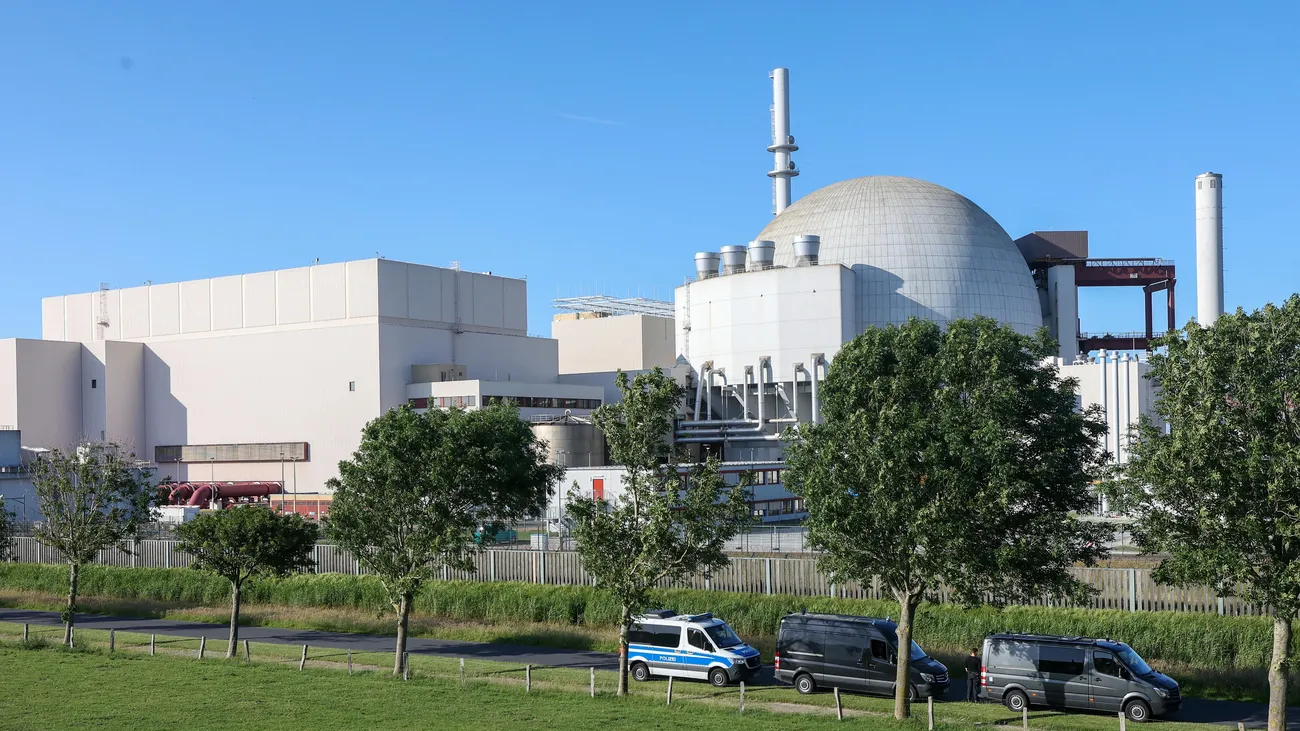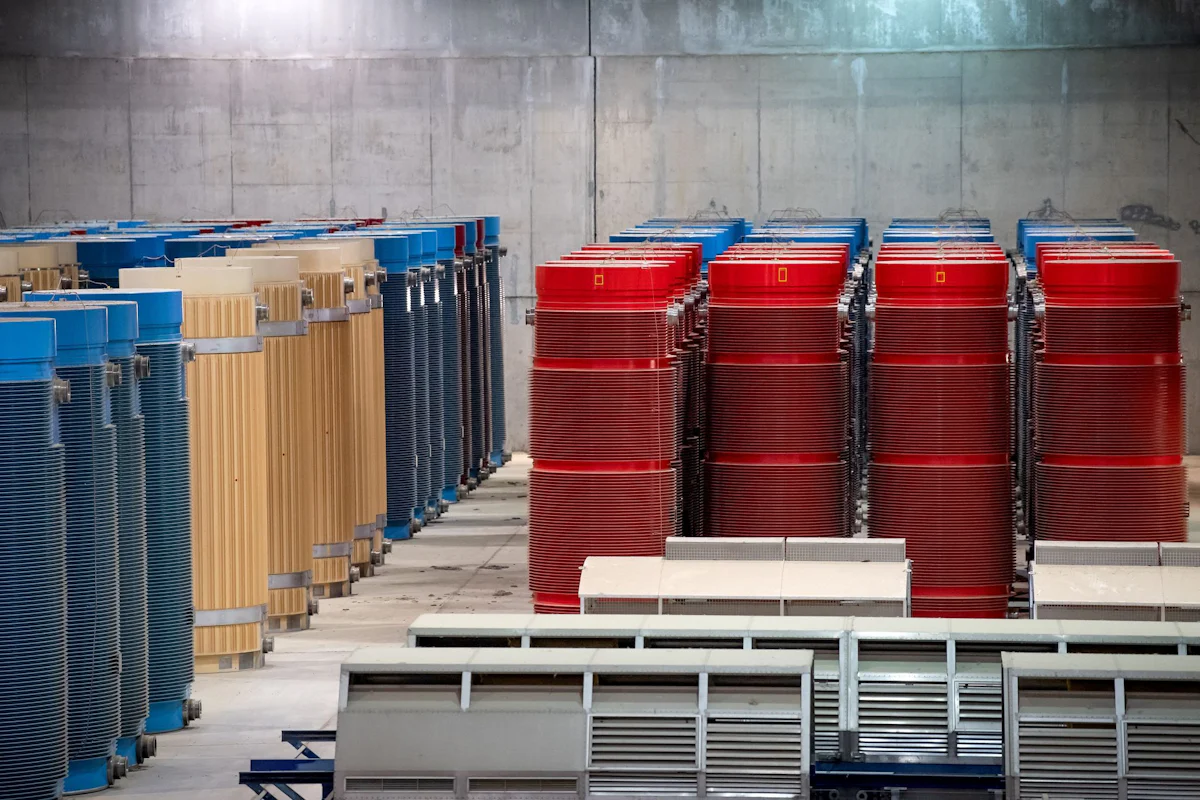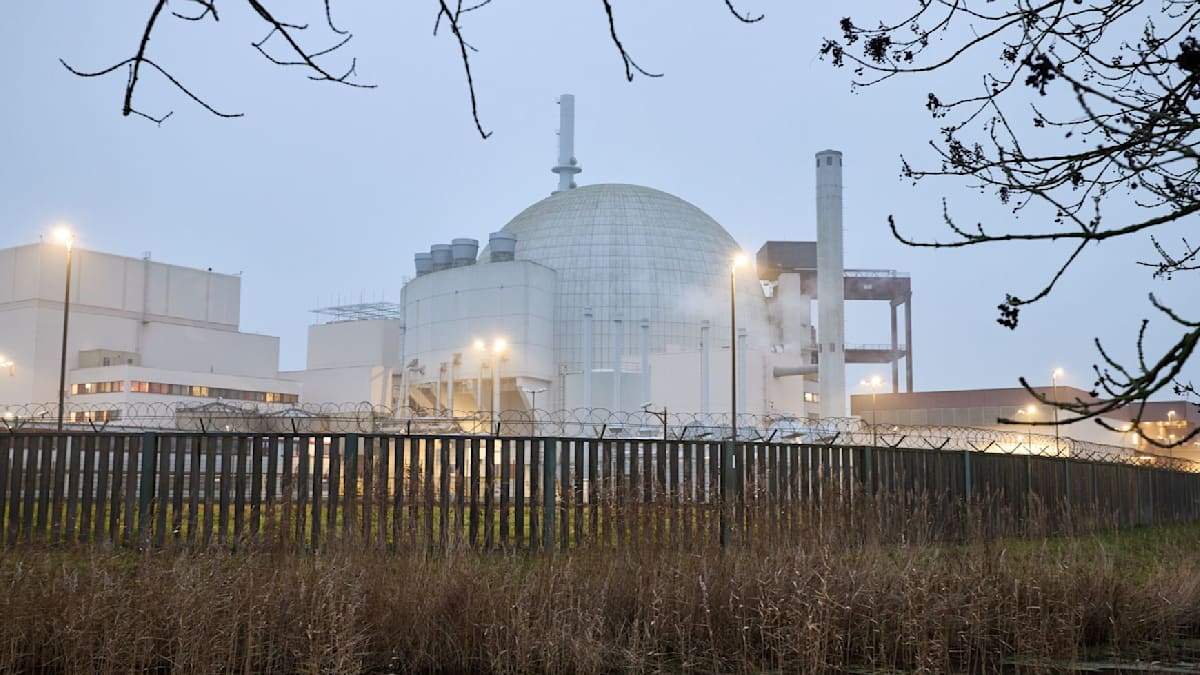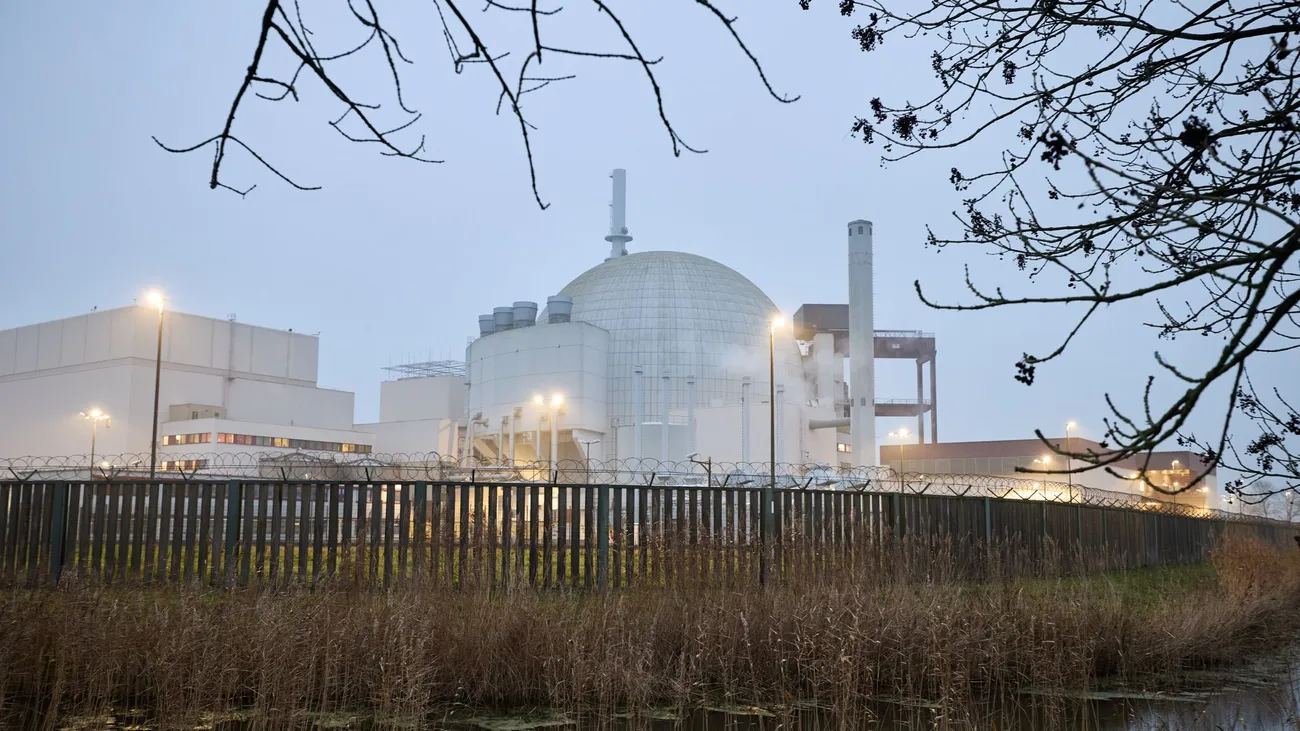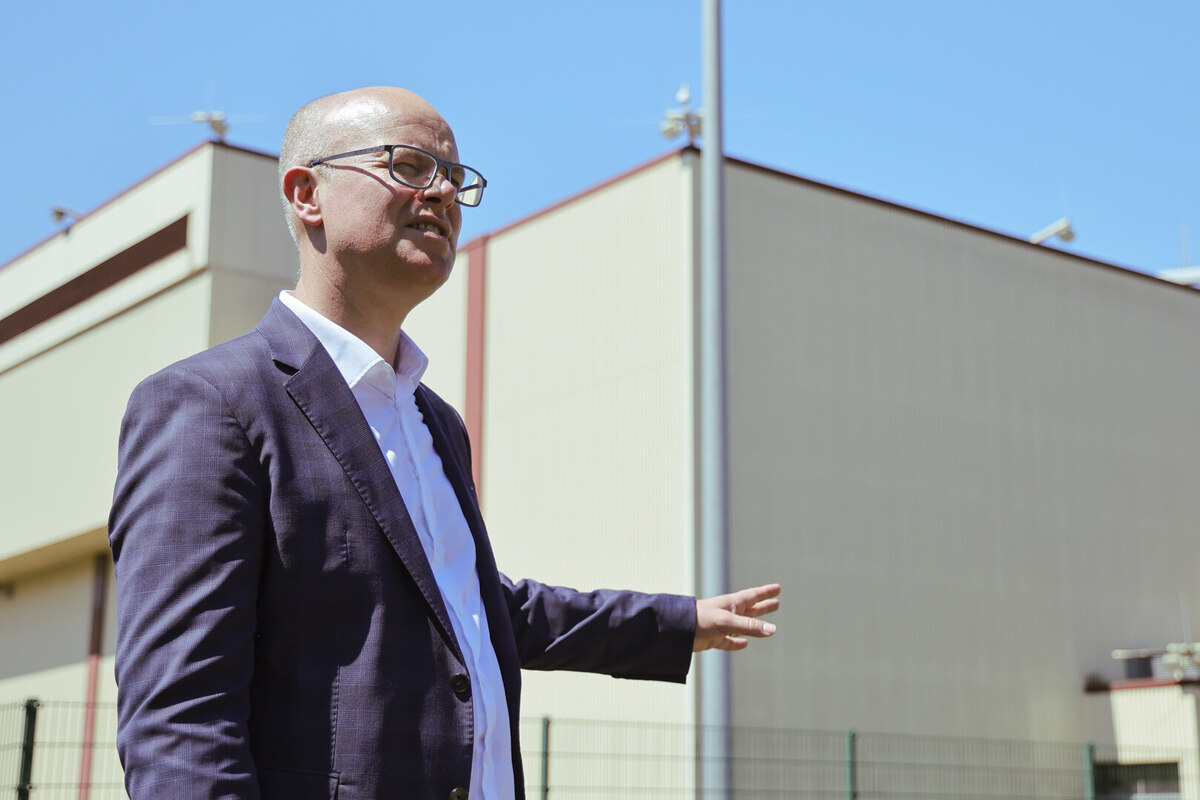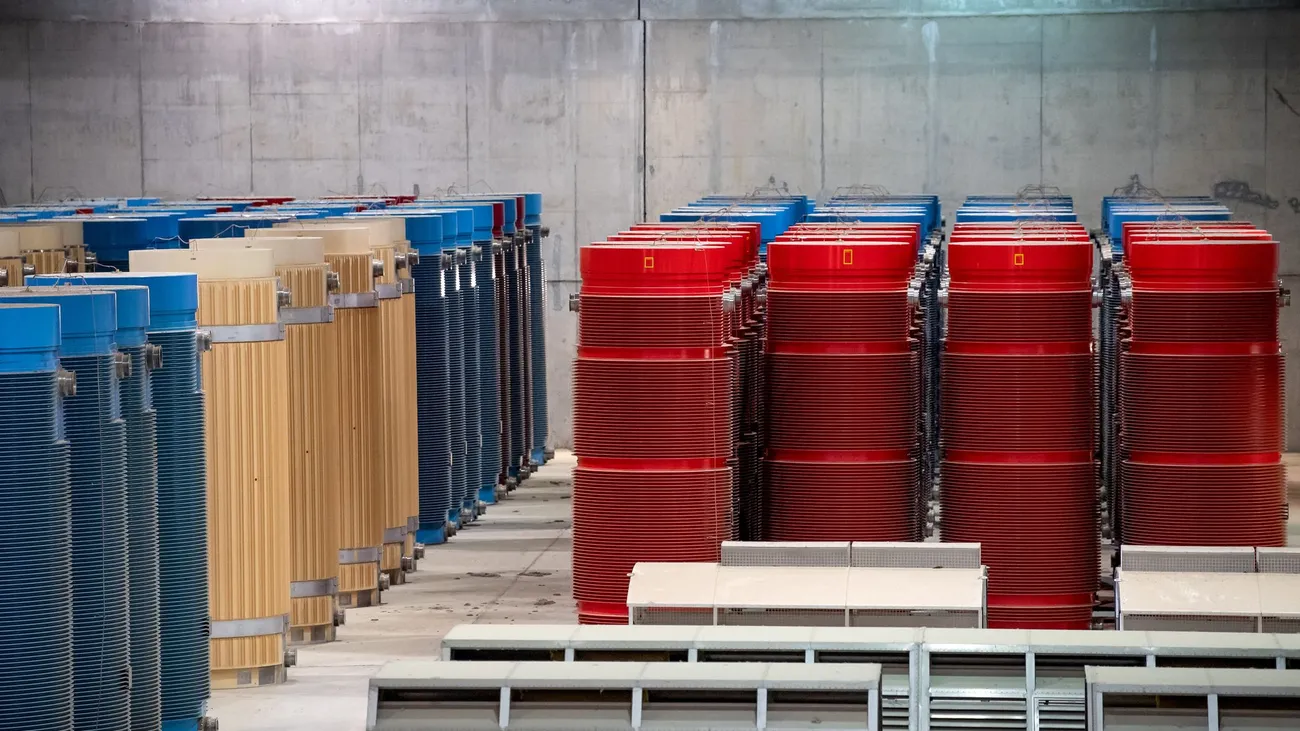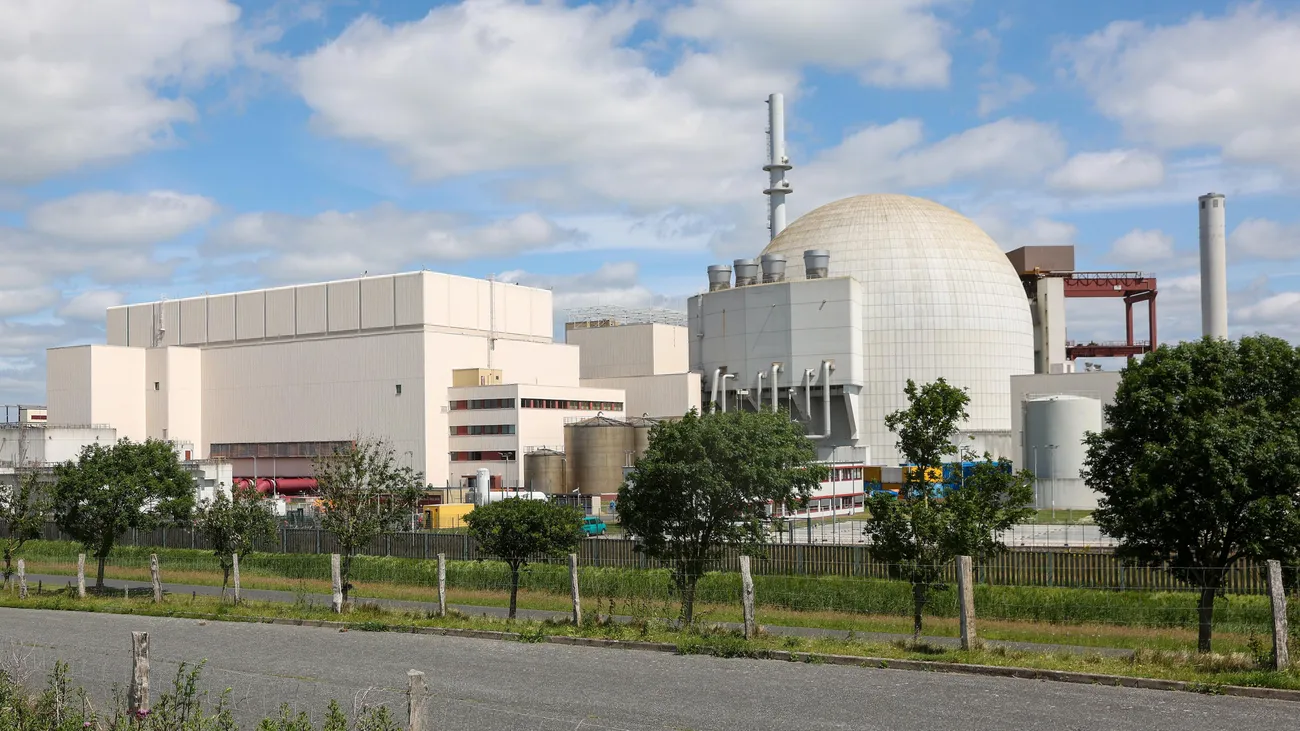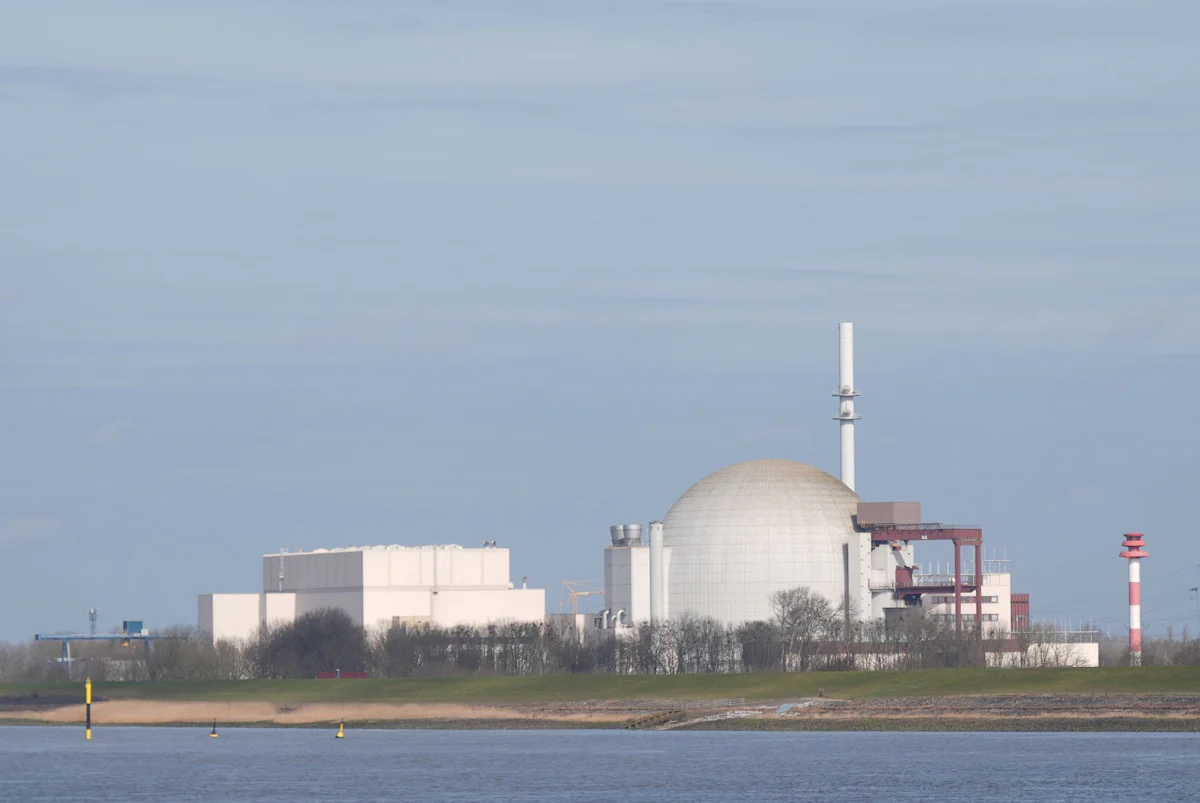
The final containers with radioactive waste sent abroad for reprocessing have been returned to Germany, completing a process that took three decades. The last shipment was transported back from the British reprocessing plant in Sellafield to the Brokdorf interim storage facility north-west of Hamburg, according to the environment ministry. “This transport marks the end of the chapter of reprocessing in Germany,” state secretary Jochen Flasbarth said during a visit to the storage facility. The transport of radioactive waste to Brokdorf sparked major disputes and protests in the country over several decades, and has become a symbol of the controversial role of nuclear energy in Germany.Reprocessing of nuclear waste is a chemical process that separates unburned uranium and plutonium from spent reactor fuel so they can be recycled into new fuel, which reduces the volume of high-level radioactive waste requiring long-term disposalFlasbarth said redistributing more than 5,000 tonnes of nuclear waste returned from Sellafield and the reprocessing plant in La Hague in France across multiple temporary storage facilities had been a key factor in defusing a major societal conflict. “The fact that this compromise has held to this day strengthens public trust in the ongoing search for a final disposal site,” he added.The containers that arrived in Brokdorf had originally been destined for a storage facility in the town of Gorleben in northern Germany, which for decades had been a focal point of anti-nuclear protests before Germany’s nuclear phase-out agreement prompted a restart of the search for a permanent disposal site. Until a final site is found, the environment ministry in 2015 decided waste would be stored at facilities near former nuclear plant sites across the country to ensure a fairer distribution of the burden. Germany has so far made little progress in its search for a final disposal site. A draft law by the environment ministry from earlier this year said the existing 2031 deadline for deciding on a location is not realistic. Germany shut down its last nuclear power plants in 2023, but must still safely dispose of radioactive waste accumulated over several decades. A 2024 report commissioned by the country’s Federal Office for the Safety of Nuclear Waste Management (BASE) said that the search for a suitable site is likely to take until the 2070s.The nuclear power legacy continues to cost Germany substantial amounts of money, a 2025 parliament report revealed. Over half of the environment ministry’s budget in that year was earmarked for managing the country’s nuclear waste and preparing a decision for a final nuclear repository.
Last nuclear waste containers return to Germany, closing 30-year reprocessing programme
The final containers with radioactive waste sent abroad for reprocessing have been returned to Germany, completing a process that took three decades. The last shipment was transported back from the British reprocessing plant in Sellafield to the Brokdorf interim storage facility north-west of Hamburg, according to the environment ministry. “This transport marks the end of the chapter of reprocessing in Germany,” state secretary Jochen Flasbarth said during a visit to the storage facility. The transport of radioactive waste to Brokdorf sparked major disputes and protests in the country over several decades, and has become a symbol of the controversial role of nuclear energy in Germany.Reprocessing of nuclear waste is a chemical process that separates unburned uranium and plutonium from spent reactor fuel so they can be recycled into new fuel, which reduces the volume of high-level radioactive waste requiring long-term disposalFlasbarth said redistributing more than 5,000 tonnes of nuclear waste returned from Sellafield and the reprocessing plant in La Hague in France across multiple temporary storage facilities had been a key factor in defusing a major societal conflict. “The fact that this compromise has held to this day strengthens public trust in the ongoing search for a final disposal site,” he added.The containers that arrived in Brokdorf had originally been destined for a storage facility in the town of Gorleben in northern Germany, which for decades had been a focal point of anti-nuclear protests before Germany’s nuclear phase-out agreement prompted a restart of the search for a permanent disposal site. Until a final site is found, the environment ministry in 2015 decided waste would be stored at facilities near former nuclear plant sites across the country to ensure a fairer distribution of the burden. Germany has so far made little progress in its search for a final disposal site. A draft law by the environment ministry from earlier this year said the existing 2031 deadline for deciding on a location is not realistic. Germany shut down its last nuclear power plants in 2023, but must still safely dispose of radioactive waste accumulated over several decades. A 2024 report commissioned by the country’s Federal Office for the Safety of Nuclear Waste Management (BASE) said that the search for a suitable site is likely to take until the 2070s.The nuclear power legacy continues to cost Germany substantial amounts of money, a 2025 parliament report revealed. Over half of the environment ministry’s budget in that year was earmarked for managing the country’s nuclear waste and preparing a decision for a final nuclear repository.