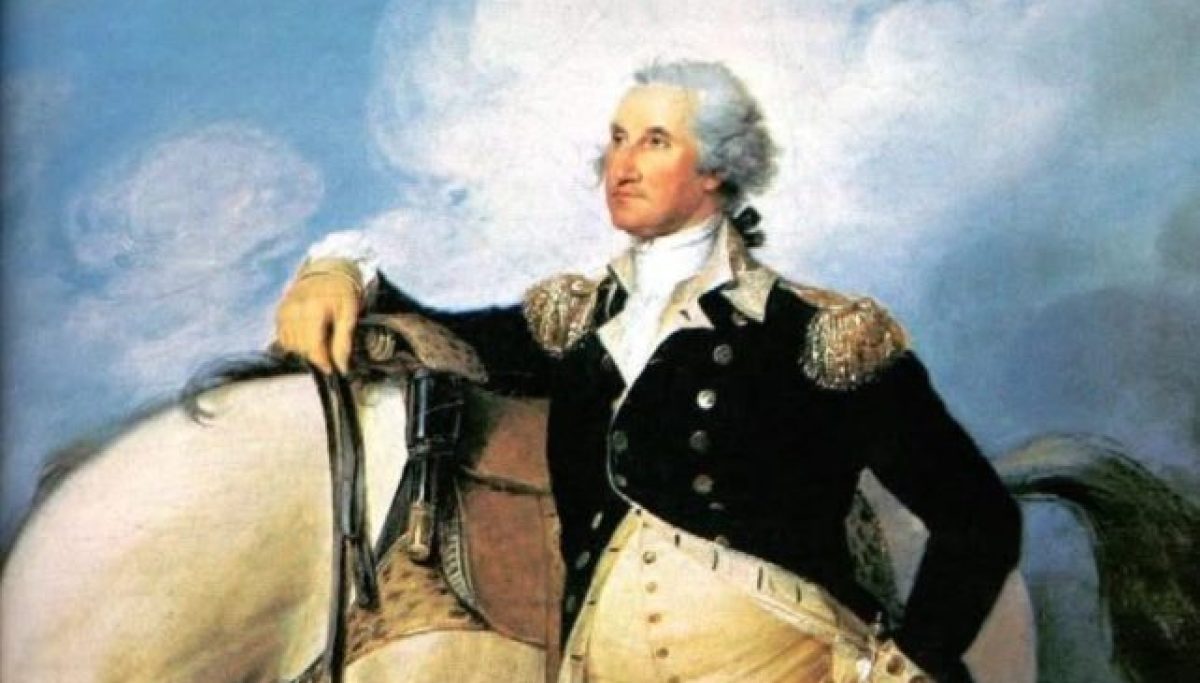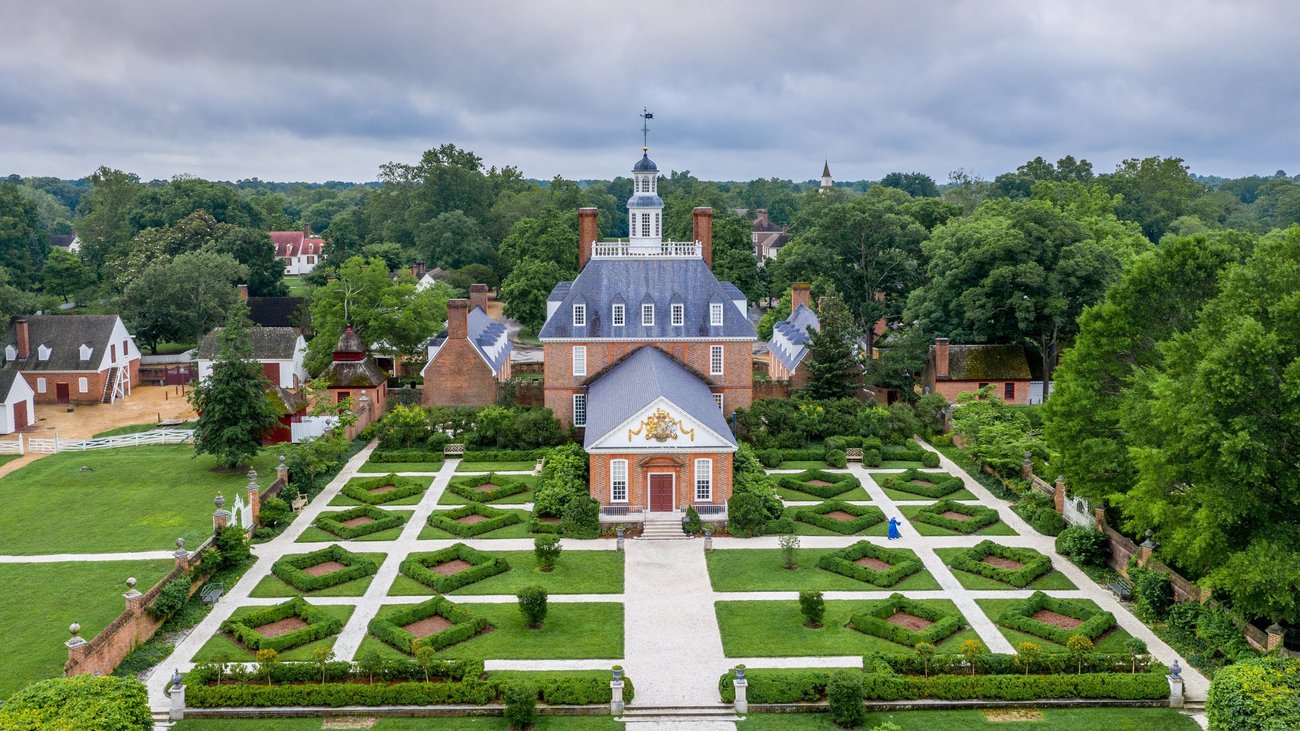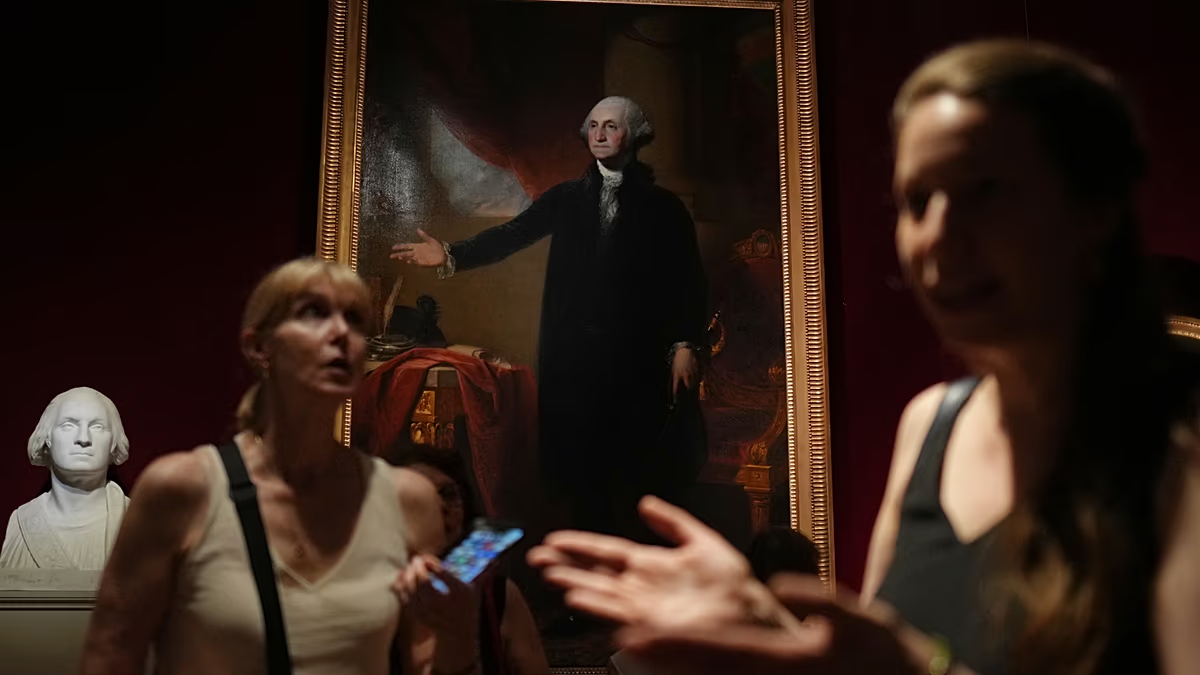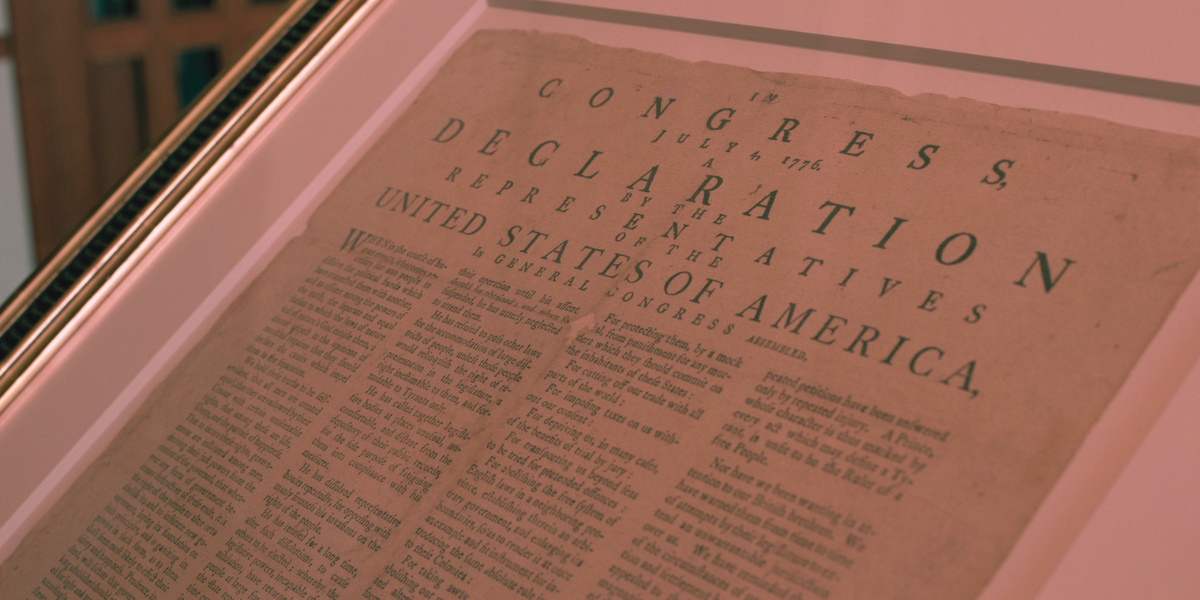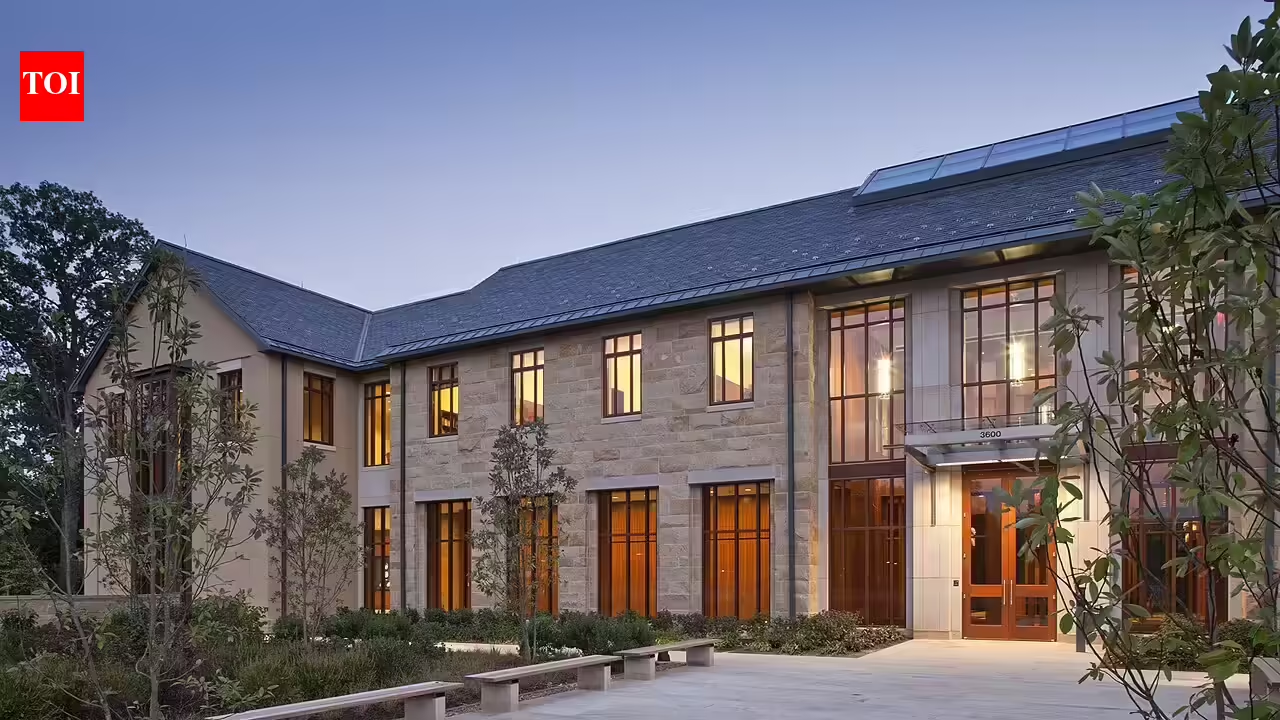
George Washington's long-held dream of a dedicated repository for his papers has finally materialised 216 years later with the opening of the Fred W. Smith National Library at Mount Vernon. Image Credit: Wikimedia CommonsThe reading room is sunlit and lined with wood panelling, leather armchairs and floor-to-ceiling shelves of historic books. The view outside looks across the sprawling green lawns directly onto the shimmering waters of the Potomac River. To visitors, the space feels quiet and reflective. But for the caretakers of American history, this quiet building fulfils a centuries-old dream that the nation never fully carried out.This beautiful space is the Fred W. Smith National Library for the Study of George Washington, a specialised research institution on the grounds of Mount Vernon in Fairfax County, Virginia. While the United States has built monuments and archives for later leaders, its first chief executive did not have a dedicated home for his intellectual legacy until recently.A dedicated archival project and public launch, detailed across official historical documentation by the Mount Vernon Ladies Association titled The Fred W. Smith National Library for the Study of George Washington, has finally corrected this massive historical oversight. It took exactly 216 years after the first president formally expressed his desire for a secure records building for his vision to become a physical reality. Today, the private repository protects an invaluable collection of rare individual manuscripts, historical books, and personal letters.A long-overlooked last wish of one of the founding fathersThe background of this forgotten archive can be traced to 1797, when an exhausted George Washington was getting ready to withdraw from political affairs and return to his cherished farm. In private letters, he indicated that he wanted a solid stone structure at Mount Vernon. It was meant to store his military papers, Revolutionary documents and presidential diaries.Unfortunately, fate interrupted his plans when he passed away unexpectedly just two years later, in 1799. Without a central government archiving law in place, his writings and books were later dispersed among descendants, sold at auction, or left vulnerable to damage. For more than two centuries, researchers had to travel across multiple university archives, private collections, and state museums just to piece together his thoughts.A national dispatch by USA Today, titled Washington library at Mount Vernon honors first president, sheds light on how the historic site finally mobilised to build the 106 million dollar facility through entirely private donations. Opened to the public in late 2013, the state-of-the-art building is located just a short walk from Washington's original mansion, ensuring his papers are preserved exactly where he wanted them. This state-of-the-art facility, funded by private donations, safeguards his personal collection of books and manuscripts. The library also fosters leadership studies, ensuring the first president's intellectual legacy endures for future generations. Image Credit: WikipediaStep inside the high-tech vault of American historyThe new facility includes an oval-shaped, climate-controlled rare books vault designed to resemble a late-eighteenth-century private study. A report by NBC News, titled Mount Vernon opens George Washington presidential library, reveals that the facility acts as a high-tech fortress for fragile history, complete with advanced fire suppression systems and precise humidity controls.Inside this secure vault sits Washington's original personal collection, including 105 volumes that he handled himself, many with his signature on the title pages. The shelves contain his personal copy of the acts of the first Congress, which features his own handwritten notes in the margins outlining his thoughts on executive power and constitutional duty.The facility runs a leadership institute and global fellowship program, allowing modern policymakers, authors and military strategists to study Washington's management style and decision-making under pressure. Two centuries after the first president dreamed of a simple stone house for his books, his legacy finally has a secure home that keeps his ideas alive for future generations.
It took 216 years for someone to honour George Washington's 1797 wish for a library: Mount Vernon's vault now holds his papers and volumes
The reading room is sunlit and lined with wood panelling, leather armchairs and floor-to-ceiling shelves of historic books. The view outside looks across the sprawling green lawns directly onto the shimmering waters of the Potomac River.
630 words~3 min read