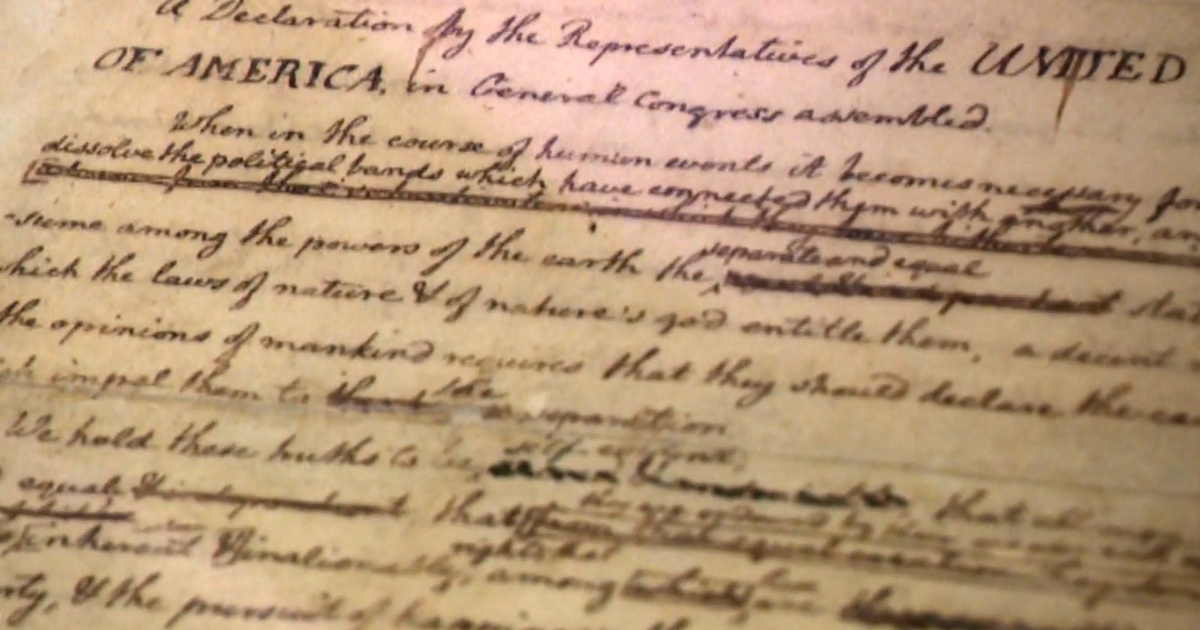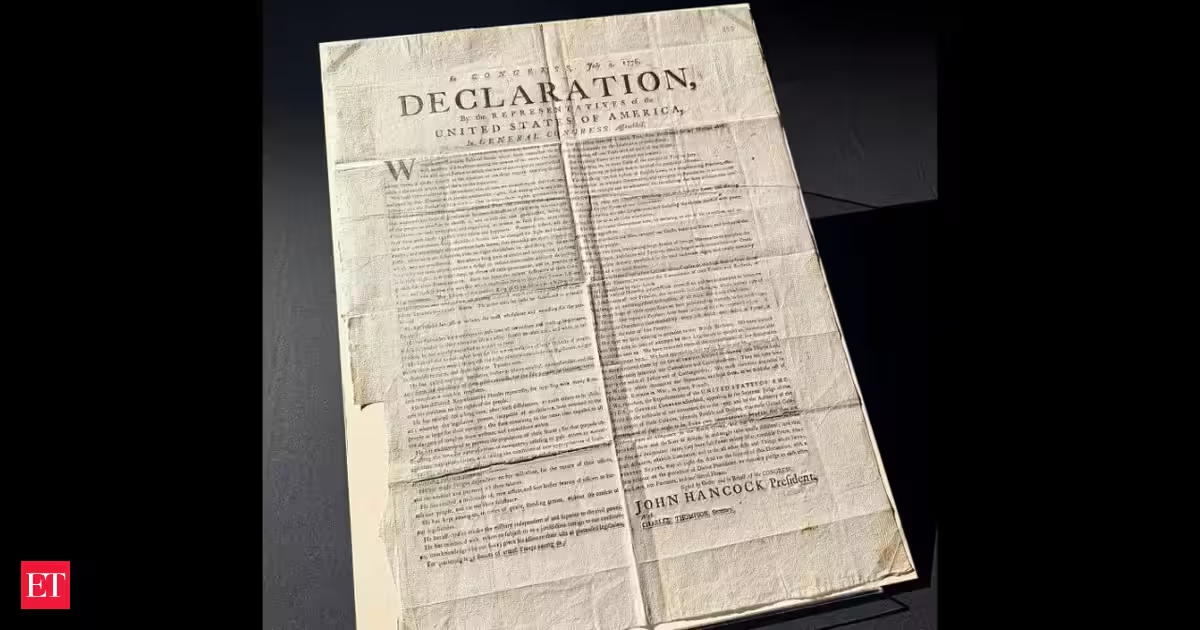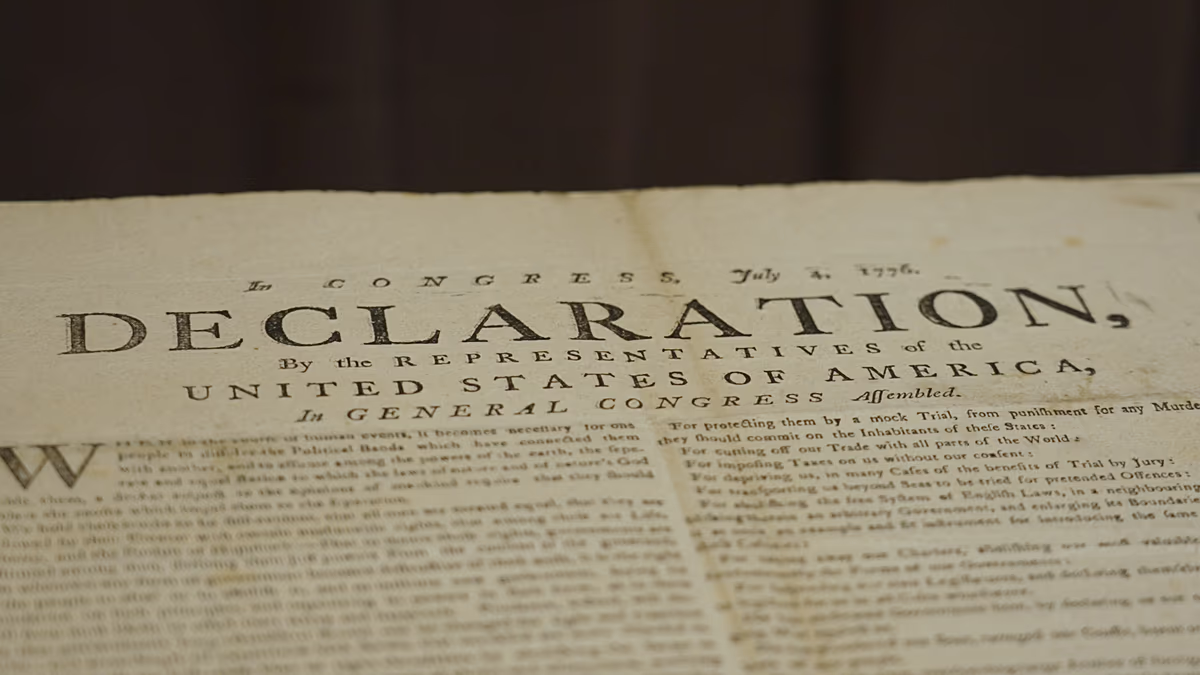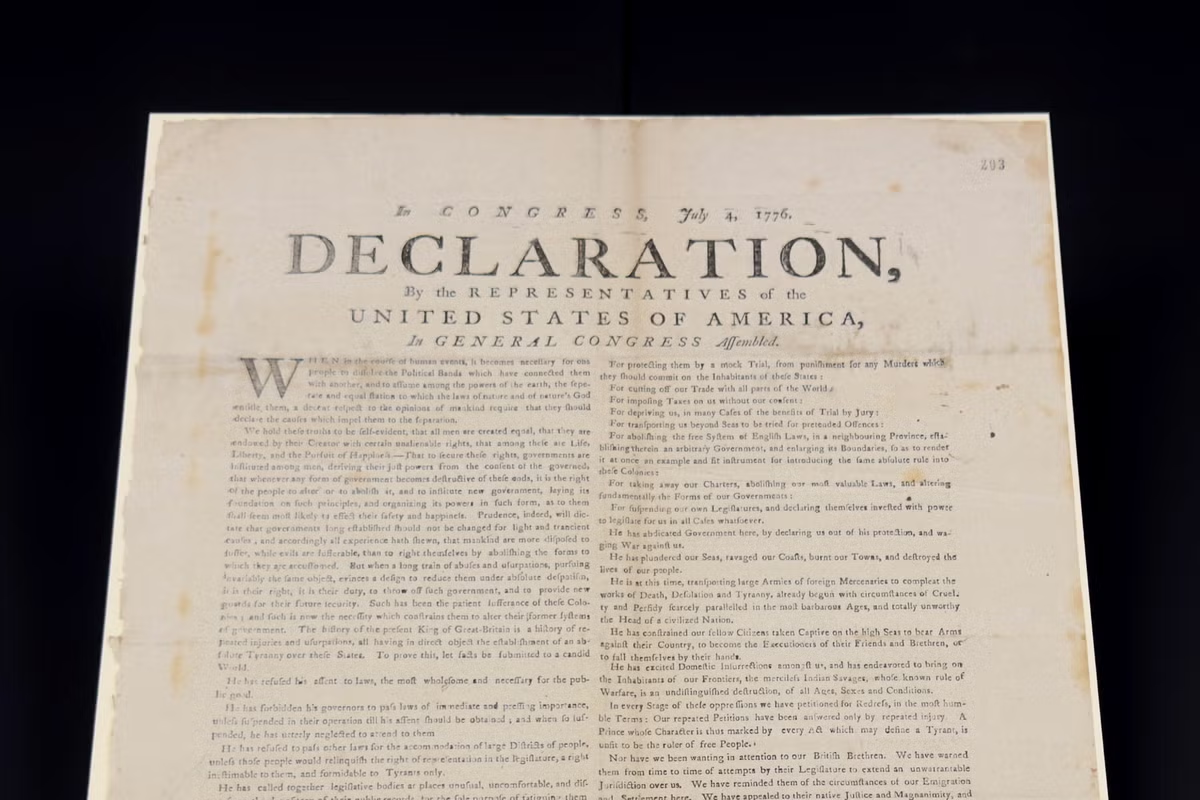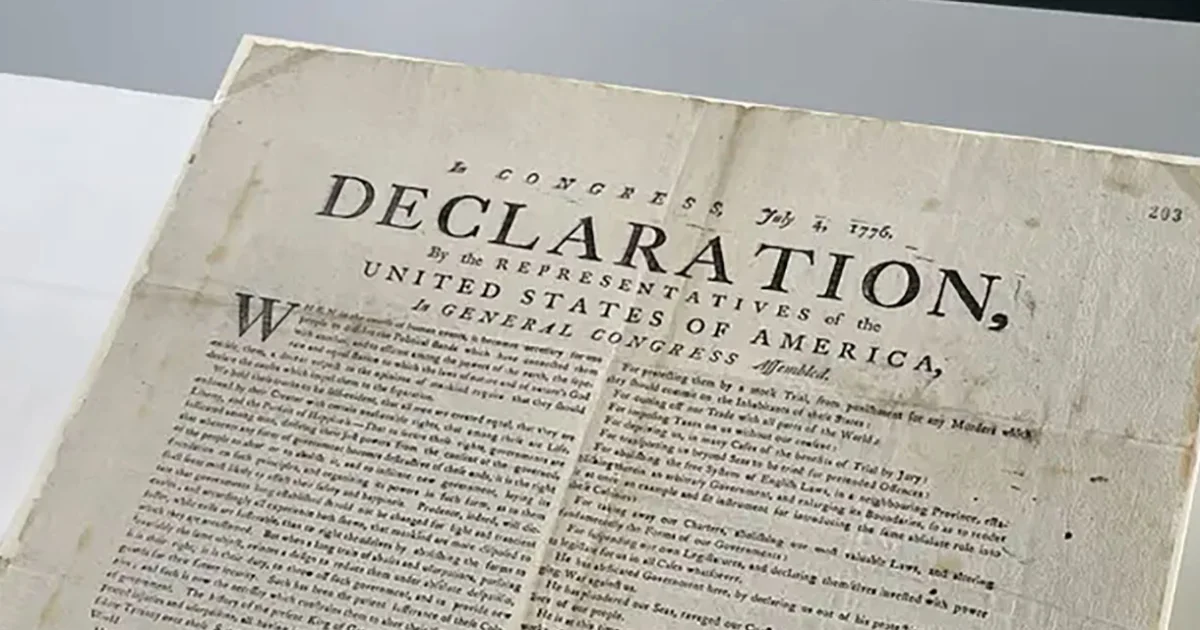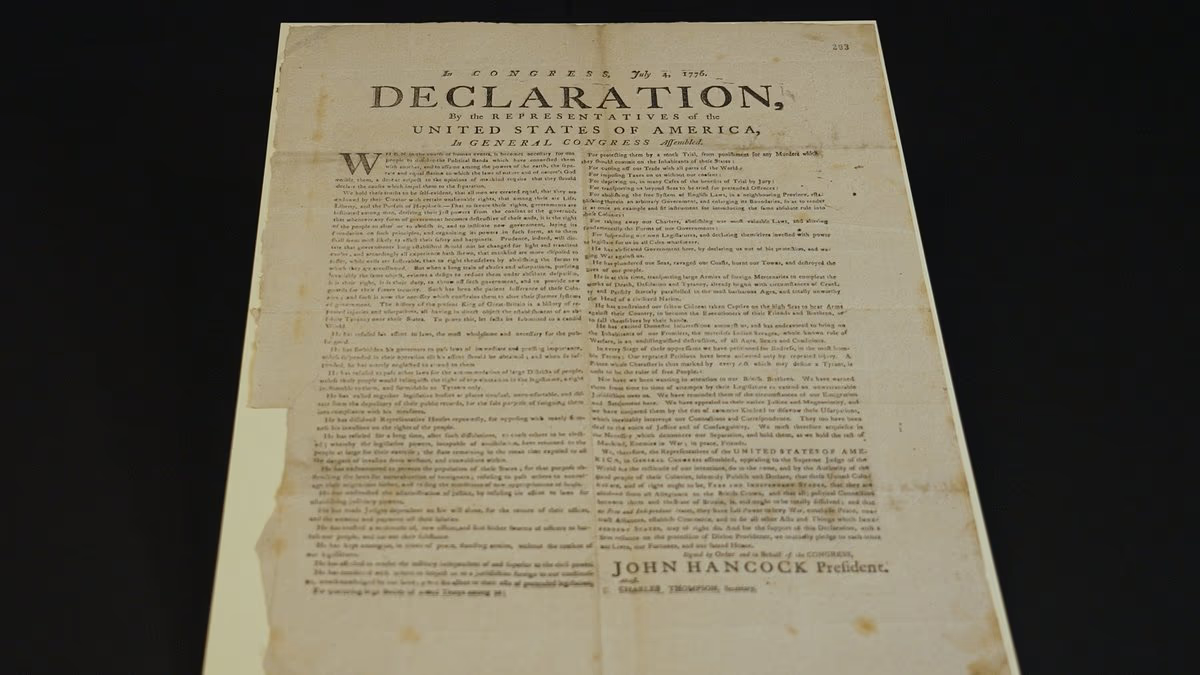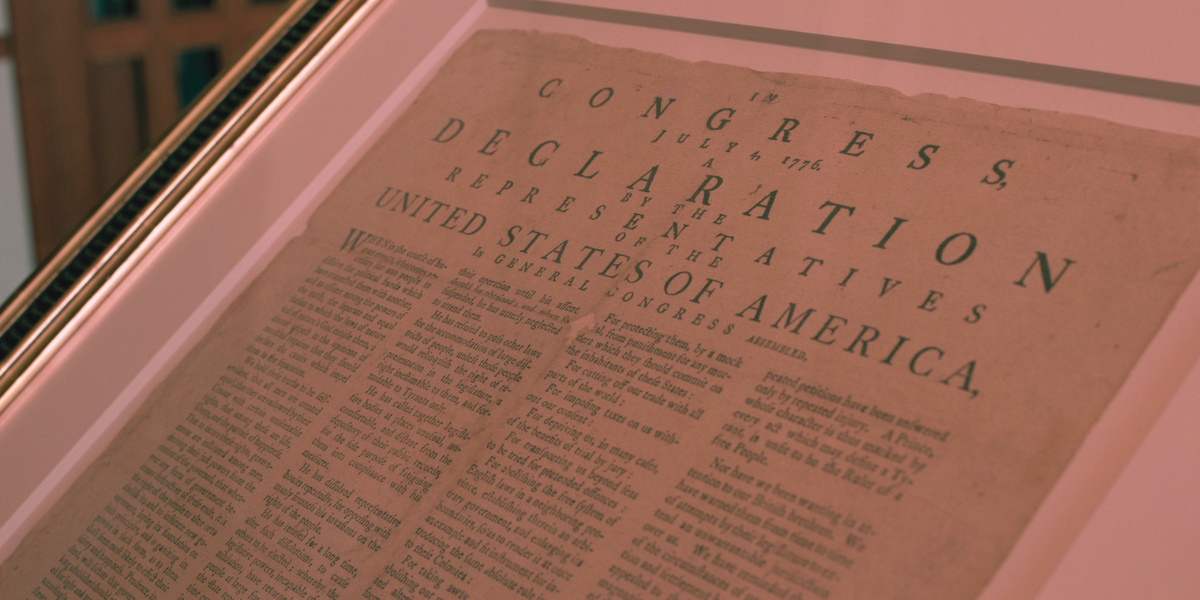
In the summer of 1951, a month after the Declaration celebrated its 175th anniversary, an unmarked panel truck pulled into the basement of the Library of Congress. Once loaded, it drove to the Maryland campus of the National Bureau of Standards, the government’s primary scientific facility. There the Declaration of Independence and Constitution were placed in the care of Gordon M. Kline, chief of the Plastics Section. Kline and his team had one focus: to create the most technologically sophisticated cases that science could envision to preserve these delicate parchments for posterity.Article continues after advertisement
Kline’s mission had started before World War II. In 1940 Archibald MacLeish had charged the National Bureau of Standards with determining the best way to conserve the Declaration and Constitution. The war pulled the Bureau away from these efforts, but once peace returned, Kline and his scientists had gone back to work.
Past efforts at protecting the Declaration paled in comparison to the full power of modern science brought to bear for the first time to preserve the timeworn parchment.
By 1951, Kline’s team had run years of tests. They had examined different sealing materials and analyzed a range of inert gases. They had explored optimal humidity levels: too much and the document would lose strength, too little and it would become brittle. They had experimented with different types of glass, created new paper backing, and designed special sensors so that the environment surrounding the document could be constantly monitored. At last, they were ready, and the Declaration was taken out of the shrine in the Library of Congress to be delivered to the scientists.