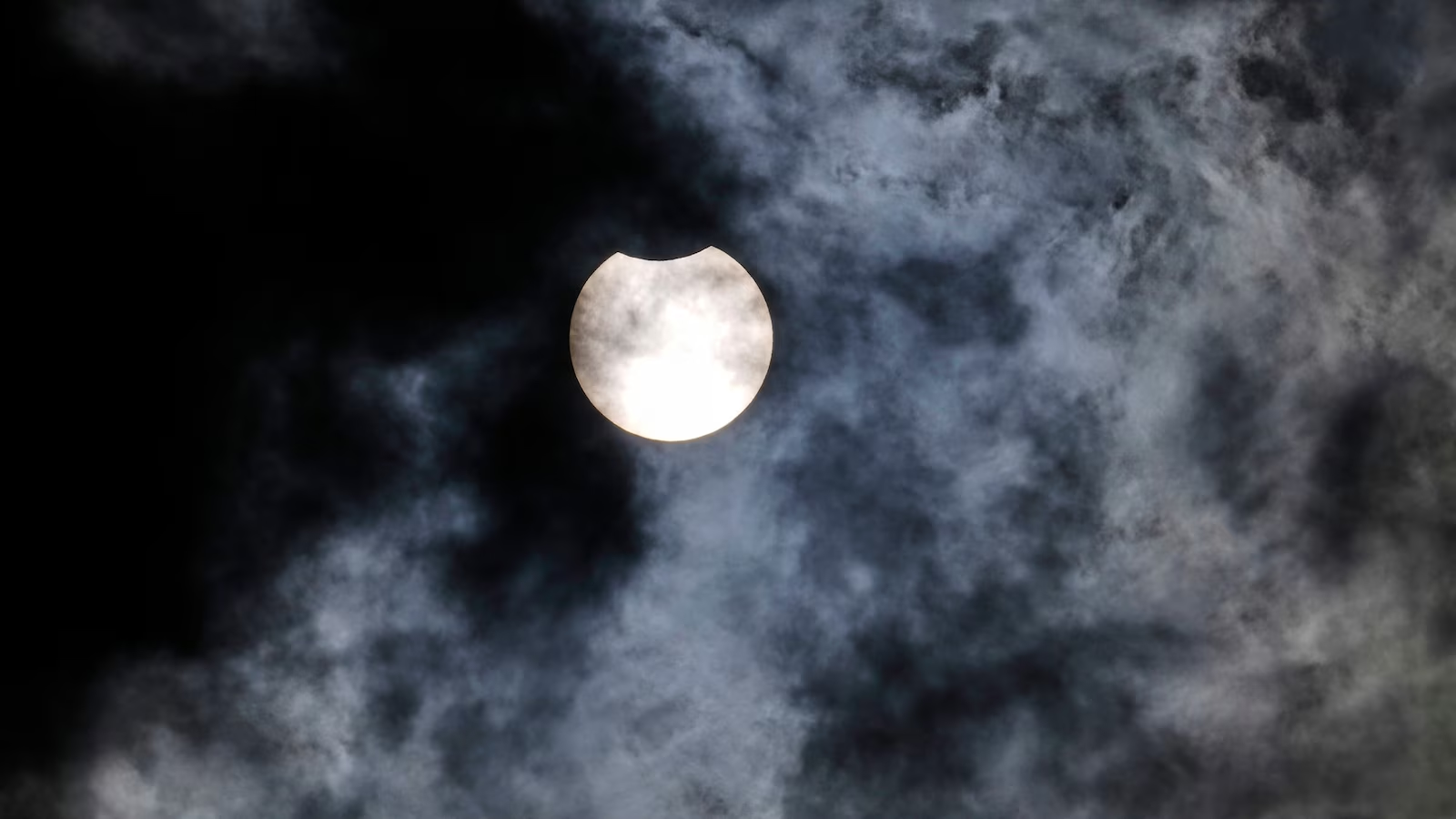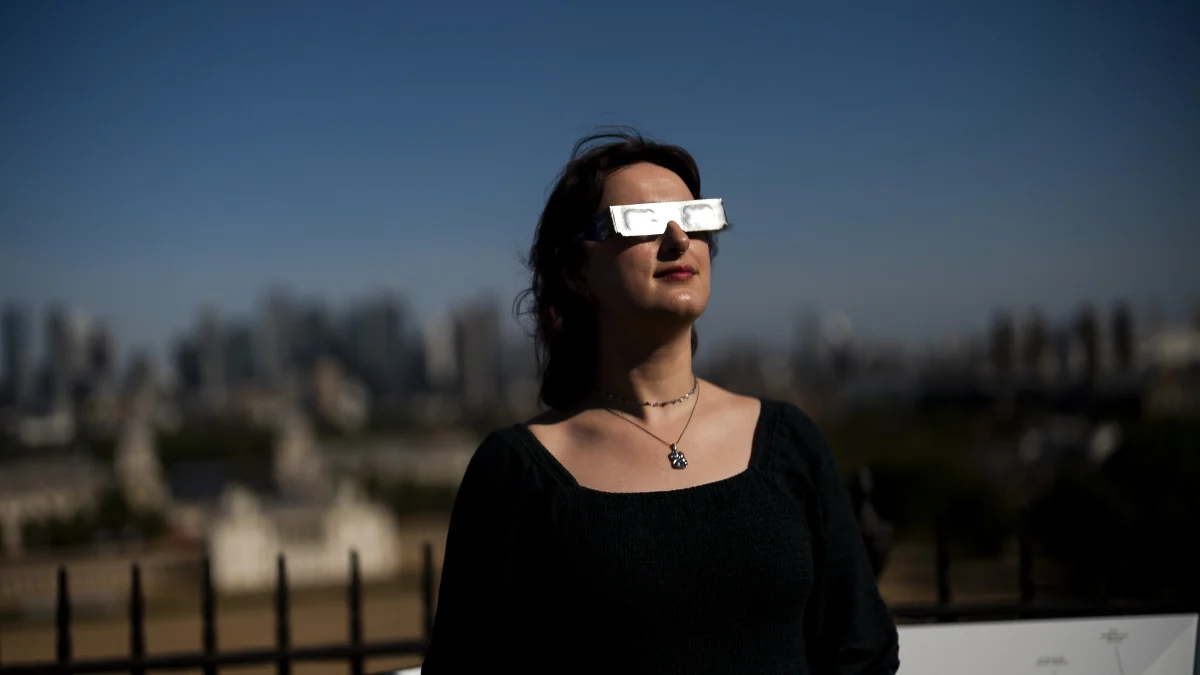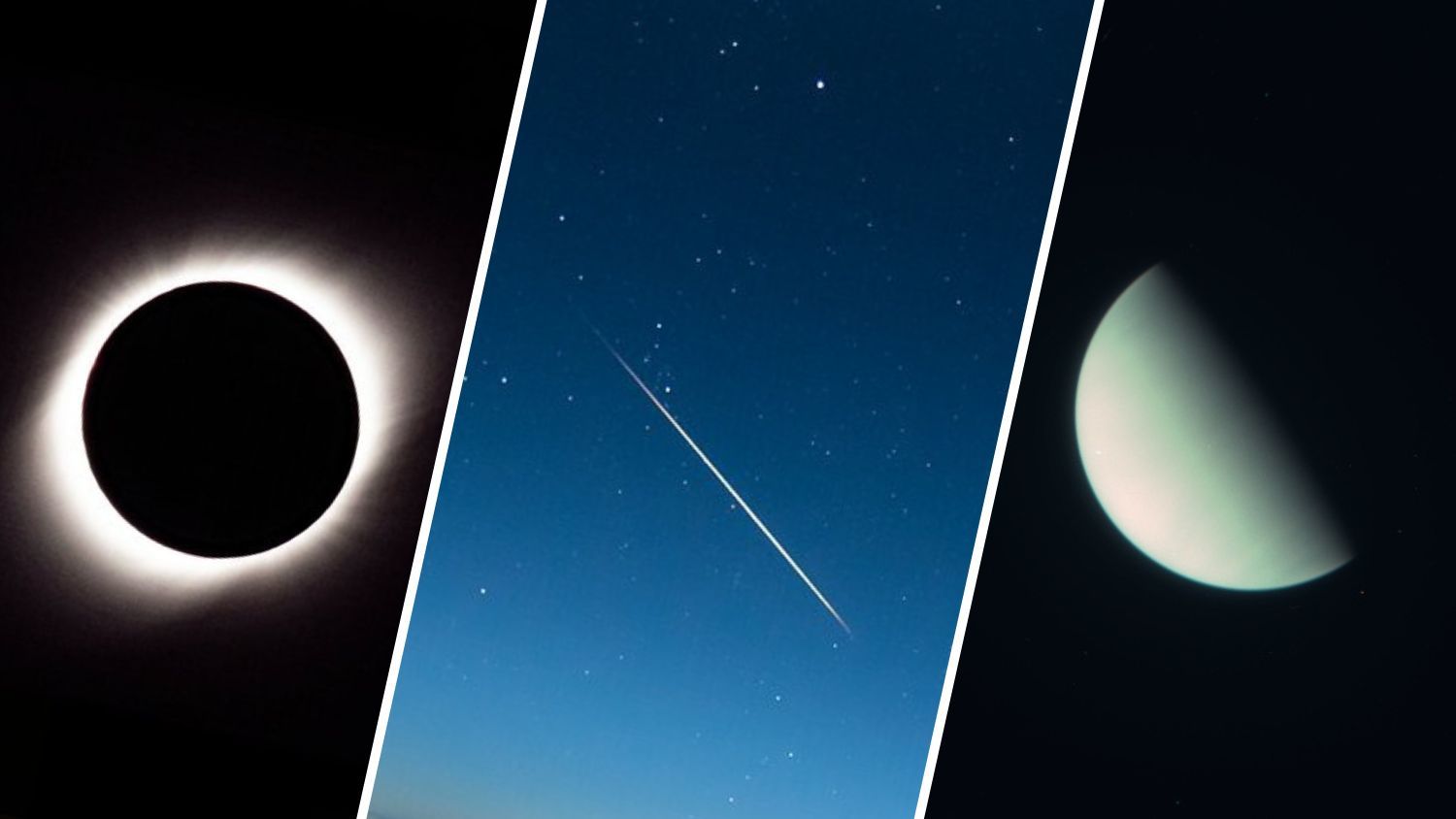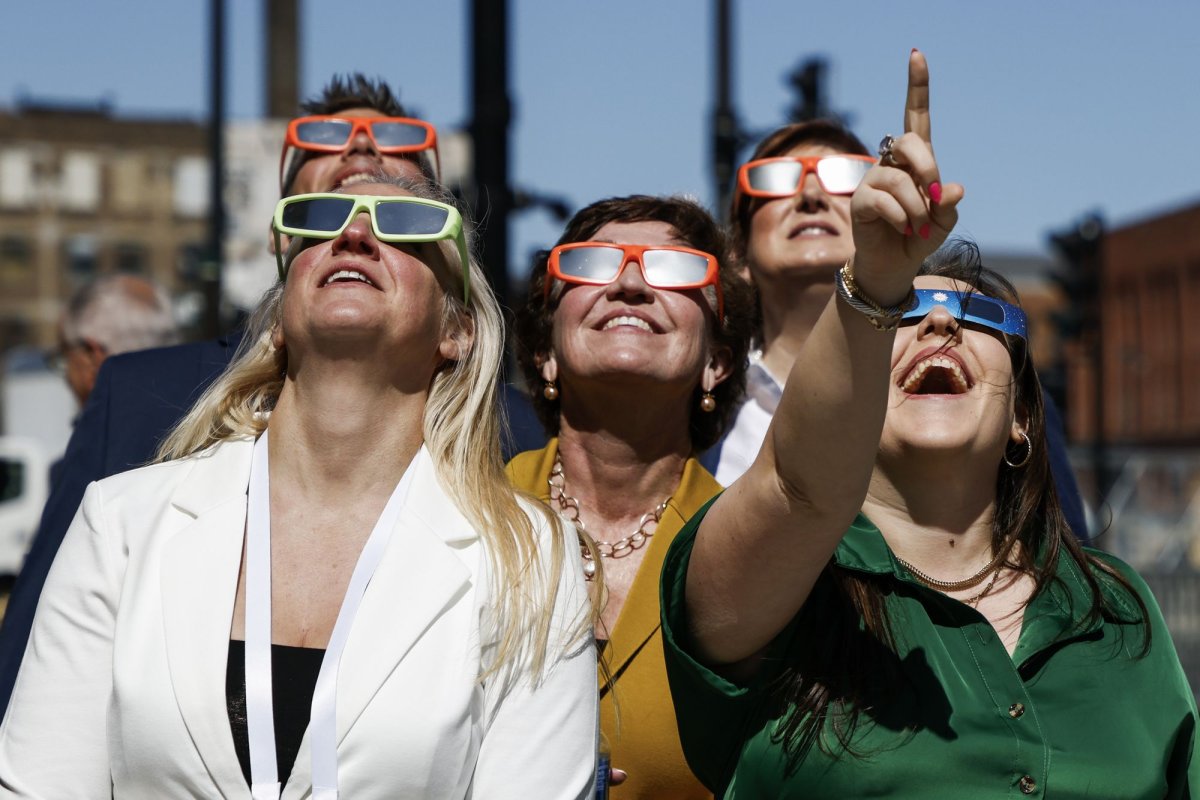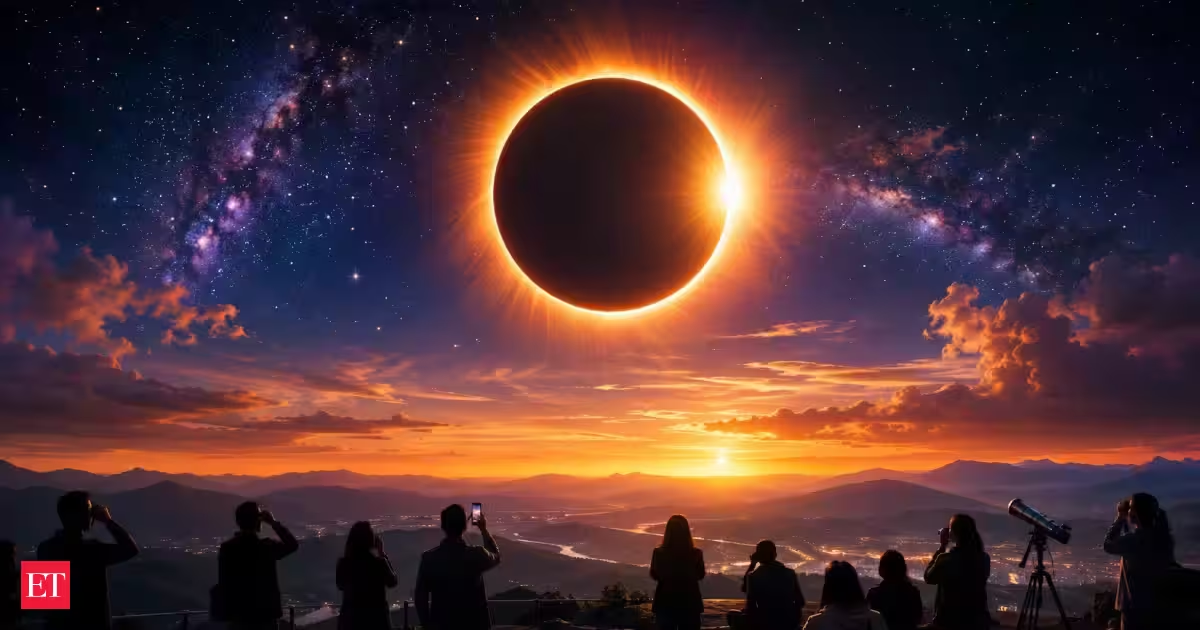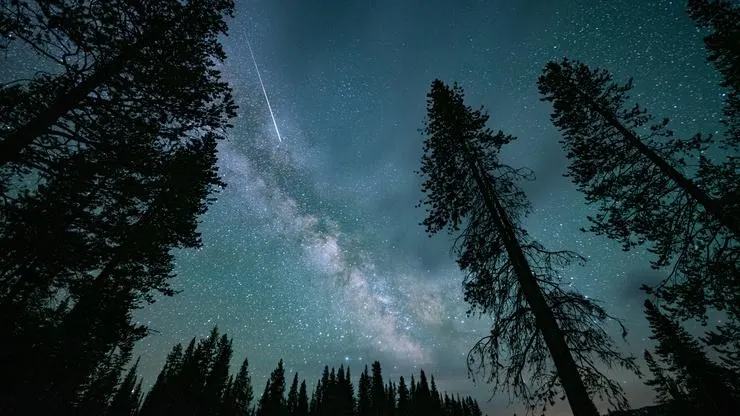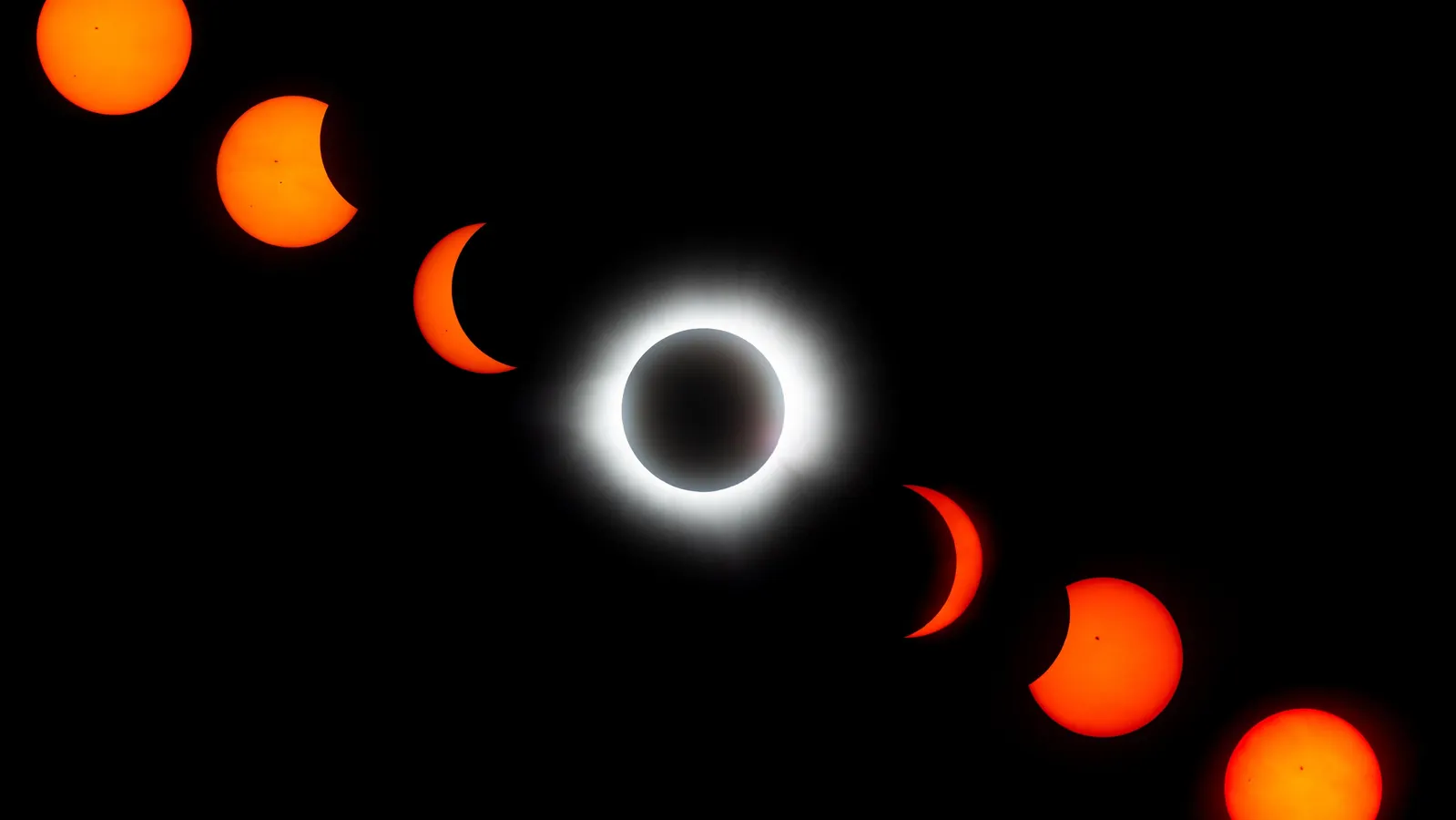
The Great North American Eclipse is seen using seven interval timer photos to show the full evolution of eclipse on April 08, 2024 in Mazatlan, Mexico (multiple exposures were used in the creation of this digital composite image. (Photo by Hector Vivas/Getty Images)Getty ImagesWith the arrival of the summer solstice this weekend, the Northern Hemisphere’s summer is here. It brings some of the year’s finest skywatching, from bright full moons to meteor showers, planetary displays and a rare solar eclipse. With longer evenings, warmer nights and the Milky Way rising into view, the next three months will bring plenty of reasons to look up. Here are the highlights:1. June’s Full ‘Strawberry Moon’ RisingThe summer season begins with the full Strawberry Moon on Monday, June 29, reaching 100% illumination at 7:58 p.m. EDT, about the same time it rises on the West Coast of North America. From the East Coast, the magical moment will come about 8:50 p.m. EDT. This full moon is also a micromoon, meaning it appears slightly smaller because it is near its farthest point from Earth.Sky and Mountain Forest at Night with Milky Way Galaxygetty2. Summer Milky WayJune, July, August and September offer some of the best Northern Hemisphere views of the Milky Way. During new moon weeks (the week between the last quarter moon and new moon), the galaxy’s bright core climbs into the southeastern sky. For the clearest view, find a dark-sky location away from streetlights.3. July’s Full ‘Buck Moon’ RisingThe full Buck Moon arrives on Wednesday, July 29. Named for the season when young deer grow new antlers, it will provide a bright summer spectacle, especially as it rises above the horizon after sunset.MORE FOR YOU4. A Rare Total Solar EclipseThe standout event of the season is the total solar eclipse on August 12, visible from eastern Greenland, western Iceland and northern Spain. It will be mainland Europe’s first total solar eclipse since 1999, with partial views across parts of Europe, Africa and North America.The Perseid meteor shower reaches its peak under dark-sky conditions this year. getty5. Peak Of The Perseid Meteor Shower Peaks Overnight on Ayg. 12-13 — just after the solar eclipse — the Perseid meteor shower reaches its peak under dark-sky conditions. With the moon out of the way, observers could see dozens of meteors an hour, especially after midnight and before dawn.6. Venus Shines As The ‘Evening Star’Around August 15, Venus peaks as a striking “Evening Star”, shining brightly after sunset. The planet will sit far from the sun in the sky, making it easy to spot low in the west as twilight fades. Put any small telescope on it and you’ll see that is’ now 50%-lit as it gets closer to Earth.The moon, with a partial lunar eclipse, is seen behind the Statue of Freedom, on Capitol Hill in Washington, DC early on November 19, 2021. (Photo by Andrew CABALLERO-REYNOLDS / AFP) (Photo by ANDREW CABALLERO-REYNOLDS/AFP via Getty Images)AFP via Getty Images7. A 96% ‘Sturgeon Moon Eclipse’ The season closes with a dramatic partial lunar eclipse on August 27–28, coinciding with the full Sturgeon Moon. More than 96% of the lunar surface oon will pass into Earth’s shadow, creating a near-total eclipse with a possible reddish tint.Wishing you clear skies and wide eyes.
Seven Spectacular Stargazing Events To See This Summer
Summer 2026 in the Northern Hemisphere will see some of the year’s best skywatching, from full moons to meteor showers, planetary displays and a rare solar eclipse.
544 words~2 min read