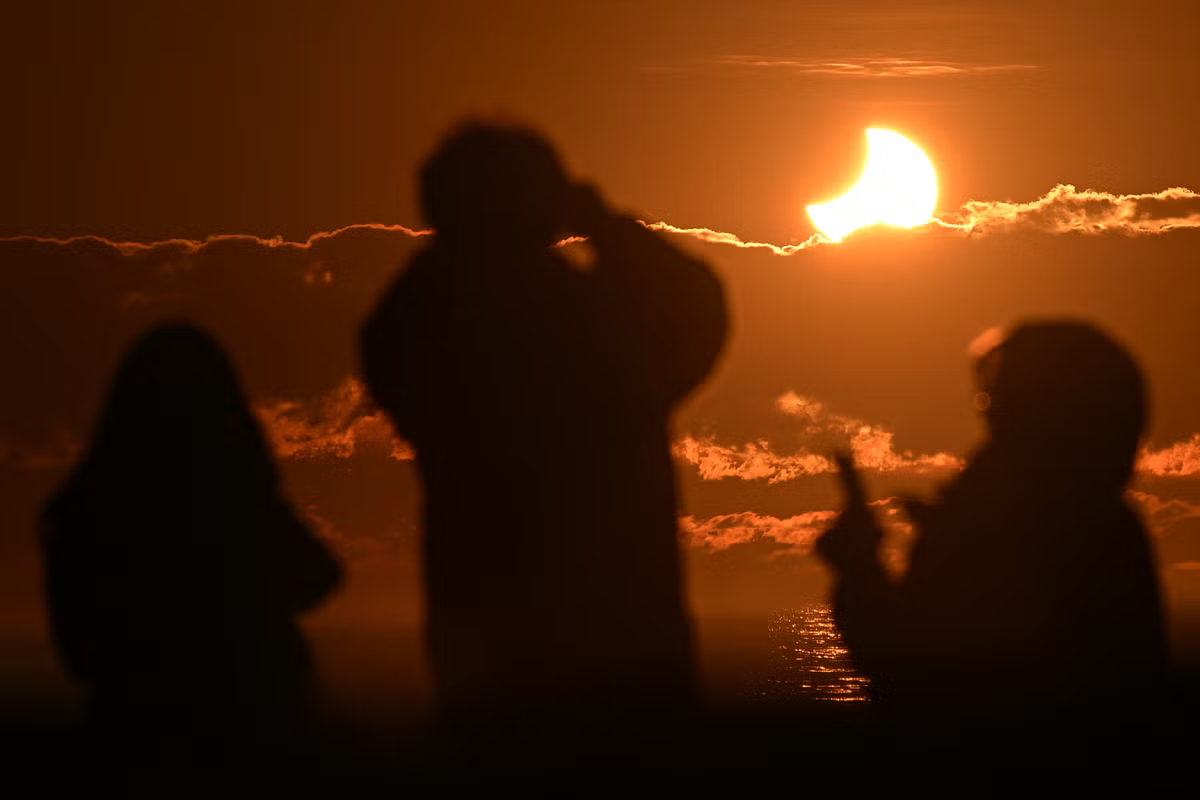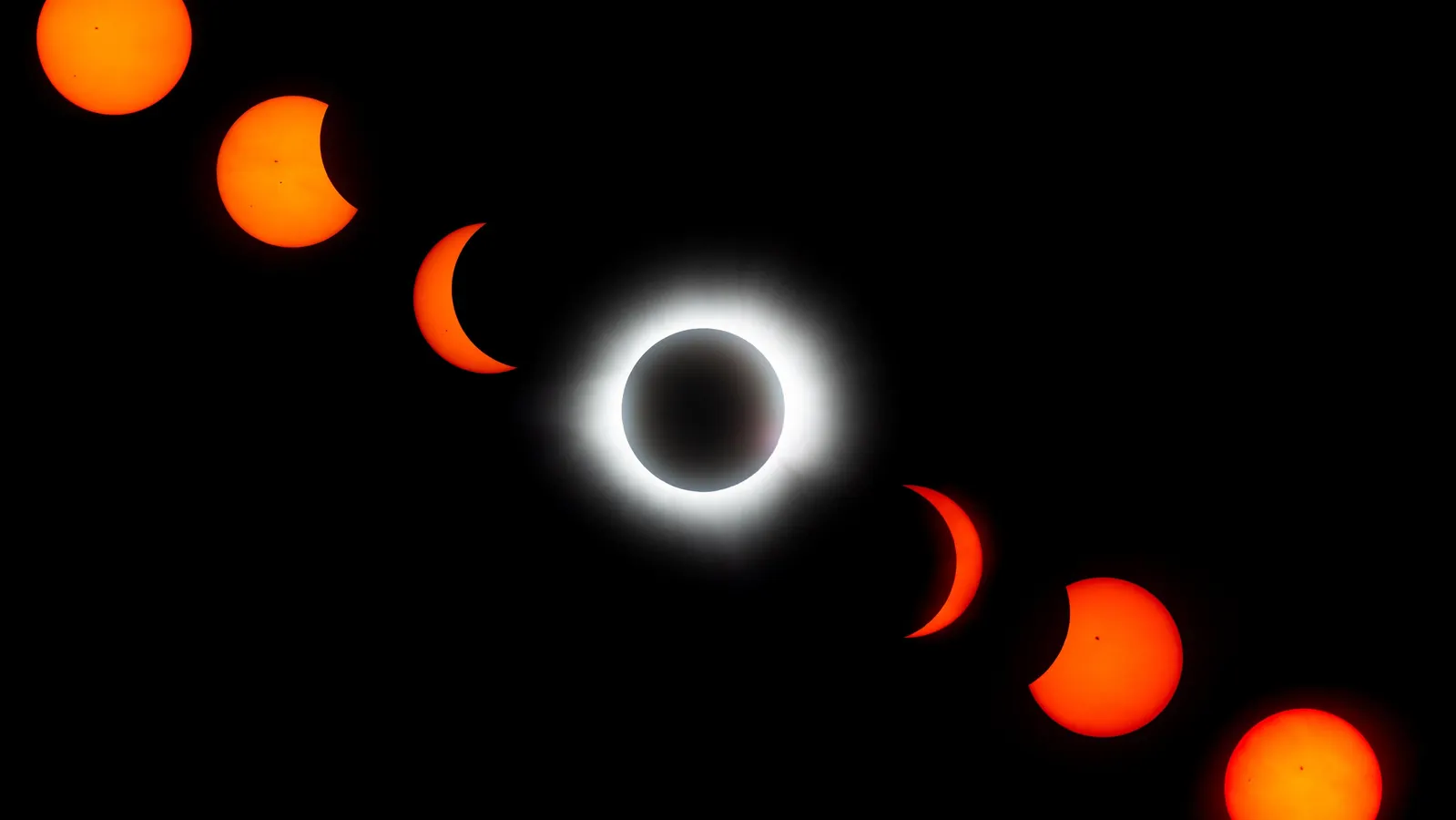
People watch through special solar glasses as the moon moves across the sun during the 2024 solar eclipse in Milwaukee, Wis., on April 8, 2024. The first total solar eclipse since the 2024 event will take place in August. File Photo by Tannen Maury/UPI | License Photo
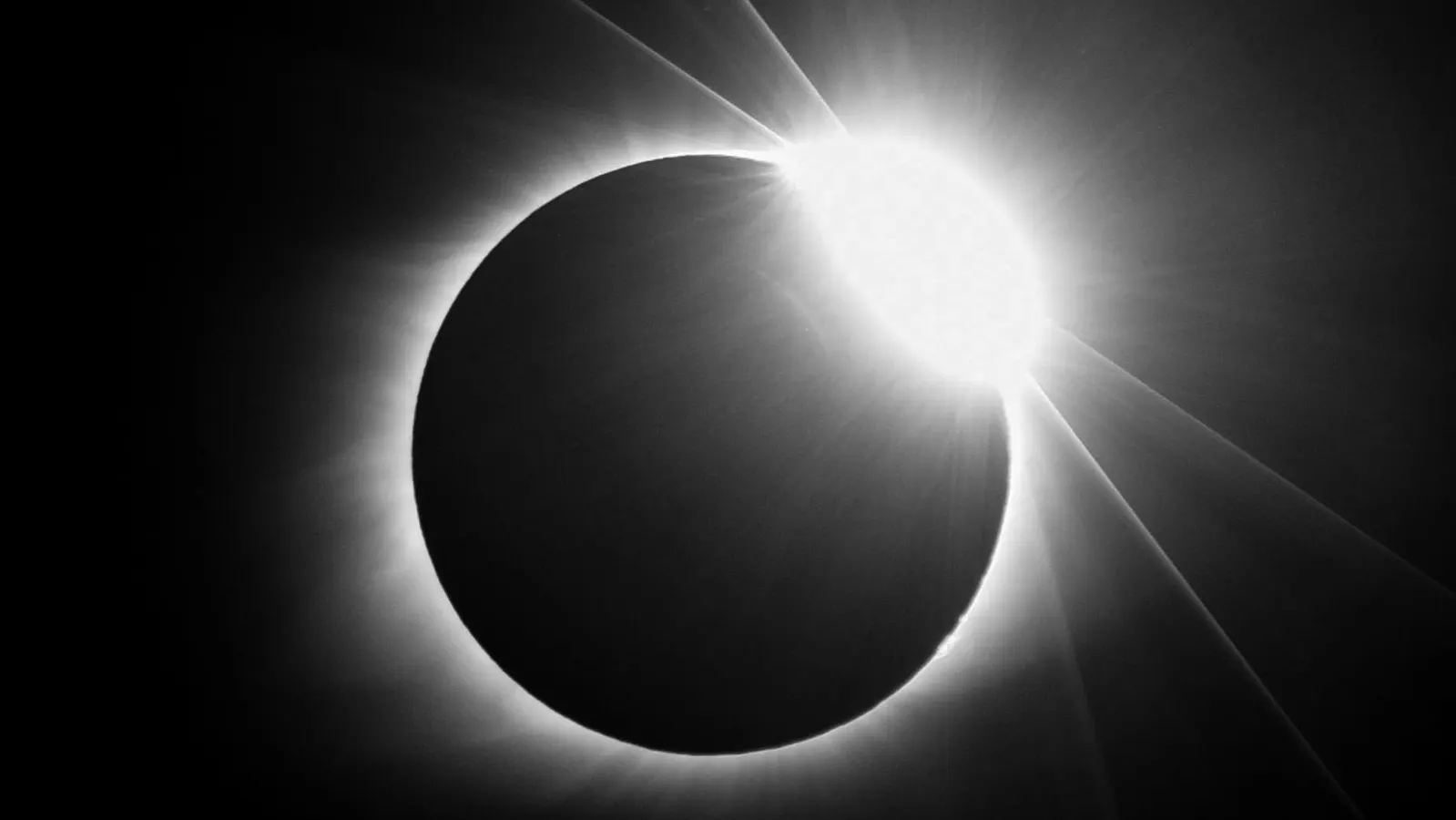
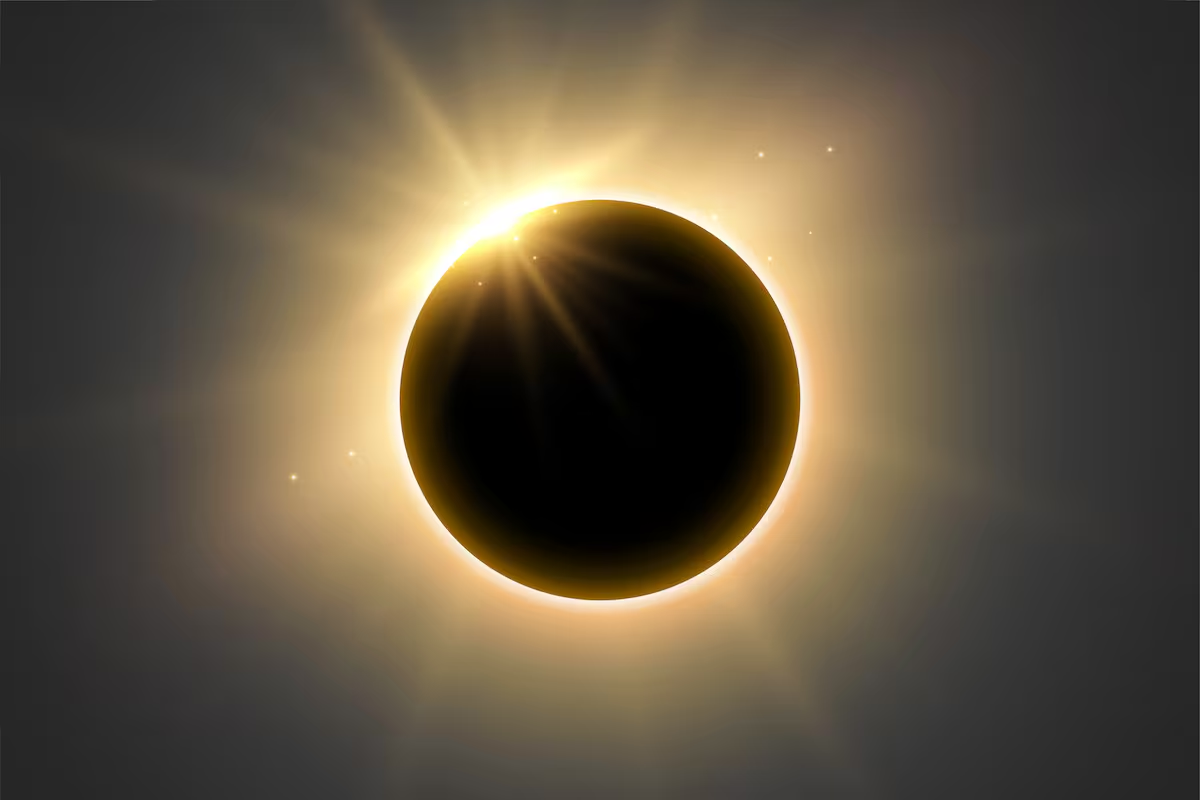
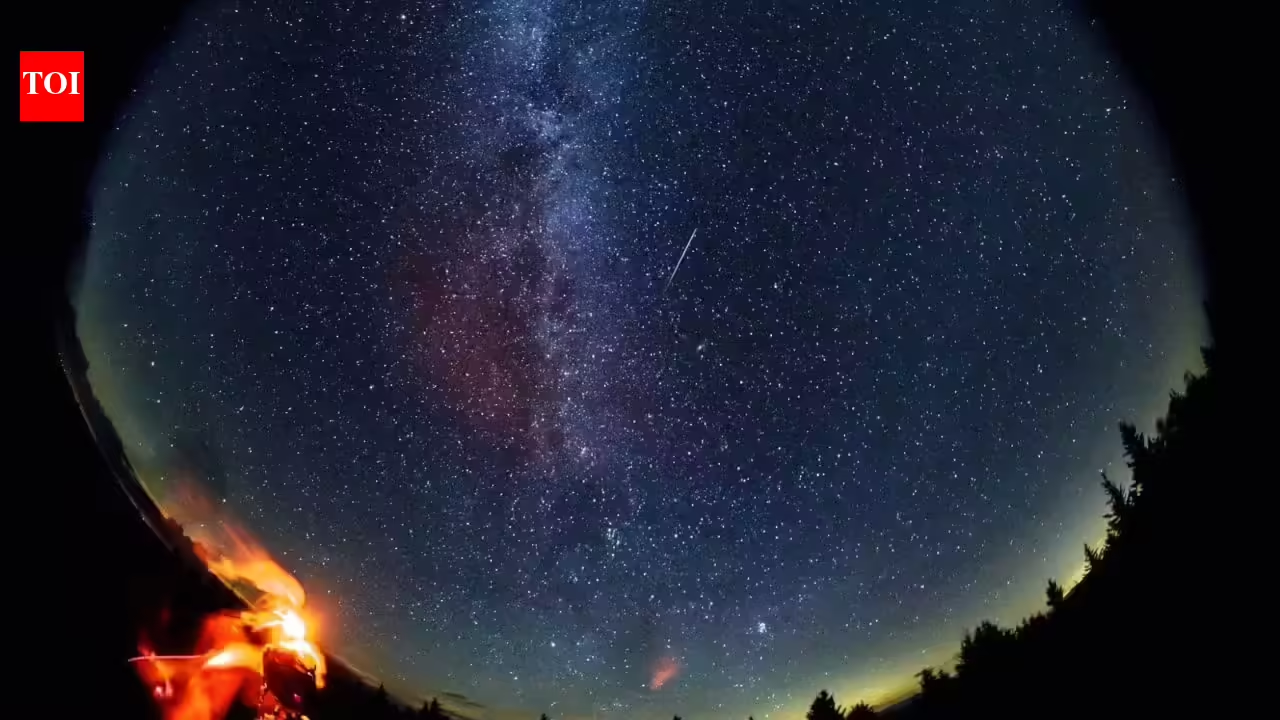
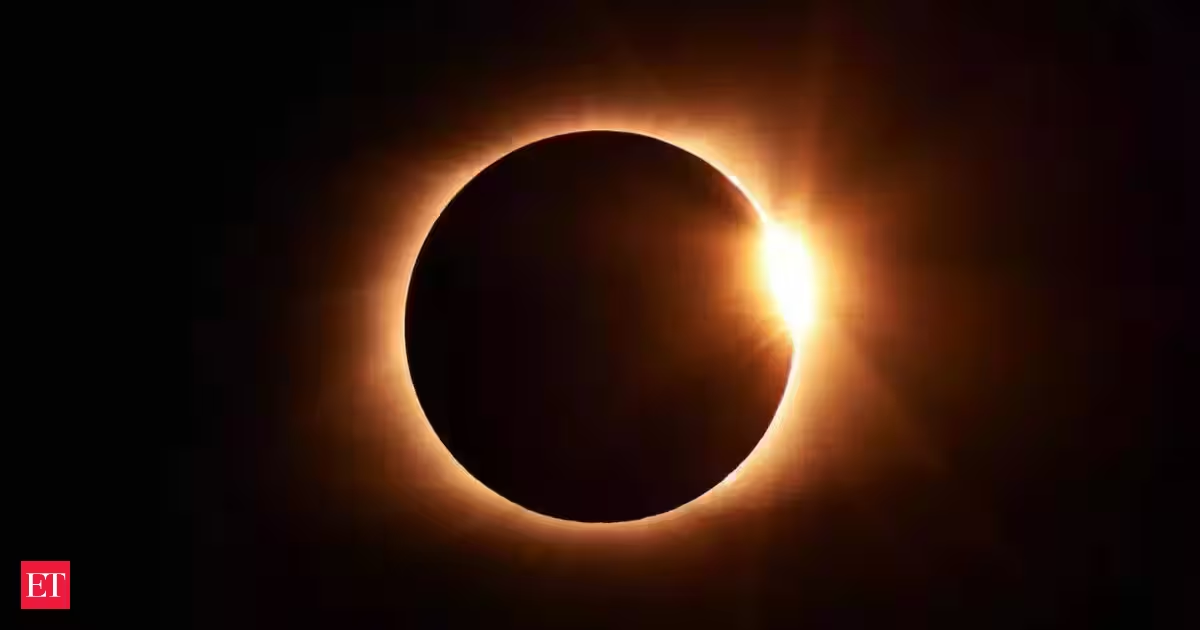
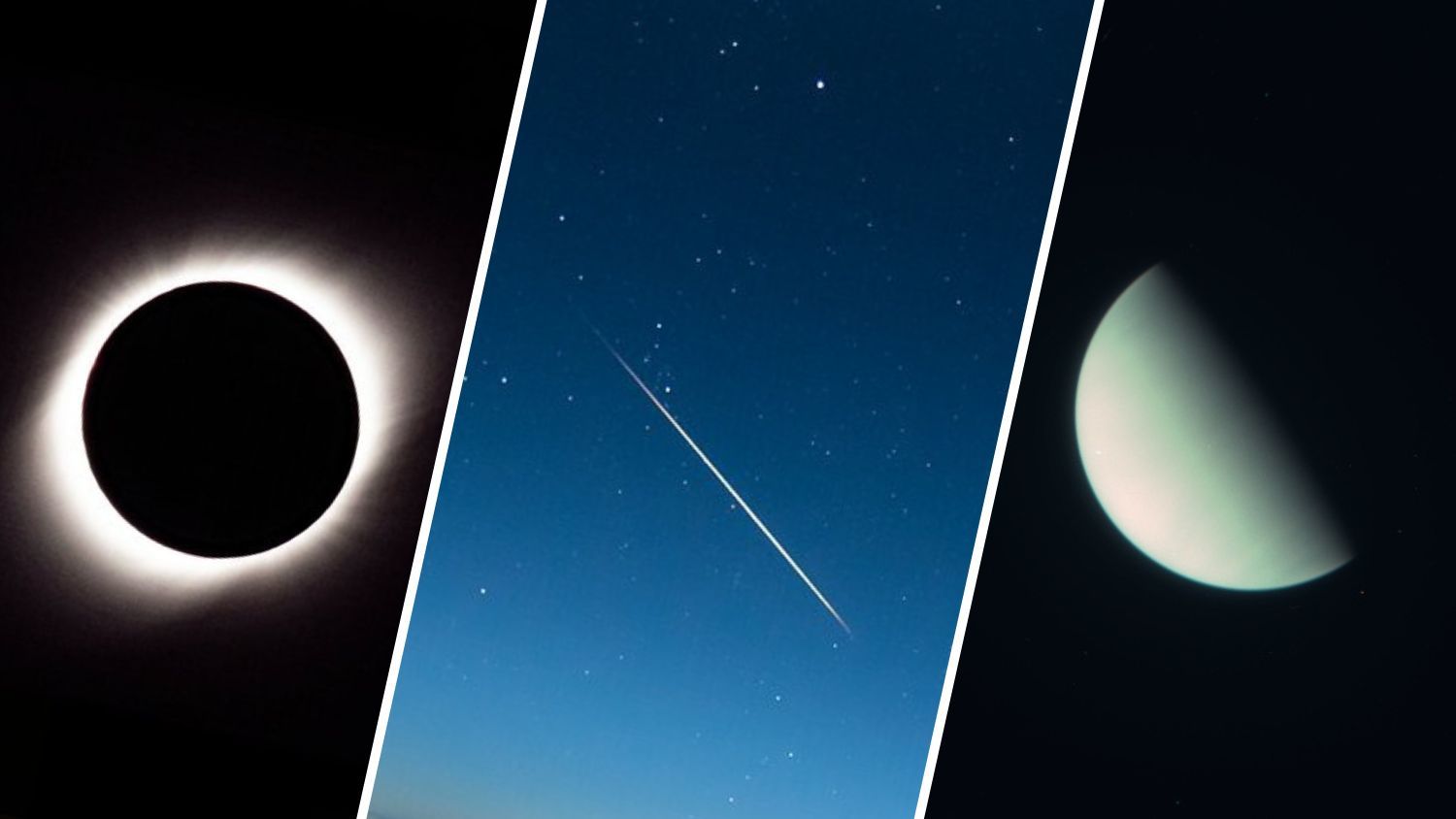
August will feature three major astronomical events, including the first total solar eclipse visible anywhere in the world since 2024, followed just hours later by one of the year's most popular meteor showers.
Days also start to get noticeably shorter across the Northern Hemisphere in August. Across more than half of the United States, there is more than an hour less daylight on Aug. 31 than on Aug. 1.
Total solar eclipse: Aug. 12
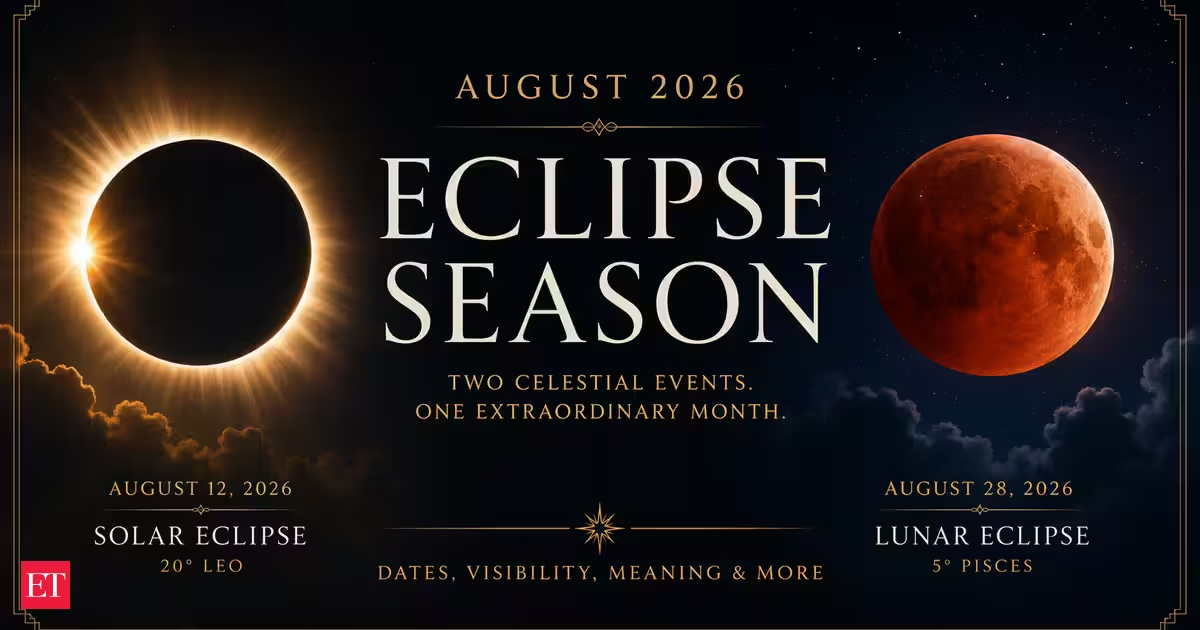
The month's biggest event arrives on Aug. 12, when the moon will completely block out the sun along a narrow path across parts of Spain, Portugal, Iceland and Greenland. Totality will last up to 2 minutes and 18 seconds, less than half the length of the total solar eclipse that crossed North America in April 2024.