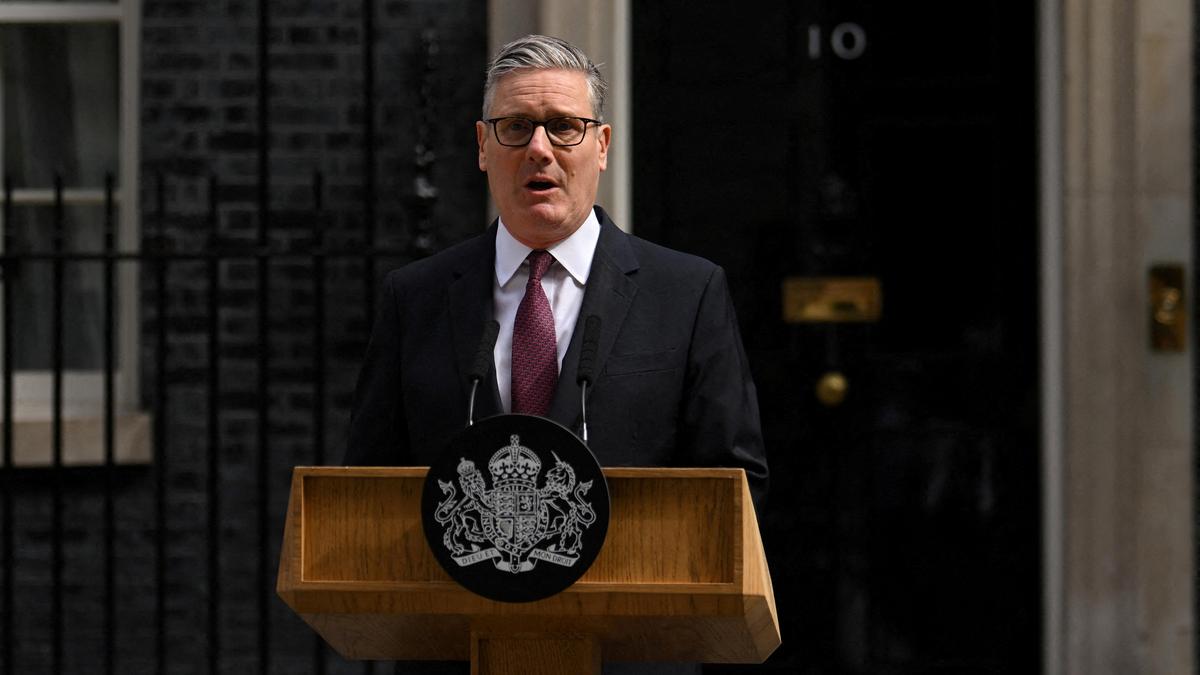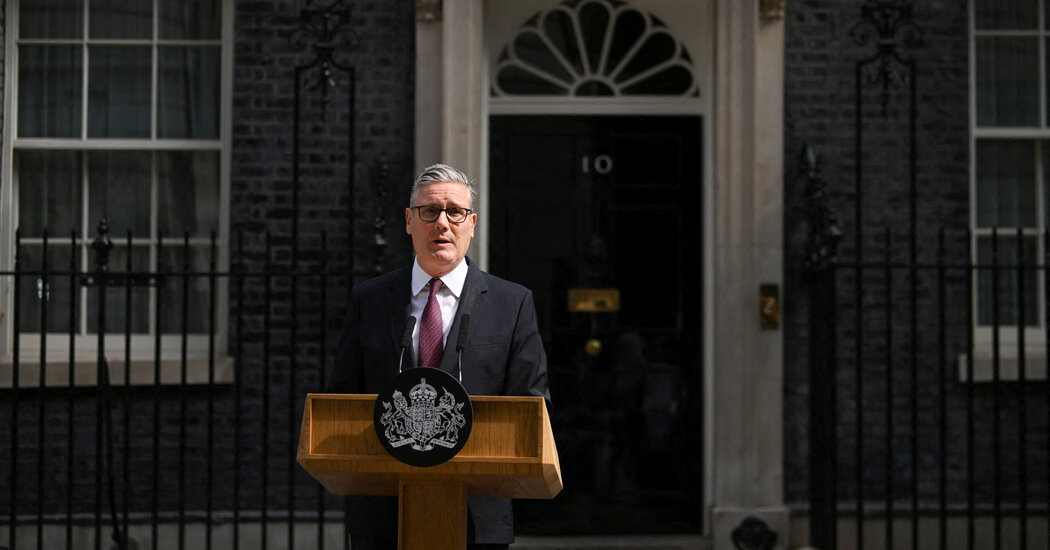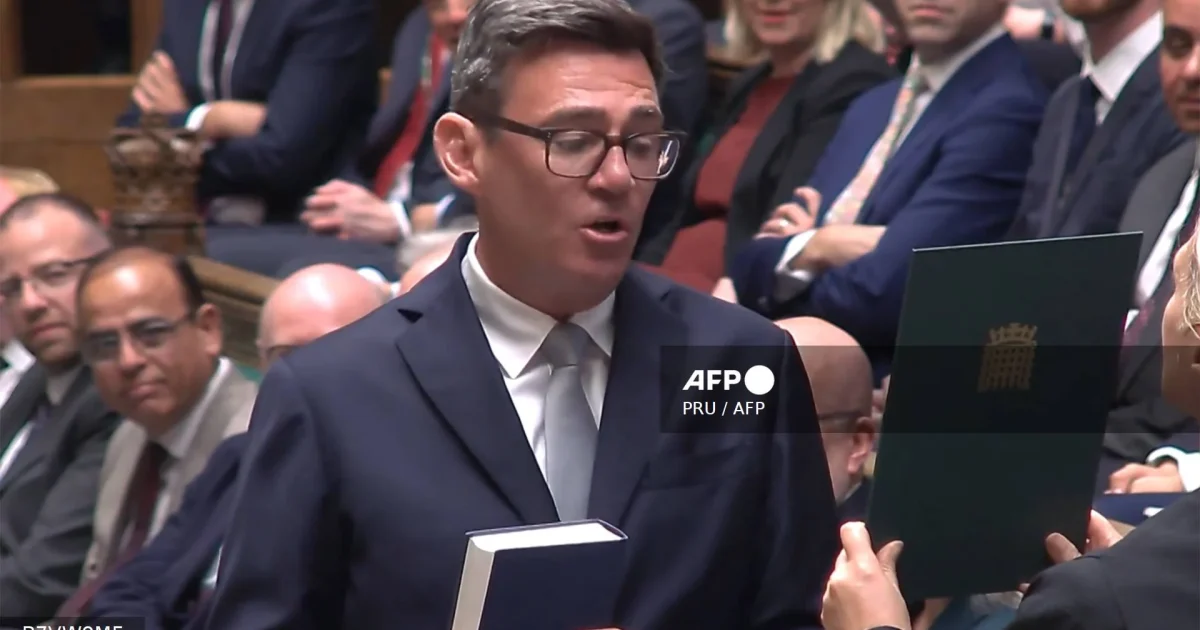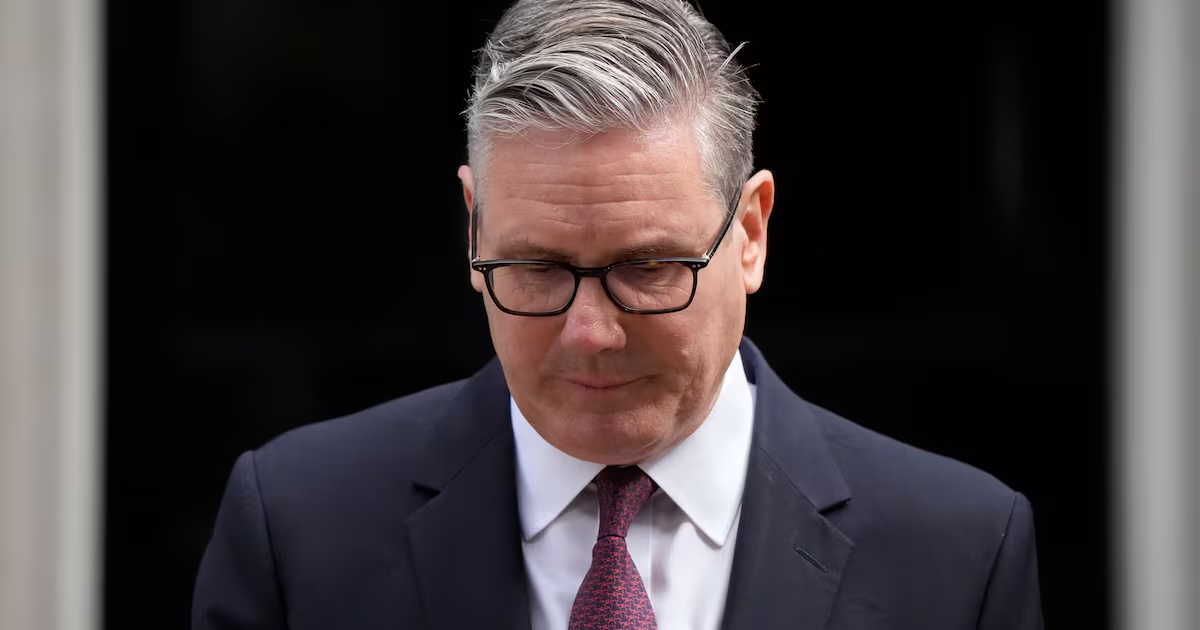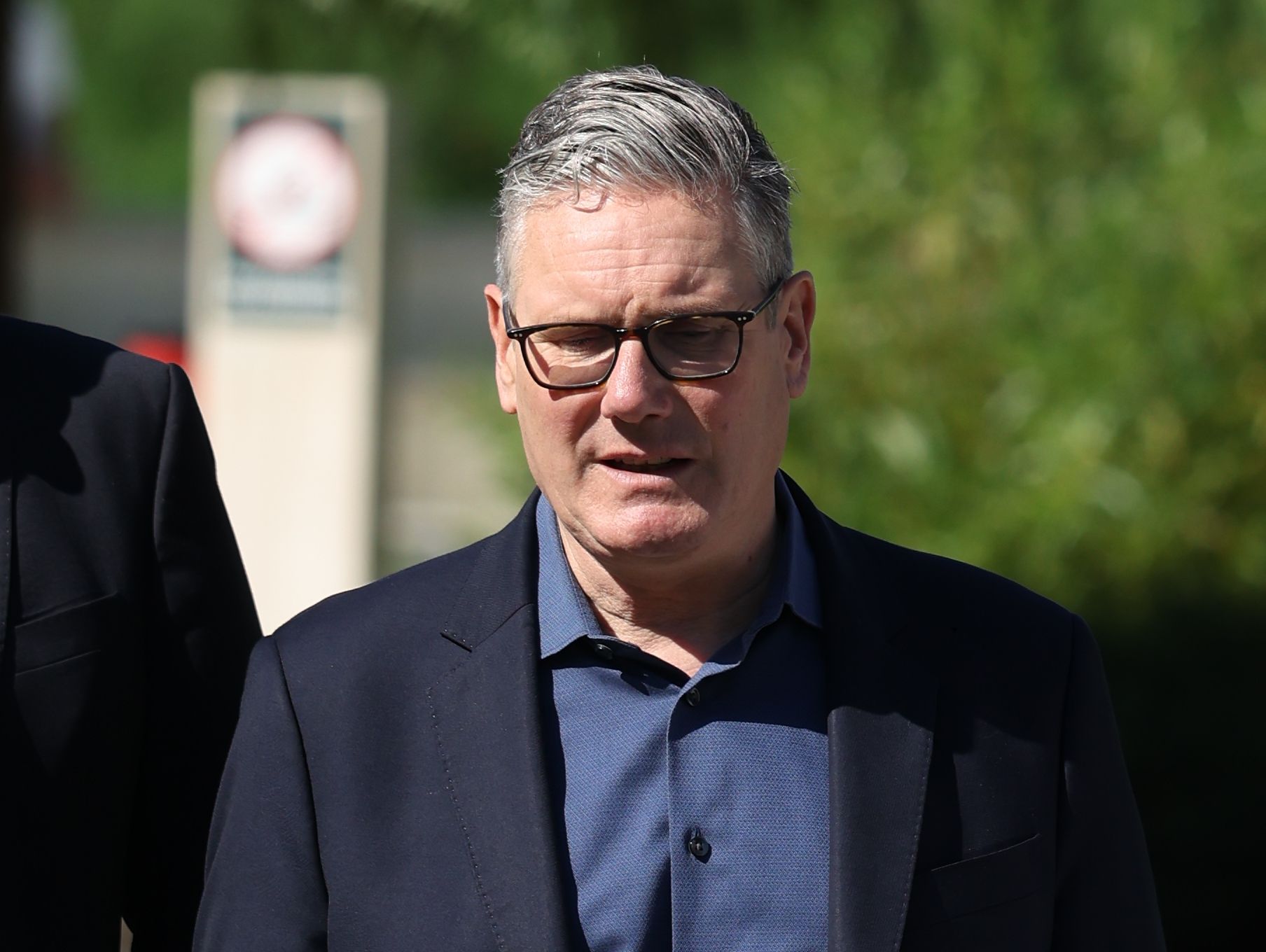
That’s all for tonight By Emily KaineLatest Posts9.23pmKremlin says Starmer’s exit unlikely to change UK’s hostile attitude towards RussiaBy The Kremlin says the departure of Starmer, a strong supporter of Ukraine, is unlikely to change what it characterises as London’s hostile attitude towards Russia.“Starmer has not done anything to distinguish himself on the issue of British-Russian relations,” Kremlin spokesman Dmitry Peskov told reporters.“He has always been in favour of keeping relations at a zero level. It is unlikely that anyone on the British political scene will hold a position on our country that differs from Starmer’s.”Meanwhile, Ukrainian President Volodymyr Zelensky has also posted:Reuters9.16pmPrime ministers in Westminster versus Canberra over the years By David CroweAustralians may be surprised that the UK will have yet another prime minister within three months, but the moves against Keir Starmer have gone on for months because so many of his Labour colleagues were determined to get rid of him. Australians have seen this internal strife in the Labor and Liberal parties in Canberra, but there have been more upheavals in Westminster over the past two decades. Here is the comparison in prime ministerial ranks:British and Australian prime ministers over the yearsBritish prime ministers over 20 years:Tony Blair (1997–2007)Gordon Brown (2007–2010)David Cameron (2010–2016)Theresa May (2016–2019)Boris Johnson (2019–2022)Liz Truss (2022)Rishi Sunak (2022–2024)Keir Starmer (2024-2026)Australian prime ministers over 20 years:John Howard (1996-2007)Kevin Rudd (2007-2010)Julia Gillard (2010-2013)Kevin Rudd (2013)Tony Abbott (2013-2015)Malcolm Turnbull (2015-2018)Scott Morrison (2018-2022)Anthony Albanese (2022-present)9.08pmProtester blares Ode to Joy from speaker during Starmer resignation By Emily KaineYou might have noticed some particularly cheerful music playing quite loudly during Keir Starmer’s resignation address earlier.That was actually the anthem of the EU, Beethoven’s Ode to Joy, being played on a speaker by a protester at the bottom of Downing Street.John Kay, a presenter with the BBC, was asked why it was playing during the broadcaster’s stream of Starmer’s resignation.“We should probably just explain to people who are slightly baffled by the musical background, Ode to Joy, Beethoven, [the] EU anthem, effectively, playing in the background. That’s a protester playing it on a speaker at the bottom of Downing Street. That’s not part of the Downing Street ambience or a media addition,” Kay said.Starmer told British radio station Classic FM in 2023 that Ode to Joy was the piece that best summed up the Labour Party.8.48pmRead Starmer’s resignation statement in fullBy Here is what British Prime Minister Keir Starmer said as he announced he was stepping down as Labour leader, just two years after being elected in a landslide.“Thank you. Walking up this street two years ago was the proudest moment of my life. A new Labour government. The first in 14 years. A page in our country’s history turned after years of disappointment and despair.“The chance to change the lives of millions of people for the better. That’s what I came into politics for. The journey to that point was not easy.“Six years ago, I inherited a Labour Party that was politically, financially and morally bankrupt. I was told, time and time again, that my party was finished.“That we were consigned to history, that a majority at the general election, let alone a landslide majority, was impossible. But we proved those people wrong because we changed our party.8.41pmAn incredible rise for Andy Burnham – and totally different to other leadership spillsBy David CroweAndy Burnham is about to achieve a seriously astonishing rise to power in a way rarely seen in the Westminster system in Britain or elsewhere, including Australia.Until last Thursday, he was the mayor of a major city but had no seat in parliament. Now he is the obvious choice to be the country’s next prime minister. And he seems likely to get there without a ballot.Andy Burnham is looming as the next Labour leader.AP Photo/Jon SuperThis is a radical departure from the leadership spills the British and Australian public have seen over the years. Burnham emerged as the clear leader before he was even sworn into parliament – an event due to happen in the House of Commons on Monday afternoon, local time (just after midnight, AEST).In most cases, the challenger comes from within cabinet – although Paul Keating quit cabinet to defeat Bob Hawke at a second challenge in 1991 – and has recent cabinet experience at the top of government. Not with Burnham.8.26pmHow Nigel Farage wants to seize this moment for Reform UKBy David CroweThe right-wing leader Nigel Farage, who wants to cut migration and slash welfare spending, has called for an election so the British people can have their say about who replaces Keir Starmer and his ministers. “Britain is broken. We need an election,” he declared in a new essay timed for the crisis within Labour.“If Labour thinks it can shove another professional politician into No 10, it has another thing coming,” Farage posted on X after Starmer’s statement.Reform UK leader Nigel Farage.APThis makes sense for Reform when it has an edge in the national polls: it had 24 per cent of the vote in a YouGov survey last week, ahead of Labour on 19 per cent and the Conservative Party on 19 per cent. In a first-past-the-post system, without the Australian approach of allowing preferences, this might put Farage in power.An election is highly unlikely, however, because Labour has 403 seats in the House of Commons and no incentive to put this at risk.There are questions over support for Farage, given that his candidate was soundly defeated by Labour’s Andy Burnham at the Makerfield by-election last week.But the by-election was not an indicator of future national sentiment, because voters knew that by choosing Burnham they could bring down Starmer. If and when Burnham is prime minister, the dynamic will be very different.8.14pmBurnham puts himself forward for leadership, Streeting steps asideBy Emily KaineAndy Burnham has just made a statement on social media thanking Keir Starmer for his service and announcing his intention to put himself forward for leadership of the British Labour Party.In a post on X, Burnham said Starmer’s decision marked “the beginning of a transition” for the party.“I will put myself forward as part of this process.”Wes Streeting has simultaneously announced he will not challenge for the leadership and threw his support behind Burnham.Streeting had indicated he was interested in the top job last month after resigning from cabinet and calling on Starmer to resign.8.08pmKing Charles to see fourth PM in as many yearsBy Emily KaineThe revolving door of British leaders means King Charles will see his country’s fourth prime minister in as many years when Starmer’s replacement takes office.The first was Liz Truss in 2022, the shortest-serving prime minister in British history, followed by Rishi Sunak, and then Keir Starmer.Starmer’s resignation today paves the way for the fourth.King Charles III pictured this month. Getty Images8.01pmWatch: Starmer’s statement in fullBy 7.44pmWhat are the next steps in deciding Labour’s future leader?By David CroweLabour officials have confirmed their next steps in deciding a future leader in what could be a vote among thousands of party members, but everything depends on whether anyone emerges to run against the clear front-runner, Andy Burnham.The party’s National Executive Committee said it would meet to draft the plans for the contest.“Following the Prime Minister’s announcement today that he intends to resign as leader of the Labour Party, Labour’s ruling body, the National Executive Committee, will shortly agree a timetable for the election of the next leader of the Labour Party,” it said in a statement.Starmer made no statement on who should replace him. In any case, the choice of leader is not his decision – it is up to Labour MPs and party members. But if nobody else stands, the top job will go to Burnham by default.1 of 3
Keir Starmer resignation as it happened: British PM resigns, Andy Burnham declares intention to run as successor
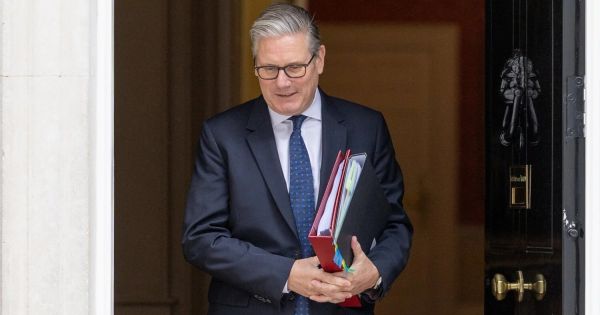
Keir Starmer has resigned as leader of the British Labour Party, paving the way for Andy Burnham to become prime minister.
1,282 words~6 min read