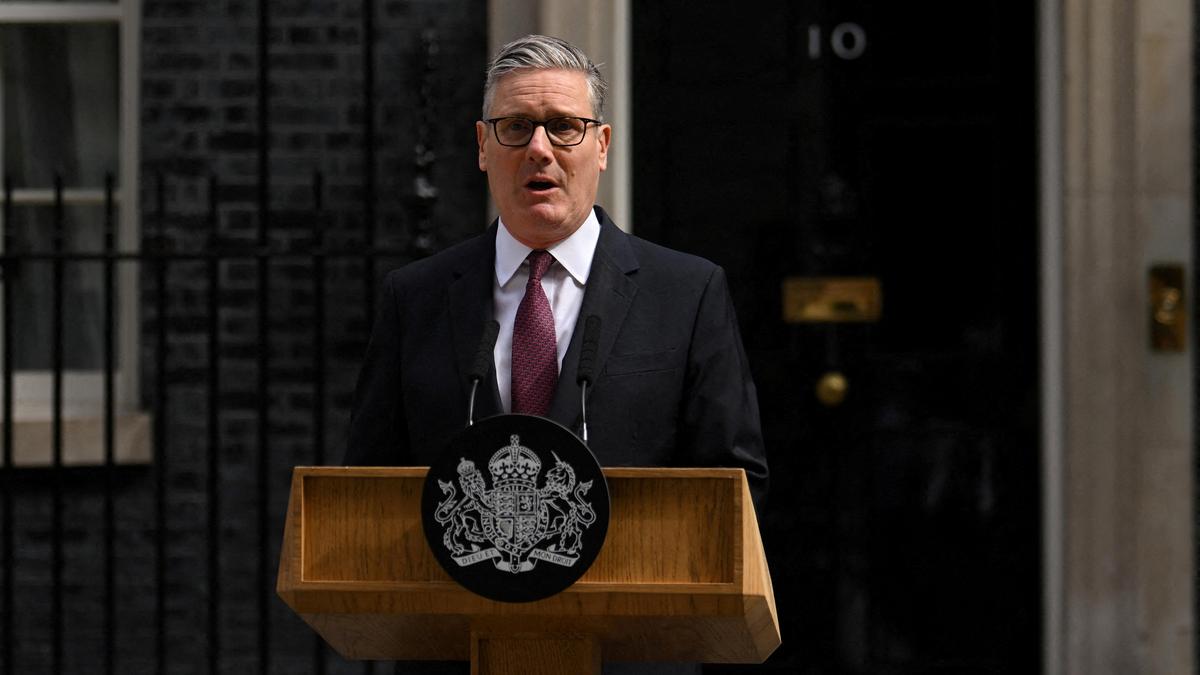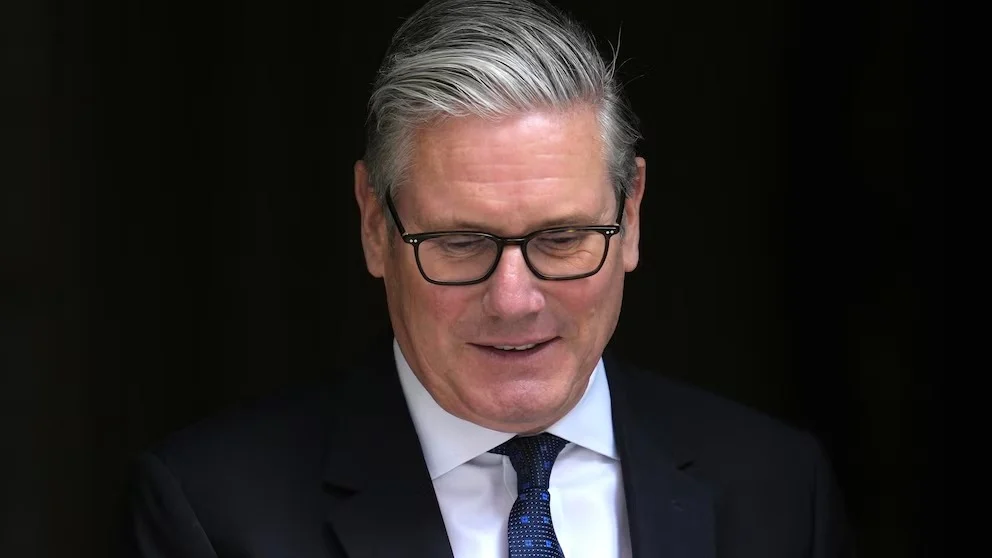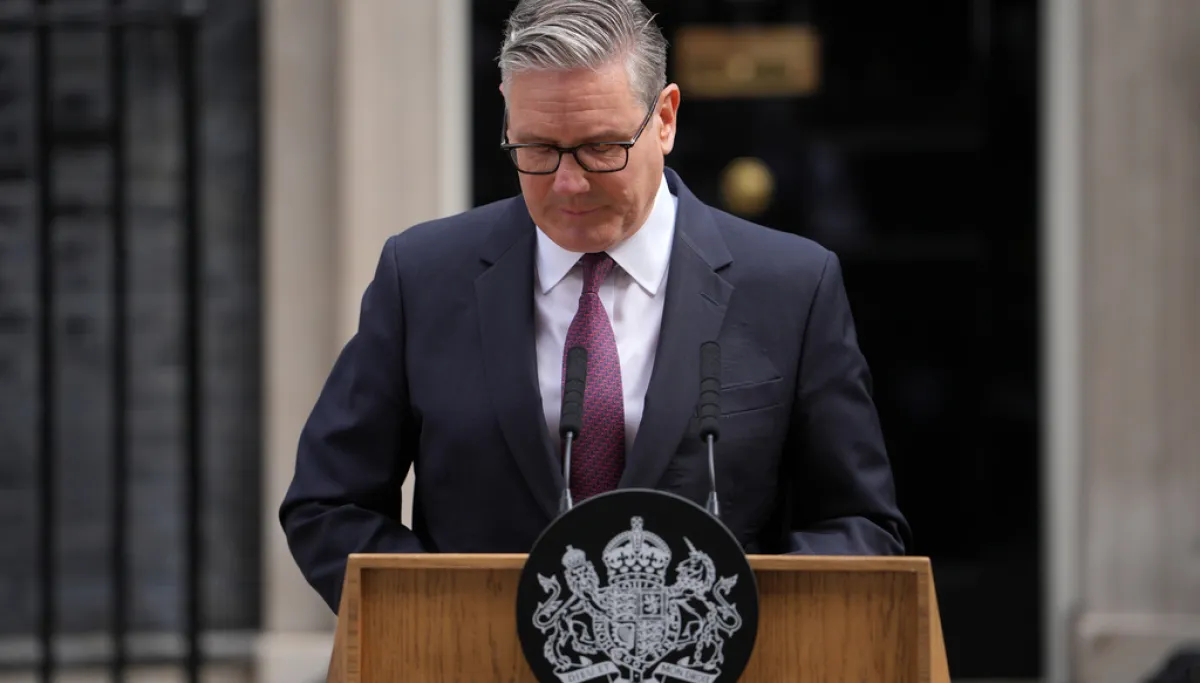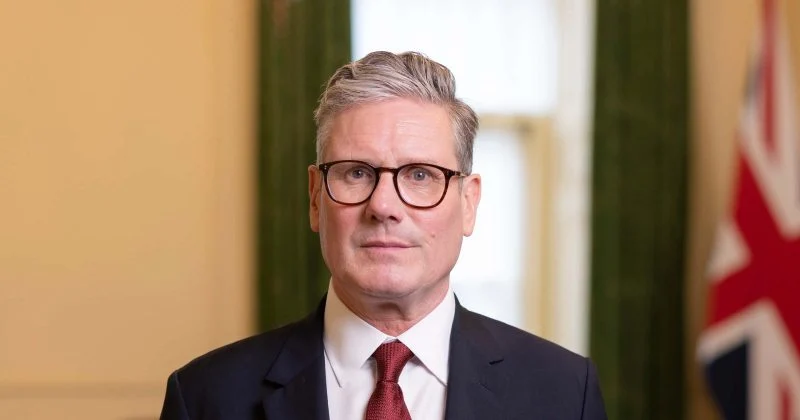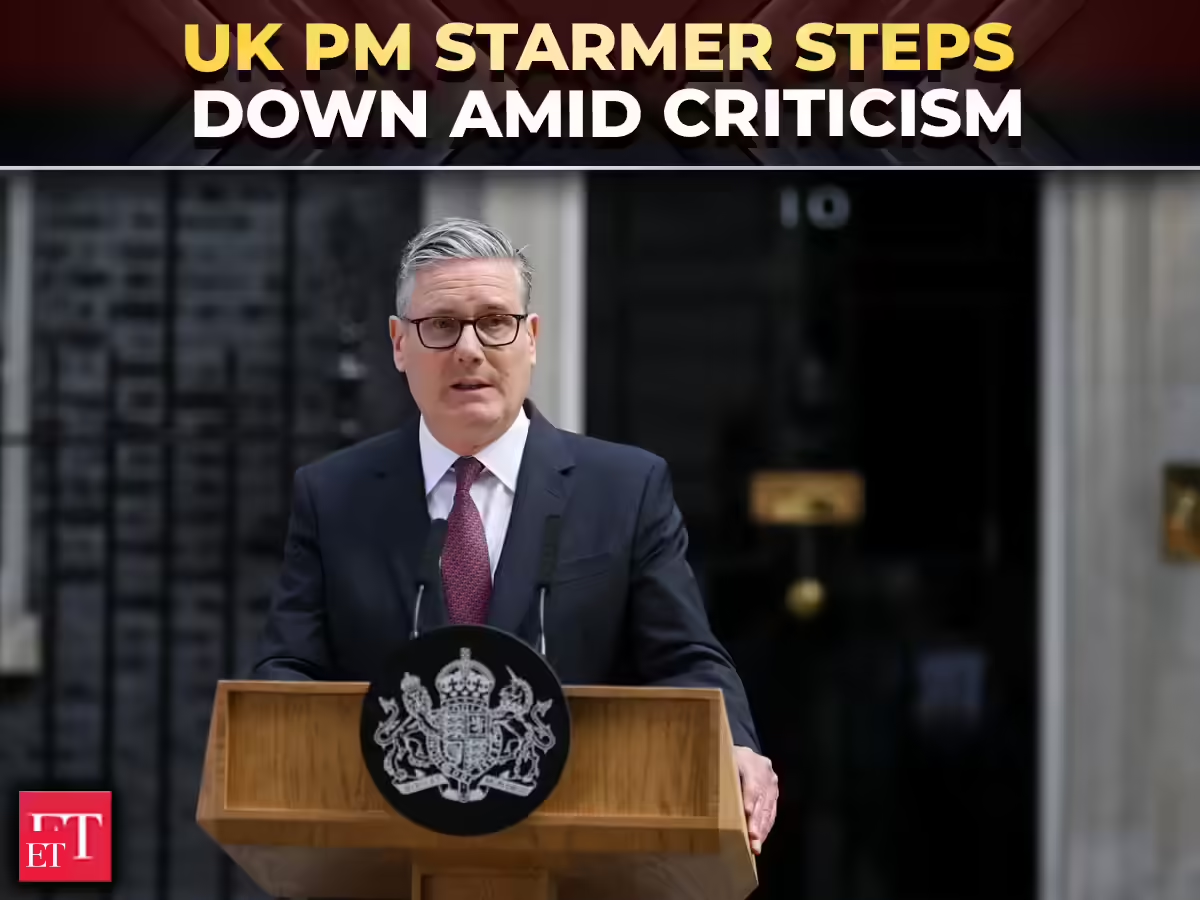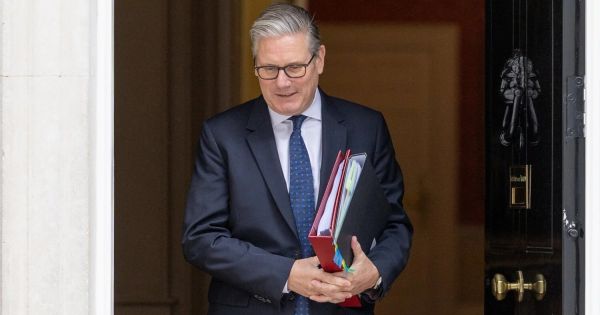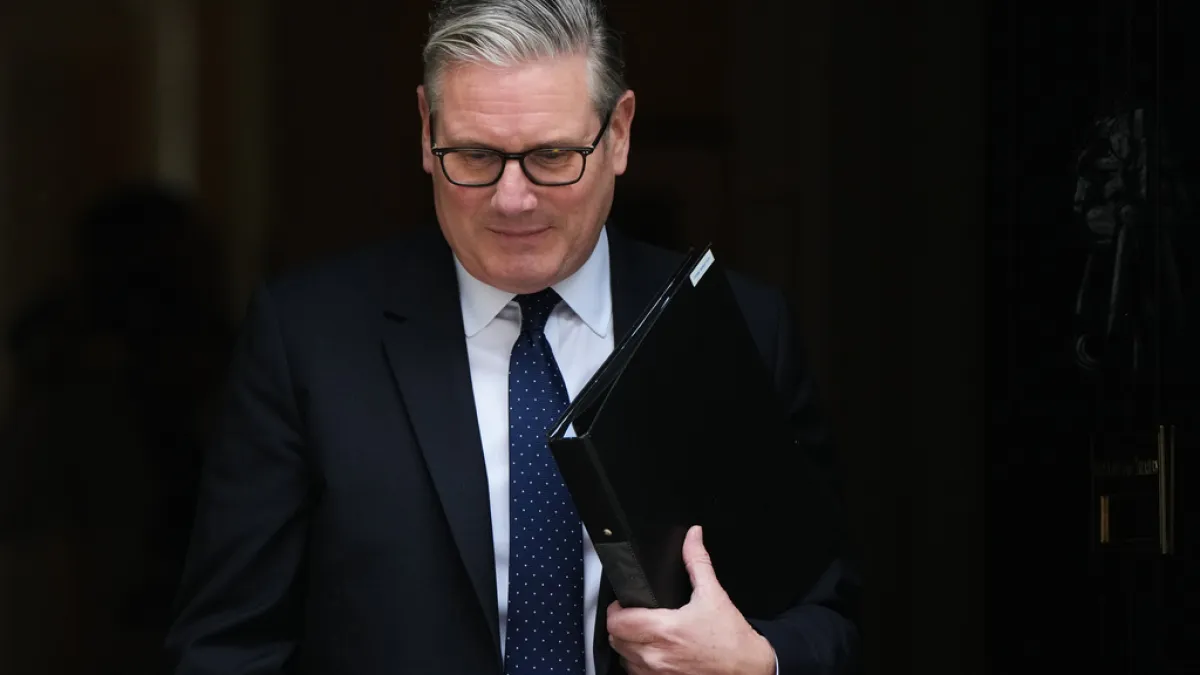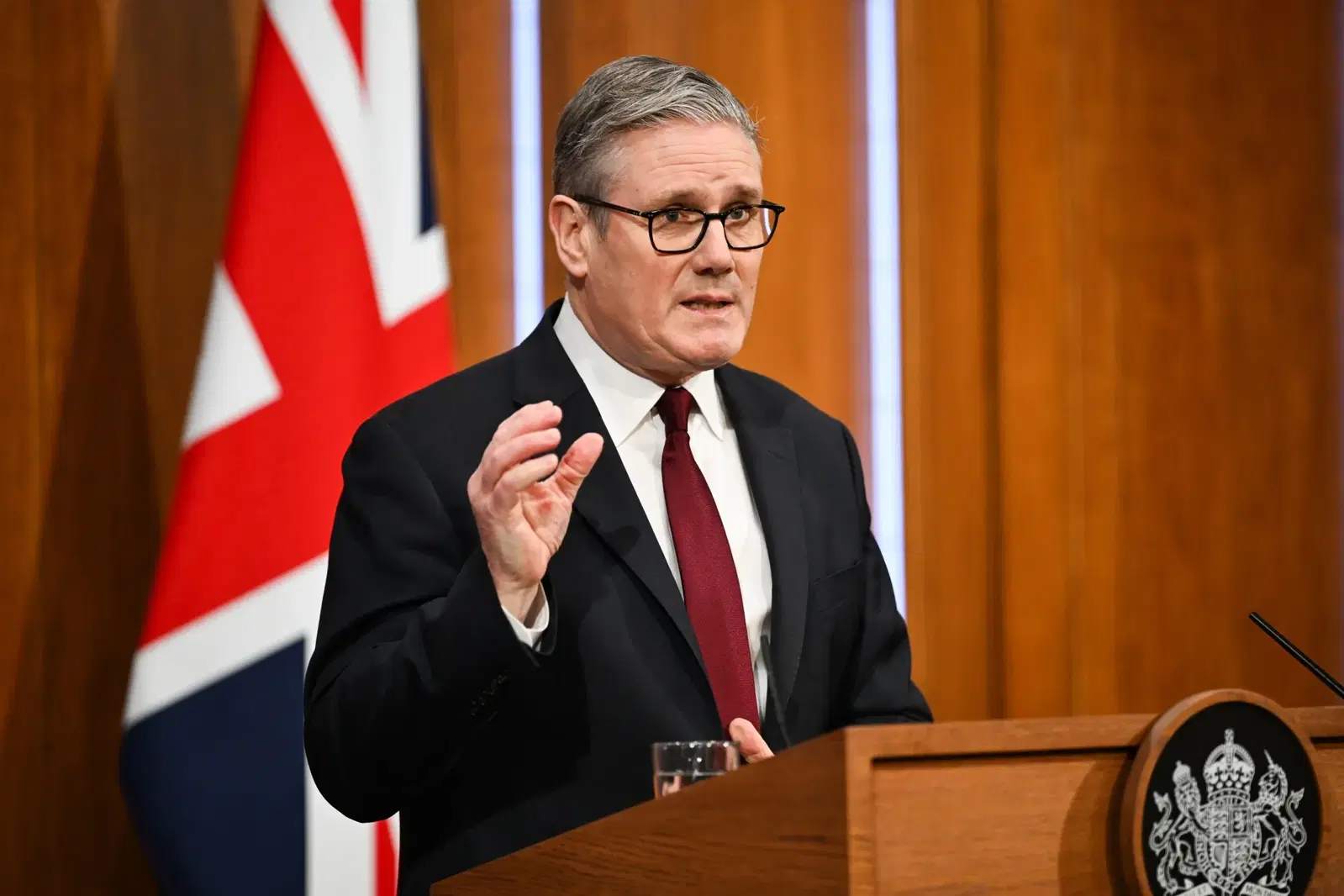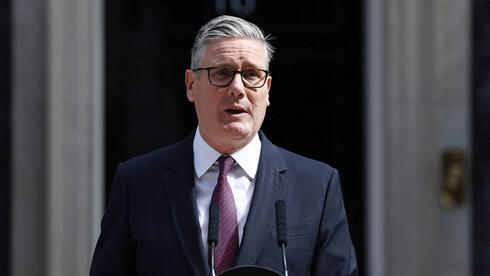
Editor's note: This is a developing story and is being updated.Keir Starmer announced on June 22 that he would resign as the U.K. prime minister and Labour Party leader, a step that follows months of mounting internal pressure.The departure is likely to trigger a leadership contest and deepen political uncertainty in one of Ukraine's most vital allies.Andy Burnham, Starmer's Labour Party rival, has been discussed as the likely next prime minister after securing a seat in parliament in last week's by-election.During his resignation speech, Starmer listed "standing with Ukraine" and rebuilding relations with European allies as one of his government's main achievements."Every decision I've taken has been about putting the country I love first," Starmer told reporters in front of 10 Downing Street, the prime minister's London residence. "That is why I will resign as the leader of the Labour Party."Starmer said he had spoken with King Charles III and will ask Labour to open leadership nominations on July 9, with a new leader to be in place before parliament returns from its summer recess in September. The outgoing prime minister will remain in office until a new leader is picked.Starmer took office in 2024 after leading his party to a landslide election victory, but his popularity plummeted after a series of scandals, growing cost-of-living concerns, and policy U-turns.Labour's declining support was underscored by poor performance in the May local elections, which were led by the populist, anti-immigration U.K. Reform party.The outgoing British prime minister kept London firmly behind Ukraine, largely continuing the course set by previous Conservative governments since Russia's full-scale invasion in 2022.Alongside French President Emmanuel Macron, Starmer was one of the key leaders of the Coalition of the Willing, a group of nations committed to providing security guarantees to Kyiv, including through a future deployment of peacekeeper troops.Under Starmer, the U.K. — together with France and Germany — took on an increasingly active role in supporting Ukraine and charting a course toward peace after U.S. President Donald Trump drastically scaled down American involvement.Starmer hosted President Volodymyr Zelensky and the leaders of France and Germany in London on June 7, outlining jointly-drafted conditions for a just peace between Ukraine and Russia.The British prime minister also signed a landmark 100-year partnership agreement with Ukraine in January 2025, covering cooperation across military, energy, scientific, cultural, and economic spheres.However, Starmer's government has faced criticism from its own members over failing to provide sufficient resources to defense, a rift that led to the resignation of U.K. Defense Secretary John Healey earlier in June.Starmer's tenure has also been marked by growing U.S.-U.K. tensions, part of a broader transatlantic rift driven by Trump's skepticism toward Europe and NATO.Commenting on Starmer's resignation before it was officially announced, Trump said the British leader "failed badly" on the issues of immigration and energy.
Breaking: British PM Starmer announces resignation
The departure is likely to trigger a leadership contest and deepen political uncertainty in one of Ukraine's most vital allies.
466 words~2 min read