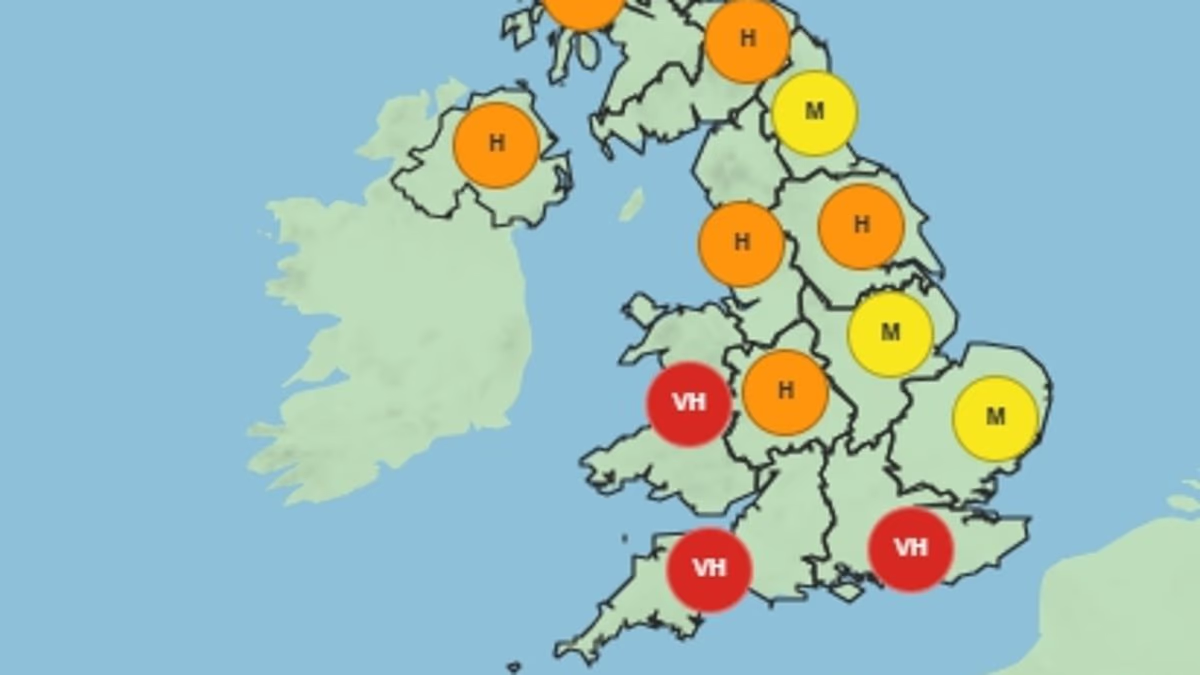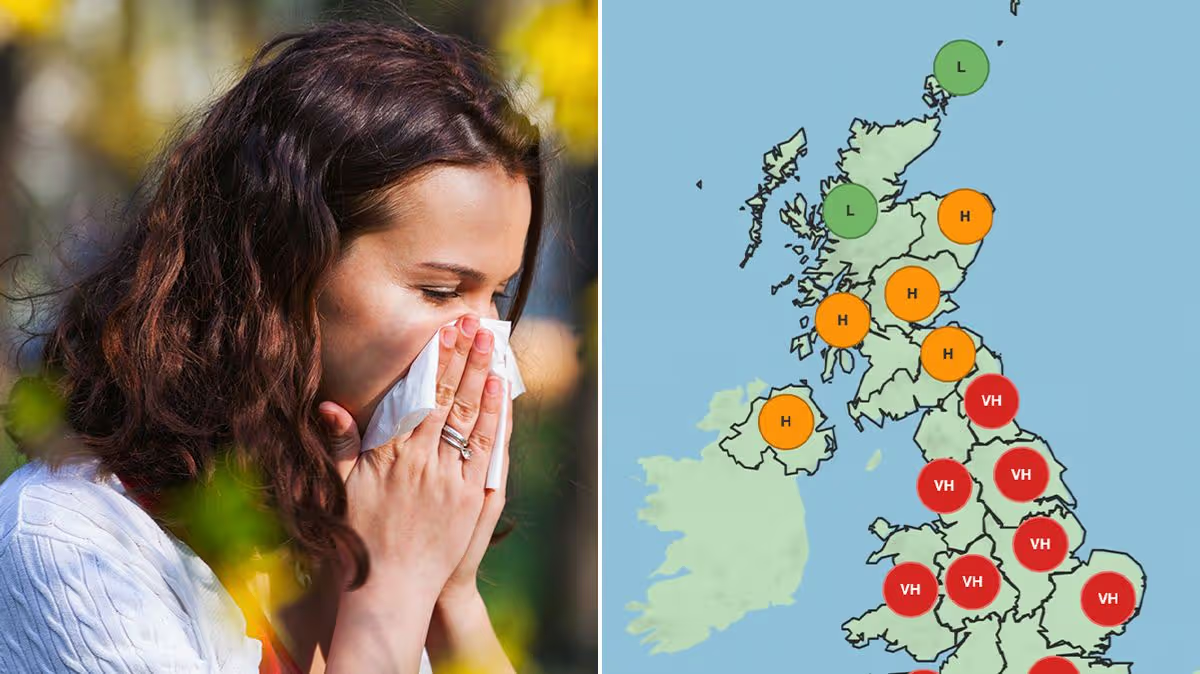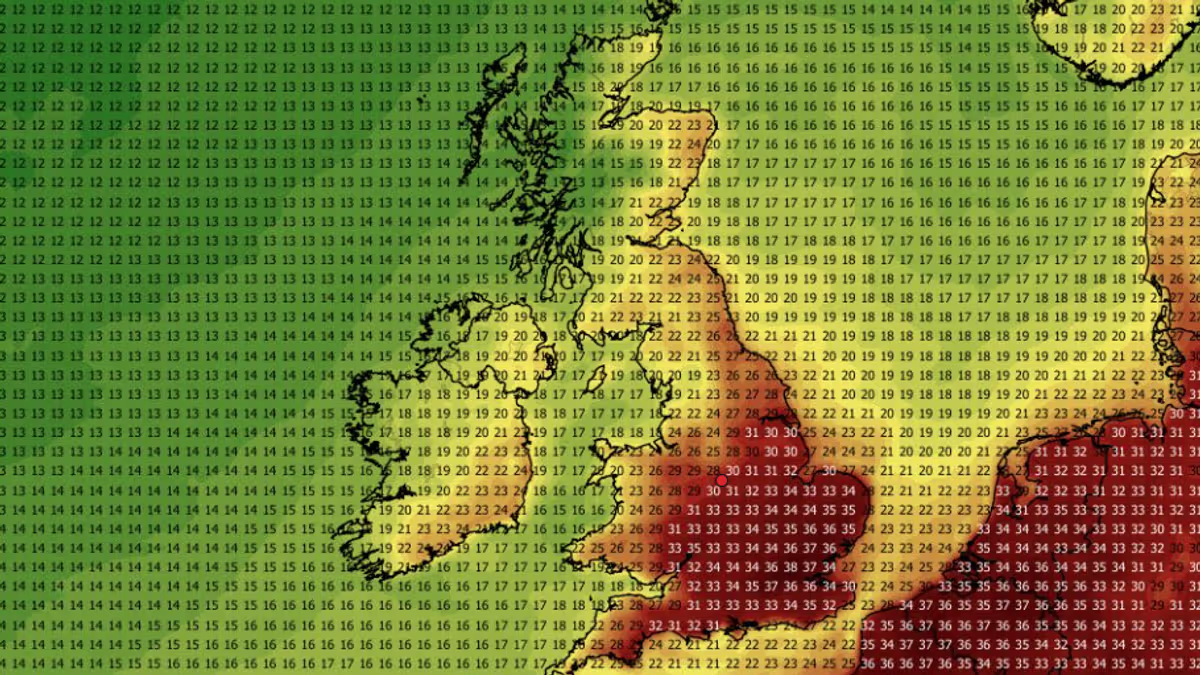
Millions of Britons are bracing for a major 'pollen bomb' to cause havoc across the UK this week, triggering severe allergy symptoms for hay fever sufferers. Forecasters expect temperatures to soar to 38C in parts of Britain on Wednesday and Thursday, which would eclipse the current UK June record of 35.6C and make it the hottest spell ever recorded during the month.This could bring misery for the country's 13million hay fever sufferers, with the Met Office forecasting 'very high' pollen levels as sizzling temperatures cause trees, grasses and weeds to release huge quantities of allergy-causing particles into the air.Experts say the nature of this summer's 'stop-start' weather has created the perfect conditions for a so-called 'pollen bomb'.Normally, tree and grass pollen are released at different times, but fluctuating conditions are believed to have caused both to overlap and release at the same time. This is expected to cause high concentrations of pollen in the air, increasing the likelihood of allergic reactions when the particles come into contact with the eyes, nose, throat and mouth.NHS England has already confirmed visits to its website for hay fever advice have doubled due to the upcoming 'heat dome', with concerned allergy ridden Britons seeking advice on how to say safe.Hay fever is an incurable allergic condition - typically treated by antihistamine medications - that can cause splitting headaches, extreme fatigue, sneezing, coughing, blocked or runny noses, itchy eyes and sore throats. Millions of Britons are bracing for a major 'pollen bomb' set to sweep through the UK this week, triggering severe allergy symptoms for hay fever sufferersUrging Britons to take care during the upcoming 'pollen bomb', Duncan Burton, chief nursing officer for England, warned people not to take too much medication - particularly if they plan to drive. He said: 'While I'm sure most people are delighted to be enjoying the warmth and sunshine at this time of year particularly during the World Cup, the warm weather does bring an increase in the pollen count that can cause discomfort for hay fever sufferers.Do you want to lose a stone in six weeks?Hi, I'm Emma Bardwell, a nutritionist with more than 15 years' experience helping people improve their health and lose weight.I've been there. I was overweight, unhappy with my skin and stuck in a rut. Then I changed the way I eat. You can now do the same with my tried-and-tested healthy eating plan. And for DailyMail+ subscribers, it's completely free. Click here to sign up and start your journey 'Most people will be able to manage their symptoms with medication that is available off the shelf from community pharmacies and supermarkets, and the NHS website has more advice on how to deal with the discomfort.'People should be careful not to double dose on medication which might make them drowsy particularly if planning to drive.' NHS England said they have recorded 12,990 visits to their NHS hay fever page from June 14 to 17 – when temperatures began to escalate – compared to 5,632 visits the previous week, totalling a rise of 131 per cent. The health service says hay fever is worse between March and September, 'especially when it's warm, humid and windy' as that is when pollen count is at its highest.Tree pollen is usually released from late March until mid-May, followed by the grass pollen season which typically runs through to July. Weed pollen then continues until September.However, experts say this year's unusual weather patterns have disrupted this cycle. Alastair Culham, curator of the University of Reading's herbarium, said this year 'we've got both tree and grass pollen at very high levels at the same time'.Culham, who is also a hay fever victim, said not all sufferers are allergic to both grass and tree pollen. But, he told The Times, for those who are, it can be particularly debilitating. 'Certainly for me, this is the worst hay fever I've had in seven or eight years,' he said.This year's unusual weather is thought to have been driven by the warm and dry spring being followed by a colder, wet spell in recent weeks. That caused a delay in trees flowering, but promoted lots of grass growth. Temperatures could soar to 38C by as Britain prepares for a record-breaking 'heat dome'
UK told to brace for pollen bomb triggered by 'stop-start' weather
Temperatures are expected to soar to 38C in parts of Britain this week, which would eclipse the current UK June record of 35.6C. It could also bring major misery for 13million hayfever sufferers.
1,017 words~5 min read