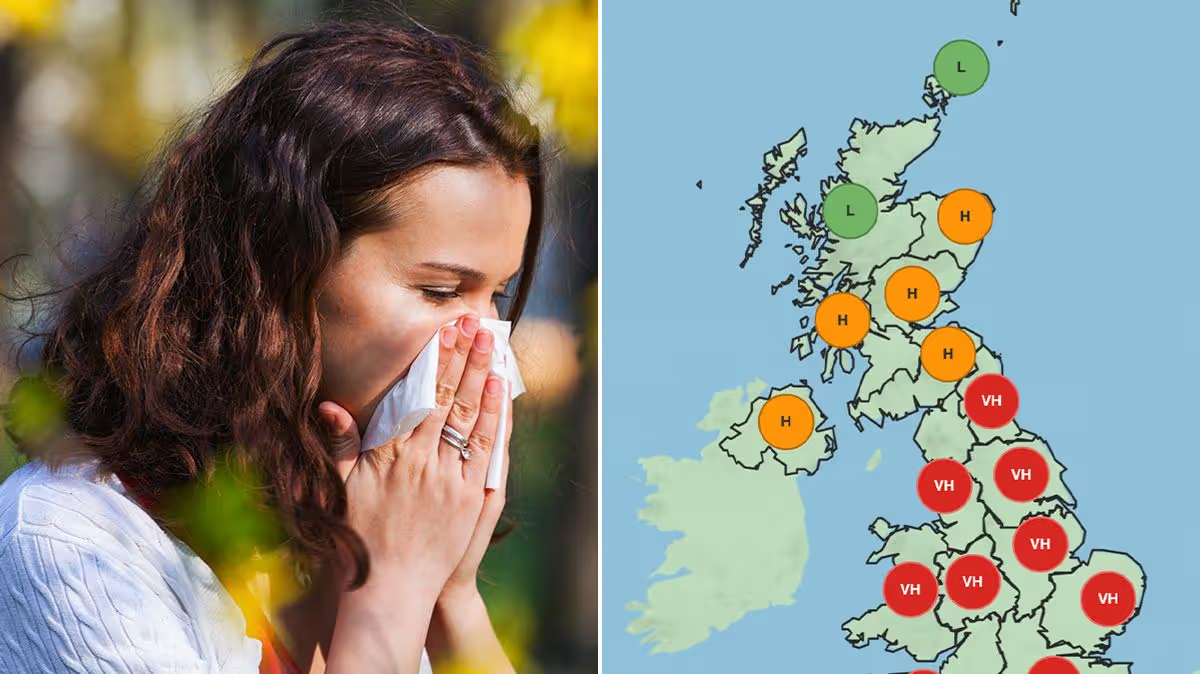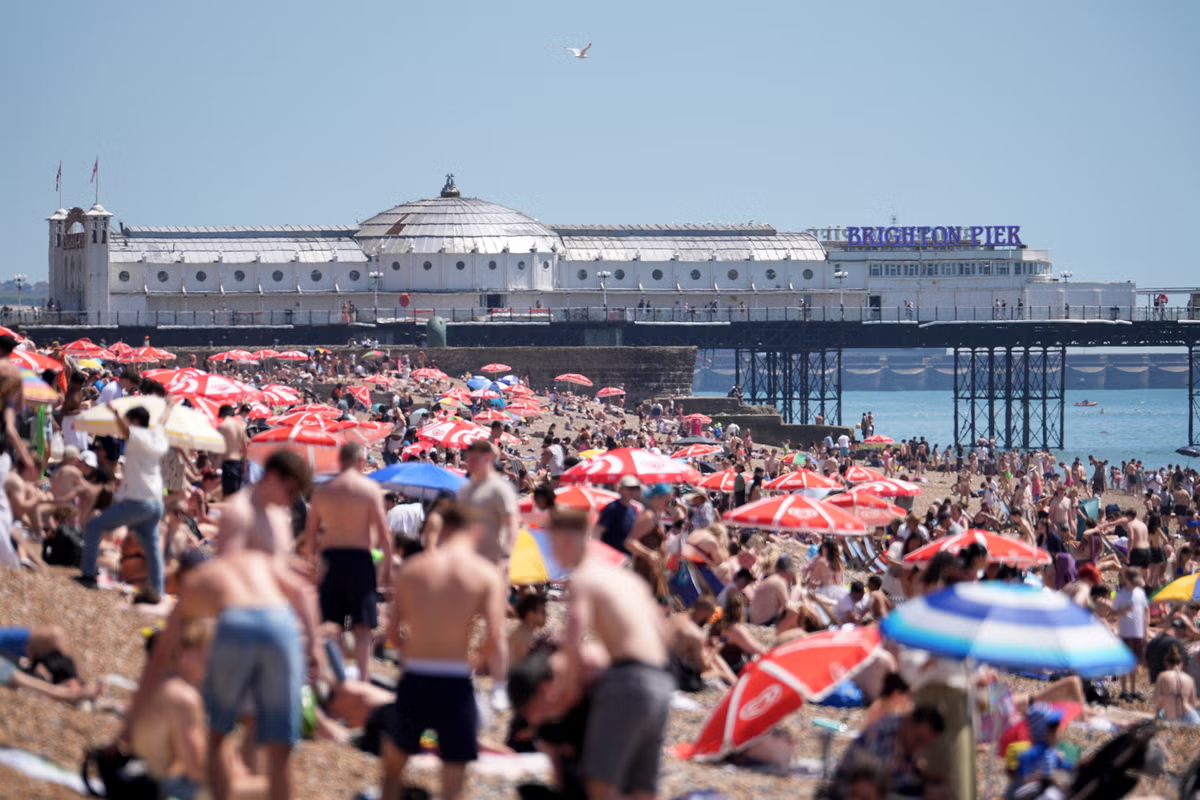
NewsHealthWeatherThe UK is getting hotter which could spell bad news for hay fever sufferers11:40, 23 Jun 2026A surge in UK temperatures approaching 35C has brought attention to a lesser-known concern: whether widely used hay fever remedies could make coping with extreme heat more difficult for some people.Popular treatments including Benadryl, Clarityn and Piriteze are being highlighted alongside official guidance about side effects that may become increasingly troublesome during heatwaves. The NHS cautions that antihistamines can cause side effects such as drowsiness, dry mouth and dizziness in some patients. Although generally mild, these reactions could become more significant when the body is already working flat out to regulate temperature in scorching conditions.Health experts note that reduced alertness and dry mouth can indirectly increase the risk of dehydration, particularly if people aren't drinking enough fluids during hot spells. This worry becomes ever more pressing as temperatures edge towards heatwave levels across large parts of the UK.Certain antihistamines, particularly older sedating types, also carry mild anticholinergic properties. These can restrict sweating in some individuals, potentially undermining the body's natural cooling mechanism and increasing susceptibility to overheating during prolonged exposure to soaring temperatures.The Medicines and Healthcare products Regulatory Agency has previously warned that sedating medications should be used with care in situations involving heat exposure, physical exertion or activities that demand full alertness. This guidance is especially crucial for older adults and those with underlying health conditions.The UK Health Security Agency, meanwhile, issues heat-health alerts when temperatures rise to levels that could pose risks to vulnerable groups, including elderly people, those with long-term illness and individuals taking certain medications. Its advice focuses on staying hydrated, avoiding sun exposure during the hottest parts of the day and keeping living spaces cool.Pharmacists regularly draw a distinction between older sedating antihistamines, such as chlorphenamine, and newer 'non-drowsy' alternatives like cetirizine or loratadine. While the newer generation is less likely to cause drowsiness, experts note that dryness, fatigue or mild heat sensitivity may still occur in some cases.Article continues belowGeneral public health advice during heatwaves typically includes drinking water regularly even without feeling thirsty, steering clear of alcoholic drinks, wearing light clothing and seeking shade or cooler indoor spaces during the hottest periods of the day.For hay fever sufferers, saline sprays or steroid nasal treatments could be worth exploring as alternatives after speaking with a pharmacist or GP. As heatwaves become increasingly frequent across the UK, the connection between seasonal allergies and soaring temperatures is attracting heightened attention.What would normally be a routine daily tablet could assume greater importance when the body is under heat-induced stress.Choose Daily Mirror as a 'Preferred Source' on Google News for quick access to the news you value.NHSHeatwavePrescriptionsHay feverHealthExpert AdviceWeather
Health warning for anyone taking hay fever medication
The UK is getting hotter which could spell bad news for hay fever sufferers
447 words~2 min read