As artificial intelligence reshapes the global economy, Chinese universities are rapidly redrawing the landscape of what is worth studying.
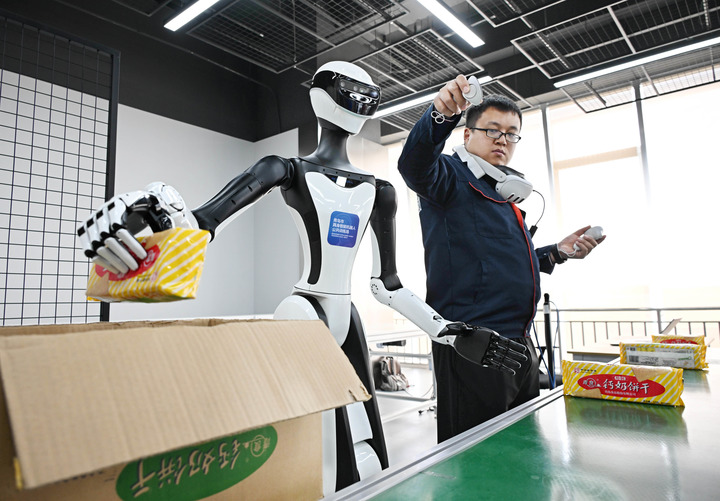
In recent months, Chinese universities have actively cut foreign language and translation programs and launched new majors in “embodied intelligence” and “low-altitude economy.”
A survey published in May tracked 70 Chinese universities that announced changes to their upcoming programs, and found sweeping cuts in language-related curricula: Eight in Japanese, five in German, and five in translation studies.
“Foreign-language majors were among the fastest-growing university programs in China for years,” MyCOS, a Chinese educational consulting firm, said in the report. “But changing global dynamics and the rapid rise of AI translation tools are forcing these disciplines to rethink how they train students.”
These changes reveal how China’s higher education sector is attempting to prepare students for an AI-driven future. They come at a time when global university education is under growing pressure to prove its relevance in a world where AI can increasingly write, code, translate, and analyze information.