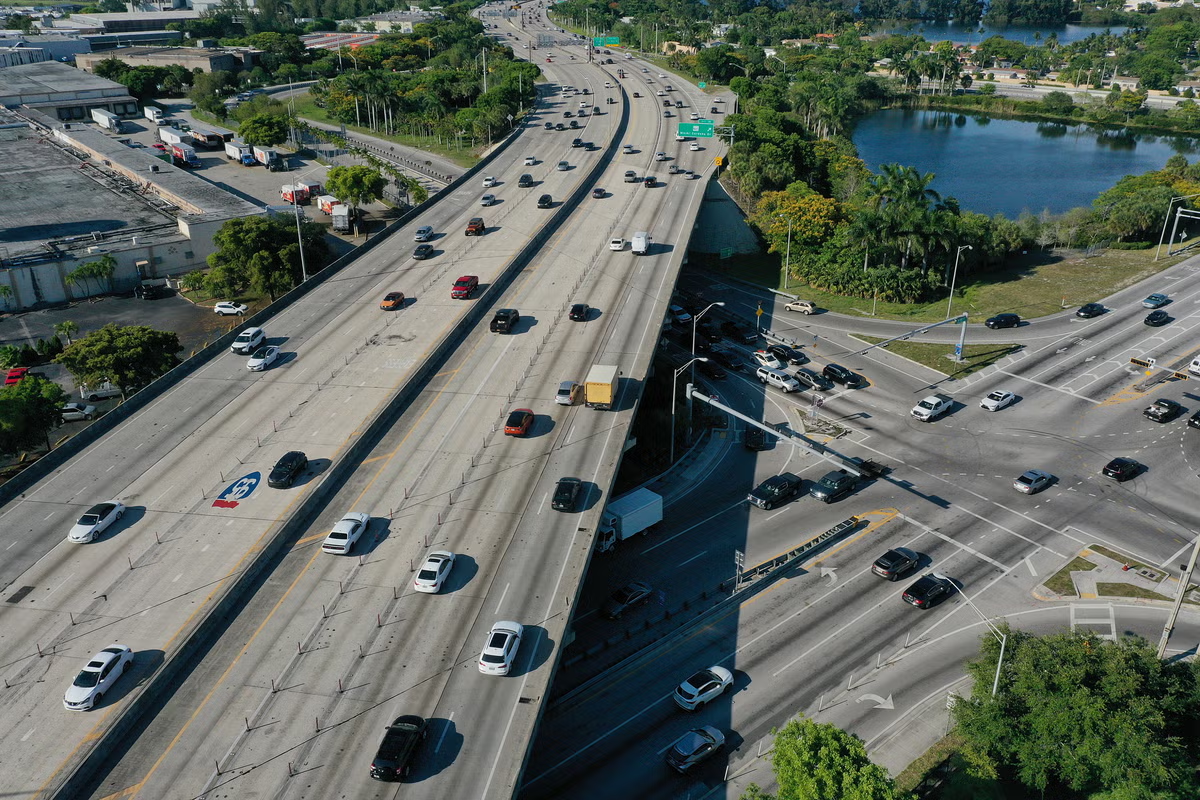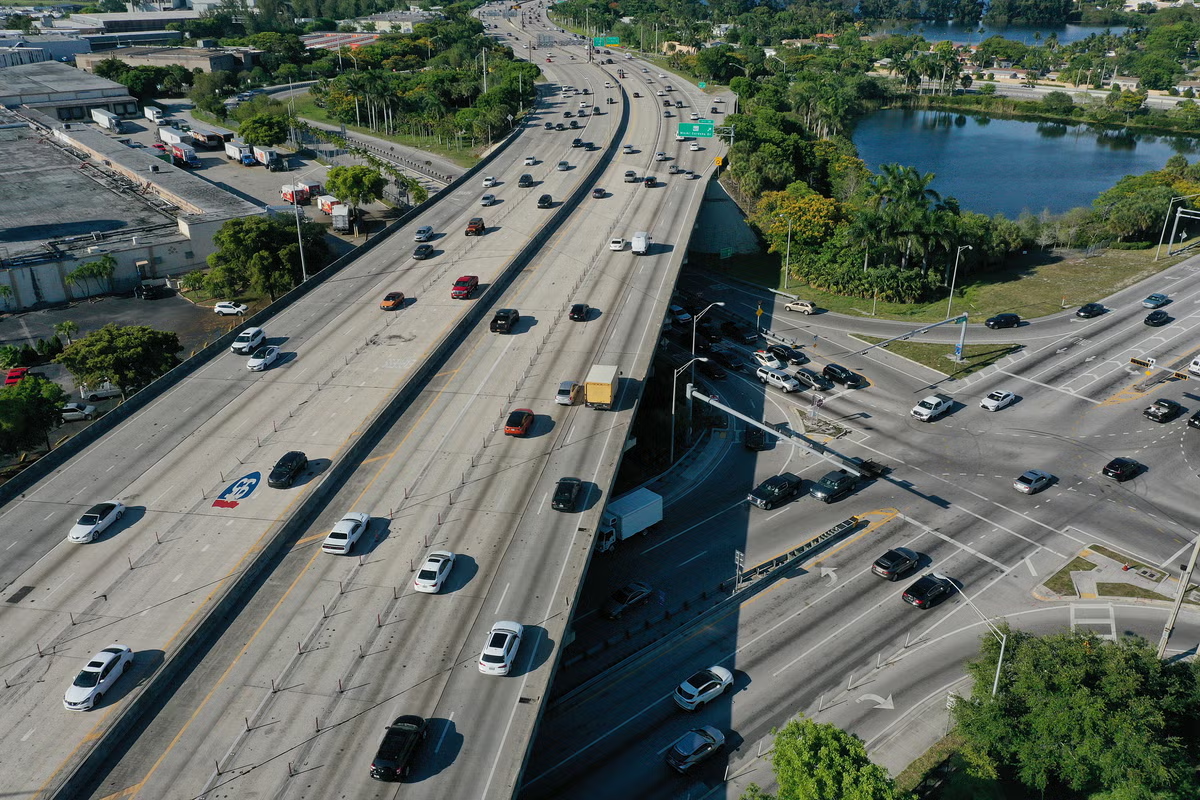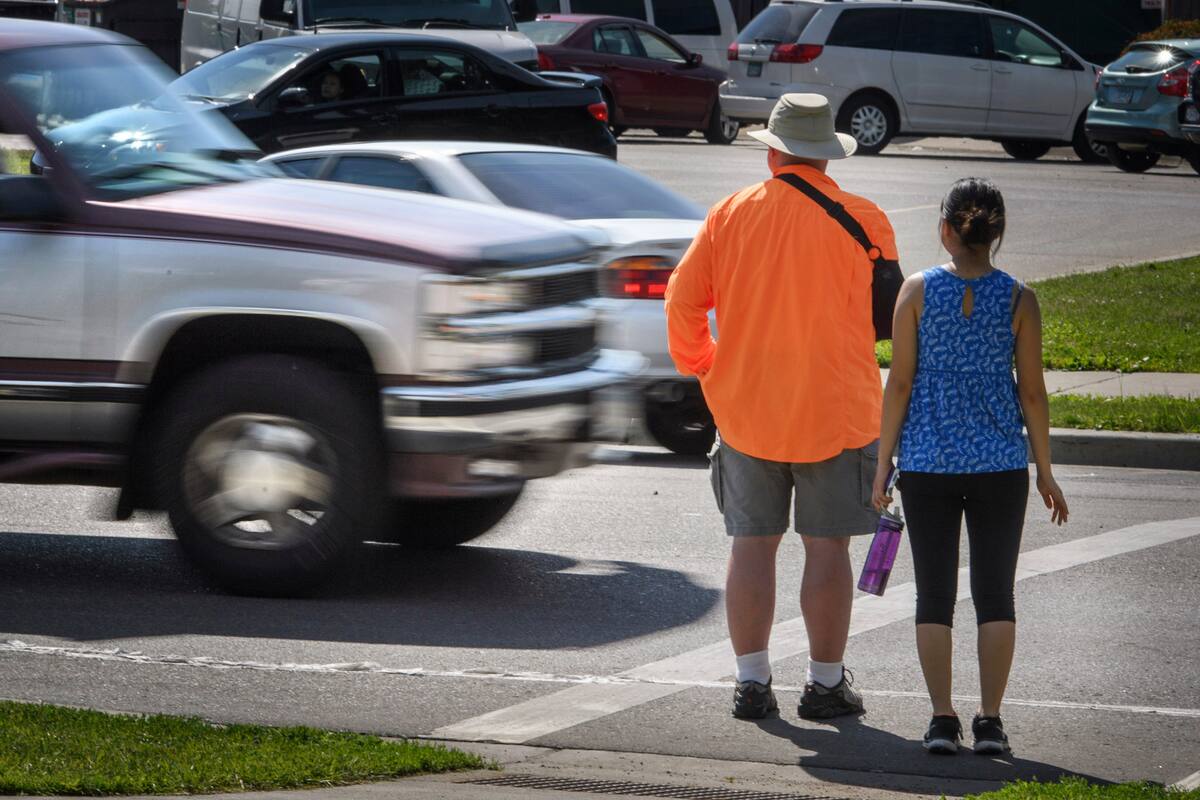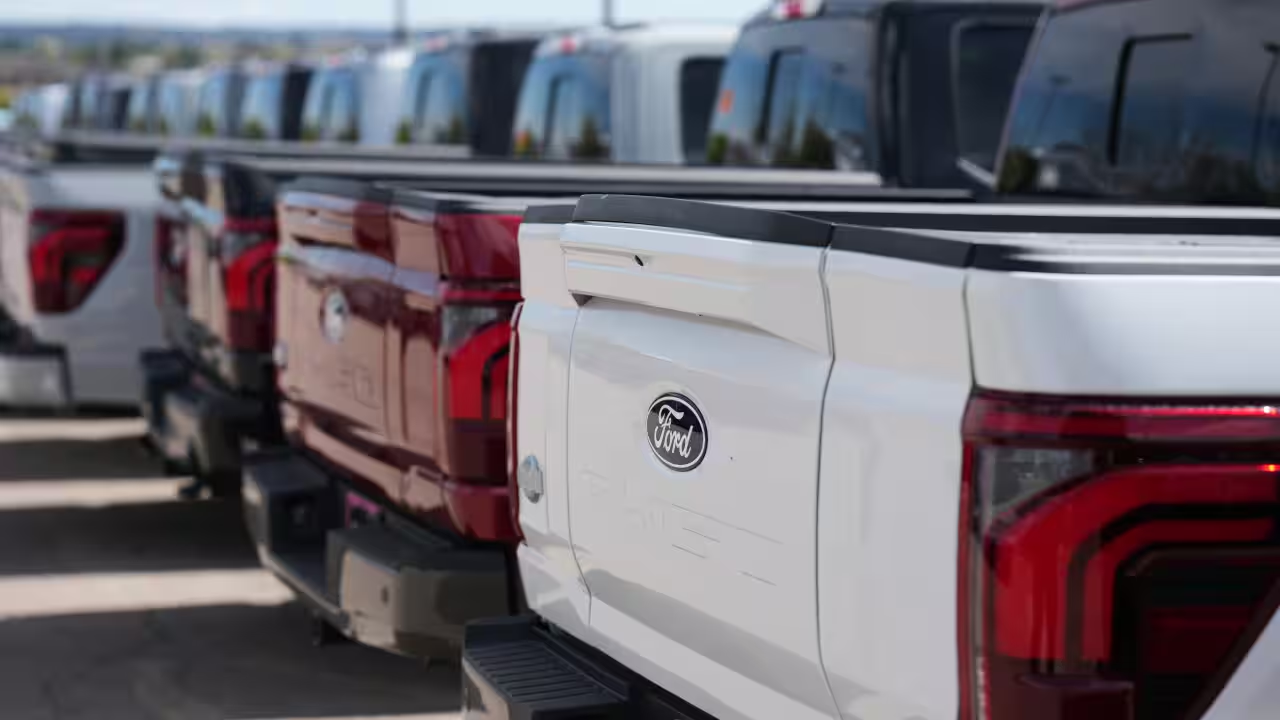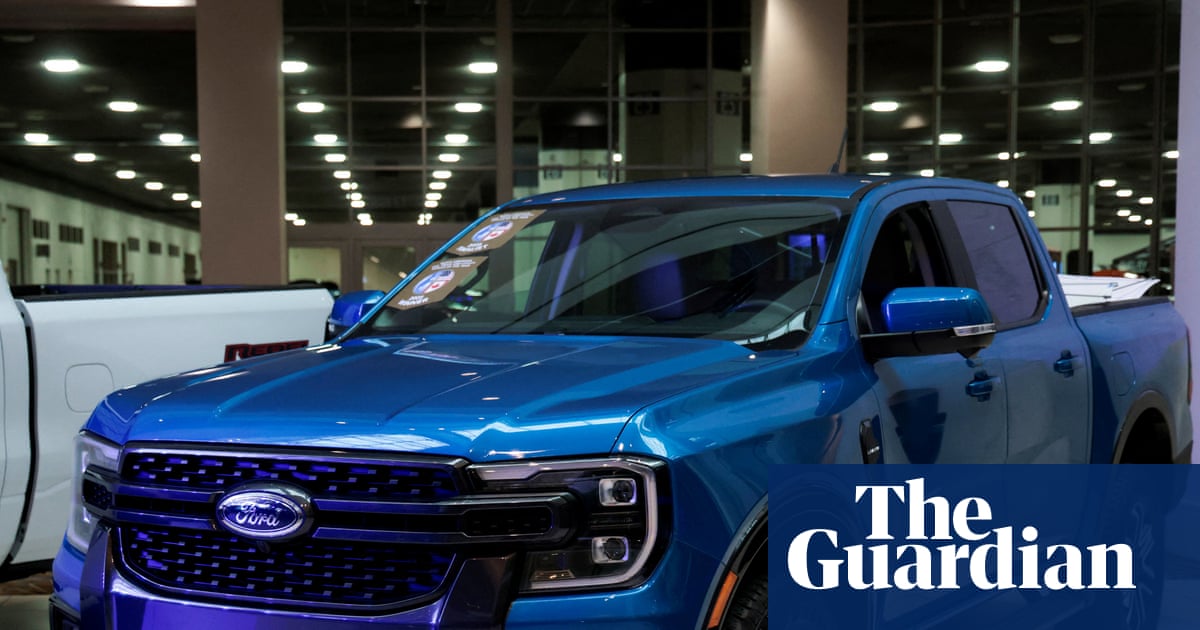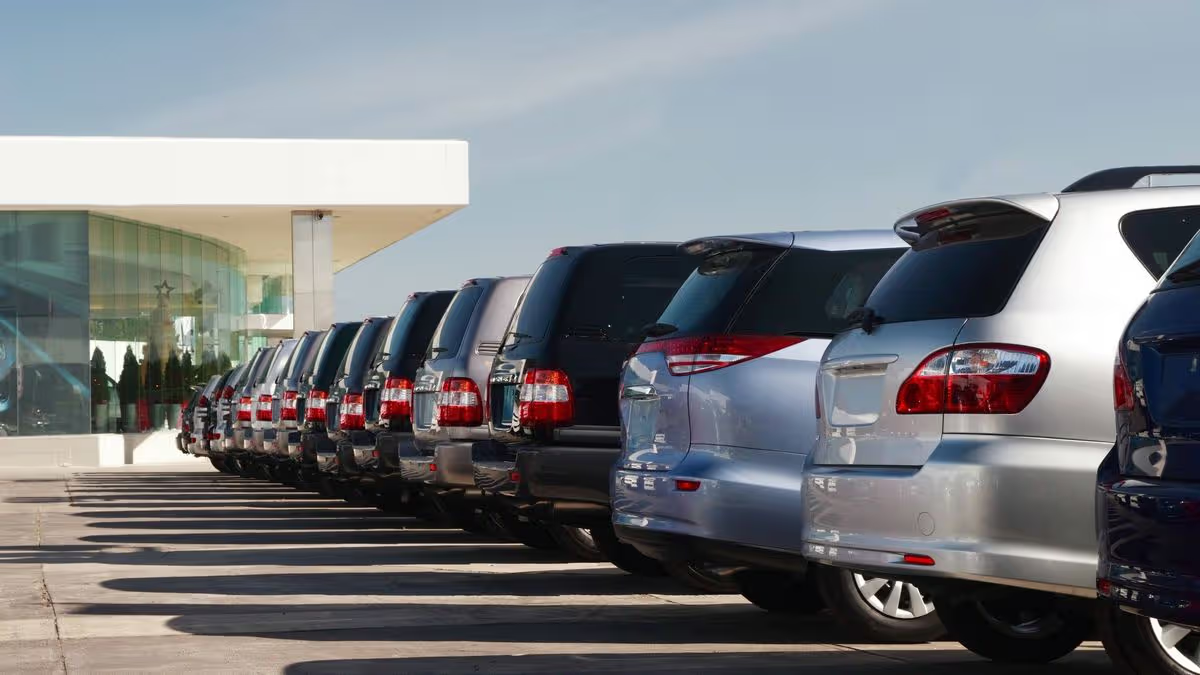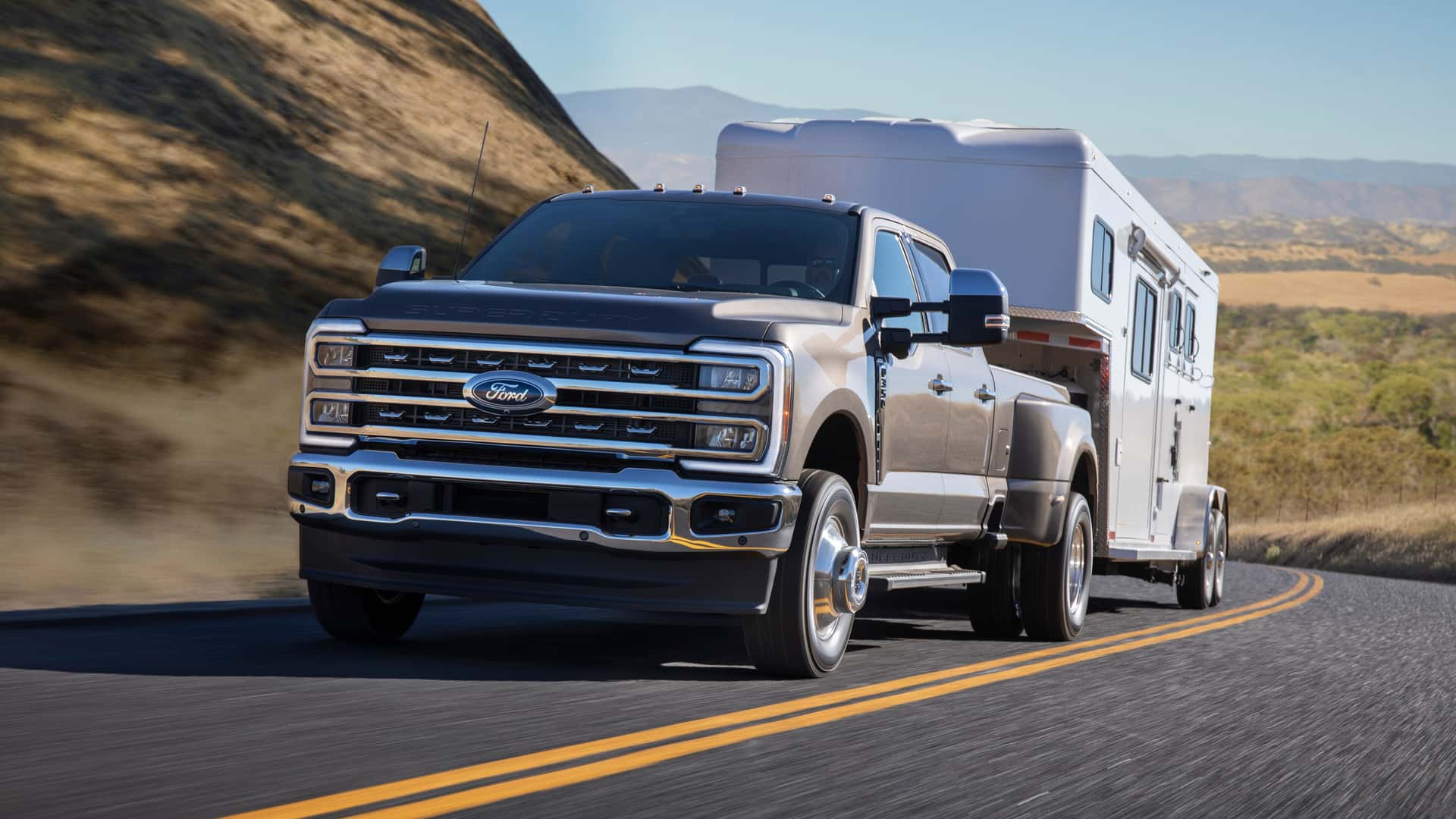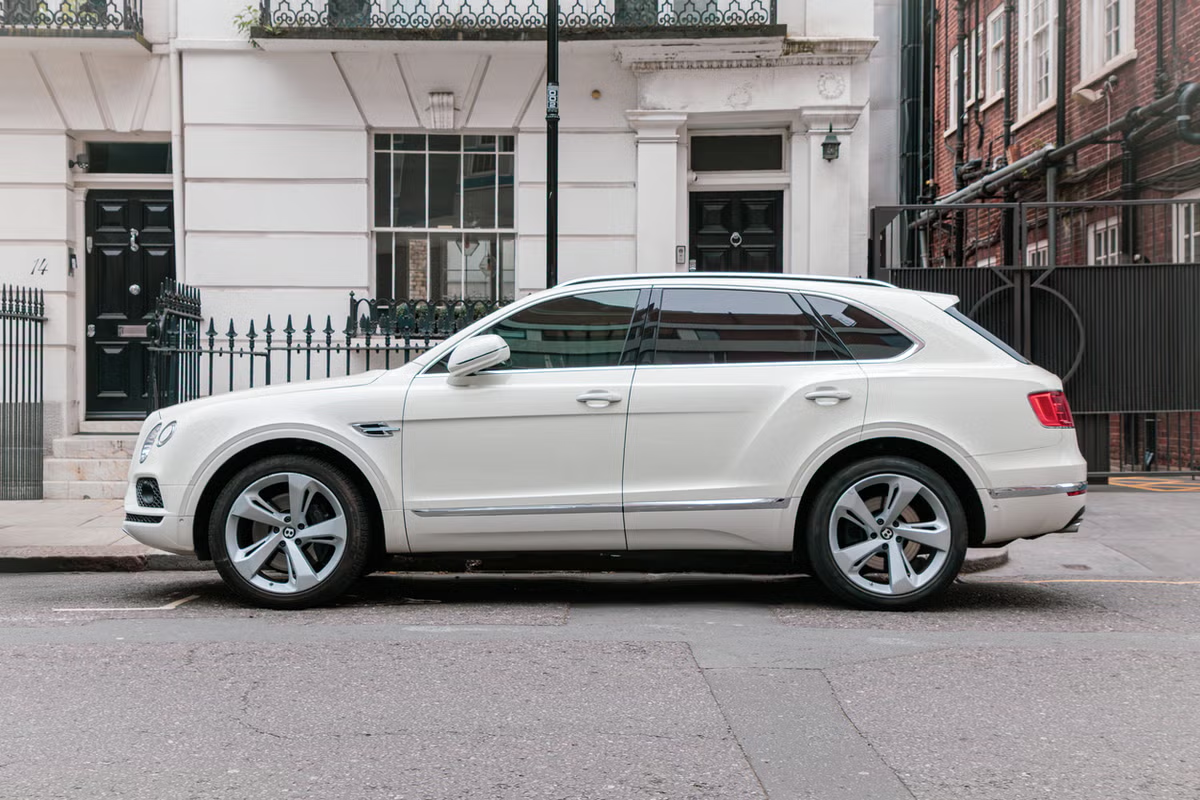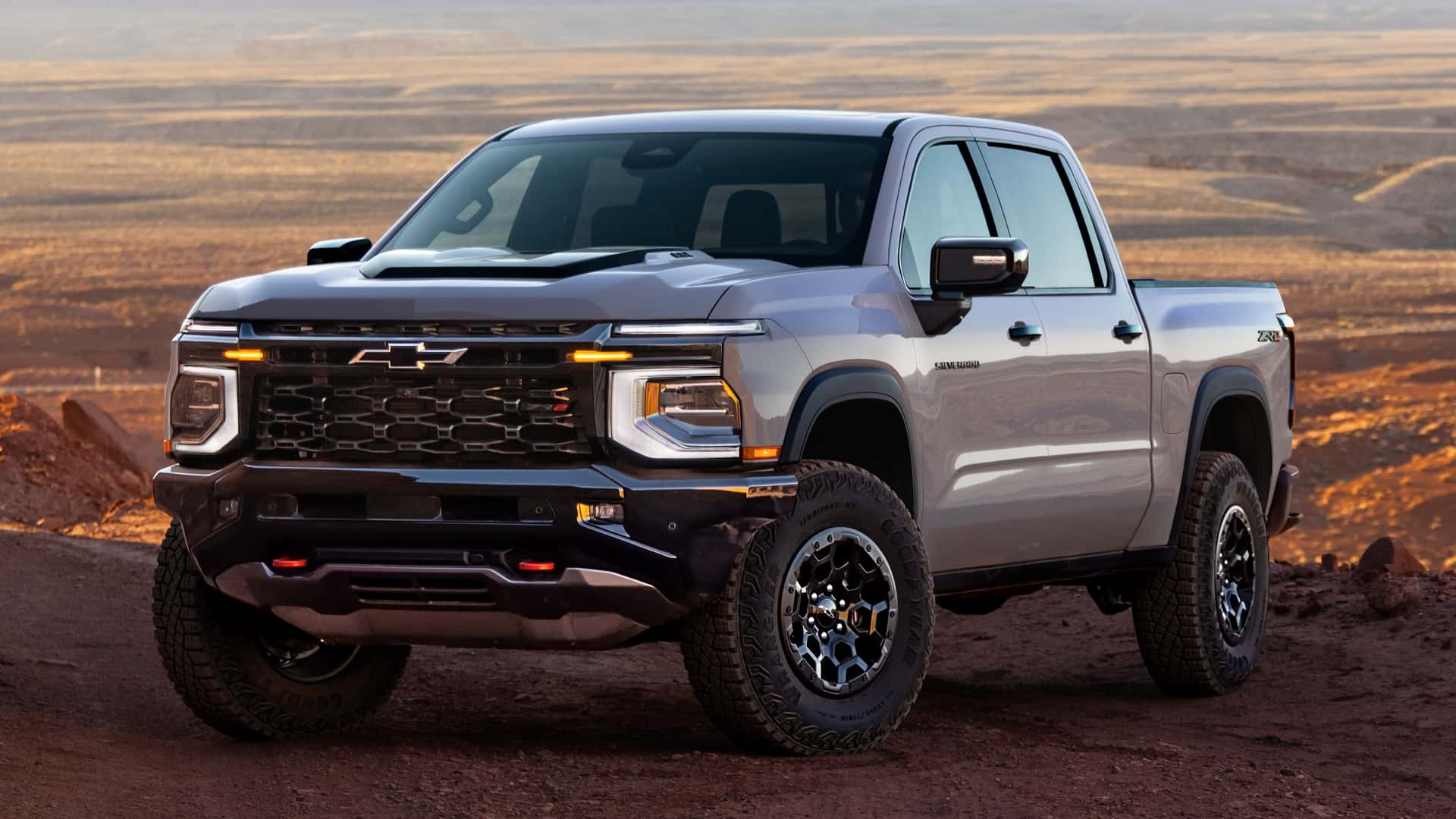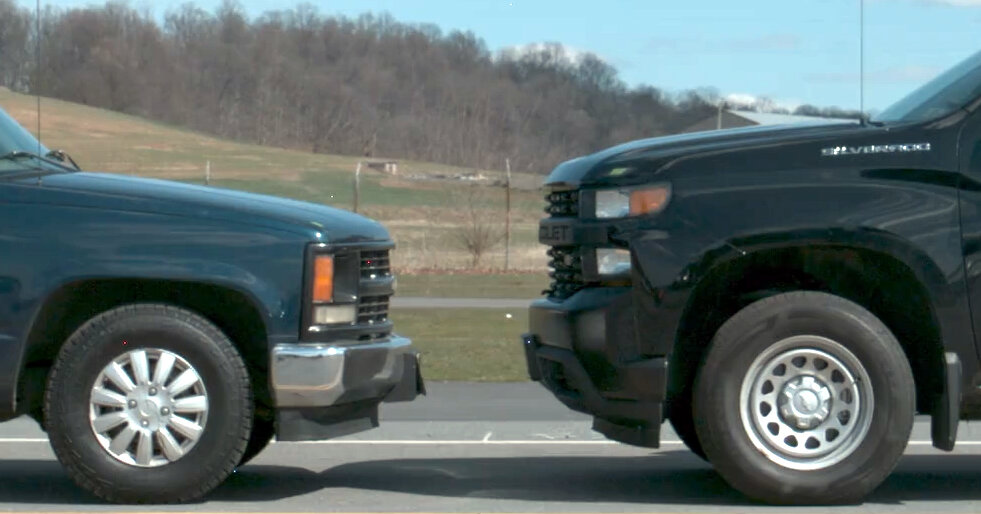
26-inch hood 2002 Toyota Corolla 36 inches 2014 Ford Escape 47 inches 2022 Chevrolet Silverado In the early 2000s, more than half of the passenger vehicles on American roads were traditional cars like sedans. Their hoods were low to the ground. By the 2010s, larger vehicles like compact S.U.V.s had eclipsed cars. Today, S.U.V.s and pickup trucks dominate the roads. Many are bigger than ever. And far deadlier, a New York Times investigation found. They are killing thousands of pedestrians who otherwise might have survived. Illustrations by Todd M. DetwilerFor decades, American roads were steadily getting safer for pedestrians. But around 2009, the trend reversed. Since then, the number of pedestrians killed each year has risen by about 75 percent. Source: Insurance Institute for Highway Safety The New York TimesThe surge in pedestrian deaths has baffled researchers. Most other wealthy countries haven’t seen similar increases, suggesting that possible culprits like smartphones don’t tell the whole story.Other likely causes of deadly crashes, such as drunken and distracted driving, have attracted immense attention from the public and policymakers. But the trend toward ever-larger vehicles has received much less scrutiny, even after federal researchers in 2022 cautioned regulators that it was endangering pedestrians.After analyzing federal and industry records, including never-before-examined data on vehicle dimensions, we found that the rise of large pickups and S.U.V.s is an important factor.Our estimate is that about 200 to 400 pedestrians a year would not have died if vehicles had remained approximately the same size over the past quarter-century. That represents about 10 percent of the recent increase in pedestrian deaths.There are two reasons bigger vehicles are deadlier: They have taller hoods. And they tend to have larger blind zones. “We see a lot of devastating collisions even at lower speeds because the pedestrian gets punted forward,” said Shawn Harrington, whose company, Forensic Rock, conducted crash tests for us. “Before the driver knows what’s happened, the pedestrian’s head is under the wheel.”More vehicles than ever have hoods that exceed the average American’s center of gravity, which is generally around the belly button.The hood of an average passenger vehicle today is about three feet high. Anyone shorter than 5-foot-6 — about half of American adults — would frequently be rammed to the pavement. So would most children. , who is , is likely to be knocked down by about XX percent of vehicles today.
The Deadly Rise of Giant Trucks and S.U.V.s
The vehicles on American roads have grown larger — and they are killing thousands more pedestrians, a Times investigation found.
2,936 words~13 min read