Fiona Sampson on the Pseudonymous Writer’s Breaking of Binaries and Boundaries
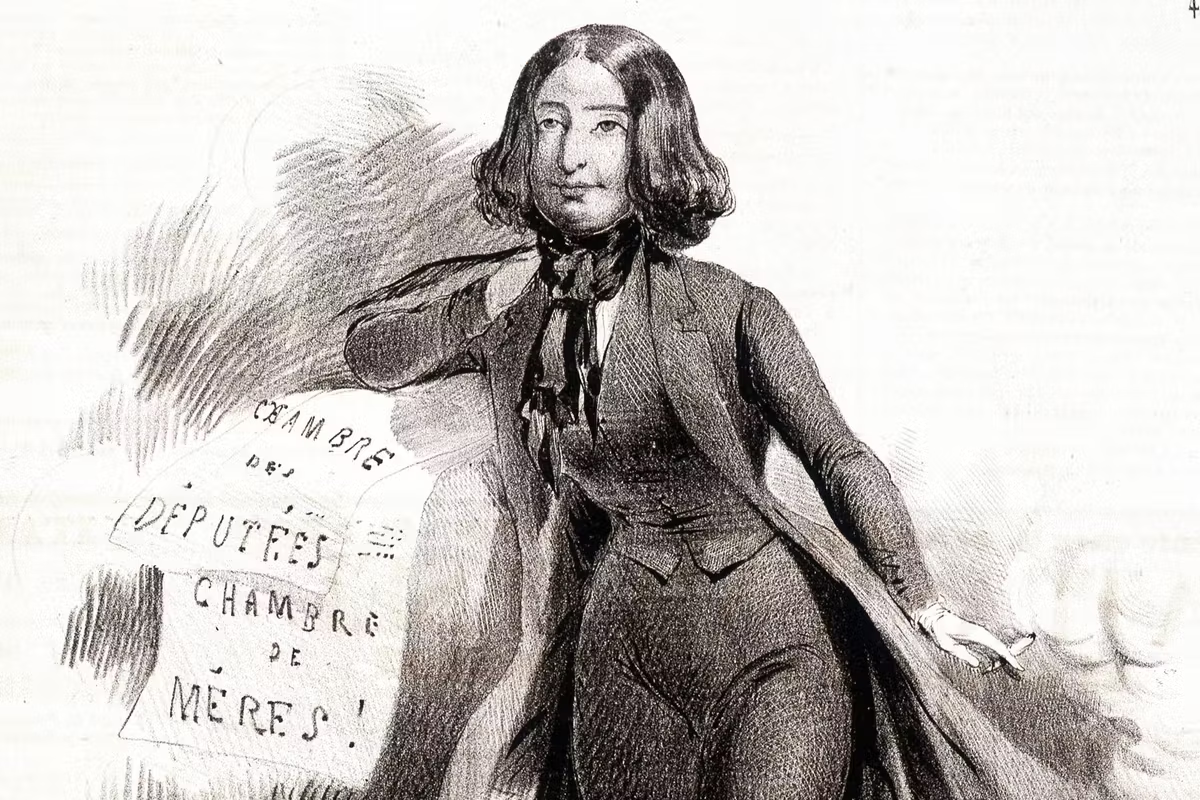
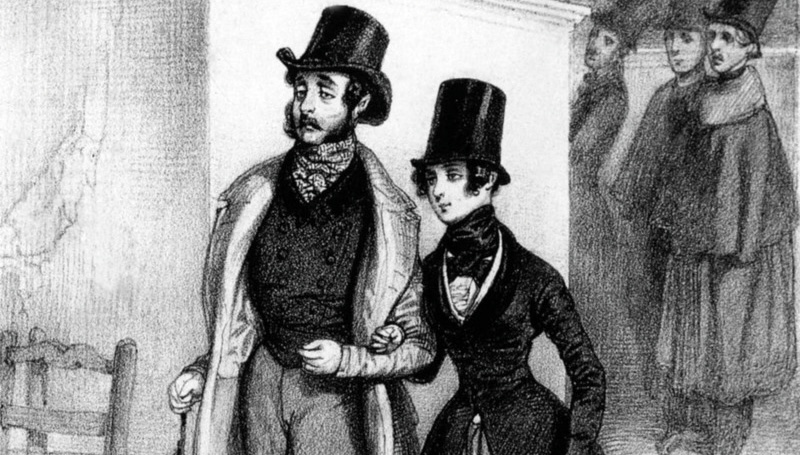
You’d be hard put to call it a feminist image exactly. In this illustration for a gossip column printed sometime in 1831-2, the writer George Sand is on the protective, even chivalrous arm of a man, but she’s also dressed in men’s clothes. She carries them off well, with a swaggering cane, and shiny toes under trouser cuffs that fall just so (they must be tailored, not borrowed). The skirt of her frock coat flares cutely and she appears to have been buttoned into some sort of wasp-waist corset, even if the artist has exaggerated this line a little.Article continues after advertisement
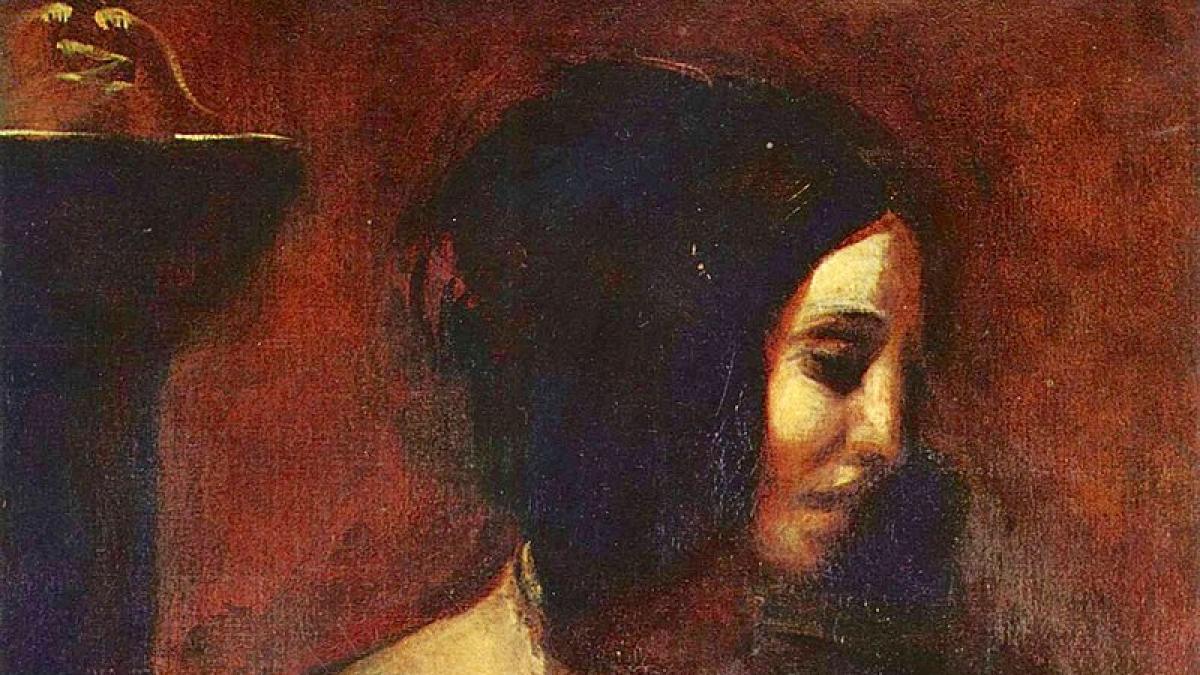
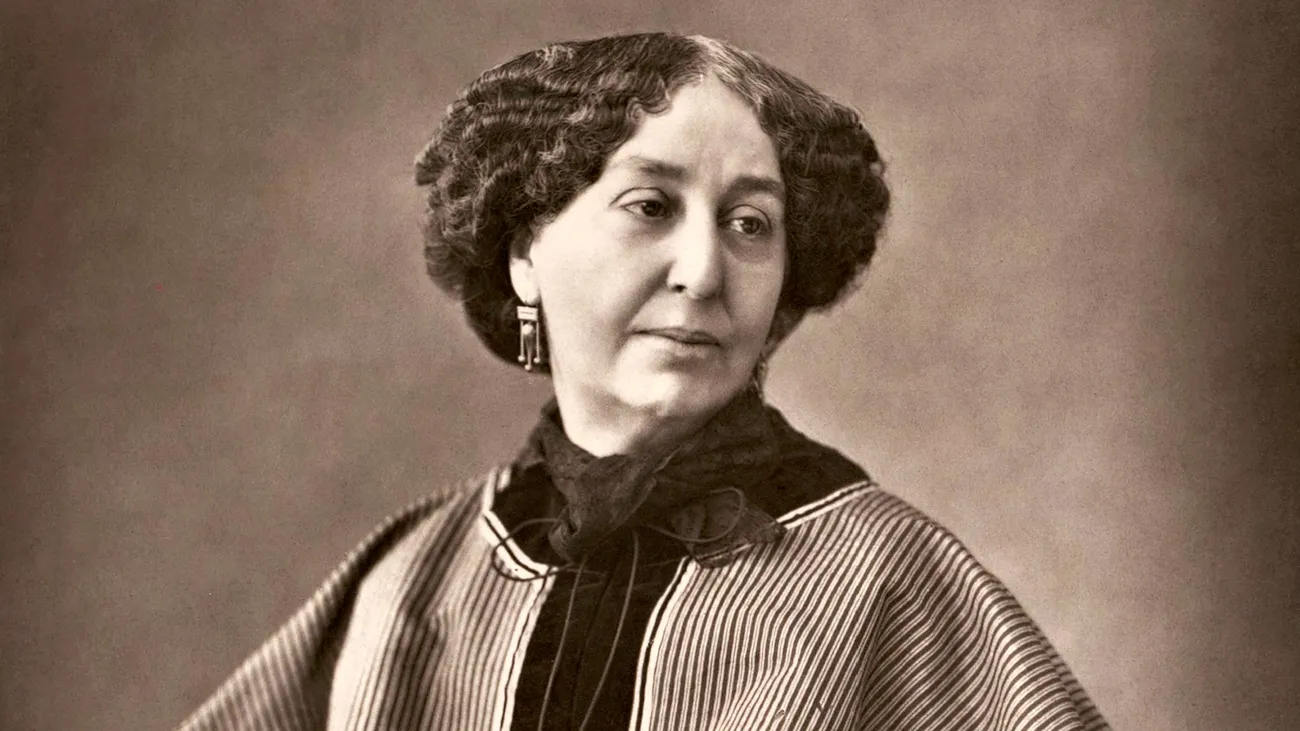
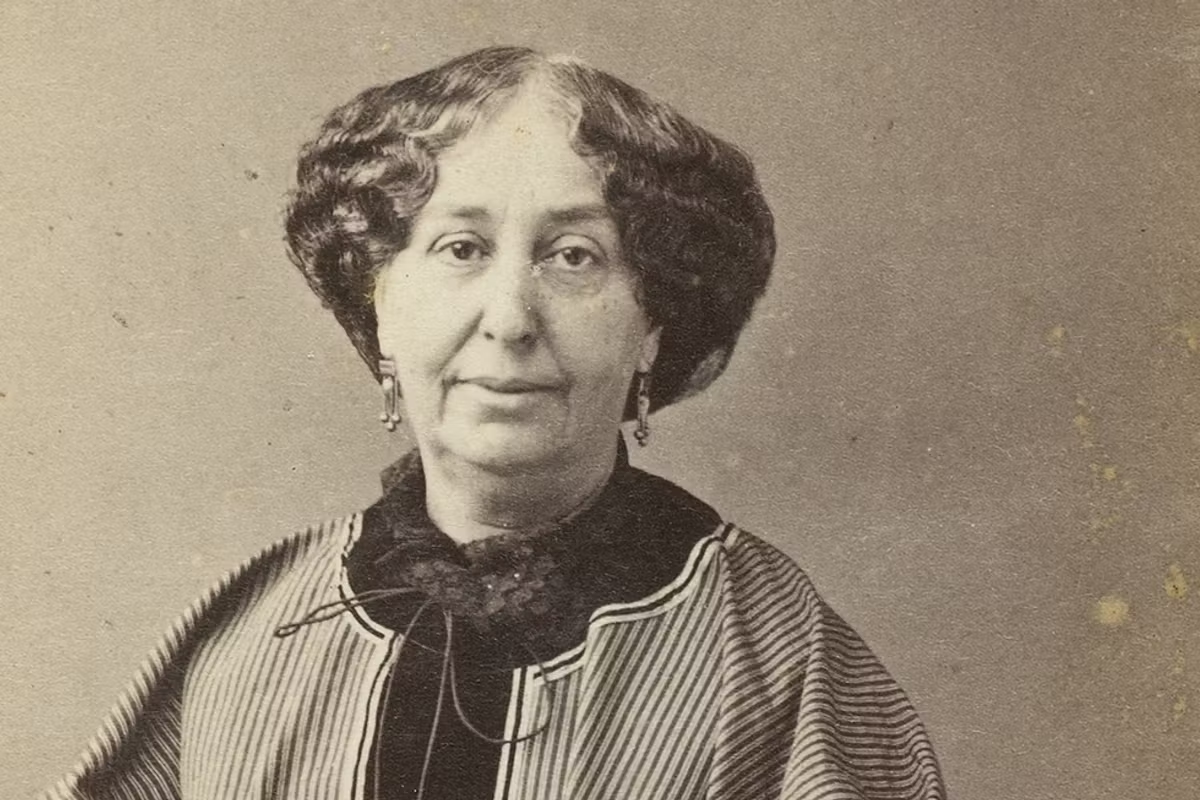
George Sand (r) dressed as a student, and her lover Jules Sandeau in Paris, c. 1831, engraving by Paul Gavarni (1804-1866)Actually Paul Gavarni, who executes this image, probably isn’t exaggerating very much. He’s certainly got the writer’s sloping shoulders right. And the wasp waist will feature in all her future portraits until it suddenly vanishes, in photographs taken by Pierre Ambroise Richebourg, in 1852. Then all at once she’ll turn into a little dumpling, the sort of woman who may not quite have got her figure back after having kids. And the voluminous frocks of her matronhood may conceal other discomforts: distension, flatulence. For in the last years of her life she will be troubled by terrible digestion and chronic bowel problems set off by a bout of grave illness, diagnosed as typhoid fever and gall-bladder disease, in the autumn of 1860.