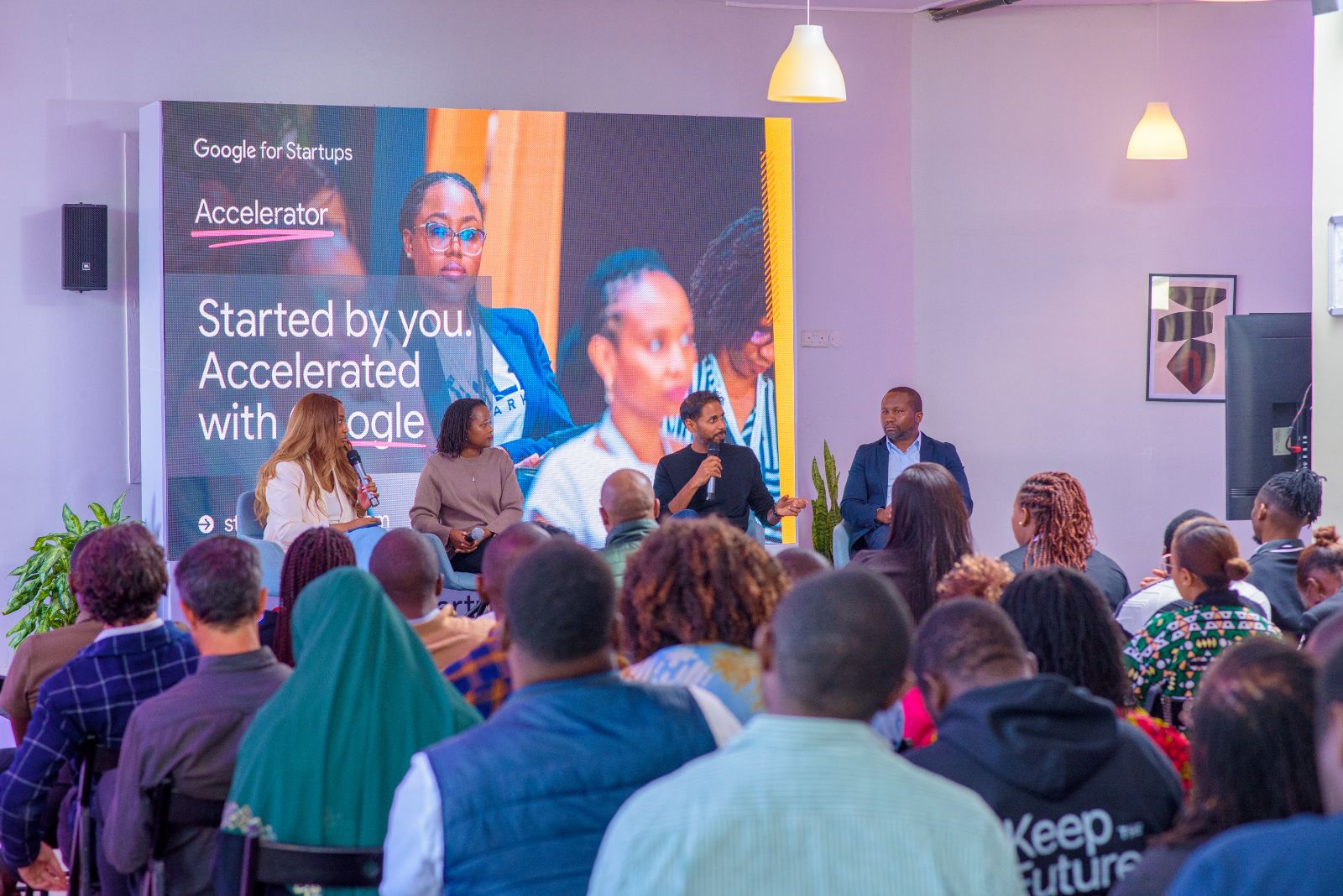
When Google graduated another cohort from its African startup accelerator this week in Nairobi, it repeated a decision it has made for years: take no equity from participating startups. The arrangement is often presented as founder-friendly support, proof that startups can access resources, expertise and distribution without diluting ownership. Yet Google’s model points to a larger reality taking shape across technology and finance.
The most sophisticated capital providers are becoming less interested in owning startups and more interested in owning the ecosystems, revenue streams and commercial relationships that startups eventually create.
That interpretation is seductive, but is also incomplete.
Much of the conversation around startup funding over the last three years has been shaped by a single concern: dilution. As venture valuations corrected, down rounds became more common and fundraising timelines stretched, founders began searching for ways to avoid selling larger portions of their companies at lower prices.
The response has been a surge of interest in non-dilutive financing, a broad category that includes venture debt, revenue-based financing, royalty agreements and platform support programmes such as Google’s accelerator. The appeal is obvious: why surrender ownership when alternative sources of capital appear willing to fund growth while leaving the cap table untouched?