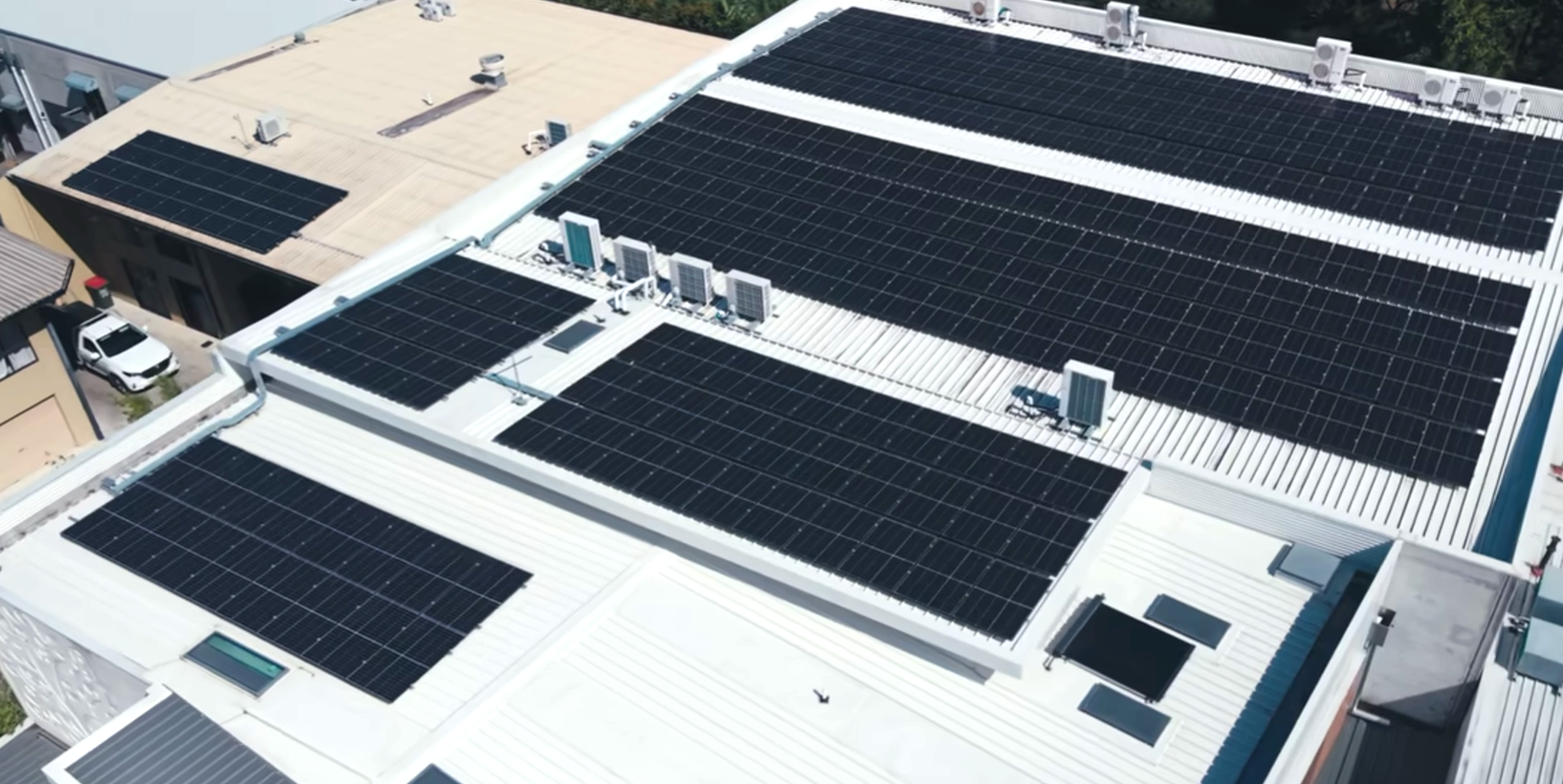
Europe’s C&I solar and storage market is entering a strong growth phase, supported by rising demand, stable installer capacity, and accelerating adoption of integrated energy solutions like storage, EMS, and EV charging. Success is increasingly driven not by price alone, but by trust, innovation, ESG performance, and long-term bankability across manufacturers and solution providers.
Europe’s solar and storage growth is increasingly being shaped by energy security, self-consumption economics, and downstream market requirements rather than installation volumes alone. Recent developments, including renewed concerns over energy security following disruptions around the Strait of Hormuz, Germany’s proposed FiT reform for small rooftop systems, and the European Union’s increasing scrutiny of high-risk inverter suppliers for publicly funded projects, are reinforcing the strategic value of local solar generation, storage, and intelligent energy management.
According to the EUPD Global Energy Transition (GET) Matrix©, annual European (26 markets) storage deployments are expected to increase from approximately 32 GWh in 2025 to 57 GWh in 2026e, reflecting the growing importance of flexibility and self-consumption across the energy system. Growth is particularly strong in the Commercial and Industrial (C&I) segment, where storage deployments are projected to increase by 78% year-on-year in 2026, as businesses seek greater control over energy costs, resilience, and long-term competitiveness. As project economics increasingly depend on self-consumption optimisation, flexibility services, and broader revenue stacking opportunities, investment decisions are extending beyond technology selection alone. For manufacturers, this means that factors such as downstream trust, supplier reliability, financial stability, and long-term performance are becoming increasingly important alongside system economics, making a deeper understanding of market expectations critical for success in Europe’s next phase of solar and storage growth.