At SNEC 2026, energy storage shifted from a PV add-on to core grid infrastructure, driven by long-duration systems, grid-forming technology, sodium-ion scaling, AI data center demand, and rapid vertical integration across the value chain. The industry is moving toward system-level competition where duration, intelligence, and full-stack capability matter more than standalone battery performance.
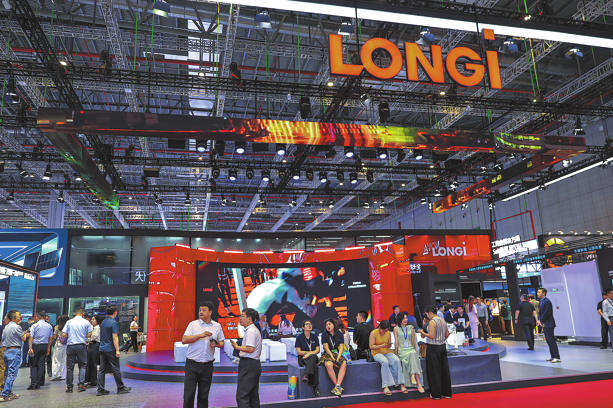
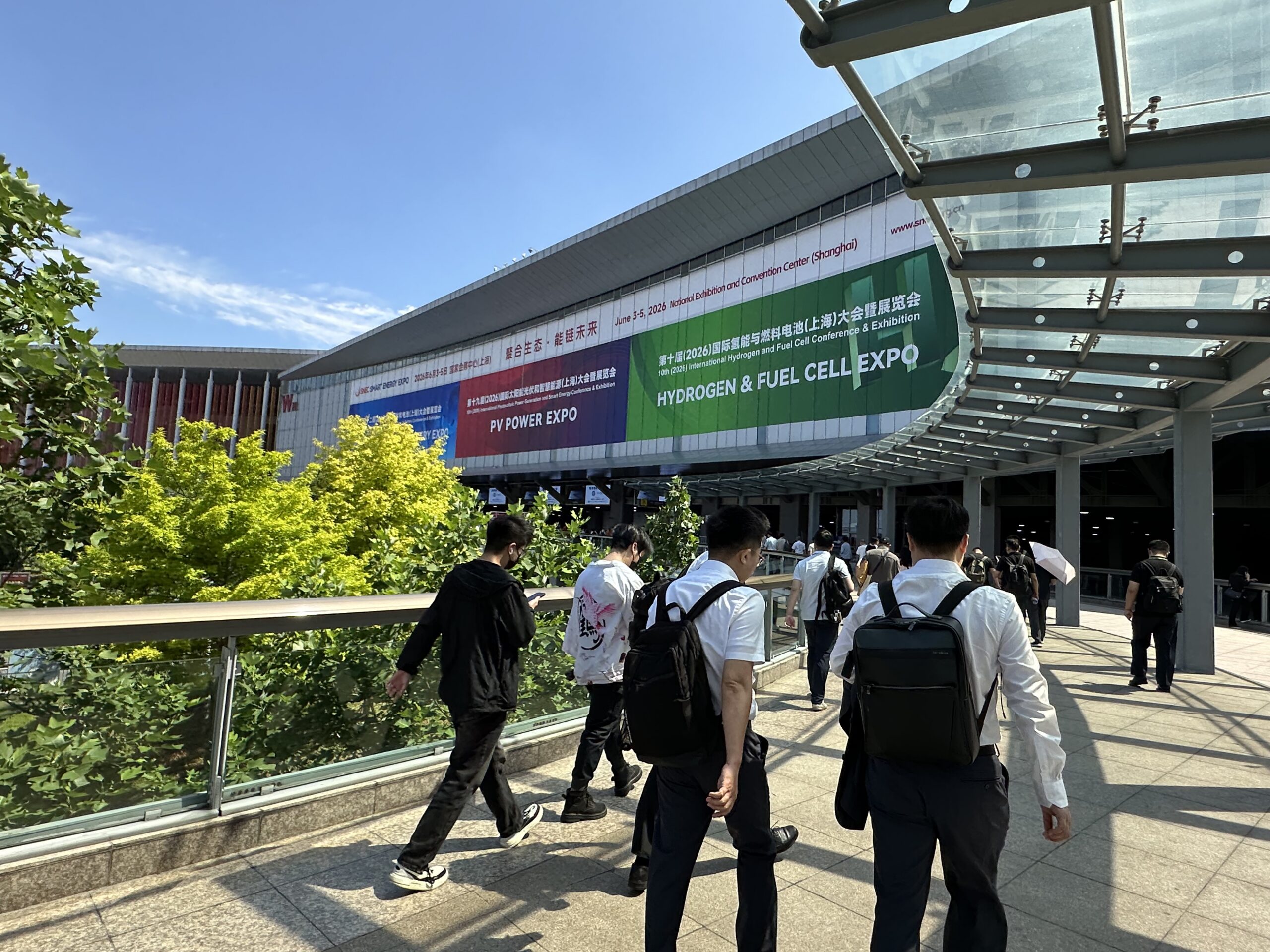
At SNEC 2026 in Shanghai, energy storage was no longer positioned as a supporting segment of solar. It emerged as a central theme in its own right.
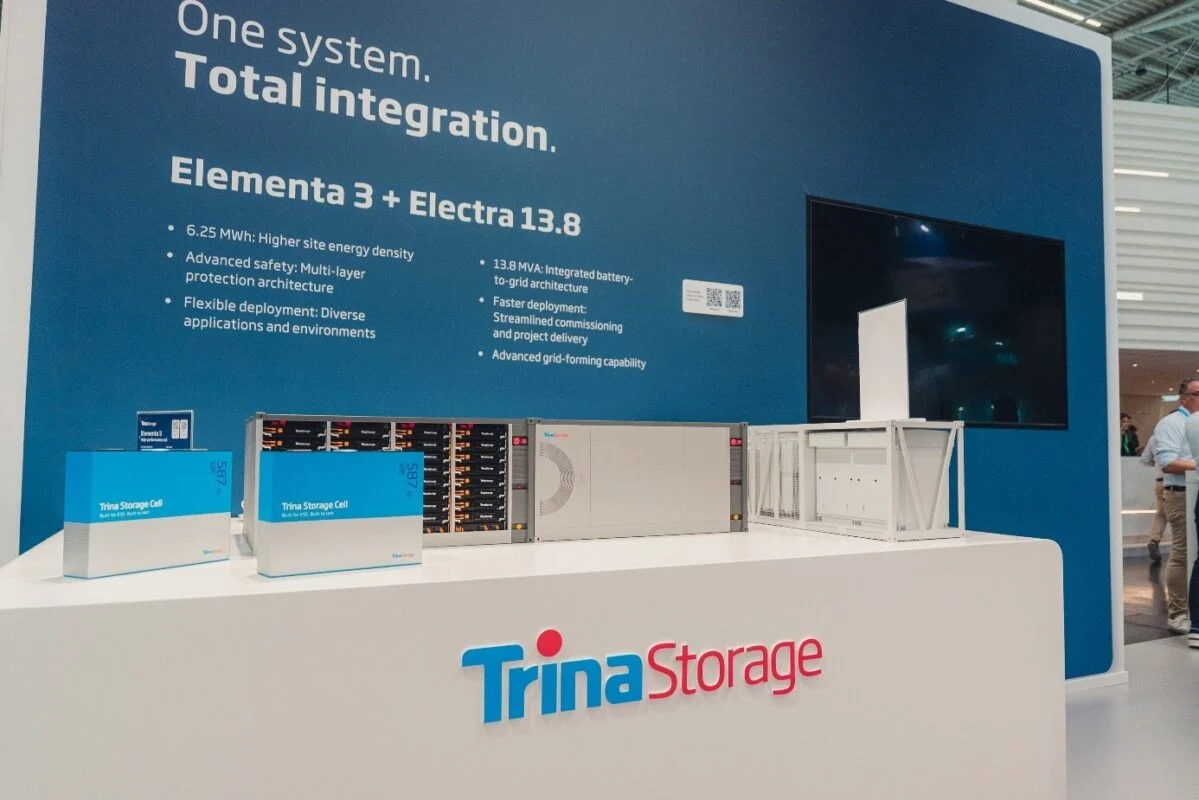
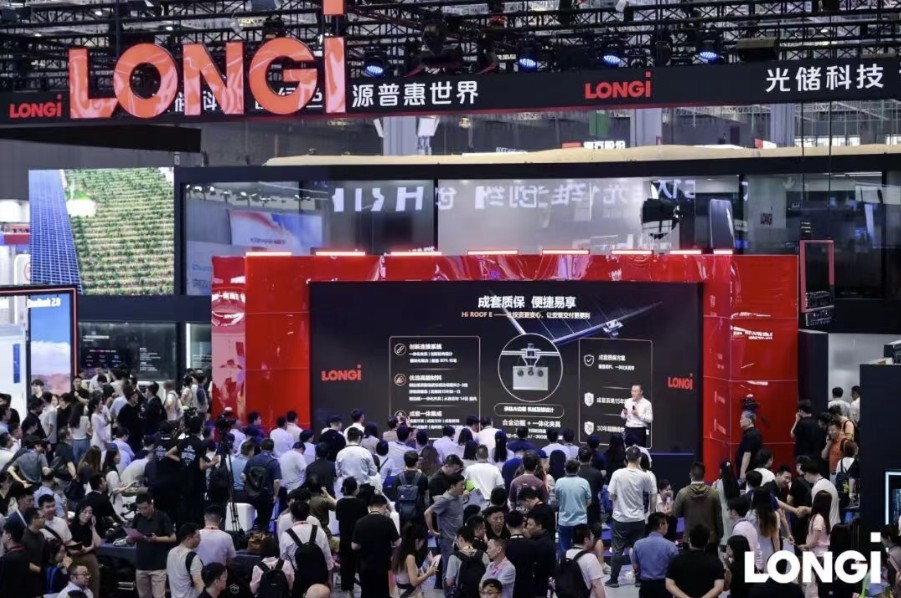
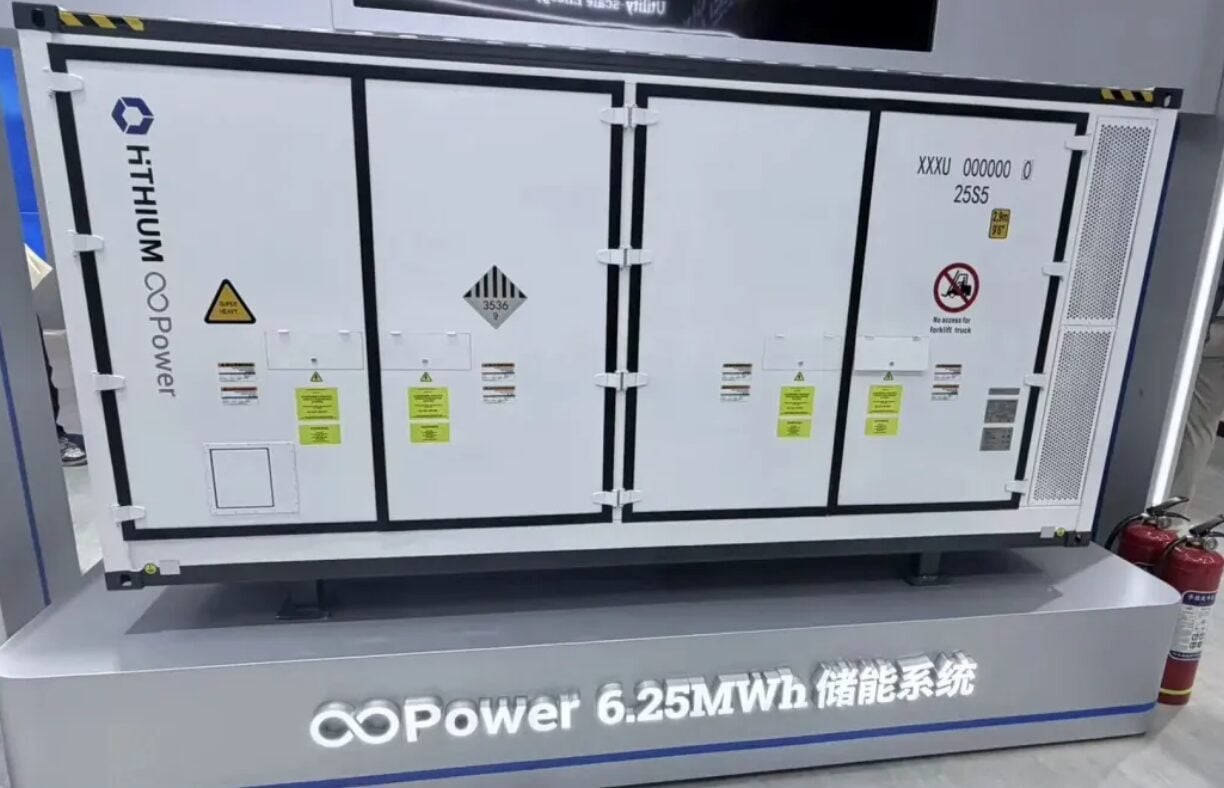
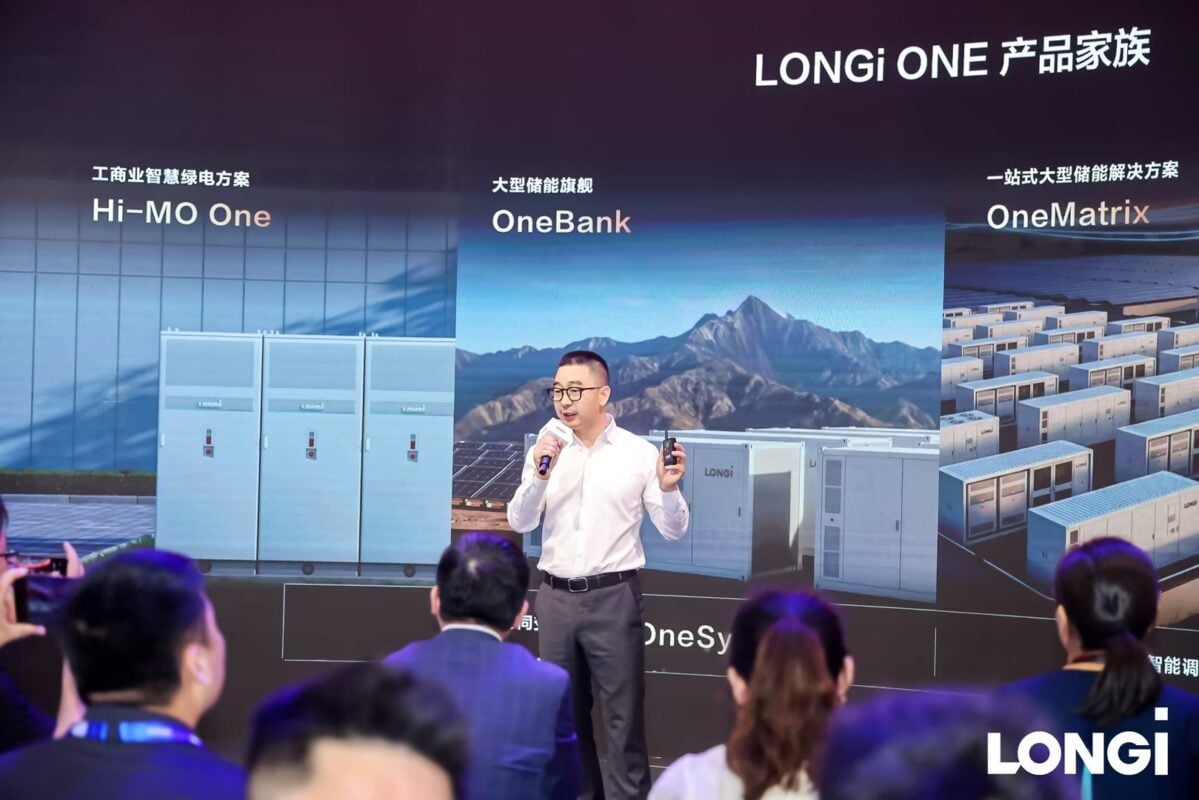
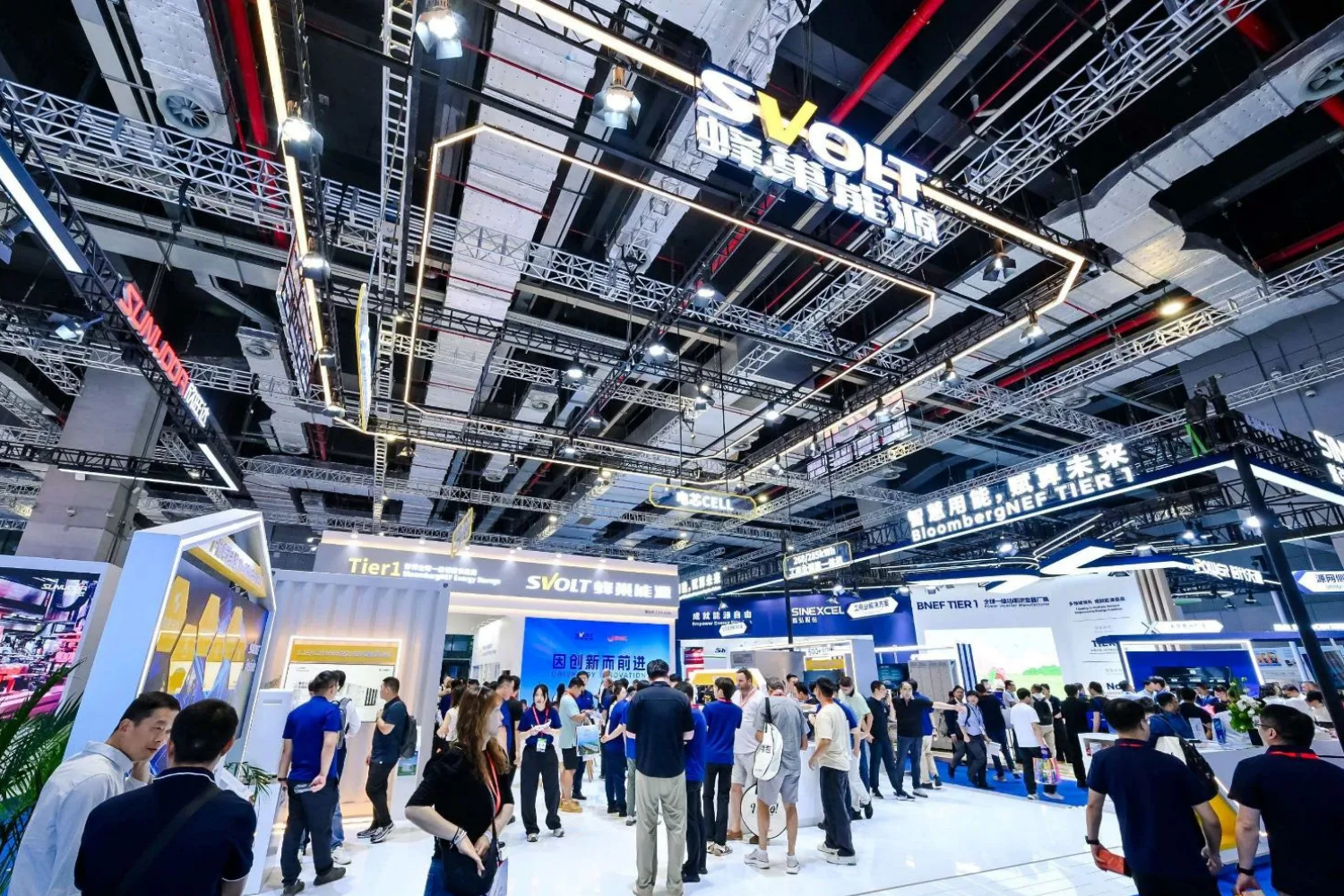
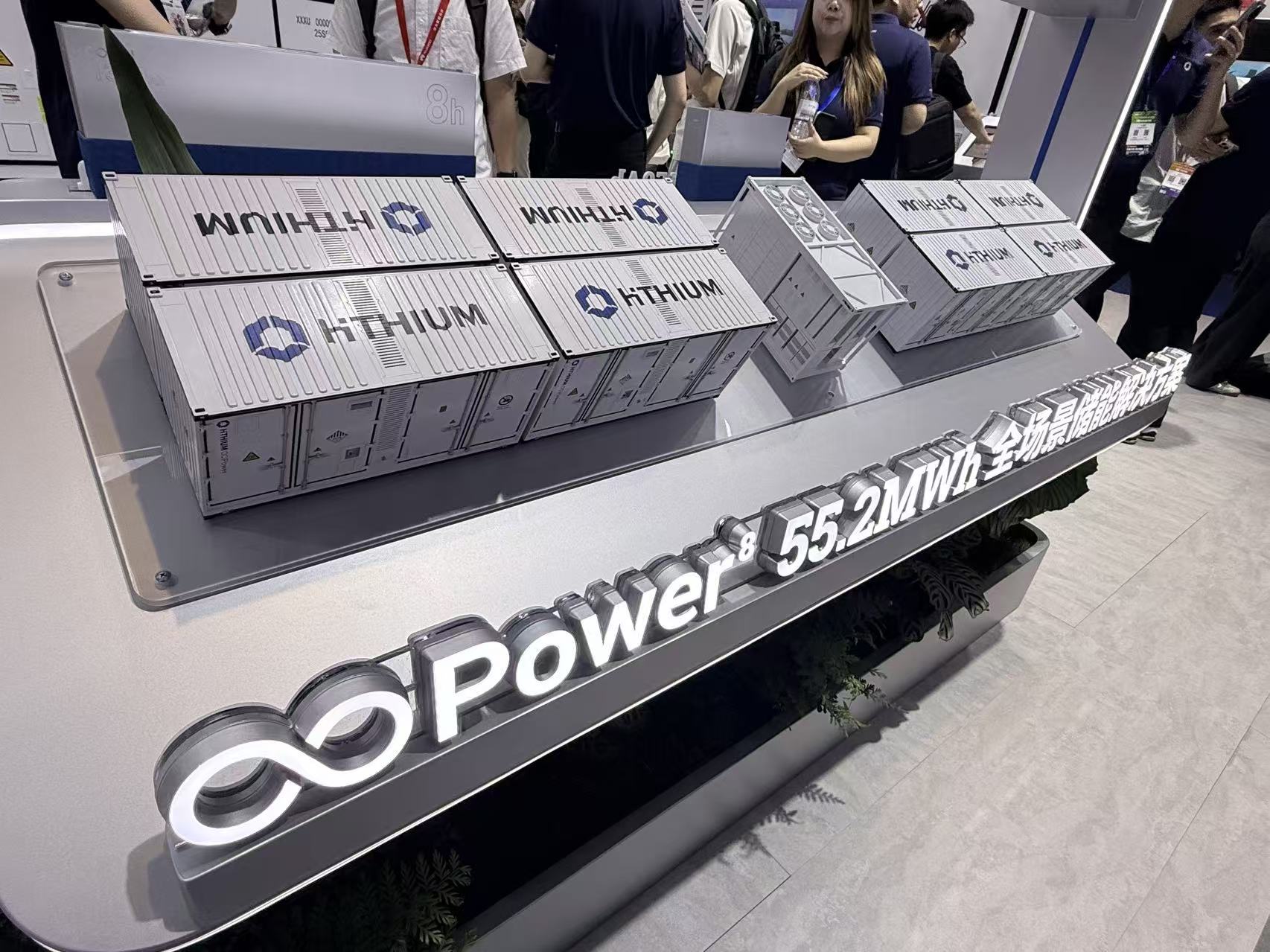
This was evident in exhibition halls, where battery cells, DC blocks, PCS platforms, EMS systems and integrated storage solutions attracted significant attention. It was also reflected in the industry language. Companies increasingly described storage not as a mandatory add-on to PV projects, but in terms of duration, grid-forming capability, data center applications, system architecture and lifecycle value.
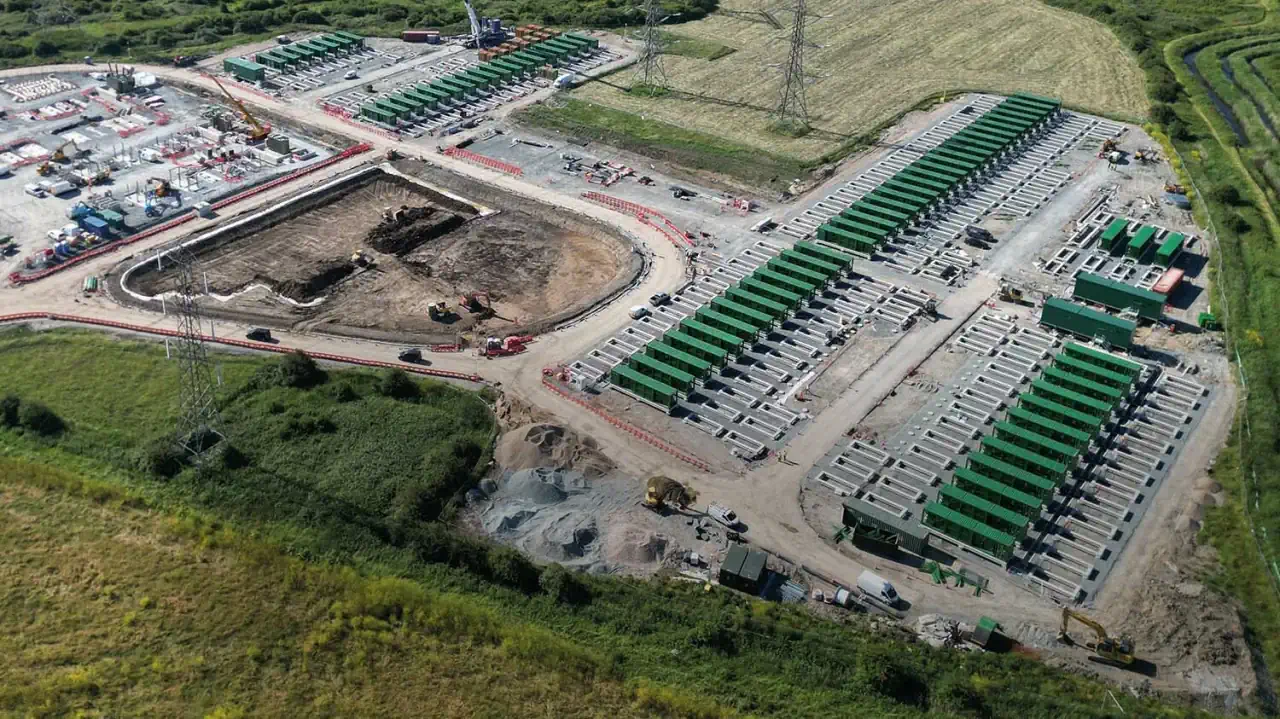
The shift points to a broader transition: energy storage is moving from project accessory to core power-system infrastructure. Five trends stood out.
Long-duration storage moves toward defined product strategy