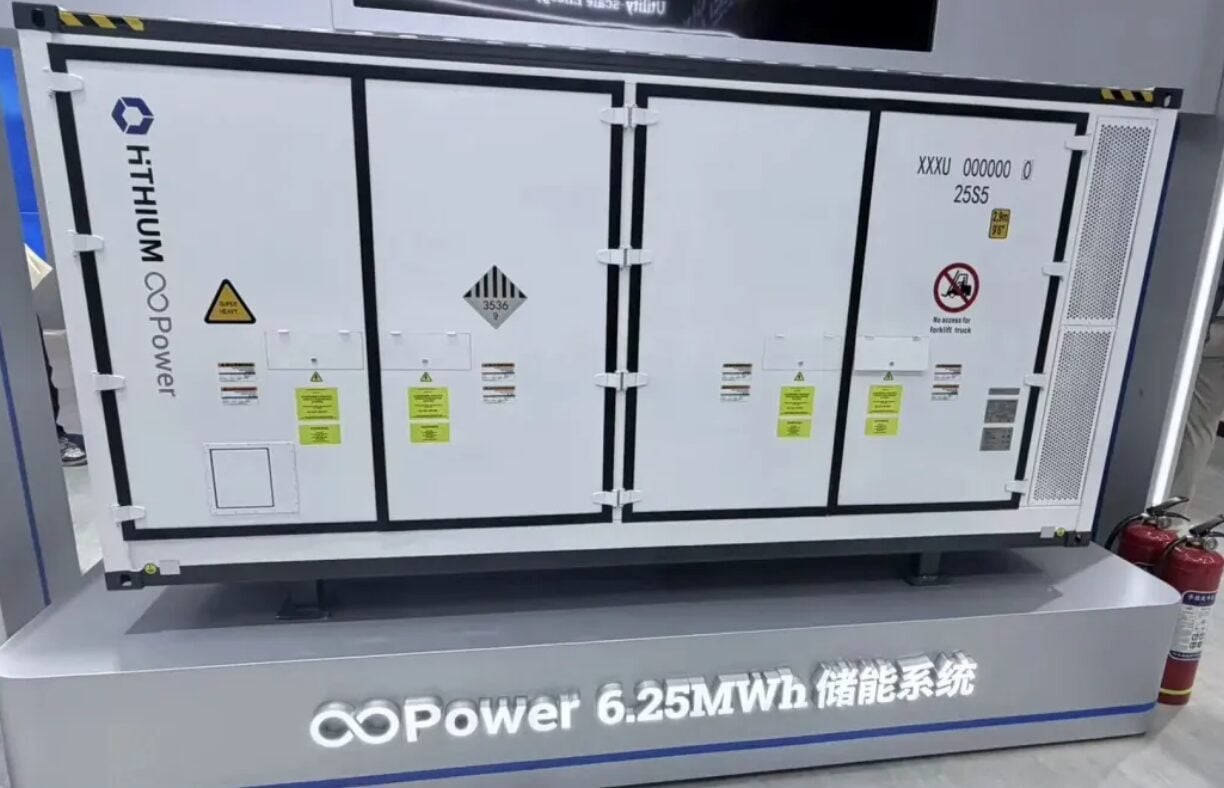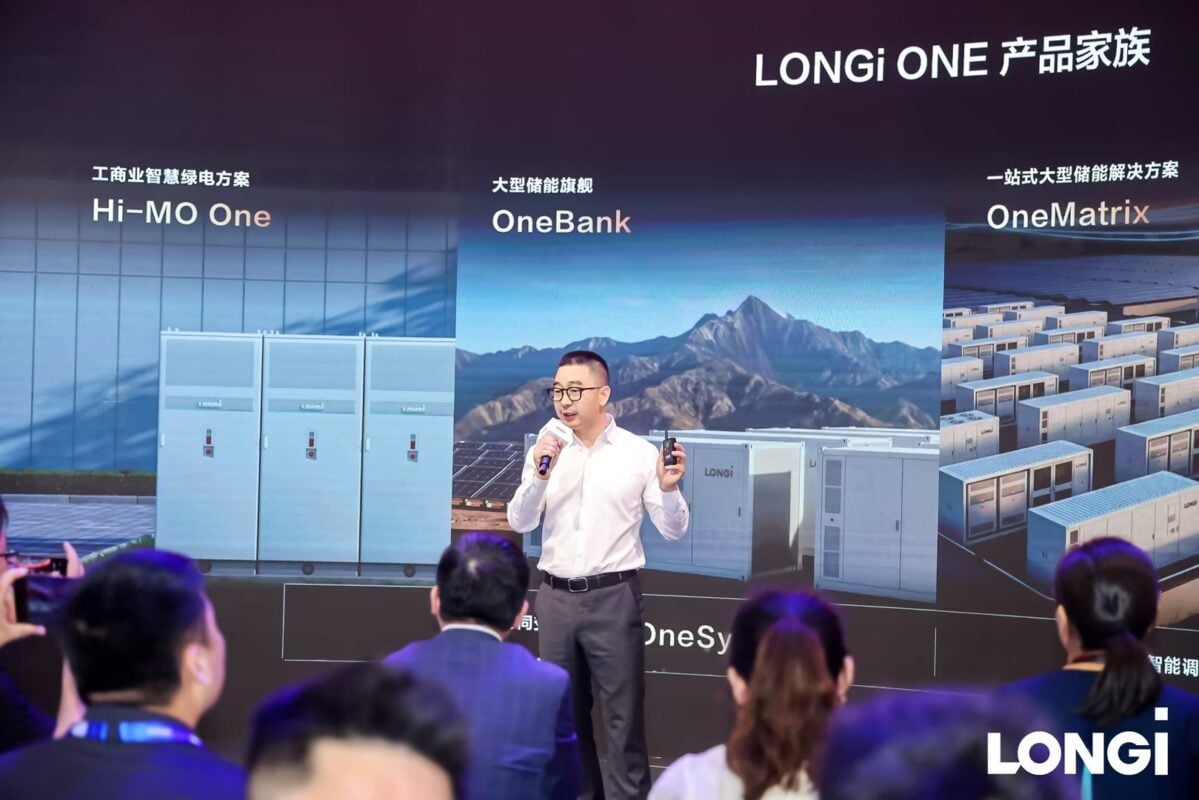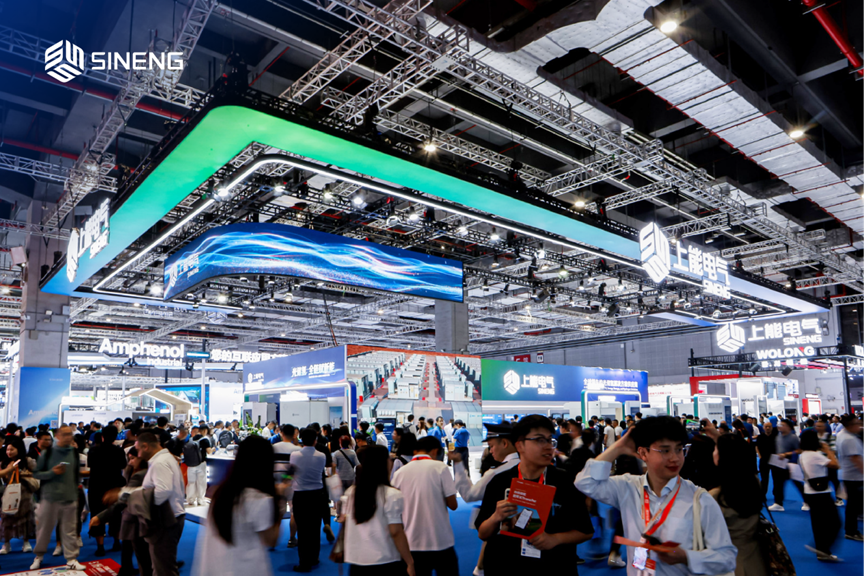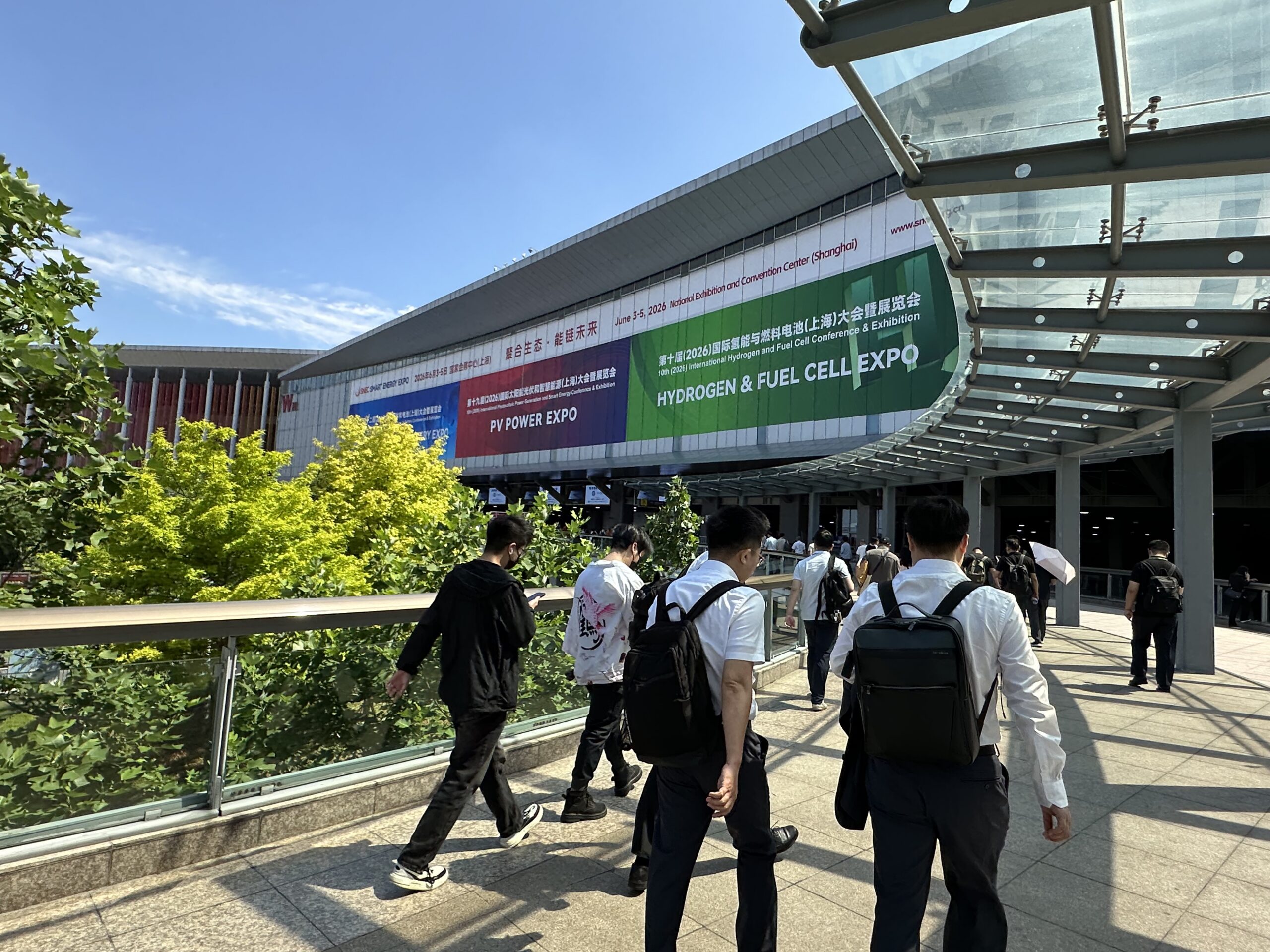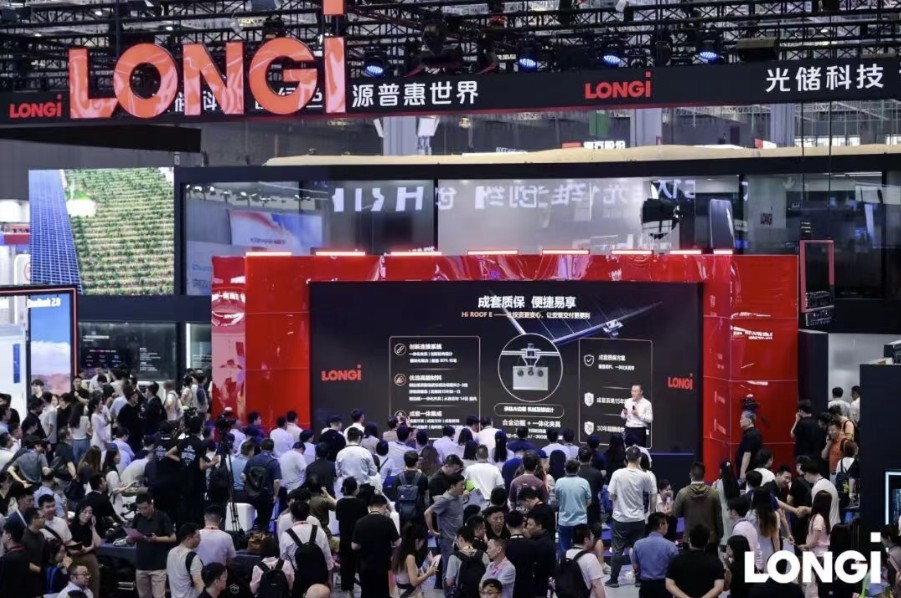
SNEC 2026 highlighted a shift in solar from module-centric growth to system integration, with storage and AI increasingly central to project design and value creation. At the technology level, back-contact gained momentum as a premium platform, while scenario-specific modules and emerging applications signaled deeper market segmentation.
For anyone who has followed SNEC for more than a few years, the basic rhythm of the show is familiar: bigger booths, louder launches, higher module wattages and increasingly confident claims about the next phase of solar. SNEC 2026 felt slightly different.
The solar segment was still vast. Major Chinese manufacturers showcased new modules, efficiency gains, cell roadmaps and carefully staged glass displays. TOPCon remained ubiquitous, and high-power modules continued to dominate headlines and booth graphics. Yet the underlying message was no longer simply that modules are getting more powerful. That narrative is now largely established.
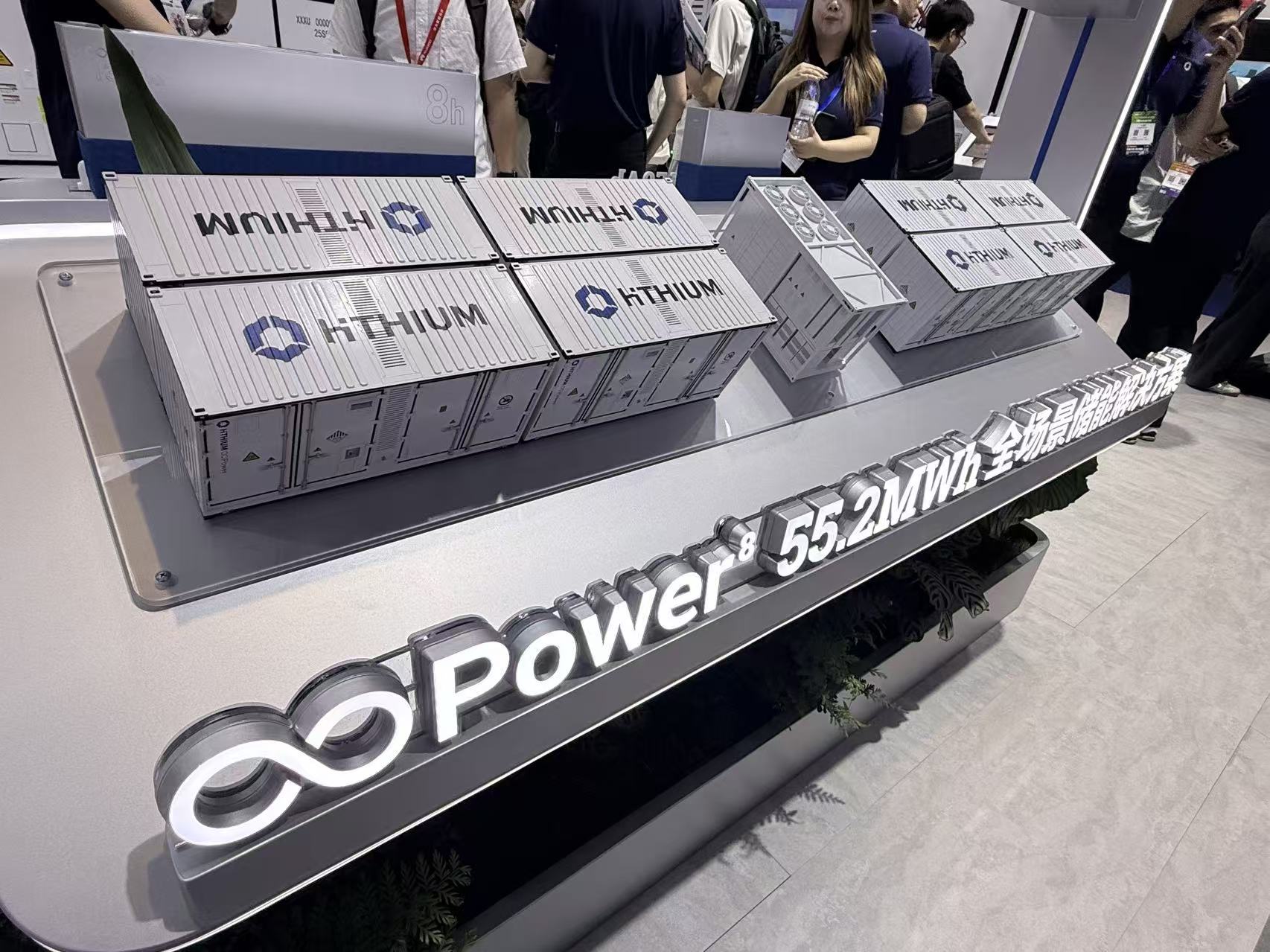
Instead, PV was increasingly framed as part of a broader system conversation: storage, dispatchability, AI, grid stability, differentiated applications and, at the margins, even space-based use cases. In short, SNEC 2026 reflected an industry still focused on efficiency gains, but increasingly aware that efficiency alone will not define the next cycle.