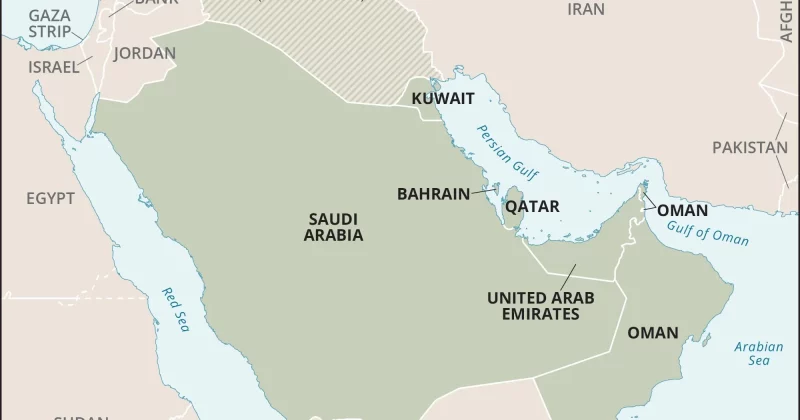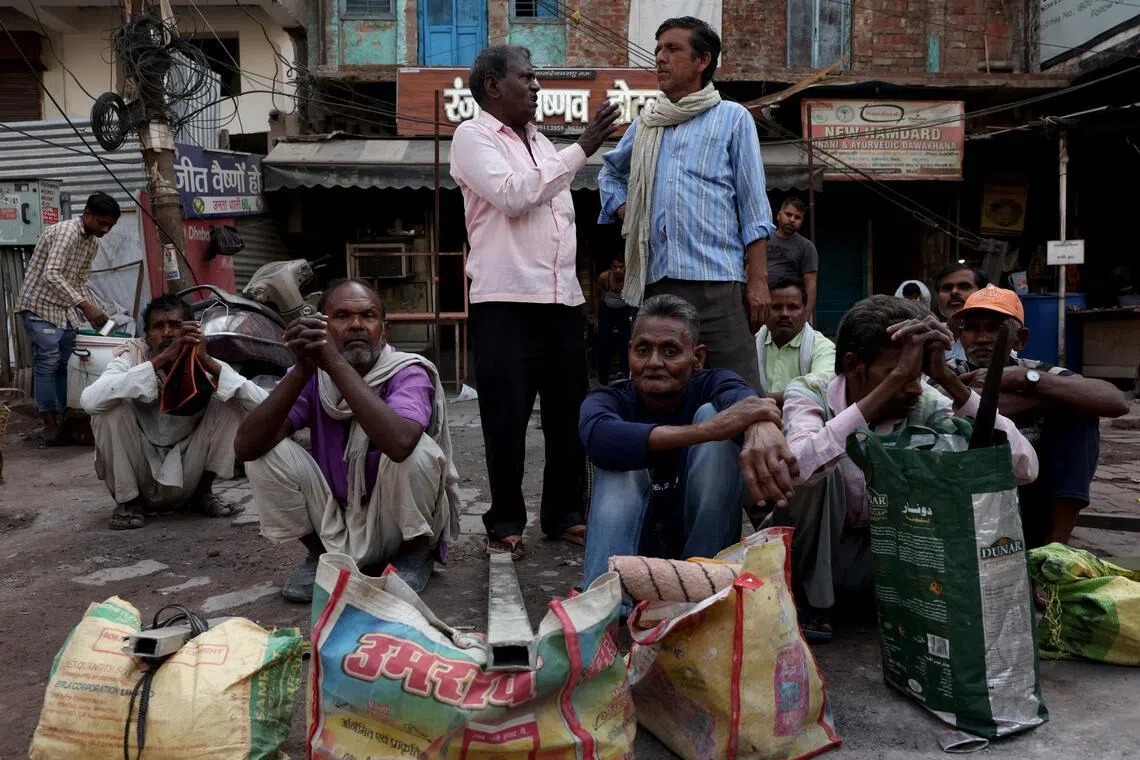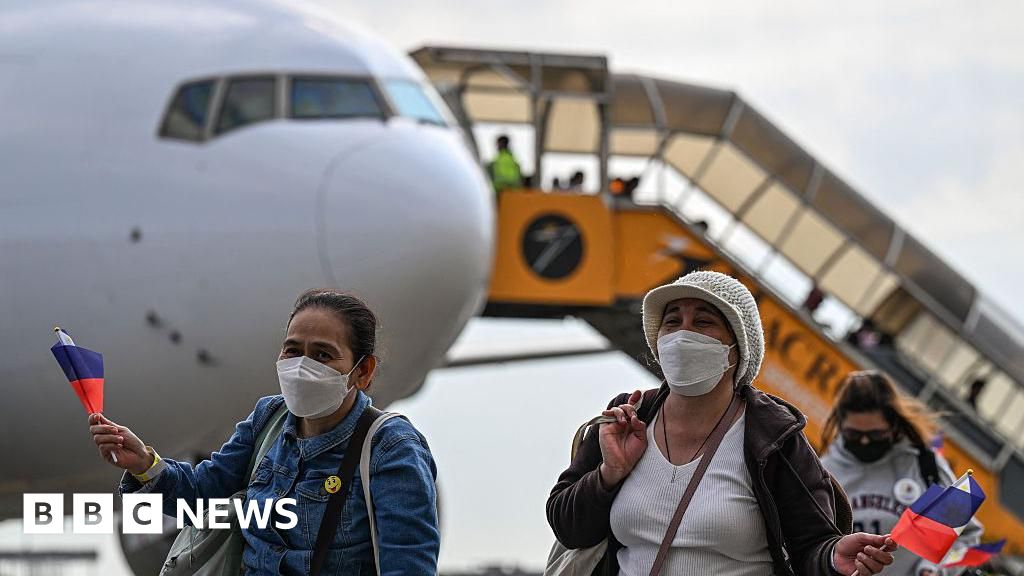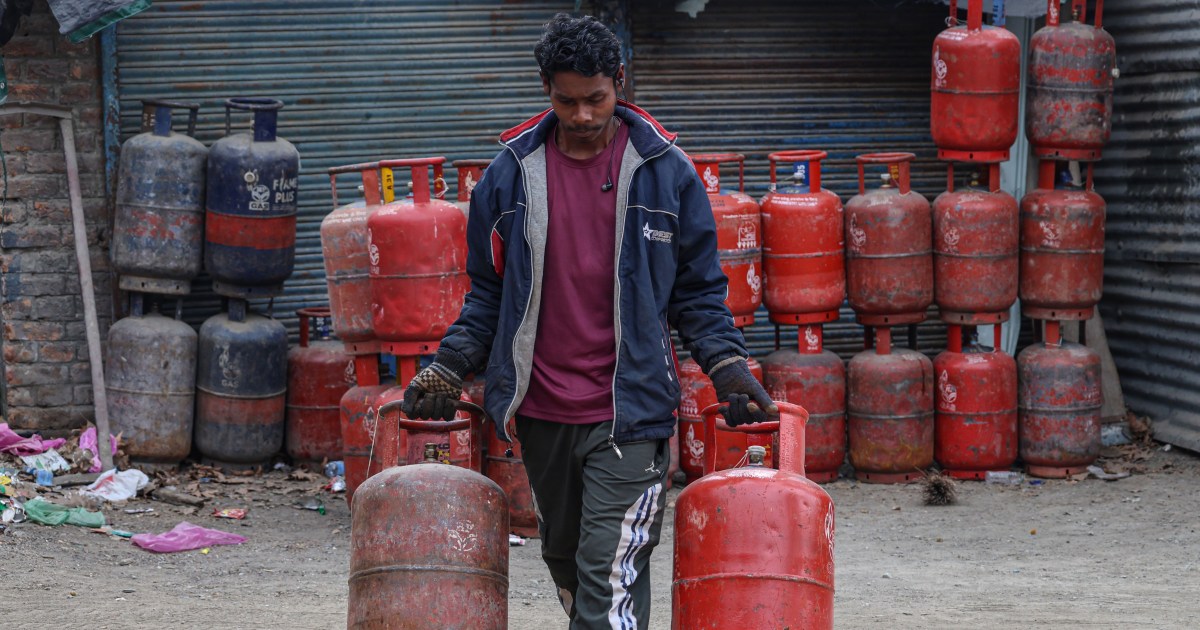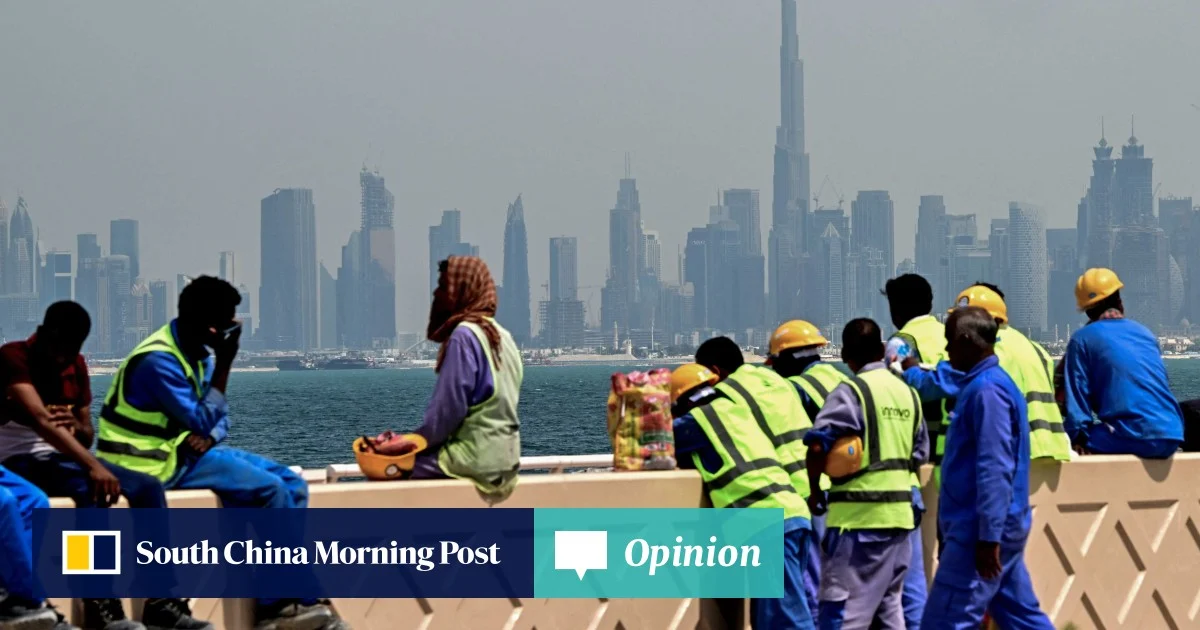
The Gulf region functions as an economic heart for South Asia, pumping cash back to families across India, Pakistan, and Bangladesh through a vast network of migrant labor. That heart is now under serious stress.
The Iran conflict, which escalated in early 2026 with strikes on Gulf infrastructure and tightening international sanctions, is threatening to choke off one of the developing world’s most critical financial arteries: remittances. Gulf-based migrant workers send roughly $88 billion home annually, with India alone receiving over $50 billion of that total. India’s broader remittance inflows were projected at approximately $124 billion for 2024, a figure that underscores just how much the country’s economy leans on money earned abroad.
The scale of what’s at stake
Economists are now forecasting that remittance flows could decline by up to 30% if the Iran conflict persists beyond three months. For context, a 30% drop on India’s $50 billion-plus in Gulf remittances alone would erase roughly $15 billion from household incomes, hitting rural communities hardest.
Gulf GDP could fall by 10-15% under sustained conflict conditions, according to economist projections. Energy disruption, damaged infrastructure, and sanctions are all compounding the economic pressure. When Gulf economies contract, the job markets that employ millions of South Asian migrants contract with them.