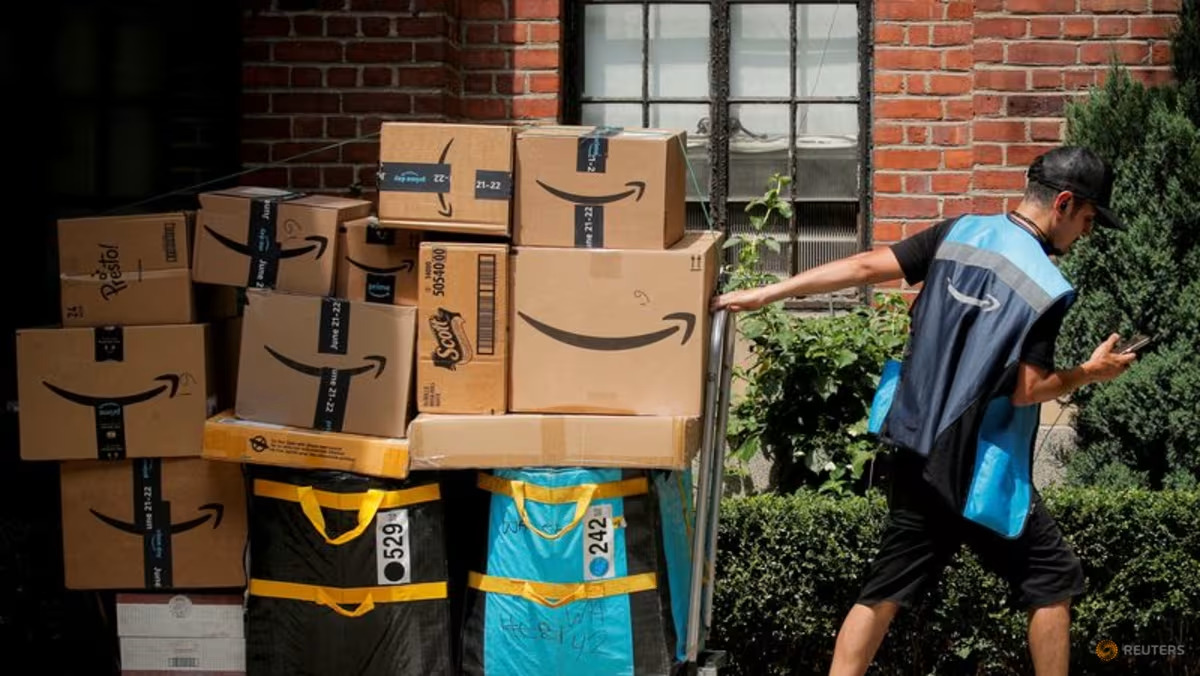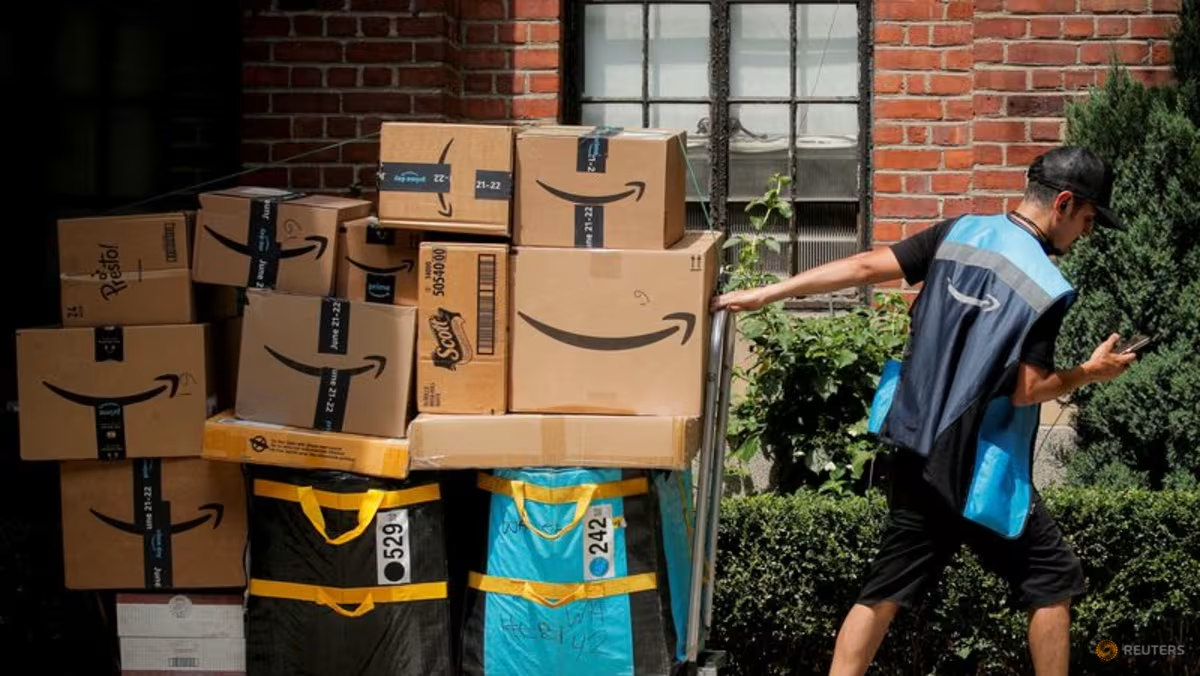
Amazon’s Prime Day event is returning June 23-26, marking the second year in a row that the company has stretched the sale to four days. But this year’s event comes with another major change. Amazon moved Prime Day up by several weeks, turning what has traditionally been a July shopping event into the unofficial kickoff to the summer sales season.Prime Day arrives against a backdrop of economic uncertainty. Gas prices have soared since the start of the war in Iran, and while a peace deal has arrived, the national average for regular gas is above $4 a gallon. Meanwhile, Americans’ paychecks have failed to keep up with inflation, dampening consumer confidence.
And yet, consumers are still opening their wallets. U.S. retail sales rose in May, beating expectations. That resilience could help fuel another busy Prime Day.
Sellers also appear more upbeat than they were a year ago. Many sellers told Modern Retail that tariff concerns have eased compared to last summer, giving them more confidence heading into one of Amazon’s biggest shopping events of the year. At the same time, brands remain cautious about profitability.
Prime Day is expected to generate more than $26 billion in online sales across retailers during the four-day event, according to eMarketer forecasts. Here are five things to watch.