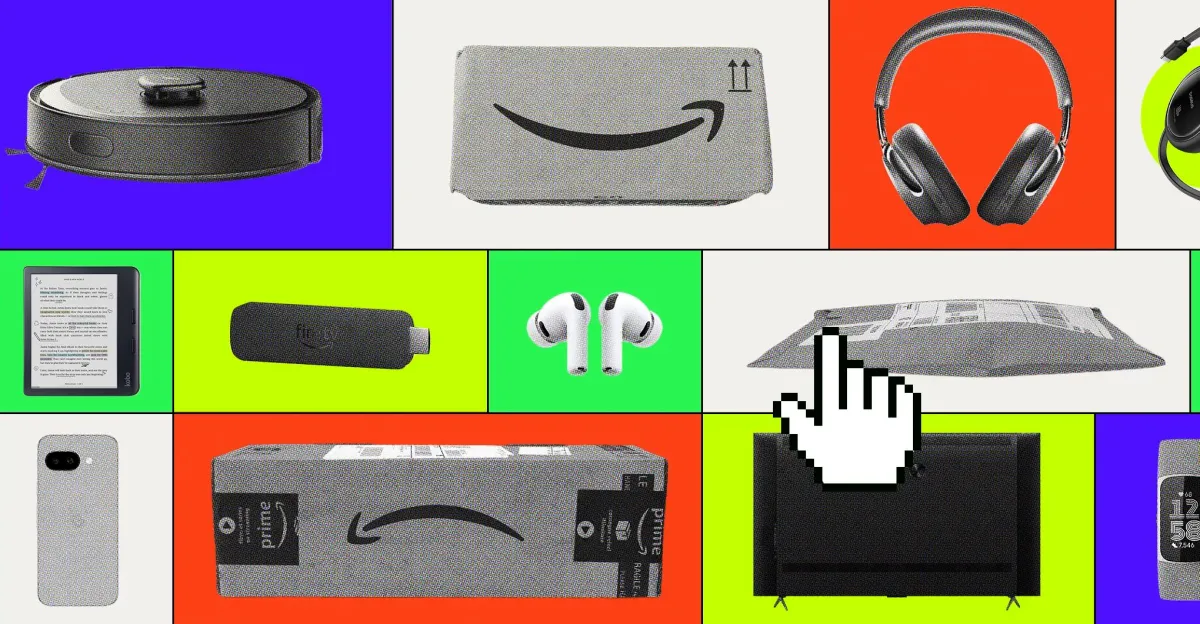
The event is set to offer “millions” of promotions across more than 35 categories, spanning electronics, apparel, beauty, and other segments. Amazon is emphasizing discounts on its proprietary devices, including Alexa+-enabled products (with savings of up to 60%) and Kindles (with discounts of up to 45%), alongside offers in categories with lower penetration rates such as grocery and travel.
Amazon is also promoting its AI-powered shopping assistant, Alexa for Shopping (AfS), as an important resource for product discovery and deal monitoring throughout Prime Day. The company states that AfS is capable of generating personalized offers and product suggestions based on an individual shopper’s purchase history and preferences.
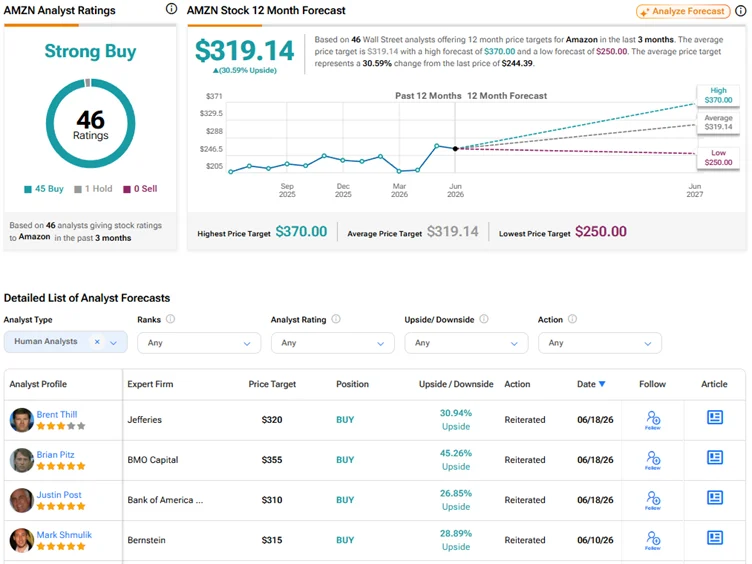
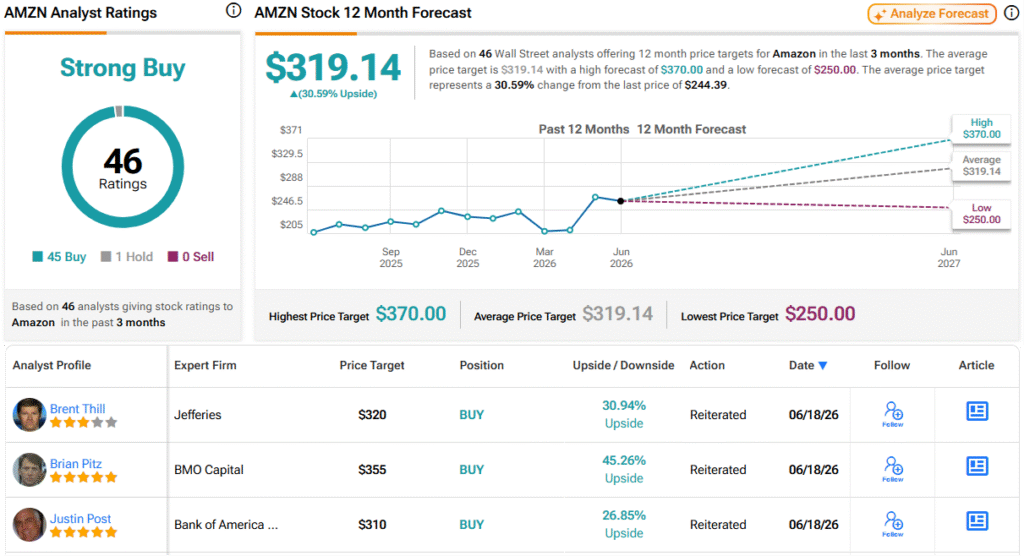
BofA’s Justin Post, an analyst ranked among the top 2% on Wall Street, thinks that AfS will be an “essential tool in protecting direct traffic” for Amazon, while also supporting improved conversion rates and encouraging “incremental spend” across the platform. In total, the analyst estimates that AfS could contribute more than $200 billion in incremental GMV by 2035 and generate $20 billion in additional Retail profit.
As Prime Day occurs in June this year rather than July as it did in 2025, this will affect year-over-year quarterly comparisons. Adjusting for timing differences, Post reckons 1P Prime Day GMV will increase 4.5% YoY to $11.6 billion, while 3P GMV is expected to rise 5% YoY to $10 billion. Combined, the analyst forecasts Prime Day GMV of $21.6 billion, representing growth of about 5%, compared with the 55% increase recorded in 2025 that benefited from the expansion to a 96-hour event. Post estimates that Prime Day could contribute $12.4 billion in incremental Q2 GMV relative to normal sales levels for those dates, along with $8.5 billion in incremental revenue.