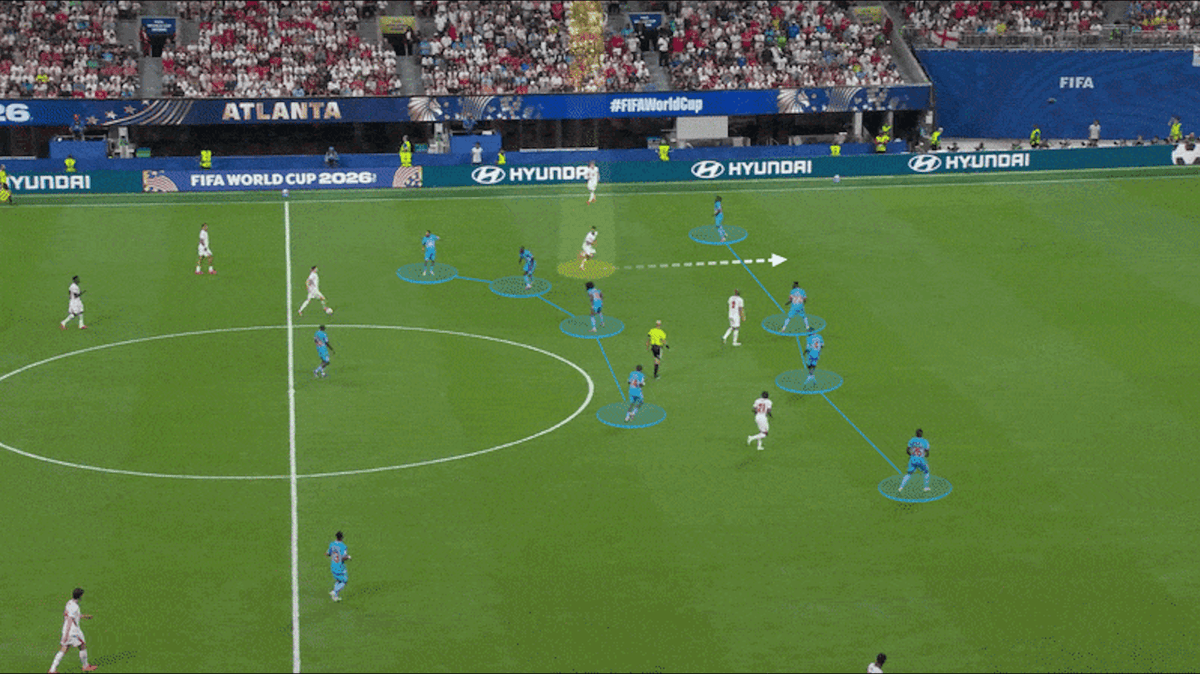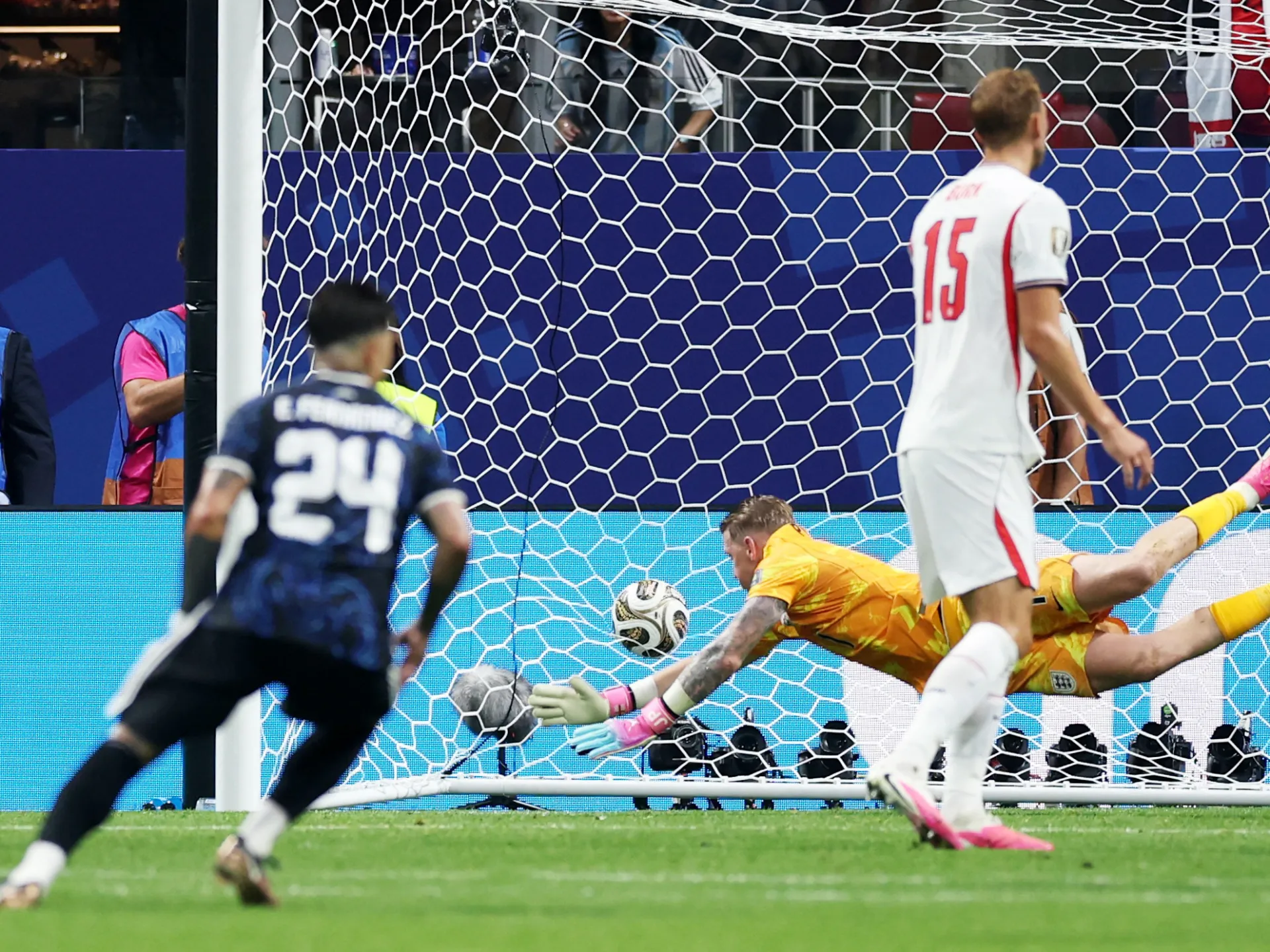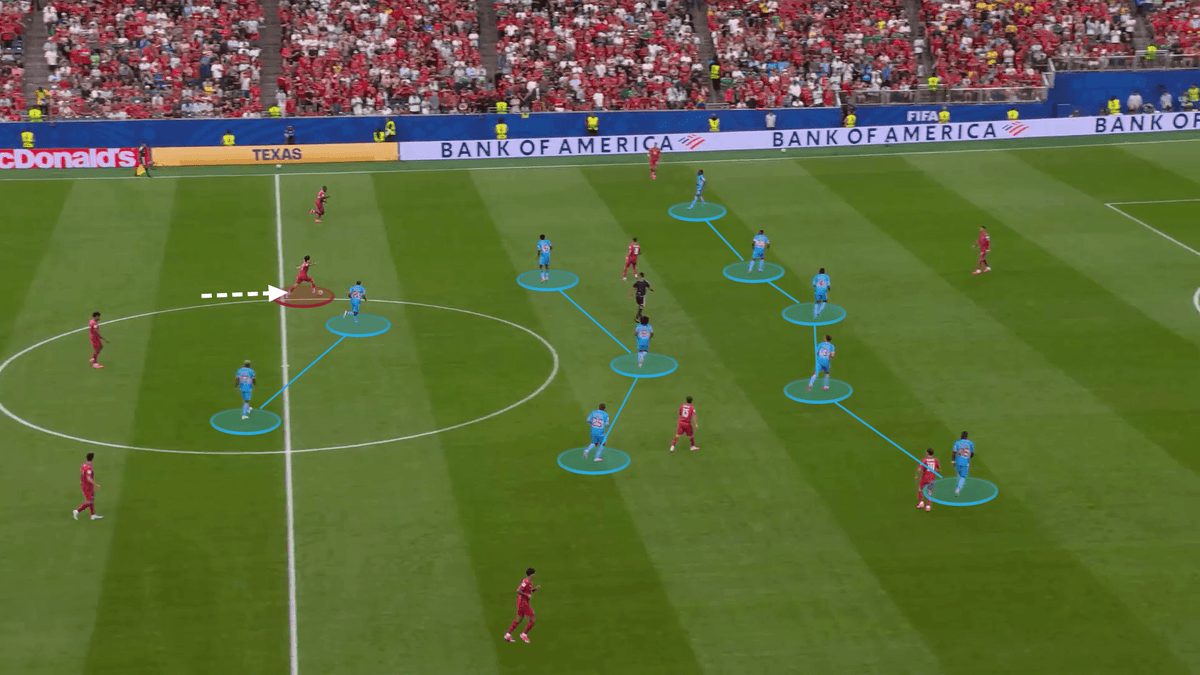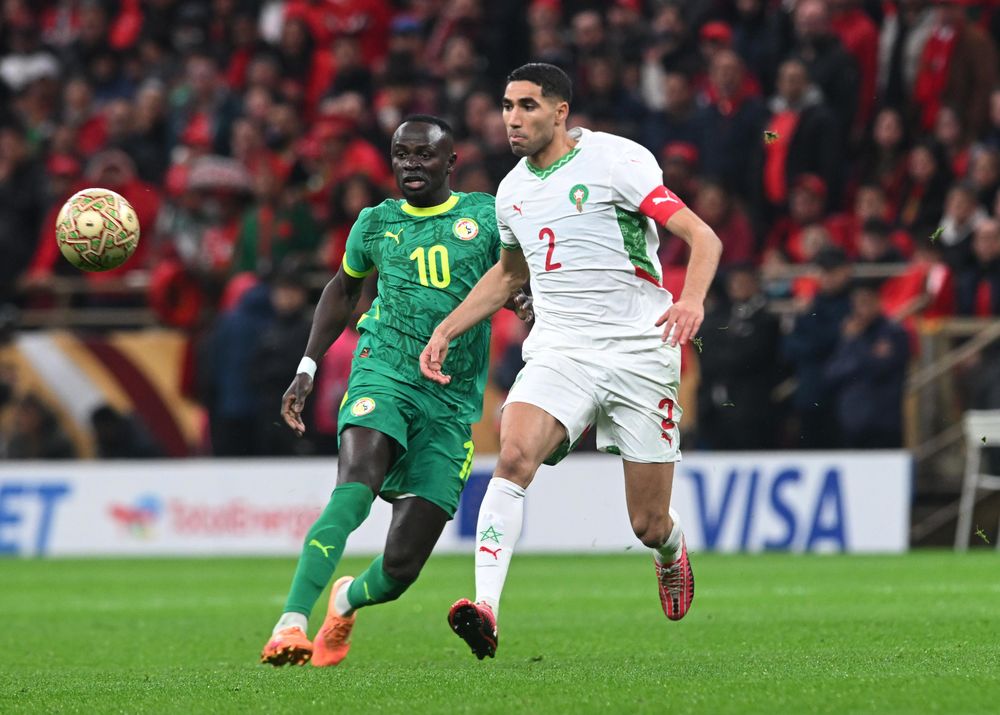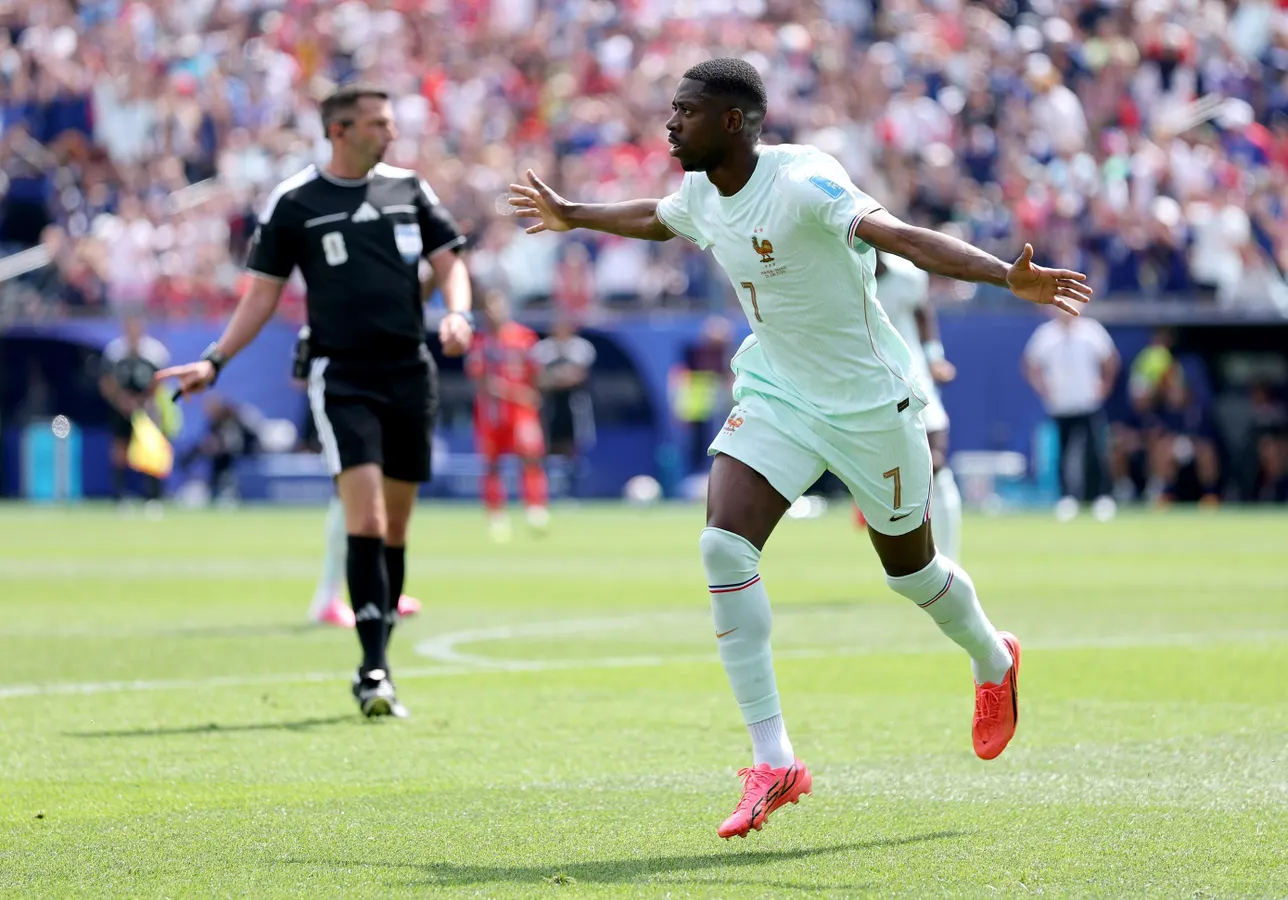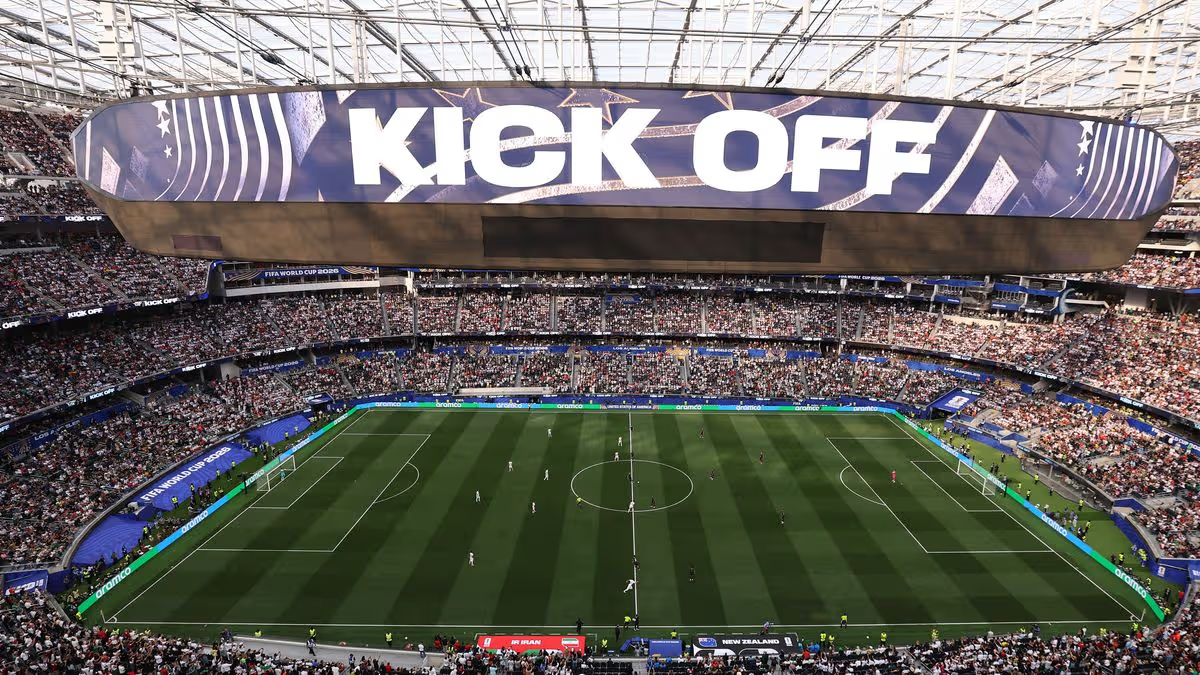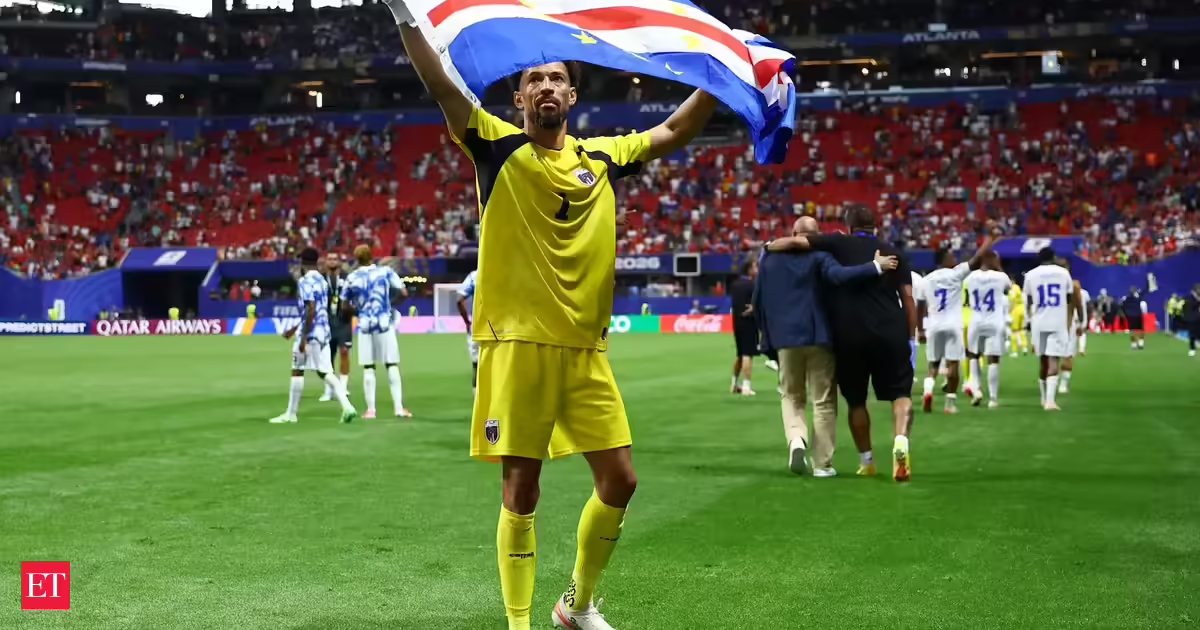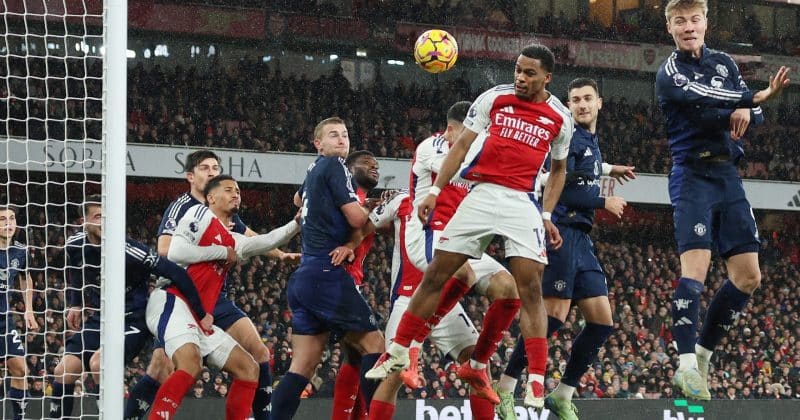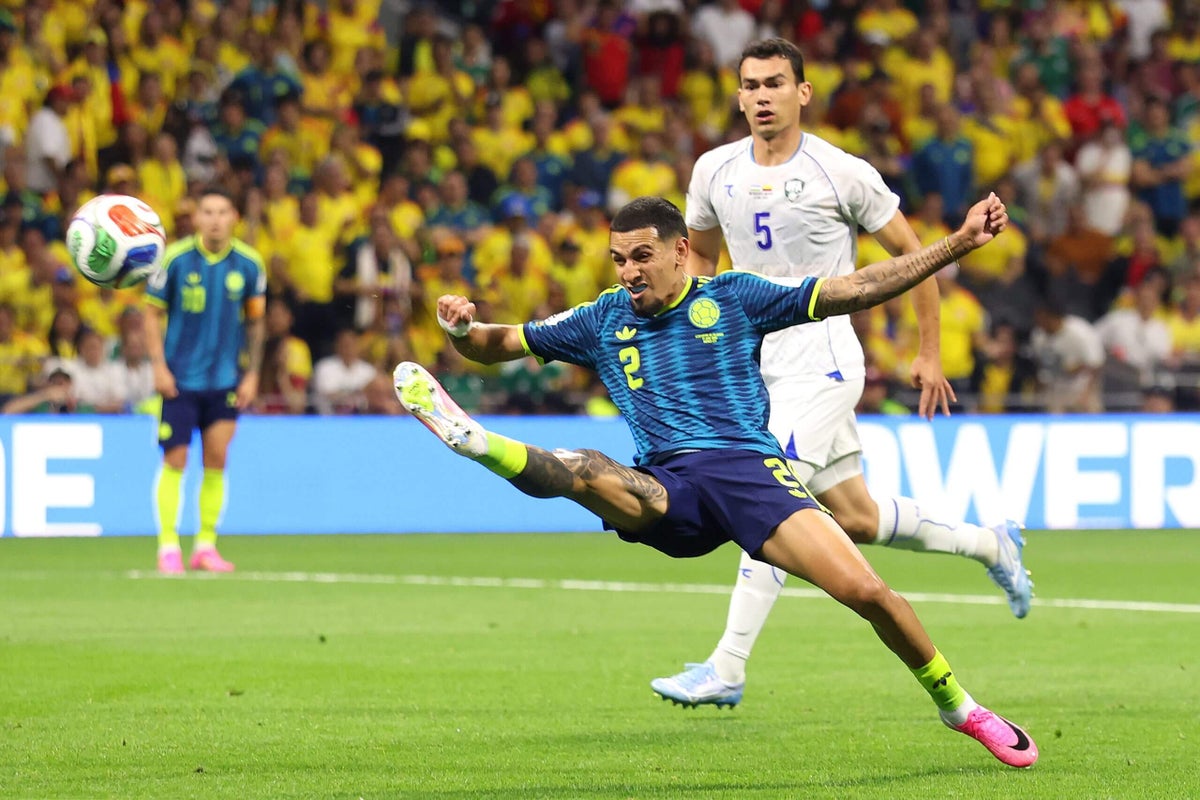
Two years ago I was introduced to the concept of the ‘bonus back.’It’s a term used by one of the coaches at the PSV Eindhoven academy to describe the importance of having a wide defender — full-back or wing-back — join in attacks and crash the box. Their logic was simple: opponents prioritise defending the main threats and often a wide defender can ghost in unmarked to score or create a goal.We’re seeing that at the 2026 World Cup. Midway through the second round of group-stage matches, close to two-thirds the number of games have been played compared to 2022 and 2018 — this tournament is four groups and 16 teams bigger. Already the total number of touches in the opposition box by defenders is higher than the group stages of the past two World Cups, at one every 54 minutes, having been seen at a rate of every 83 and 97 minutes previously.They are a key solution in breaking down low blocks, especially when up against a back five.The standout move of this variety was Luis Diaz’s ball over the Uzbekistan defence for right-back Daniel Munoz, who makes these box-crashing runs so often for Crystal Palace.Munoz sprinted in behind Uzbekistan left centre-back Rustam Ashurmatov and jumped acrobatically to poke in the opening goal.“They played a 5-4-1 and closed spaces very well,” said Colombia head coach Nestor Lorenzo of their opposition. “I like us to be the main character with the ball, playing in opposition territory.”As per FIFA’s post-match report, Uzbekistan spent 34 per cent of time without the ball in a low block and a further 26 per cent in a mid-block, content to stay in shape and protect central passing lanes.Note where their back five is positioned in the grab above. Most teams try to avoid retreating into their own box unless they are forced to, which gives more space for Munoz to run into, while there is insufficient pressure on ball carrier Diaz, who can pick out his right-back.Iran right back Ramin Rezaeian scored against New Zealand in a 2-2 draw after what was effectively a one-two with midfielder Saman Ghoddos. When Shahriar Moghanlou, their striker, had his shot blocked by Finn Surman, the underlapping run by Rezaeian proved decisive for a tap-in.Another example can be found for Croatia’s second equaliser in their 4-2 defeat to England, as Thomas Tuchel’s side sat in at the end of the first half to try and take their 2-1 lead into half-time.Once more, with not enough pressure on the ball, midfielder Mario Pasalic can find the out-to-in run of left wing-back Ivan Perisic. His high start position caused England right back Reece James issues, which meant the temporary back five (left winger Anthony Gordon came deep) held their line on the edge of the box but could not execute the intended offside trap.Perisic headed Pasalic’s pass into the path of Petar Musa, who duly scored. “We spent way too much time in a low block,” Tuchel said after. Pre-match he pointed out the crossing threat that Perisic offered — he identified the danger man but got the manner of his threat wrong.Portugal had little success in opening up DR Congo, who earned a famous 1-1 draw with a game-plan built around defending deep as a 5-3-2 — indeed, 37 per cent of their time defending was in a low block, and 32 per cent in a mid block.
Why the 2026 World Cup is the tournament of the ‘bonus back’
Why the attacking movement of wide defenders is proving a key solution in breaking down low blocks, especially when up against a back five
1,069 words~5 min read