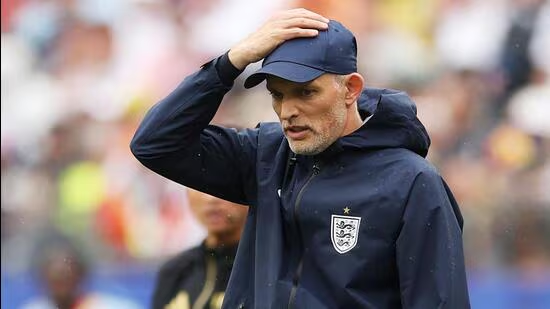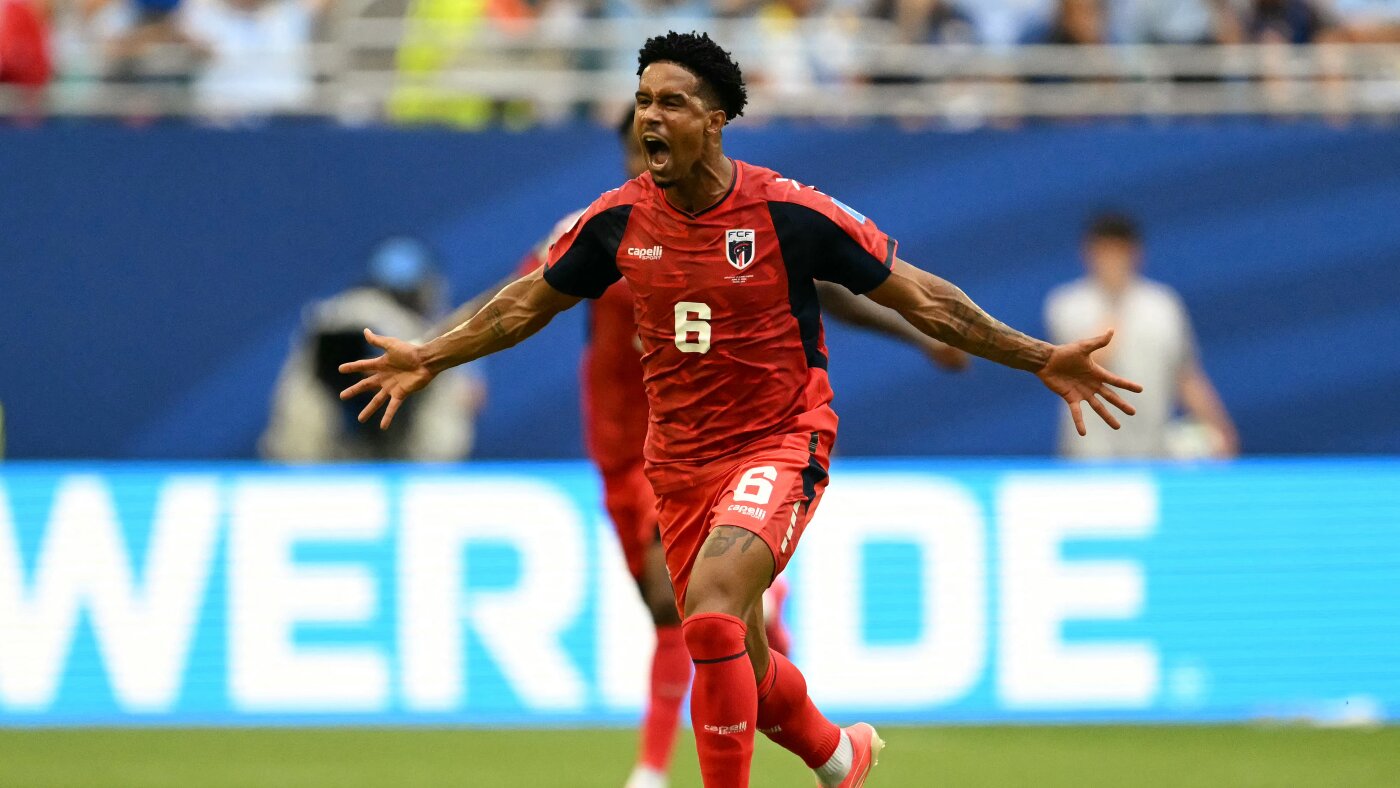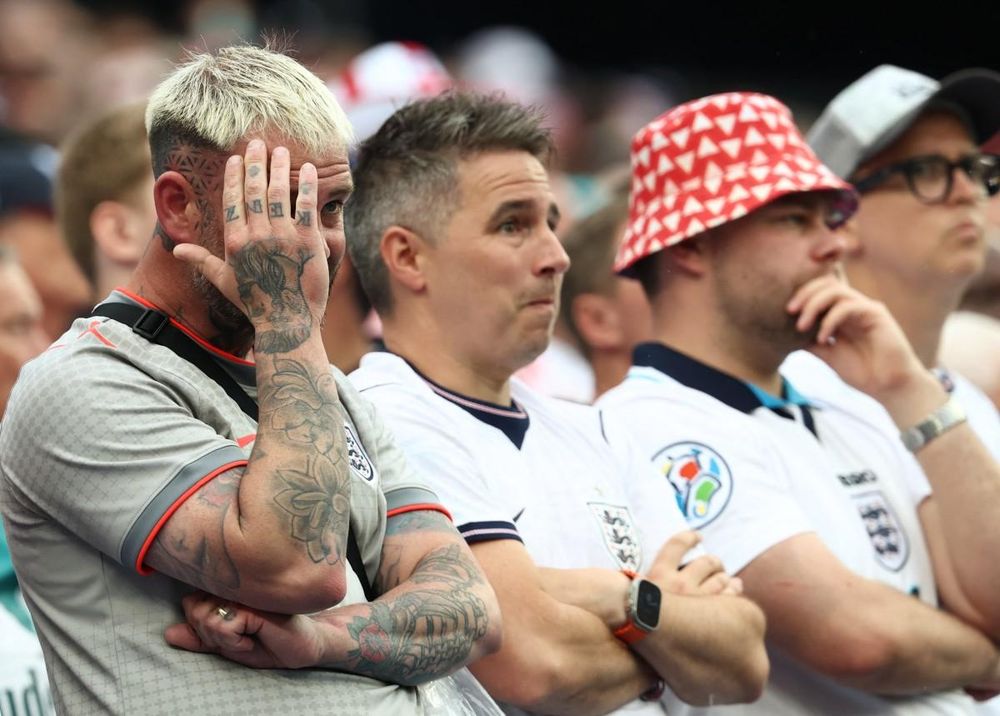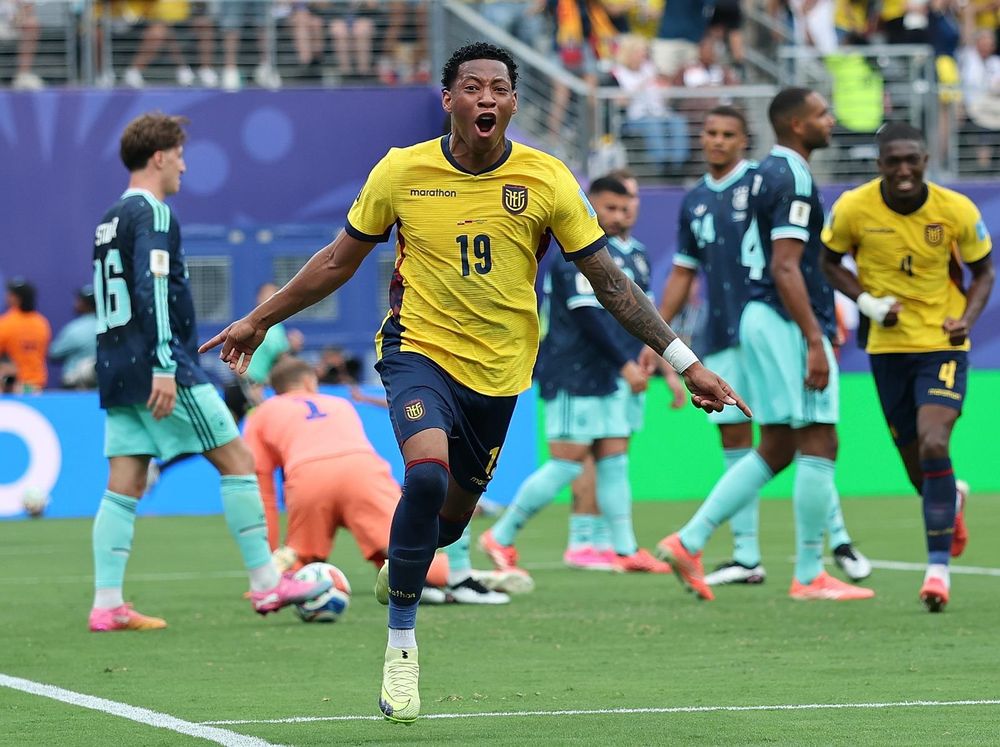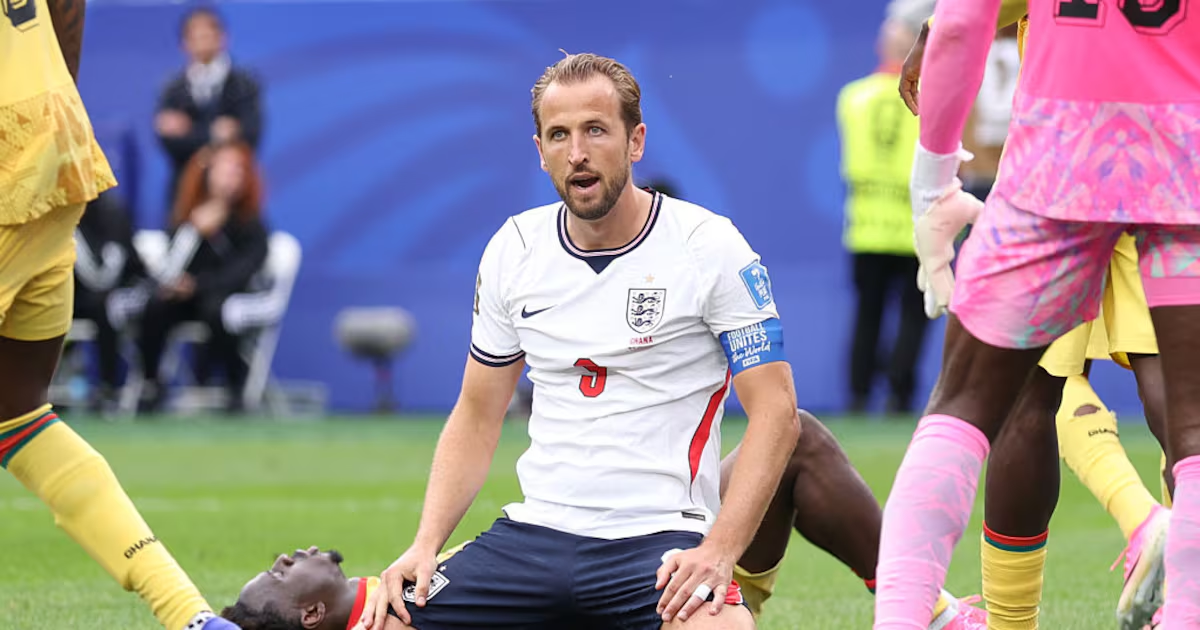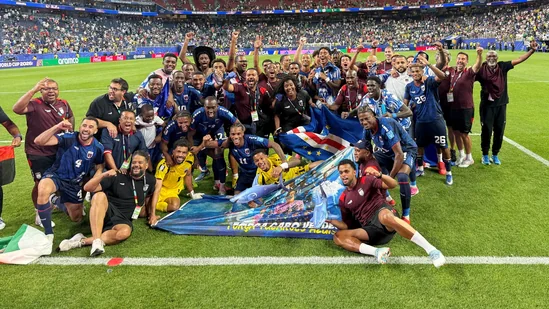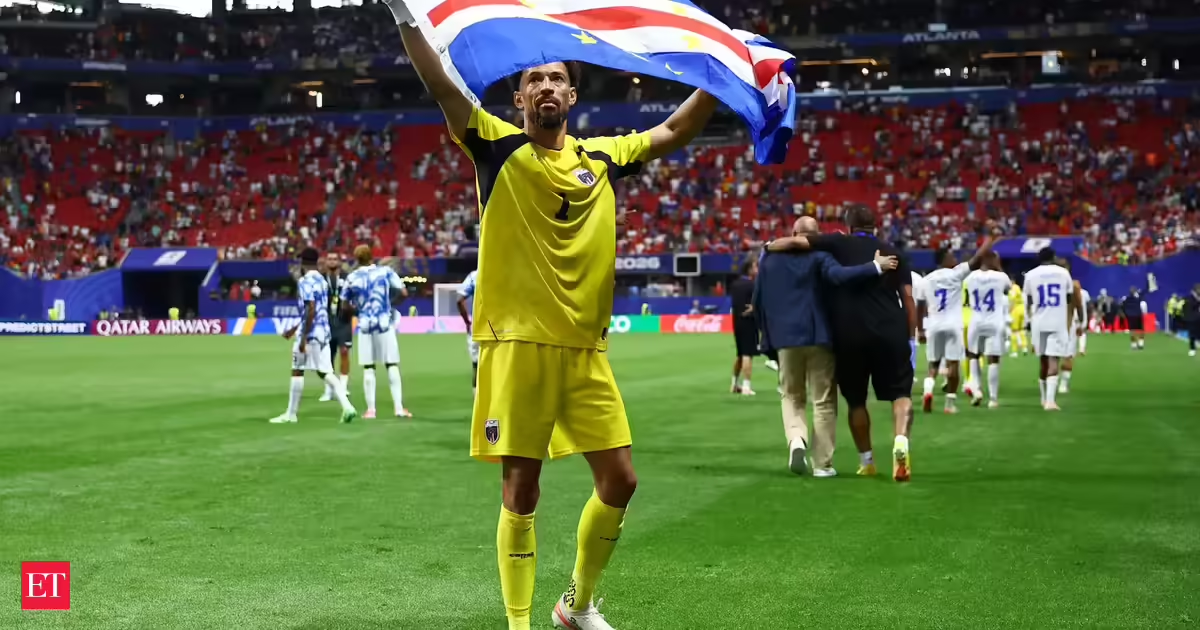
If this is a World Cup of goals — scored at a record rate and by record-setting players like Lionel Messi (overtook Miroslav Klose’s tally for the most World Cup goals by an individual) and Cristiano Ronaldo (only player to score in six editions) — it is also a World Cup of defensive masterclasses.Where Ghana’s phalanx wouldn’t admit England’s hyped attackers the pleasure of even a single breach. Where Cape Verde’s unyielding wall withstood a Spanish hurricane, and matched Uruguay in footballing nous. Where Congo held Portugal, Belgium was run aground by Iran, Curacao gave no joy to Ecuador, and there was nothing to choose between dark horses Japan and one of the tournament’s favourites, the Netherlands.This is the World Cup where debutants, minnows, and underdogs have shown that the gap between them and the traditional powerhouses is getting narrower.Each of the matches mentioned above offered defensive masterclasses — not just “parking the bus”, which suggests a mindless crowding in front of the goal, or goalkeeping heroics (though there has been plenty of that too).FIFA World Cup 2026: Colombia's Rodriguez creates 5 goal-scoring chances in DR Congo fixtureThese teams have a tactical mastery of what to do when they don’t have the ball, which is as important as knowing what to do with it. Against Ghana on Tuesday, England had 79% of the possession and completed 586 passes with an accuracy rate of 93%, yet they could not find a goal.Ghana played a “low-block”, the majority of their players squeezed into the middle of the park near their own box. This should’ve allowed England’s wingers space down the sidelines, but Ghana’s fullbacks had the pace and concentration to rapidly push out to neutralise the threat and quickly return to the middle.\This tactic demands great faith in your centrebacks and goalkeeper that, if a ball does get into the box, they can handle it. In fact, the low block needs players to be exceedingly well drilled, both mentally and physically, because defending in numbers inside the box creates a chaotic, high-stress environment, where success lies in how calm, disciplined, and switchedon the players are.Can they hold their defensive shape even as the ball is pinging around? Are their reflexes sharp enough that when the ball comes their way in that pinball anarchy, they can make the clearance? Ghana’s defence had all of that in spades — putting in 22 tackles with a nearly 80% success rate, 39 clearances, 6 shots blocked, and 8 interceptions. Goalkeeper Benjamin Asare made three excellent saves.FIFA World Cup 2026: Croatia coach Dalic left dissappointed despite 1-0 win over PanamaCape Verde used a similar, even more exemplary low-block strategy — their defending is so disciplined that they committed just one foul against Spain in their opening fixture despite making 18 tackles, 15 interceptions and 46 clearances.The way Cape Verde sets up their lowblock is interesting. They operate with a line of four defenders behind a line of four midfielders (who become two lines of defenders when under siege) with a floating player between the lines whose job is to plug any gaps as the four midfielders move in formation from one side to another to cover the opponent’s movements.Defending has undergone a tactical evolution, driven by visionary managers like Pep Guardiola and Jurgen Klopp, as well as smaller teams in the major leagues with big game energy, like Brighton, Girona, or Leipzig.These teams have realised that while they may not have the luxury of great players, the modern sports world allows them to access the same tactical knowledge, sports science data, training methodology, and nutrition knowhow as any major team in the world. This allows them access to the physical, mental, and skills training needed to improve aspects of the game that are more the realm of nurture than nature — like being compact in a block, coordinated in pressing, and focused and engaged without the ball.Centrebacks now routinely learn how to play with the ball, carry it forward, or make passes that go through the opposition’s lines. Midfielders are now comfortable slotting into a centreback or a fullback position when needed. All fullbacks are inverted now. Teams don’t just get stuck in one formation, or one or two styles of marking (man or zonal), but have the tactical flexibility to play hybrid formations, shapeshifting according to the progression of the play.Among the less powerful footballing nations, Japan have dazzled with their fluidity. They have been equally good in a low-block, a mid-block (which needs players to spread out a bit more and be more aggressive in interceptions) or a high press. With a foundation in a 5-4-1 formation, Japan play a geometric game where players form triangles and quadrangles around or with the ball, constantly overloading the area where the ball is, constantly shifting with it. They are capable of ultraquick transitions, scurrying around the field in perfect coordination, so that they can go from having 7 players defending in their own box to 7 players flooding the opponent’s third in the blink of an eye.Great attacking football deserves a defensive response that can match it — that’s exactly what’s going down at this World Cup.(Disclaimer: The opinions expressed in this column are that of the writer. The facts and opinions expressed here do not reflect the views of www.economictimes.com.)
FIFA World Cup 2026: From Ghana to Cape Verde, how minnows are frustrating football’s attacking powers
Where Ghanas phalanx wouldnt admit Englands hyped attackers the pleasure of even a single breach. Where Cape Verdes unyielding wall withstood a Spanish hurricane, and matched Uruguay in footballing nous. Where Congo held Portugal, Belgium was run aground by Iran, Curacao gave no joy to Ecuador, and there was nothing to choose between dark horses Japan and one of the tournaments favourites, the Netherlands.
884 words~4 min read