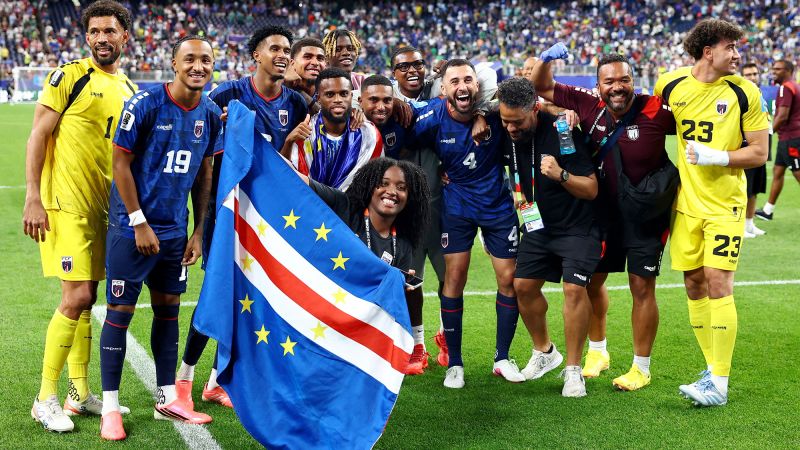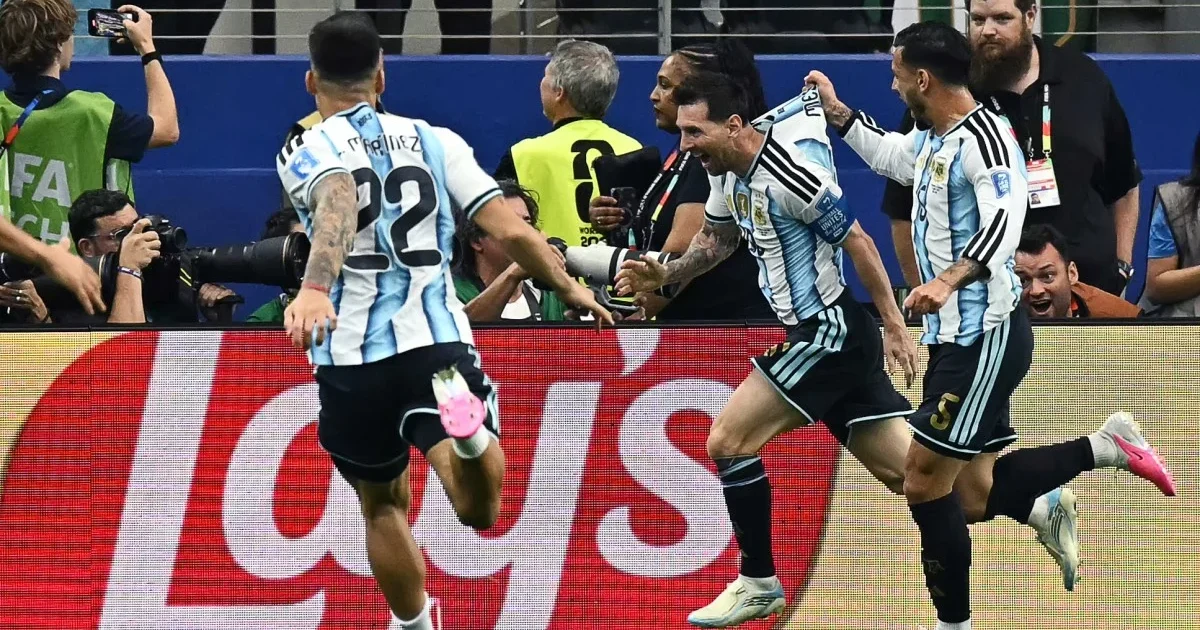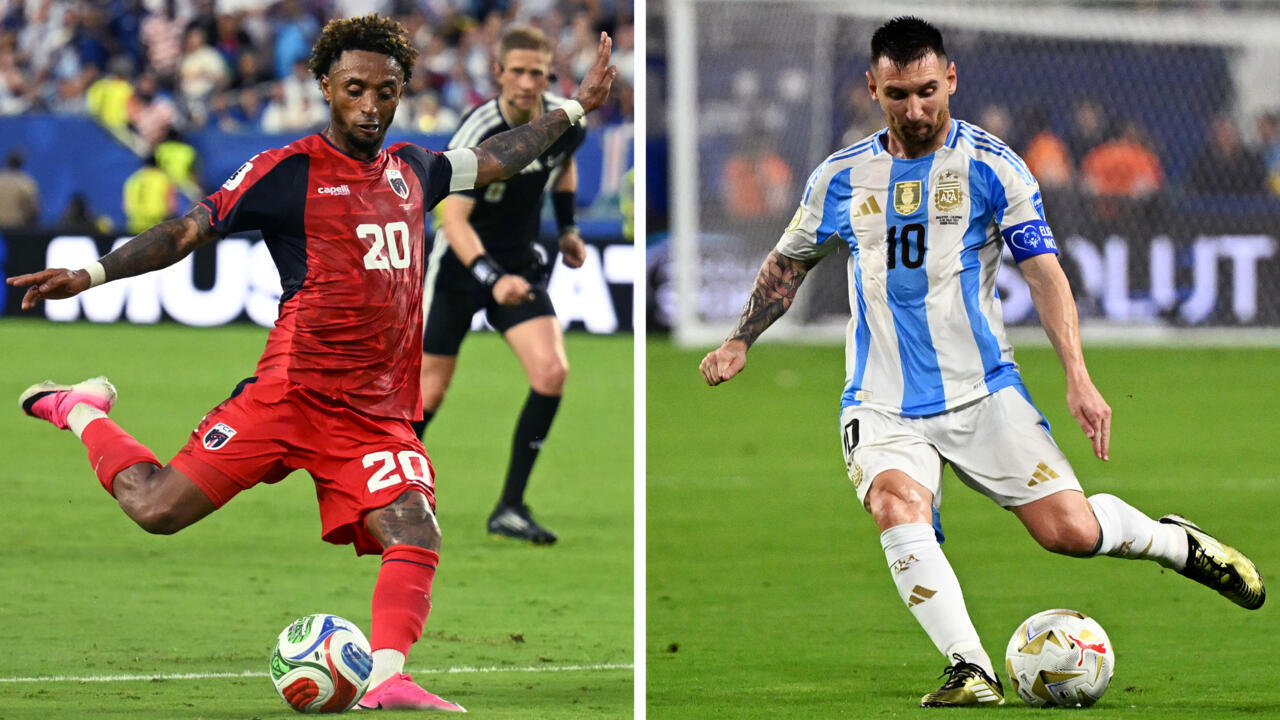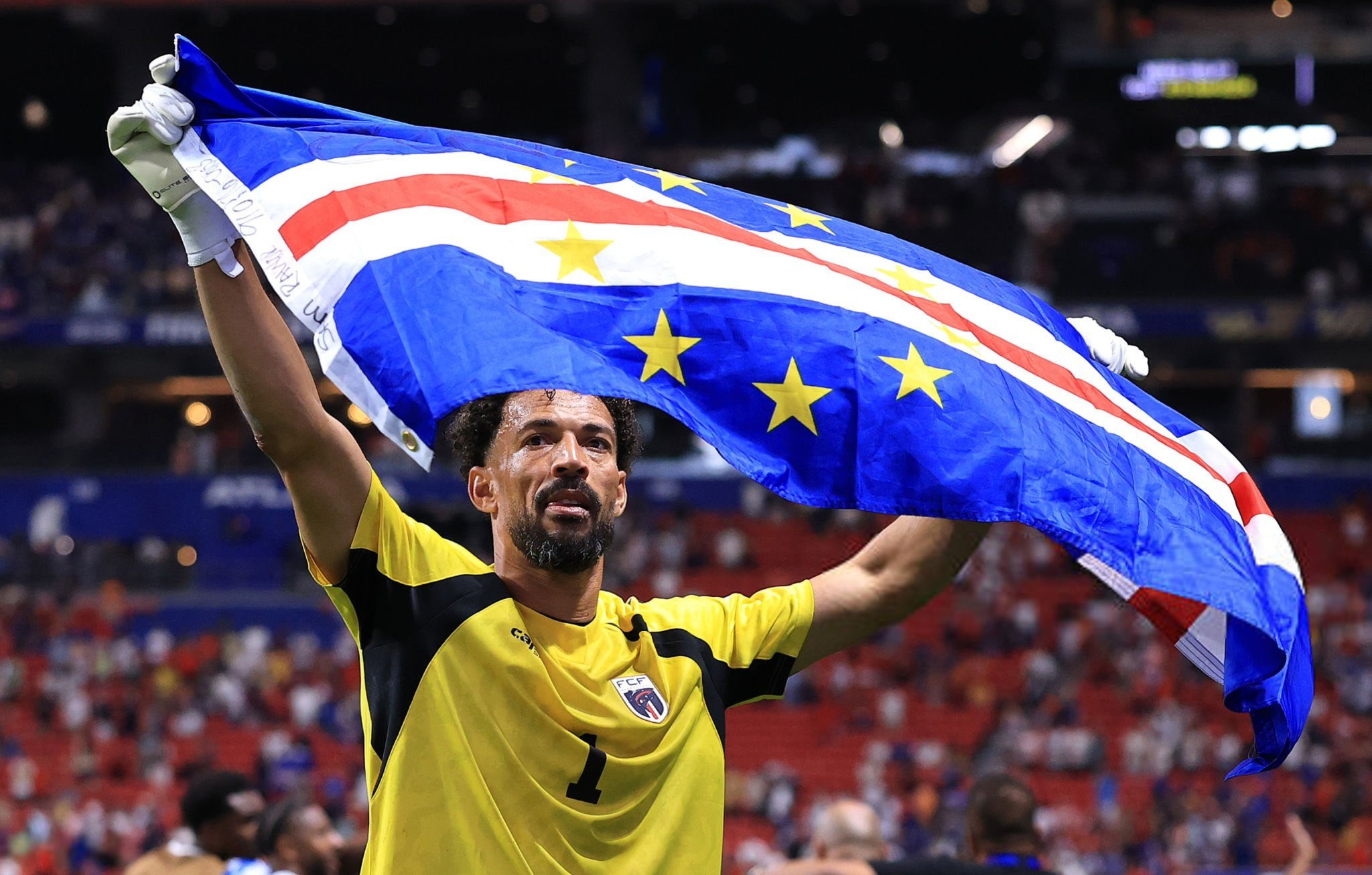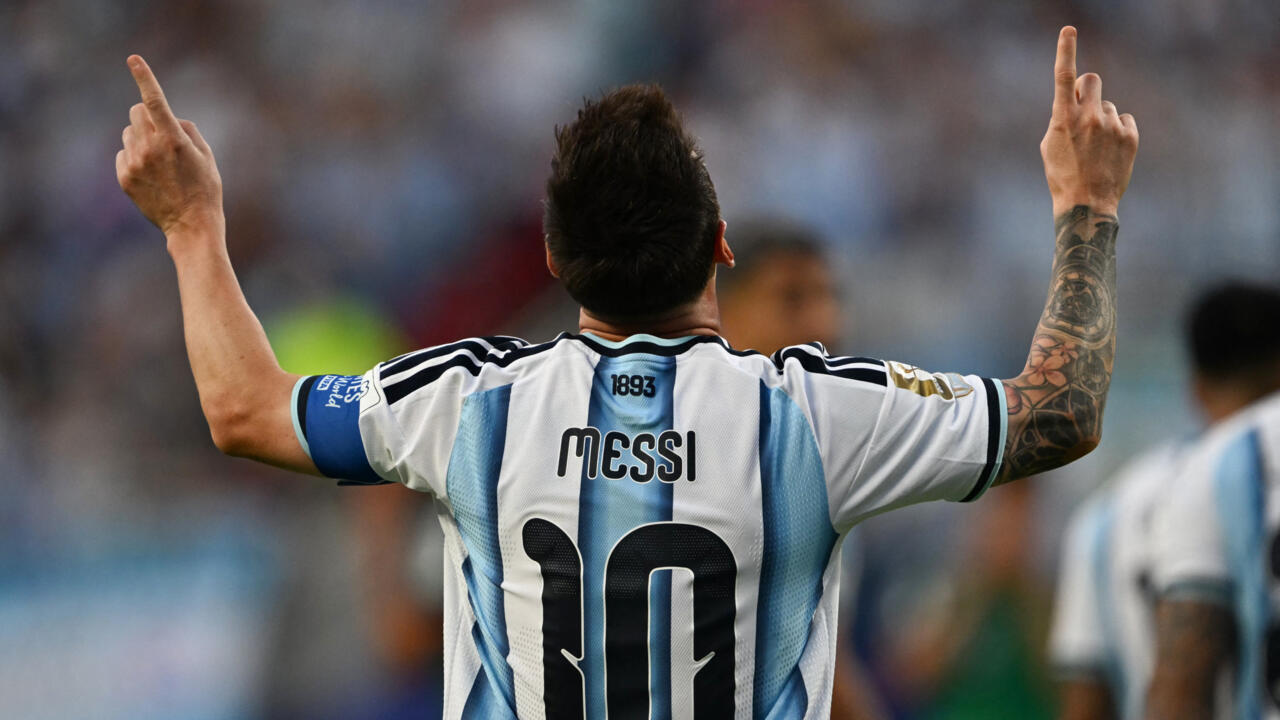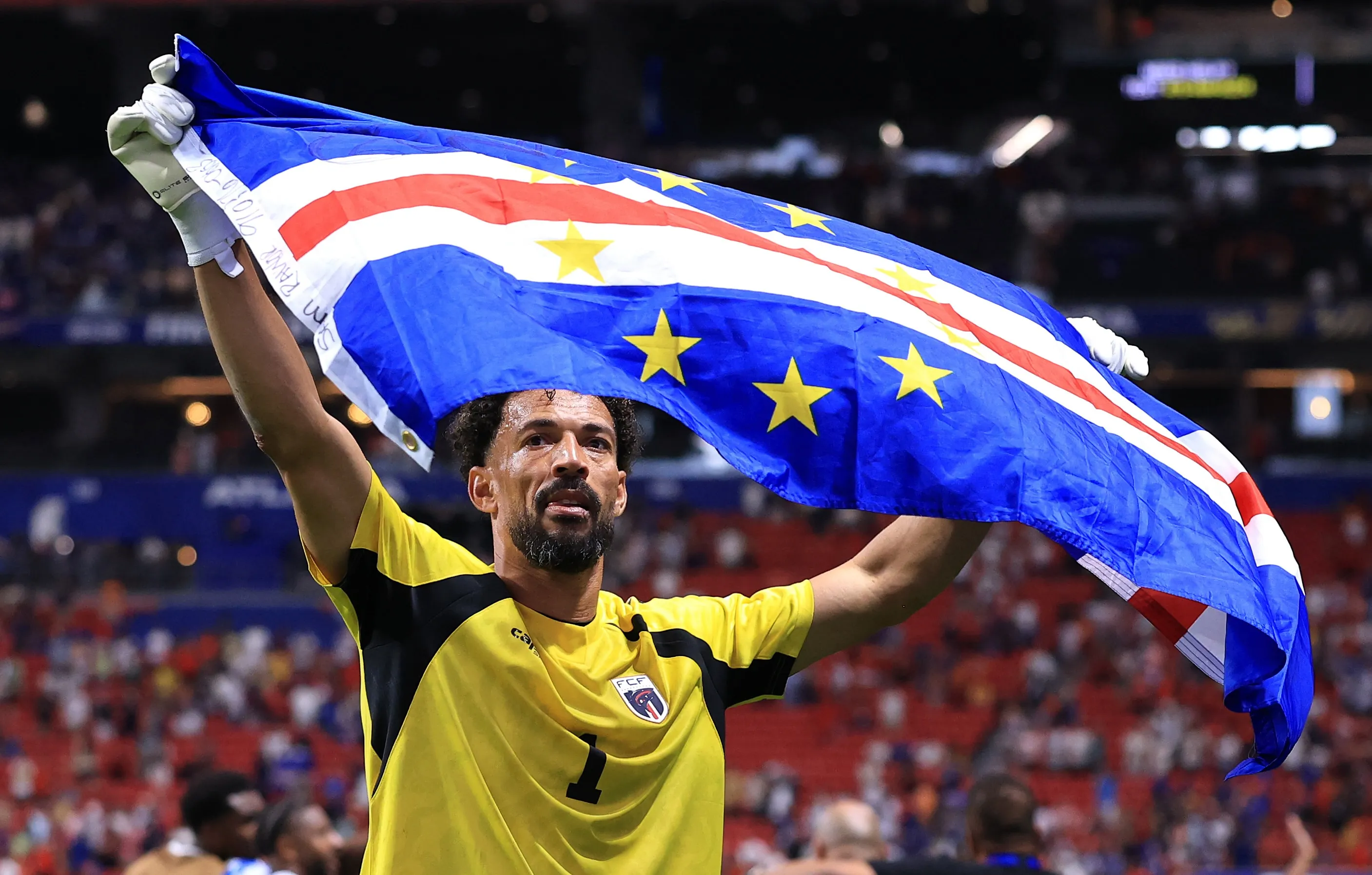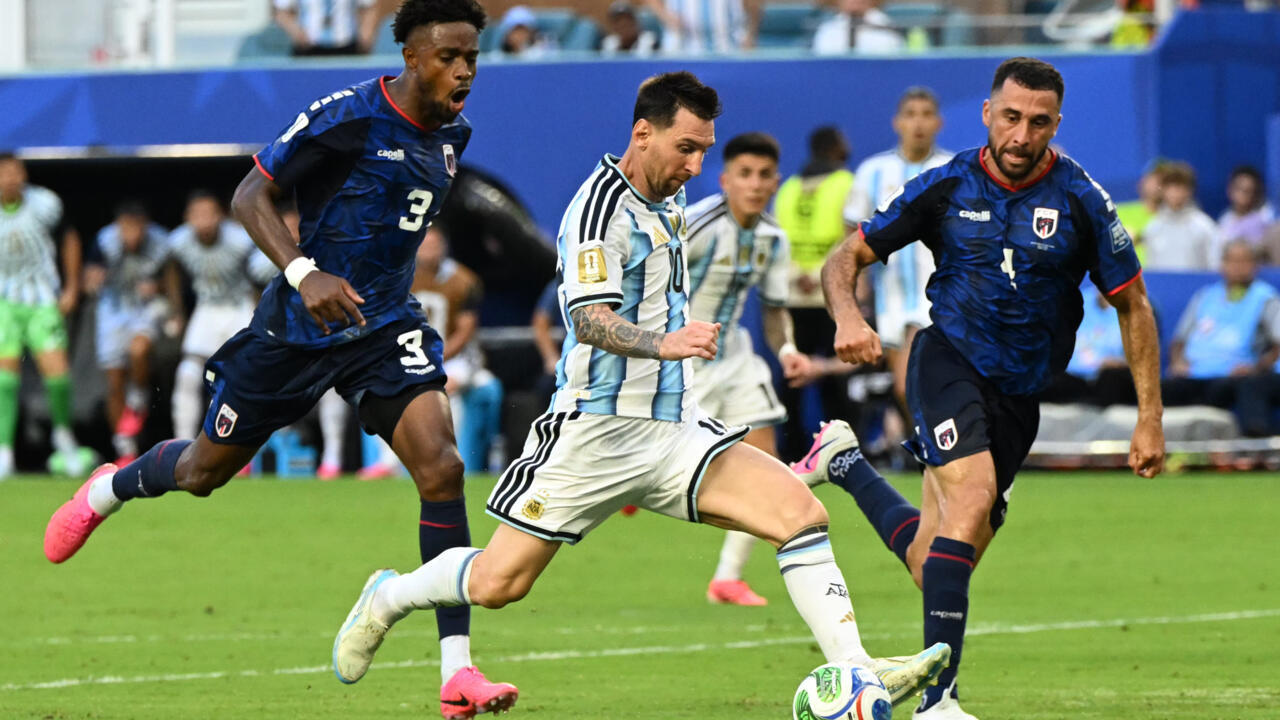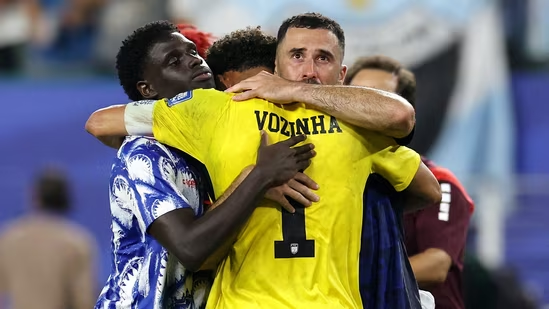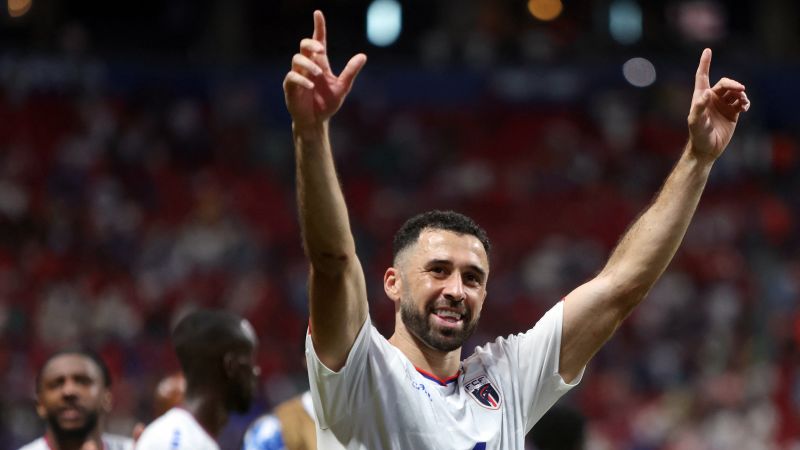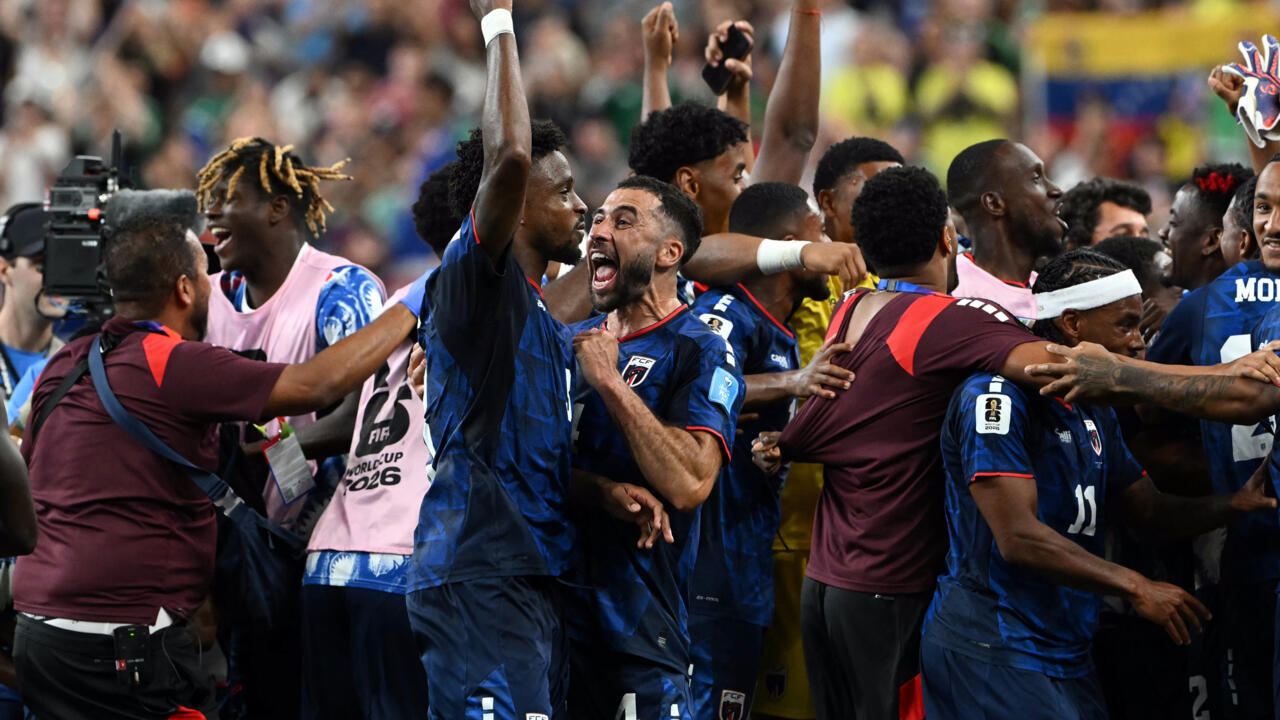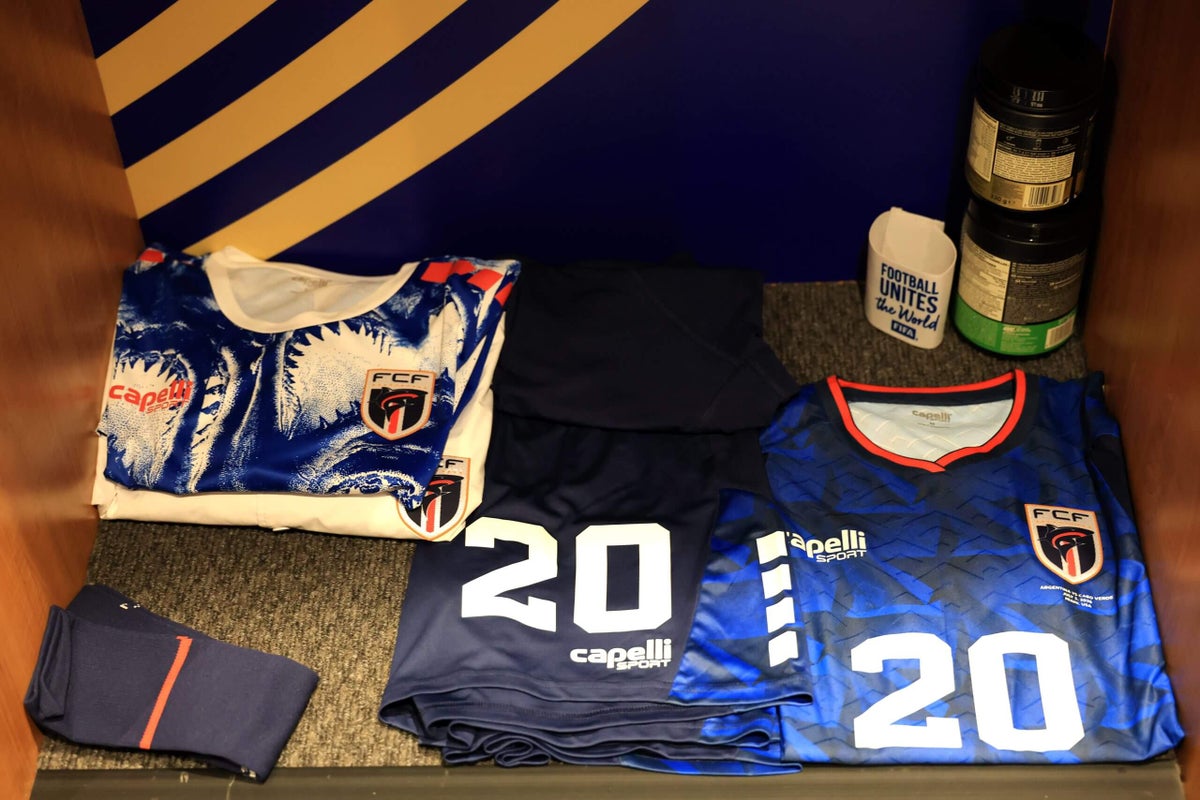
Sidny Lopes Cabral is climbing, swallowed up by the terraces. Officials be damned. Let them tap their watches. This is dream state. Cape Verde are level, again, against the reigning world champions, Argentina. This tiny island nation of half a million, of defiance and valour and Vozinha, the smallest country to play in a World Cup knockout game, is gripping Lionel Messi in a vice. It is sensational, football at its most enchanting.“The story of the tournament,” coos former Scotland striker Ally McCoist on ITV’s coverage. His colleague, commentator Jon Champion, references the inevitable movie deal for this Cinderella team, who did not lose a single World Cup match in 90 minutes despite facing the world and European champions.And of course no one wants to argue. No one wants to be that person, succumbing to the pestering voice in the distance, regretfully pointing out that Cape Verde captain Ryan Mendes, the country’s all-time top scorer, is under investigation by police in New Zealand over allegations that in March he raped a Brazilian woman.Because to address this would be to remove yourself from the delirium, from Cabral’s goal, Vozinha’s mom, of the sublime vacuum within which sport allows us to exist. And why subject yourself to that? For just one story. One allegation.Only, it’s not just one. Nor is it two. In fact, three players at this tournament have faced active investigations or been charged with rape. According to multiple international reports, including by the New Zealand Herald, Mendes has been accused of raping a Brazilian woman who had been hired to work with the team during a FIFA Series event this year. The 36-year-old remains under investigation and has not been charged. He did not reply to a request for comment by The Athletic. Sidny Lopes Cabral and Cape Verde nearly pulled off the impossible against Argentina (Europa Press Sports/Europa Press via Getty Images) Morocco captain Achraf Hakimi is set to stand trial in France after being charged in March 2023 with the alleged rape of a woman. Ghana midfielder Thomas Partey has been charged with seven counts of rape and is due to be tried in London next year. Both strenuously deny any wrongdoing.There is more, too. In 2023, Japan winger Junya Ito was investigated by police regarding allegations that he sexually assaulted two women in June 2023. In July 2024, his international team-mate Kaishu Sano was arrested, along with two other men, for the alleged gang rape of a woman in a Tokyo hotel. Both players, who represented Japan at this World Cup, denied the allegations and have since seen the cases against them dropped.Cristiano Ronaldo did not play in the United States for more than a decade after allegations of sexual assault filed in 2009, which were always vehemently denied by the Portugal forward. A civil case filed against the five-time Ballon d’Or winner was thrown out by a U.S. judge in 2022.Perhaps this is the unsettling, unintentional other story of the biggest soccer tournament in history and its expansion: serious allegations of sexual assault around the globe — and football’s aversion to saying anything about it. When Ghana head coach Carlos Queiroz criticised FIFA’s expansion of the World Cup to 48 teams as “ordinary” and “vulgar”, the 73-year-old Portuguese coach probably didn’t realise how ironically and depressingly apt his choice of words was. More players inevitably, and depressingly, means more allegations of this nature.That three of the 1,248 available players were facing such allegations can seem small, a technical minority of just 0.24 percent. Yet it’s not far off the percentage of those incarcerated (0.6 per cent) in the United States after accusations of sexual assault, according to American nonprofit advocacy group RAINN (the Rape, Abuse and Incest National Network). Sexual violence against women remains “one of the world’s most persistent and under-addressed human rights crises”, with an estimated 840 million women and girls having experienced it in their lifetime, according to the World Health Organisation. This World Cup has presented an opportunity for football to look at sexual violence against women square in the eye but it does not do so easily. Dredging up any of this instead inspires anger and abuse, vitriolic defences of the accused. None have been found guilty. All deny the allegations. All this does is ruin their lives. Privacy and compassion are tantamount in these moments for all concerned, including the accused, who are rightly afforded the presumption of innocence. But there’s something disconcerting about the lack of distinction between a player being presumed innocent and a player resuming their everyday life as if that presumption wasn’t required at all.Premier League club Arsenal continued to not only employ Partey but play the Ghana midfielder regularly throughout the investigation. He was not named by police until he was charged last July, the same month his contract with Arsenal expired.Since being indicted for alleged rape in March 2023, Hakimi has won Ligue 1 three times, the Coupe de France twice and the Champions League twice. In 2025, he was named the African Footballer of the Year and included in FIFA’s World XI.Achraf Hakimi won the Champions League with Paris Saint-Germain for the second time in May (David Ramos/Getty Images)Mendes was called into Cape Verde’s World Cup squad, despite New Zealand authorities opening an investigation in April, and after being named, played in his side’s round-of-32 match against Argentina, his 101st appearance for his country.In other words, none of the above faced official suspensions or sanctions domestically or internationally.The problem is there is no correct protocol to follow. FIFA doesn’t have a blanket conduct policy for its participating federations when players are accused of sexual violence. Neither do many of the domestic leagues, including the Premier League, meaning clubs and federations often elect to pursue the option most palatable to themselves, not what is best for the accused or the victim. And while other leagues such as the NFL and NBA claim to have clear codes of conduct when it comes to sexual offences, starting with a baseline suspension amid an ongoing investigation, it would be naive to suggest that sporting or societal entities implement their codes indiscriminately, without any consideration of the sporting impact.How exactly football should address these issues remains the question. The protracted nature of these cases means players could be under investigation for months or even years, as is the case with Hakimi. The court of public opinion, too, is an unforgiving, unforgetting place, operating outside the bounds of legal processes meant to protect the accused as much as the alleged victims. How fair is it to force a life to halt entirely and potentially irreparably?After Cape Verde’s defeat against Argentina, the team’s press officer beseeched journalists before head coach Bubista’s post-match press conference to “only ask questions about the match and please respect that limit”.And it is respect, really, at the heart of this conversation — both for the accused and the alleged victims. But whether enough respect is paid to those who report such allegations remains doubtful.It’s hard not to feel a bit bitter, as we contort ourselves into moral VARs, placing asterisks by triumphs, bleakly attempting to disassociate the moments of sporting brilliance from the allegations, until we’re forced to accept the impossibility of doing so without disassociating ourselves.But it’s not fans’ responsibility to choose between their moral fibre and the sport they love.Fans do not select the team.They do not make the rules.Most vitally, they did not allegedly break them.
The story of the biggest World Cup in history that nobody wants to talk about
More teams appears to mean more serious allegations of sexual assault — and football's aversion to saying anything about it is all too clear
1,245 words~6 min read