Explore the resurgence of currency wars in 2026, where major economies are quietly manipulating exchange rates, impacting global markets and economies. Discover how these strategies affect countries like South Africa and the broader implications for international trade.
The term "currency war" was last in wide circulation around 2010, when Brazil's then-Finance Minister, Guido Mantega, used it to describe what major economies were doing to their exchange rates through quantitative easing and competitive devaluation.
The label faded but deployment of these practices did not.
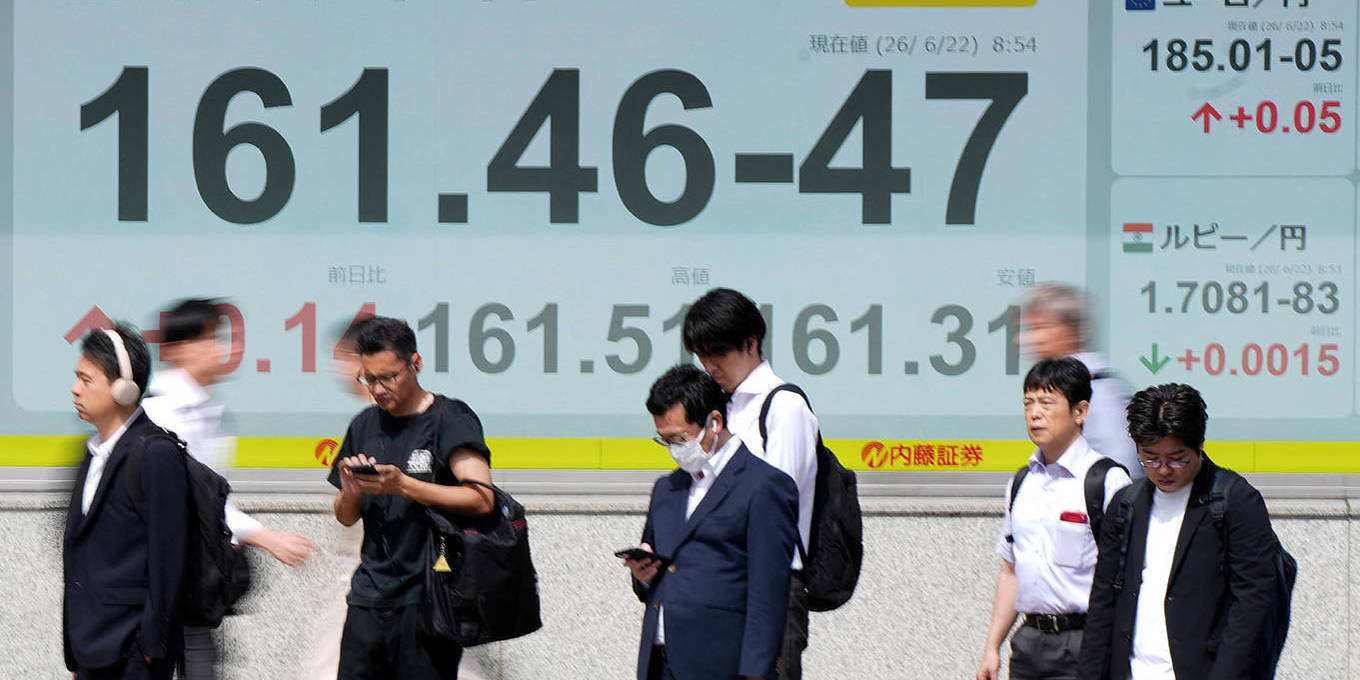
What is happening in currency markets in 2026 is not broadly coordinated, declared, or acknowledged by any of the parties involved, it is, however, systematic.
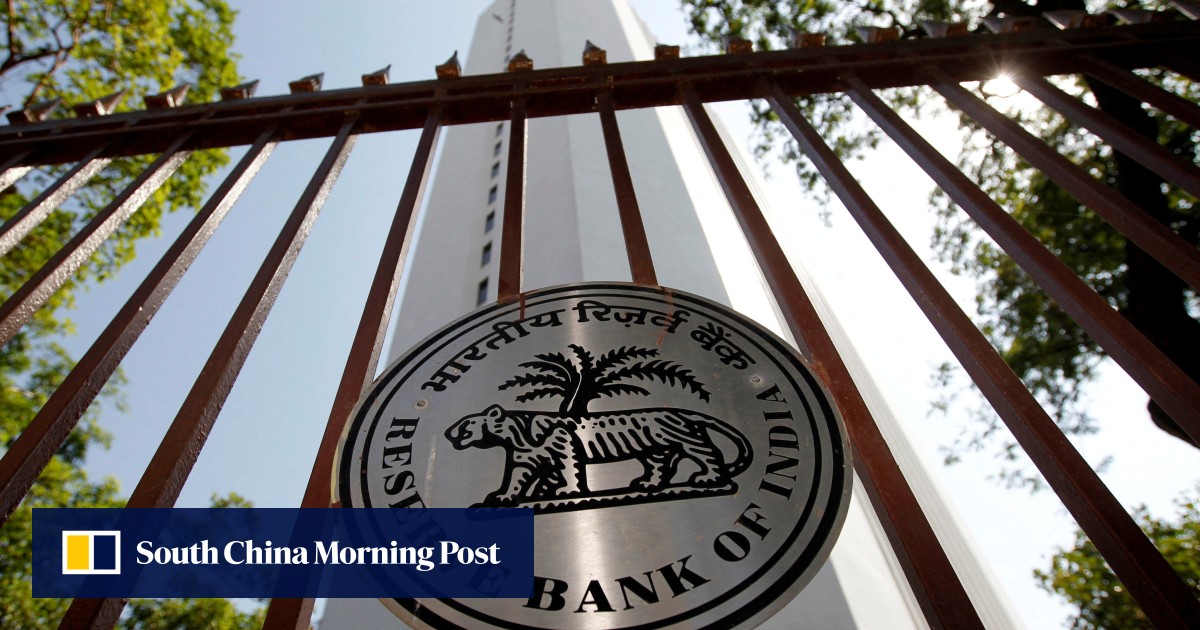
Japan, China, India and several smaller emerging market economies are all managing their exchange rates more actively than their public communications suggest, through a combination of direct intervention, capital flow restrictions and monetary policy, calibrated as much for exchange rate stability as for domestic inflation targets.