Story audio is generated using AI
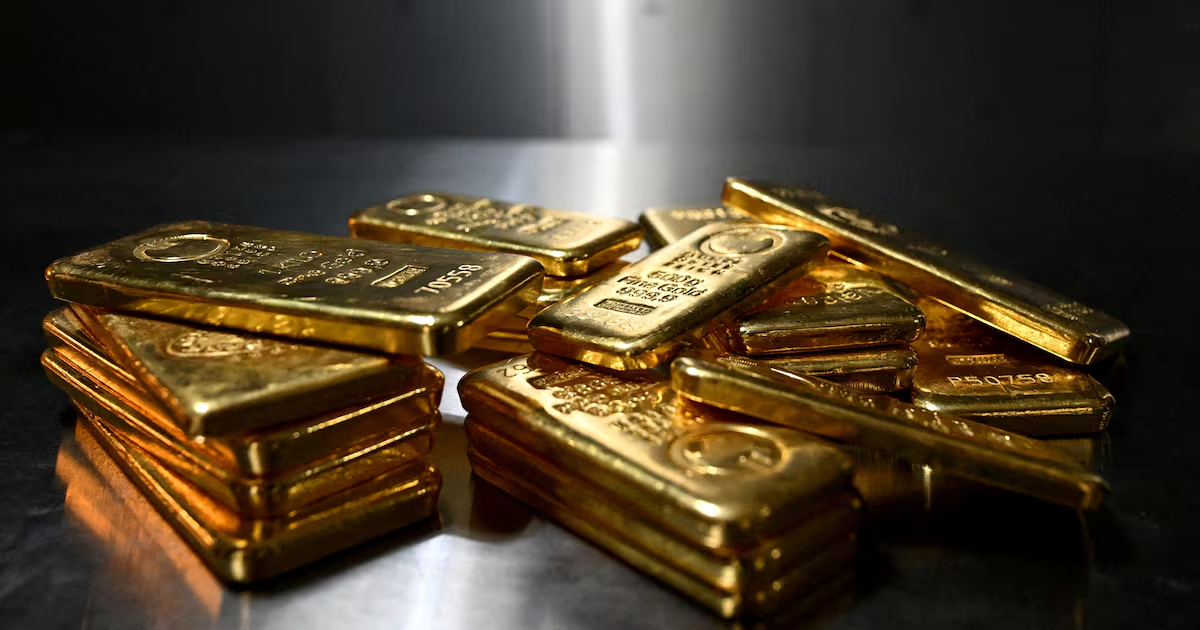
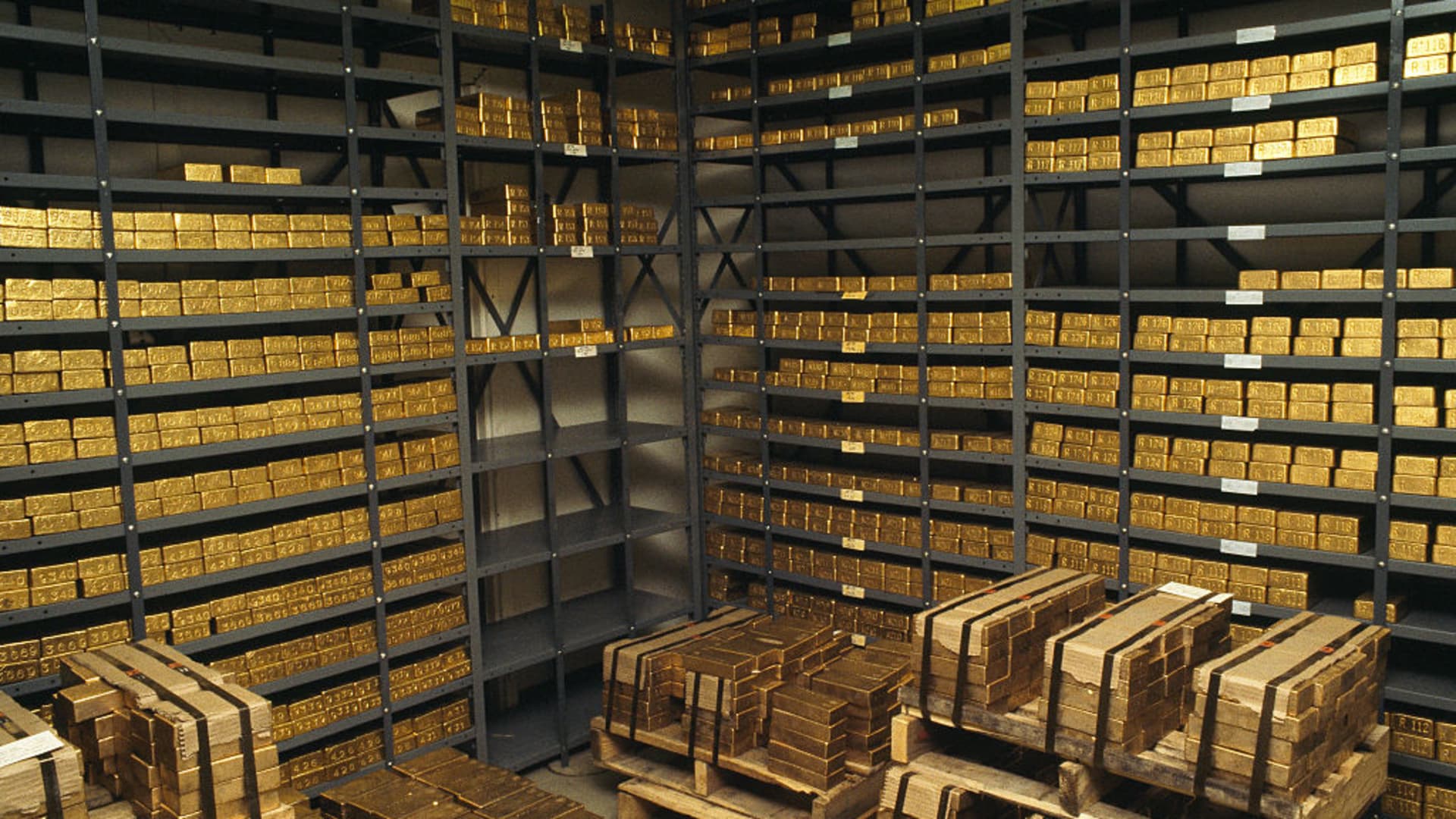
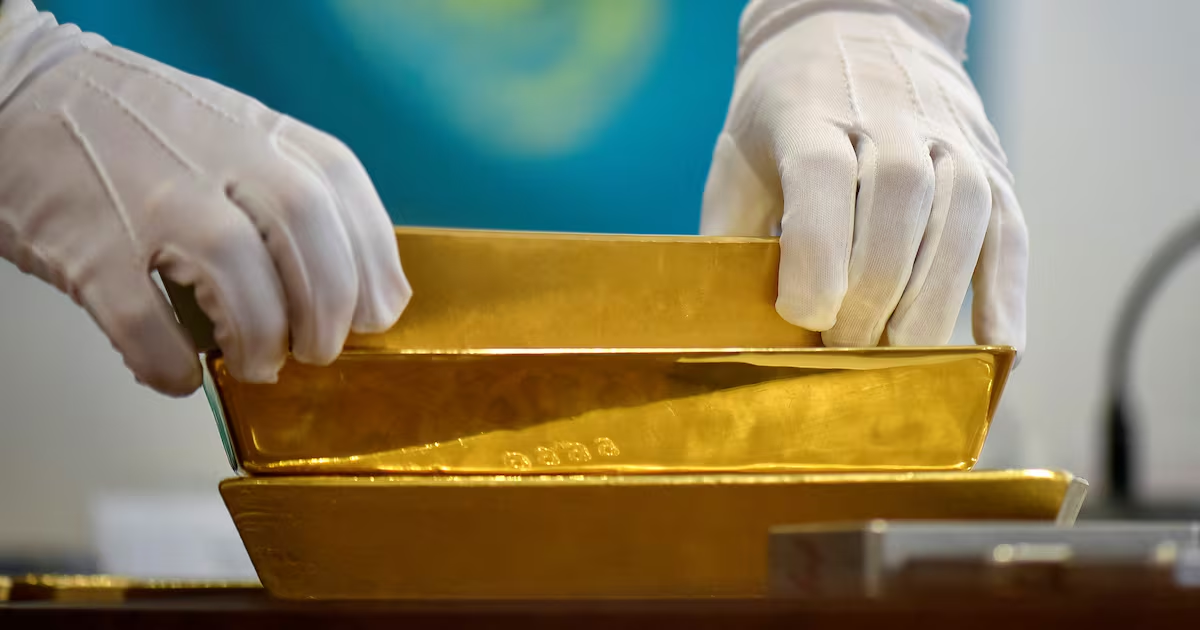
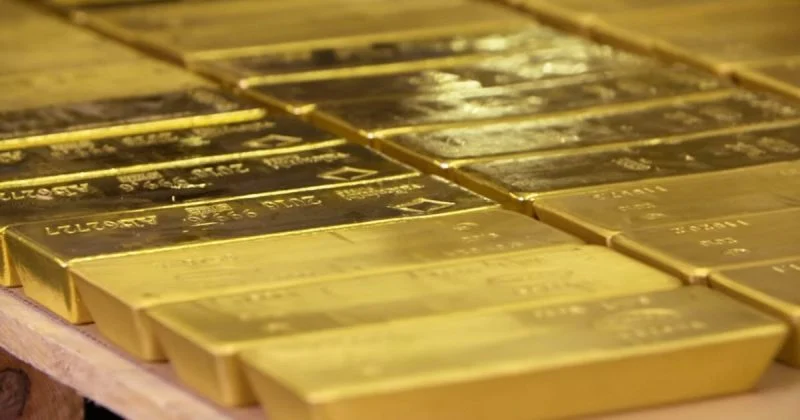
Nearly all of the 76 reserve managers who participated in the World Gold Council’s latest central bank survey expect central bankers to buy more gold over the coming year as the war in Iran keeps markets on edge.The survey’s consensus, that gold remains attractive as a safe-haven asset, underscores the continued uncertainty among central bankers, whose hunger for the metal has driven prices to record highs.Without central banks, the current gold rally would have been far more measured. Previous reports by the council show that a sharp uptick in buying in 2022 and 2023, a response to the fallout of Russia’s invasion of Ukraine and the escalating Middle East conflict, was the primary driver of gold demand in these years.In the past two years, rising gold prices have attracted the attention of a broader set of investors, making ETF (exchange-traded fund) buying a more significant demand driver in 2025. But the council’s latest survey points to a return to the policy-driven environment of 2022-23.(Dorothy Kgosi) As the fragile truce between the US and Iran and the closure of the Strait of Hormuz threaten to spur inflation, potentially eroding the value of bonds, more banks are swapping dollars for bullion.Nearly half (45%) of the council’s respondents said they planned to increase their own gold reserves over the coming year, while only 1% expected to reduce their gold reserves.Additionally, around three quarters of respondents expected to see a moderate or significant drop in US dollar holdings in the reserves of the world’s central banks. Their exposure to other currencies was expected to remain unchanged.‘Interest rates, geopolitical instability’“Respondents were asked which topics were relevant to their reserve management decisions; 92% indicated ‘interest rate levels’,” reads the council’s report.“Other factors that respondents considered relevant include ‘geopolitical instability’ and ‘inflation concerns’. ‘Geopolitical instability’ has also moved ahead of ‘inflation concerns’ in this year’s survey, likely on the back of the war in Iran.”The findings offer encouragement to gold mining companies, who have faced sharp price declines in the wake of the Middle East war.While gold typically enjoys a flurry of buying from spooked investors when major conflicts break out, the immediate impact of oil supply disruptions on energy markets meant that investors flocked to US bonds in recent months in anticipation of rate hikes, which would make bonds more attractive.Gold has fallen every month since the start of the Iran war, closing this past week at more than a fifth below its pre-war levels, with truce talks unable to convince investors that the impact on global oil prices will be short-lived.Even the places where central banks store their gold reflect growing protectionism and uncertainty. According to the council’s survey, around a tenth of central banks had increased their domestic storage or diversified their overseas storage locations in the past year, more than double the number in last year’s survey.Gold reached a high in January, when it touched an intraday peak of $5,592.85/oz. It is currently trading at $4,157.81/oz.