Story audio is generated using AI
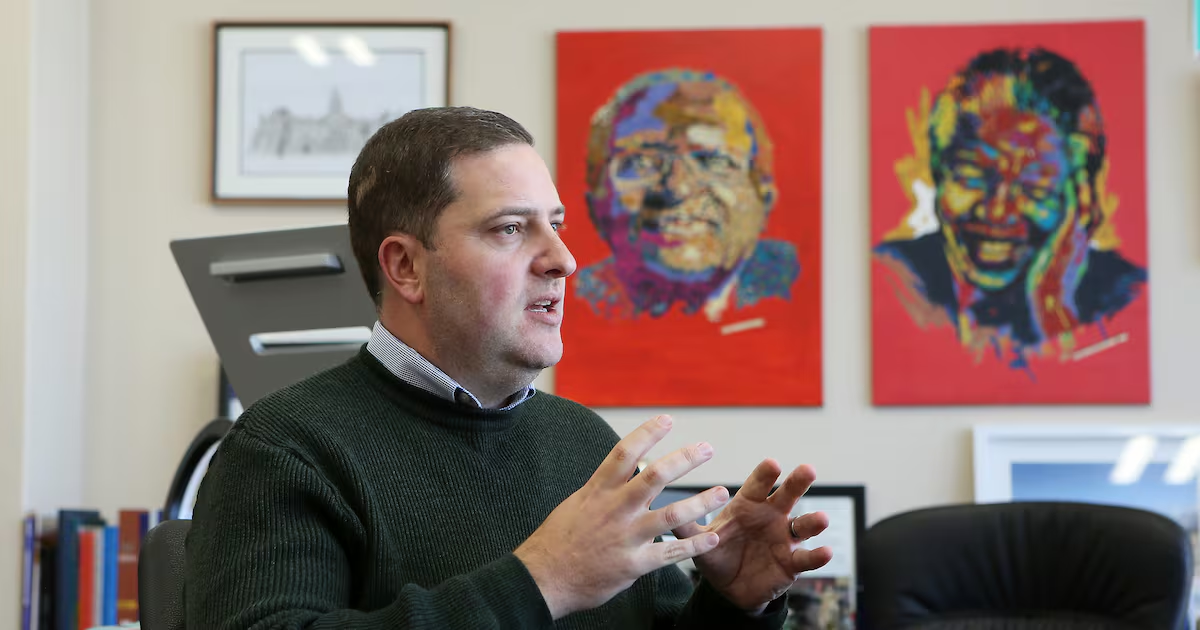
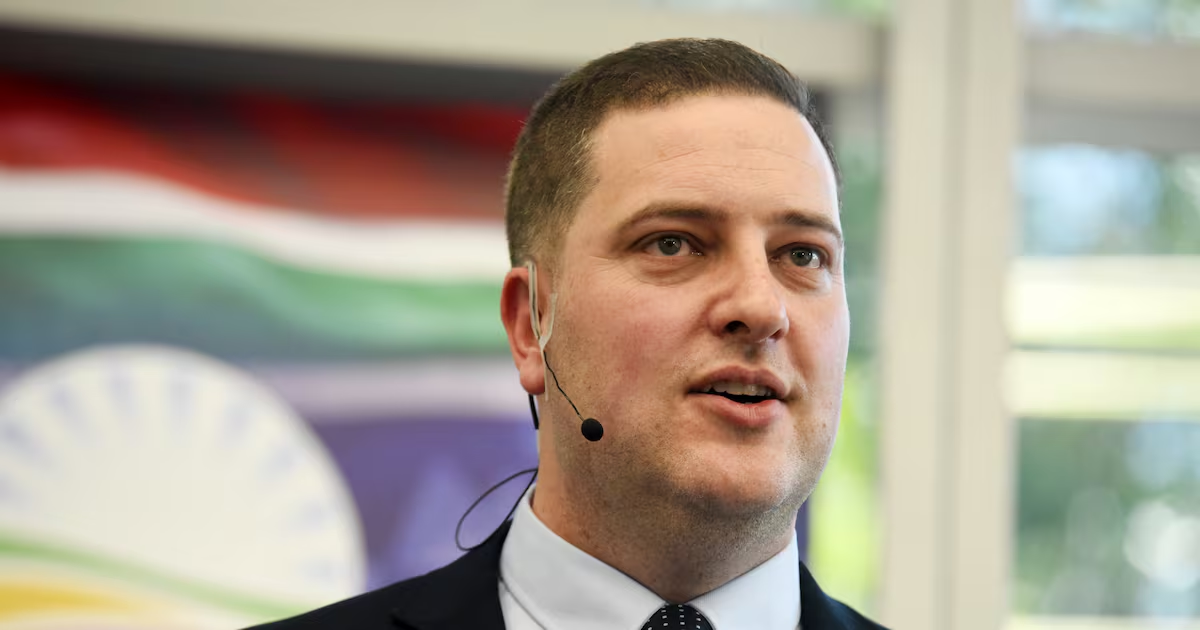
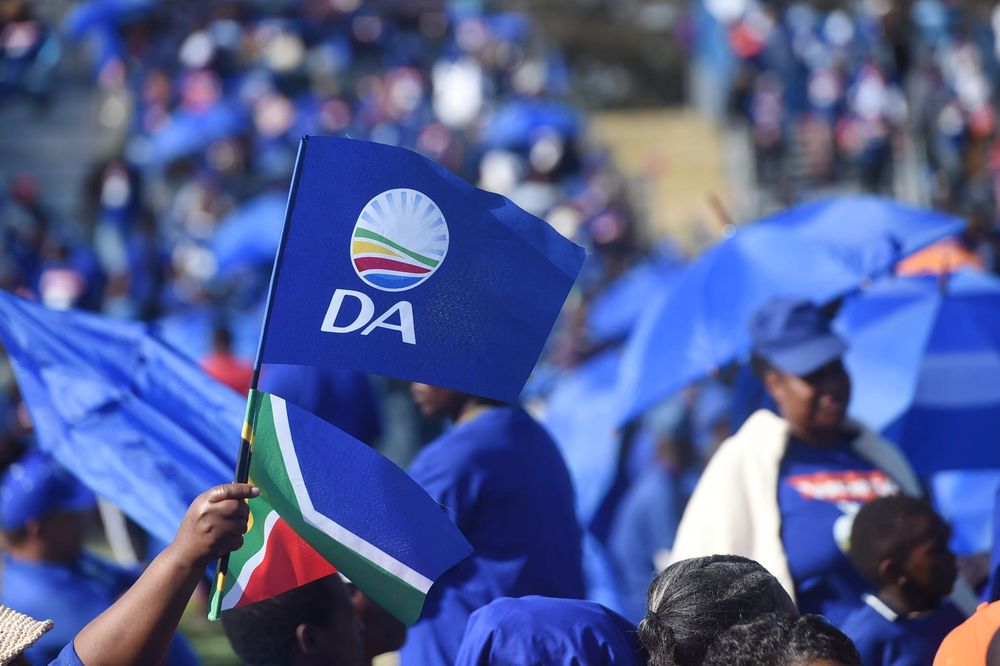
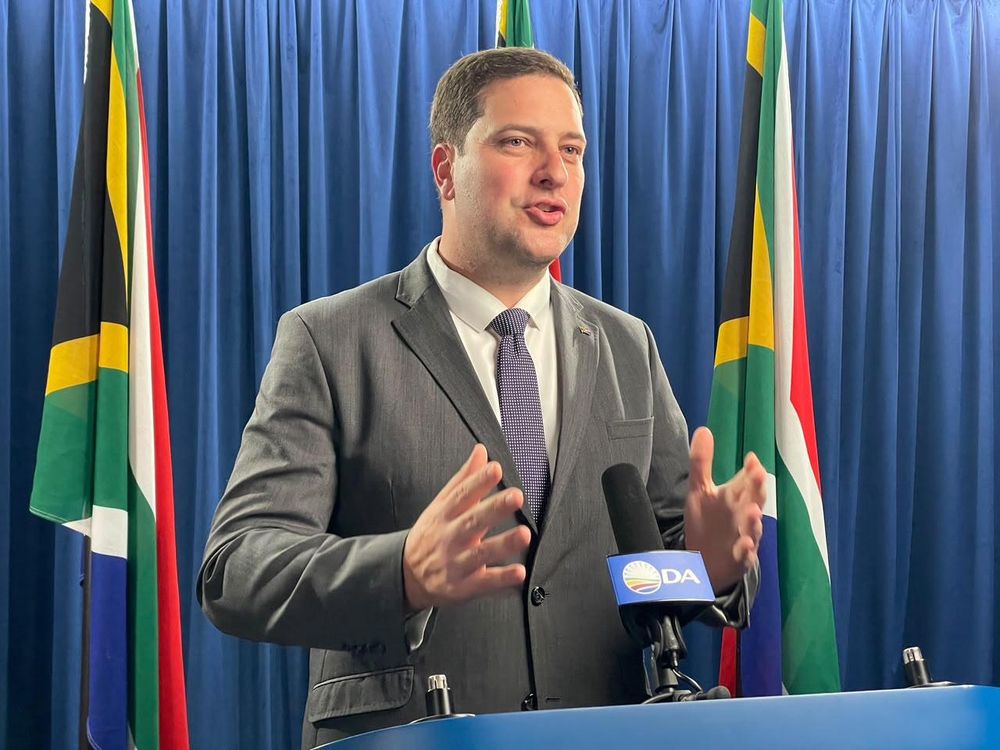
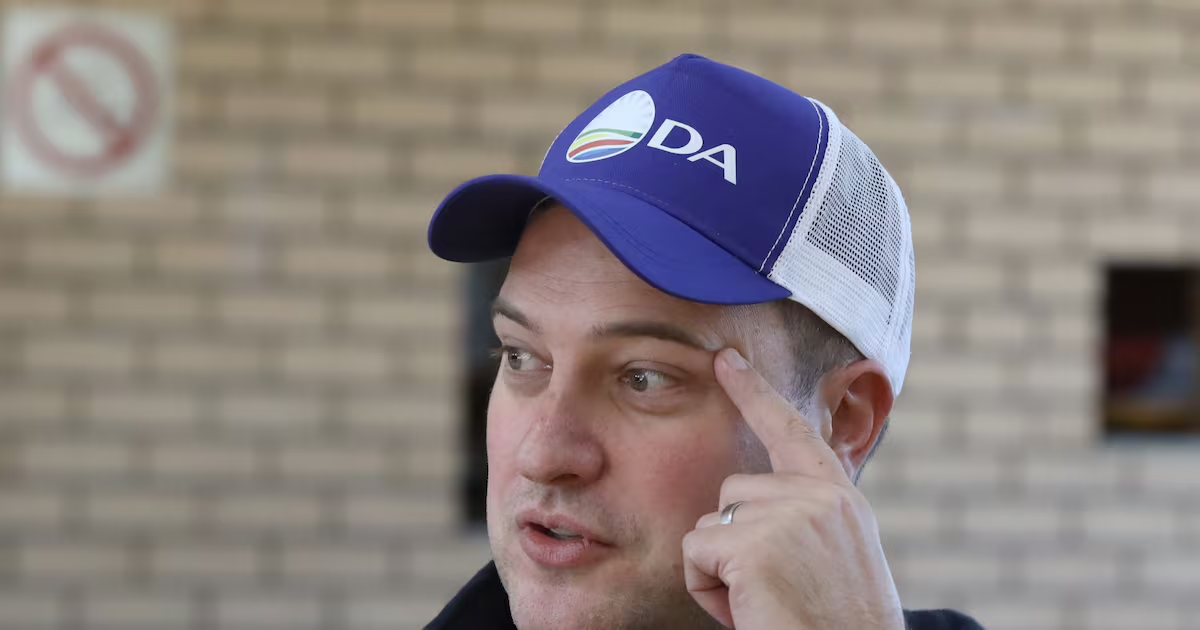
The proposed changes to the list of DA deployees to cabinet were always going to generate an awkward moment inside and outside the party.Last week, Geordin Hill-Lewis, the DA leader and mayor of Cape Town, wrote to President Cyril Ramaphosa asking him to consider changes to the DA members of the government of national unity (GNU).Among the changes he proposed was the demotion of agriculture minister John Steenhuisen, who is now set to become deputy minister to Parks Tau, the trade, industry & competition minister. Steenhuisen will be replaced by Willie Aucamp, a farmer and close ally of Hill-Lewis.Jack Bloom, a respected Gauteng activist on health matters, will move to the GNU as deputy water & sanitation minister.The ANC, the leading party in the GNU, has been rattled by Hill-Lewis’ move. Luthuli House believes the DA leader is undermining Ramaphosa’s authority. In theory, at least, this is true. Ramaphosa retains the prerogative of composing the cabinet. However, after losing its dominance of the political scene in South Africa during the 2024 general elections, this power is no longer absolute. The ANC now has to rule in a consensual fashion with the GNU partners. There is nothing wrong that Hill-Lewis has done. He is stamping his authority. Ramaphosa did the same after ousting Jacob Zuma in 2018. He sidelined most of Zuma’s allies, and in 2019 he swept them out of the cabinet. That is politics. Hill-Lewis has every right to fail with his own athletes.Also, as is his right, Hill-Lewis’ leadership style is different from Steenhuisen’s. The latter was diffident. Hill-Lewis, on the other hand, is polite but combative.On April 30, as Ramaphosa was still considering what to do with Sisisi Tolashe, the disgraced social development minister, Hill-Lewis asked him to fire her. When Ramaphosa took his time, the DA leader forced his hand by releasing the correspondence. Within hours, Tolashe was gone.Making public his proposals to Ramaphosa is part of the Hill-Lewis brand of leadership.Hill-Lewis has the latitude that Steenhuisen never fully enjoyed as part of the national cabinet. Still, this latitude is not without limits.It remains unclear what performance measures he used in making the changes. From what we know, Ramaphosa recently conducted a performance review of his cabinet, including the DA deployees. Because these assessments are never shared publicly, we will never know if they mirror those of Hill-Lewis.Unsurprisingly, not everyone is happy with the proposed changes inside the DA. Steenhuisen’s demotion has been particularly hard to swallow. As the immediate past leader of the DA, Steenhuisen still commanded respect from the senior leaders of the party.The advent of the GNU has complicated matters for the DA, which previously managed leadership transitions. Typically, a departing leader leaves active politics, avoiding the temptation to rule from the grave. Tony Leon left the country to serve as ambassador to Argentina. Helen Zille, Leon’s successor, left for a think-tank before making a return. Mmusi Maimane, Zille’s successor, left the party altogether.Steenhuisen clearly had no post-DA plan. A year after joining the GNU, he was mired in the outbreak of foot-and-mouth disease, which was mismanaged by his ineffectual department. The slow response to the crisis has been blamed on him. That is unfair. No single minister can deal with a national crisis on their own.As for Hill-Lewis, he has to be allowed space to test his new team in cabinet.