News
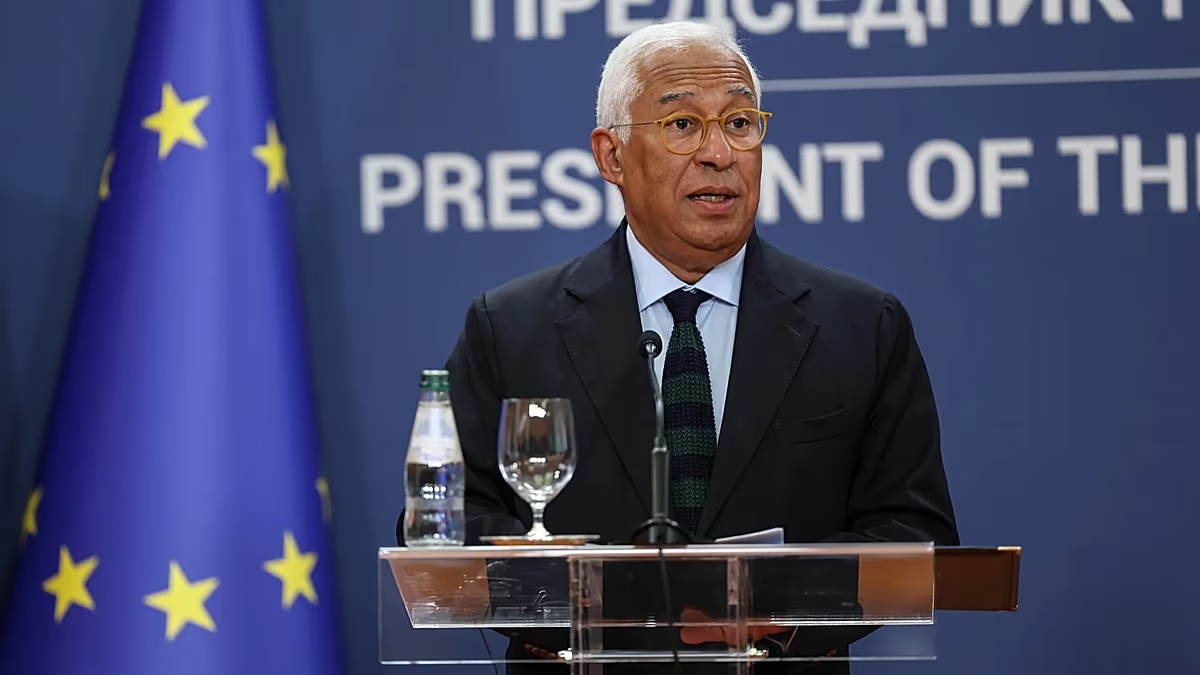
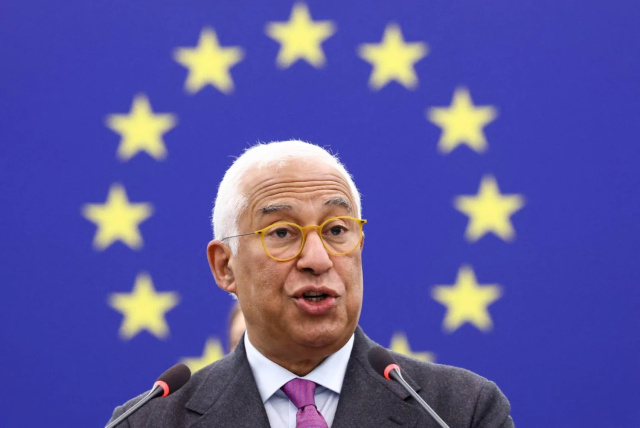
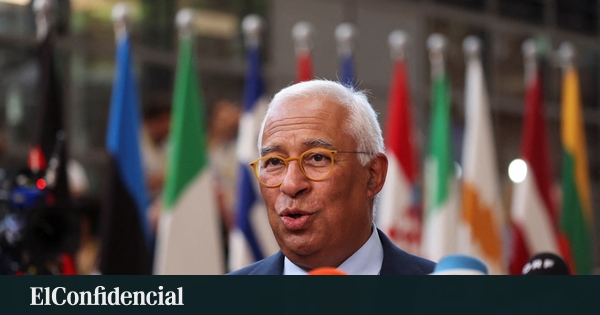
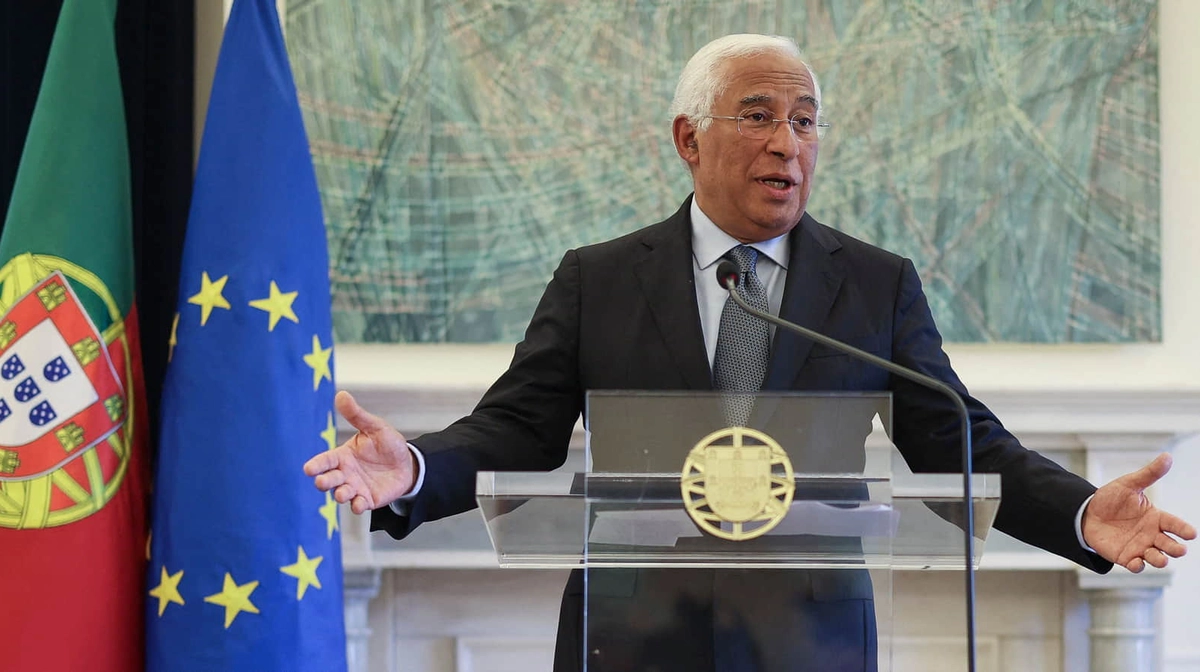
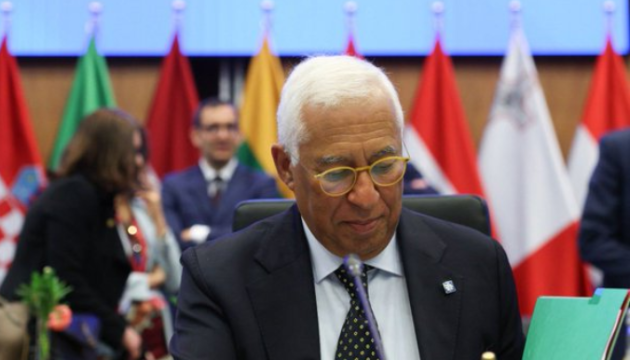
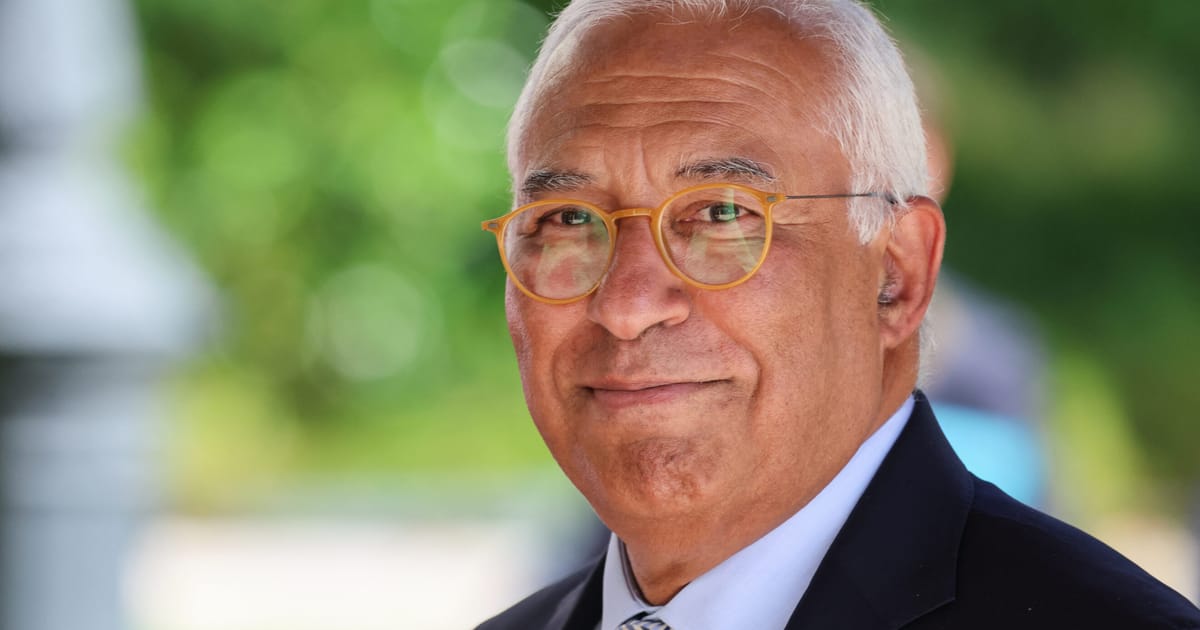
BRUSSELS ― Few of the EU’s current chiefs have dodged criticism as well as António Costa. But is the shine wearing off just as he gears up for re-election?
As a crucial few months loom ahead for the European Council president ― he’ll be tasked with herding the bloc’s 27 national leaders toward agreement on the EU’s next seven-year budget ― he has made his first serious misstep, according to diplomats. Often praised for his sure-footedness and ability to build consensus, the former Portuguese prime minister suddenly finds himself in the line of fire, with the heads of the bloc’s two most powerful countries among those most aggrieved.
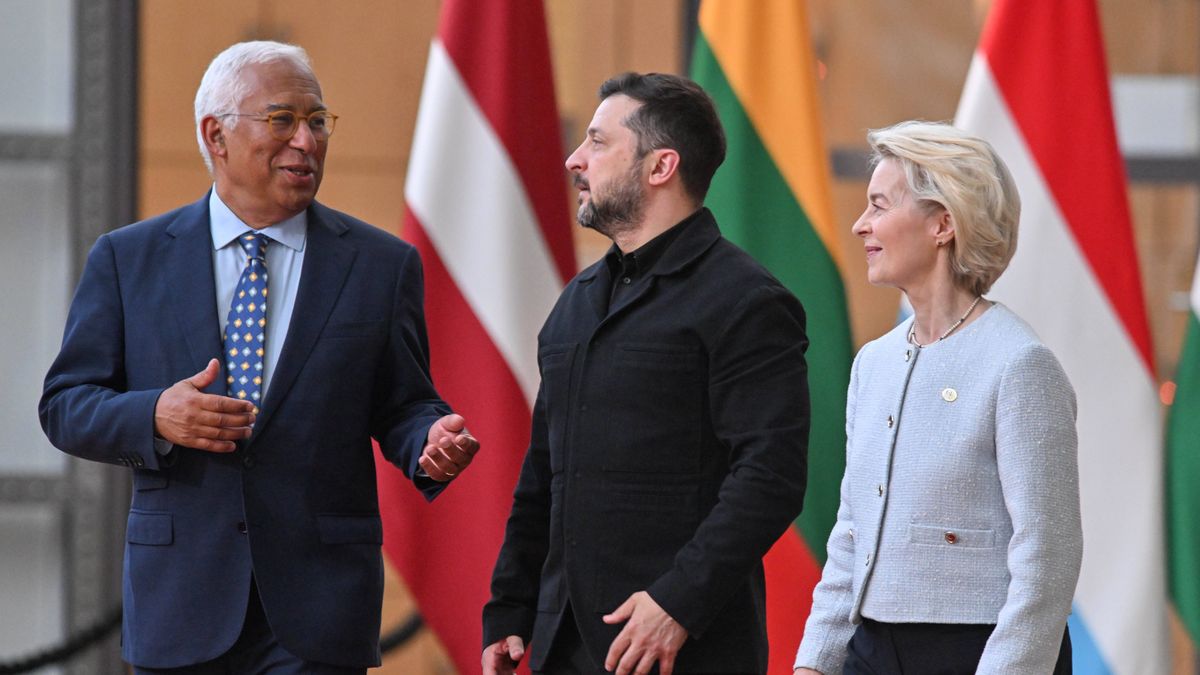
Since he started his role in December 2024, Costa has won little but plaudits from the leaders he represents and on whose support he depends. But a current of annoyance that had started to emerge over the past few months surfaced at a summit he chaired last week: His chief of staff’s unannounced contact with Russian officials, which broke years of diplomatic silence between the EU and Moscow, caught many by surprise.
In public, leaders lined up to defend him. Spanish Prime Minister Pedro Sánchez said the Russia contact was “understandable,” while Belgium’s Bart De Wever dismissed it as “completely normal” ― even joking to Costa in front of the cameras that the EU should send him personally to Moscow. But behind the scenes the discontent was palpable, according to nine diplomats working for nine separate national leaders at the summit. They spoke to POLITICO on the basis of anonymity due to the confidential and sensitive nature of the issue.