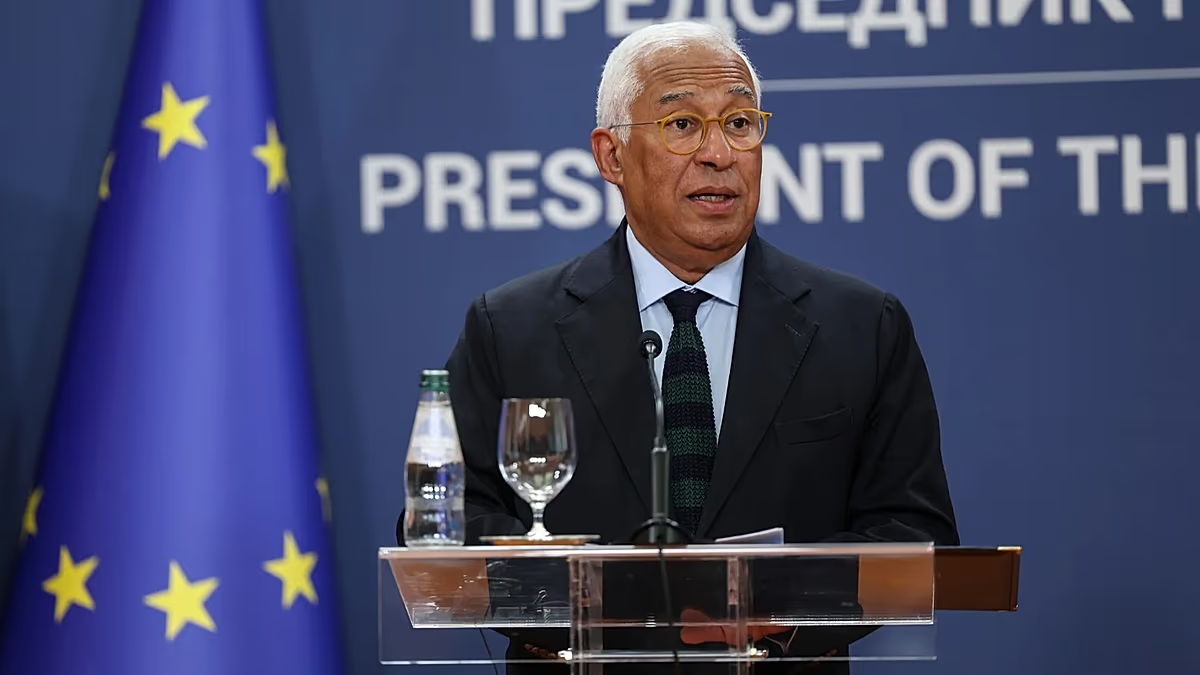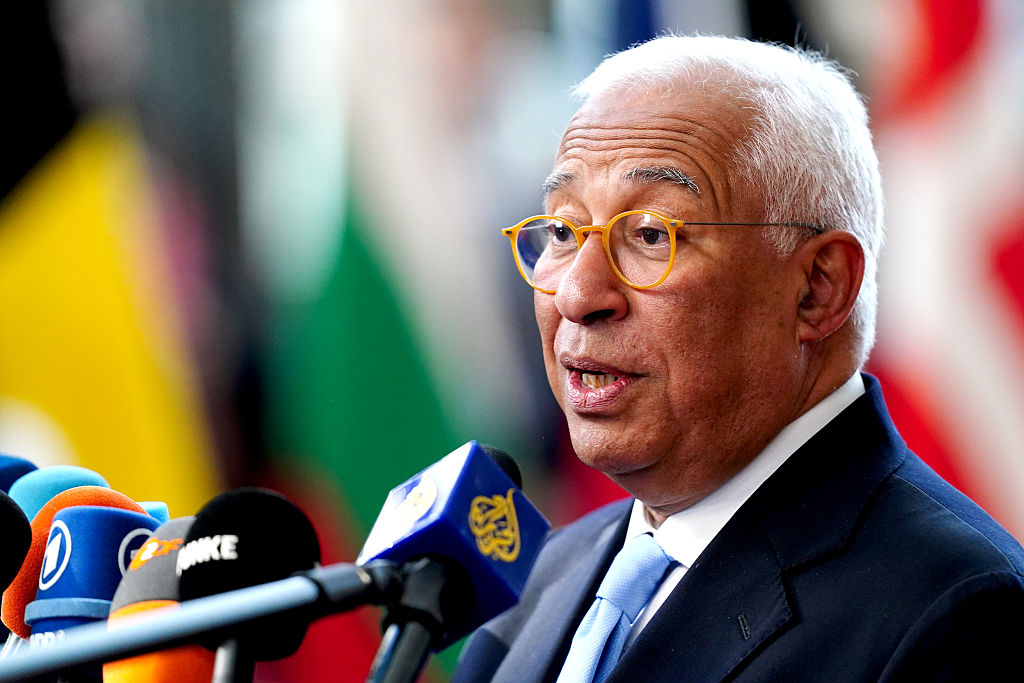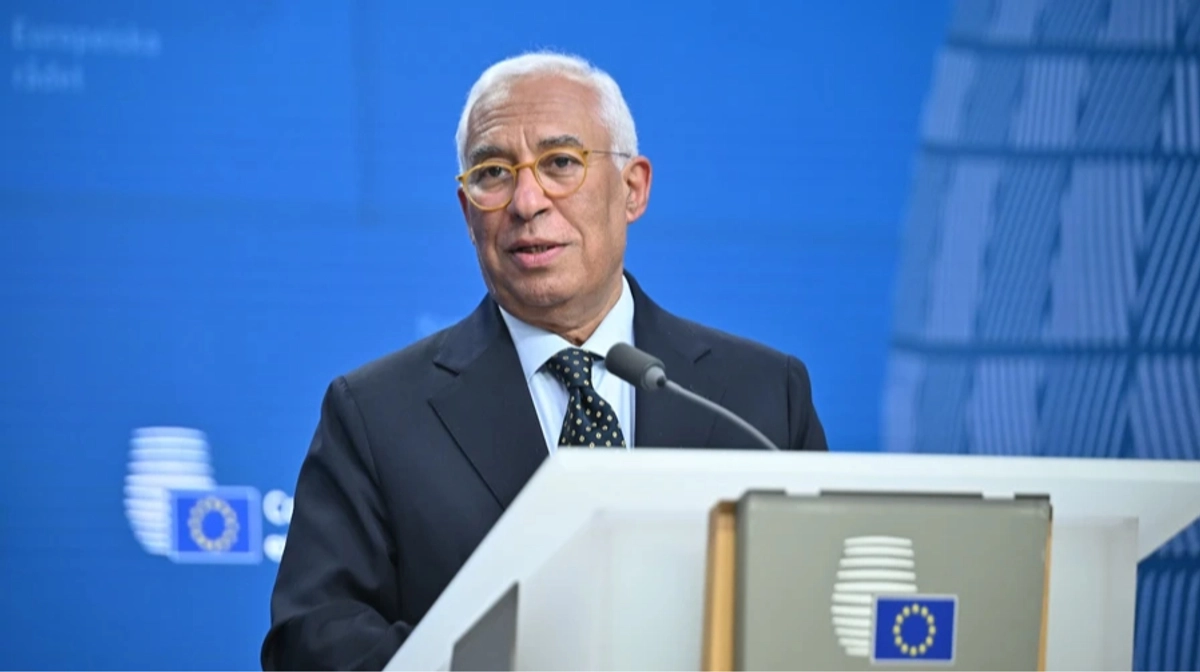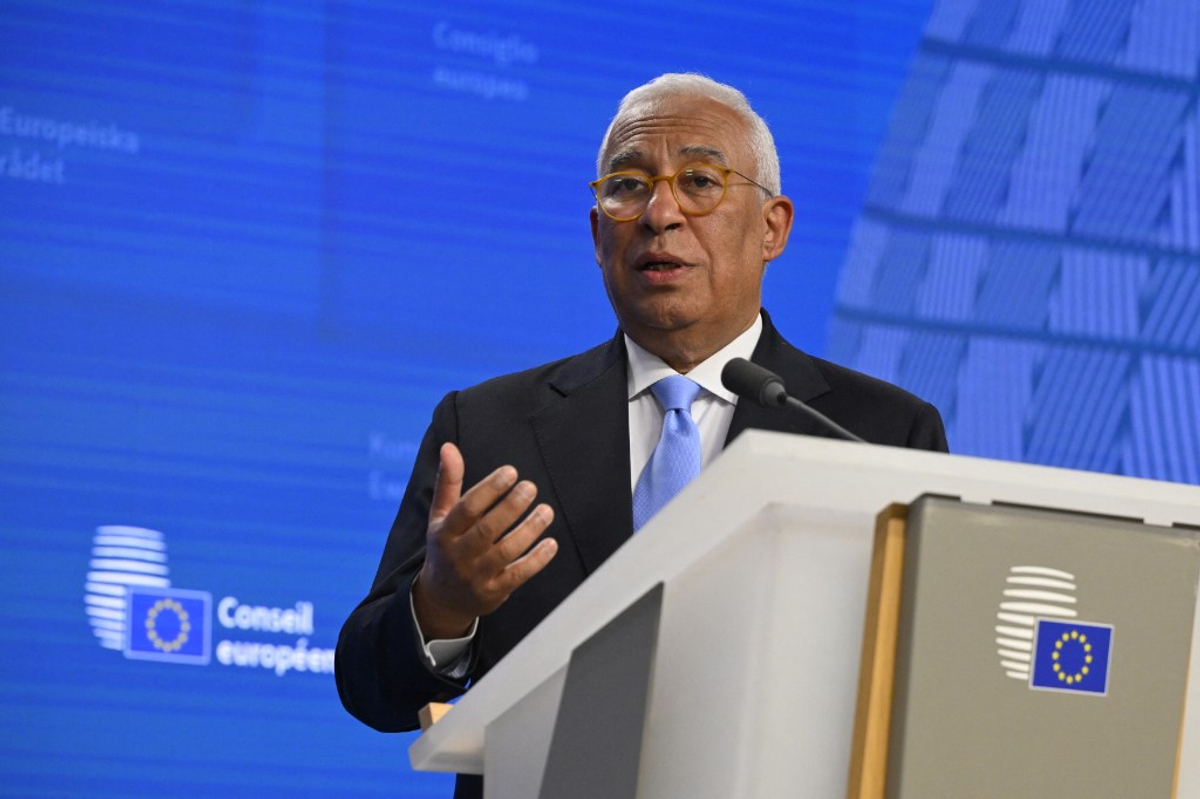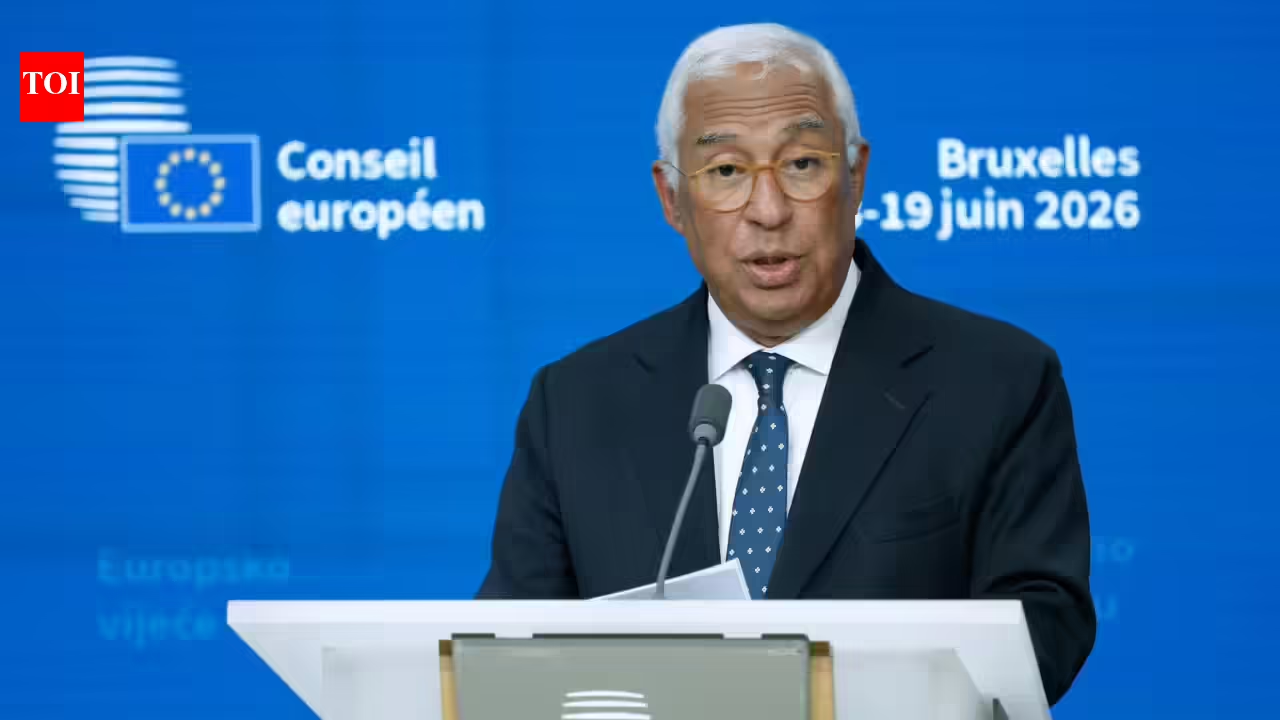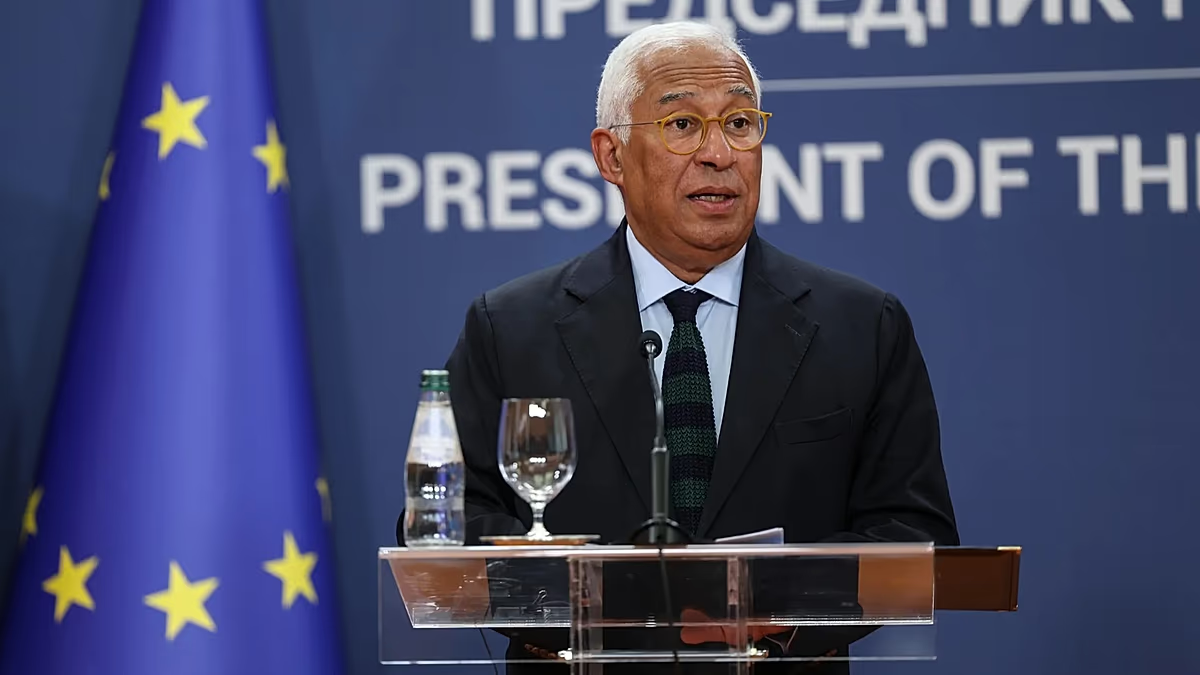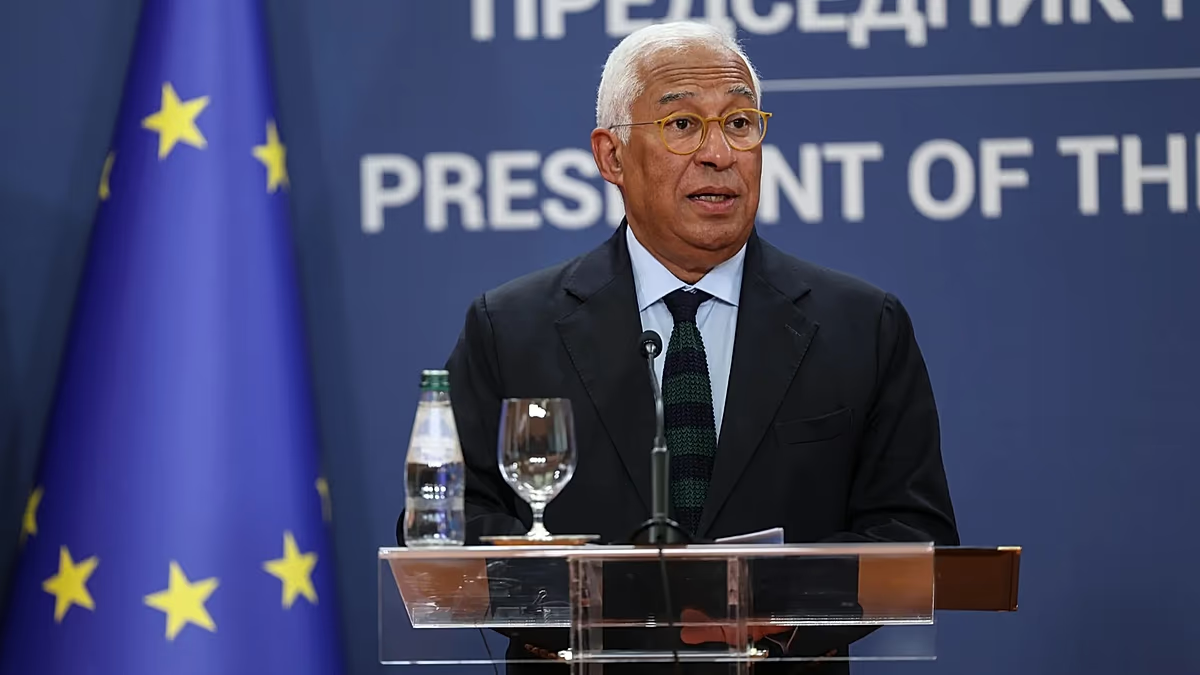
European Council president António Costa
António Costa’s decision to initiate a direct diplomatic channel with Russia has sparked a heated debate among EU leaders, dominating discussions at Thursday’s Brussels summit and exposing internal divisions over how to approach Moscow.
The European Council president defended the move, saying his office had been instructed to establish limited contact with Russian officials to assess whether conditions for future peace talks might exist. According to EU sources, these were exploratory exchanges with no negotiations or substantive discussions, intended only to prepare for a possible future diplomatic opening, which current assessments suggest is not viable.
“The President explained that he had asked his office to open a diplomatic channel with Russia. The aim was to be ready, when the right moment comes, to defend the EU’s interests,” an EU official said, adding that the contacts were “brief” and strictly procedural.
The issue triggered unease among several member states, many of which said they had not been informed in advance. Costa’s outreach reportedly occurred before EU leaders formally endorsed conclusions stating the bloc was ready to “step up its engagement” in potential negotiations, raising questions over timing and mandate.