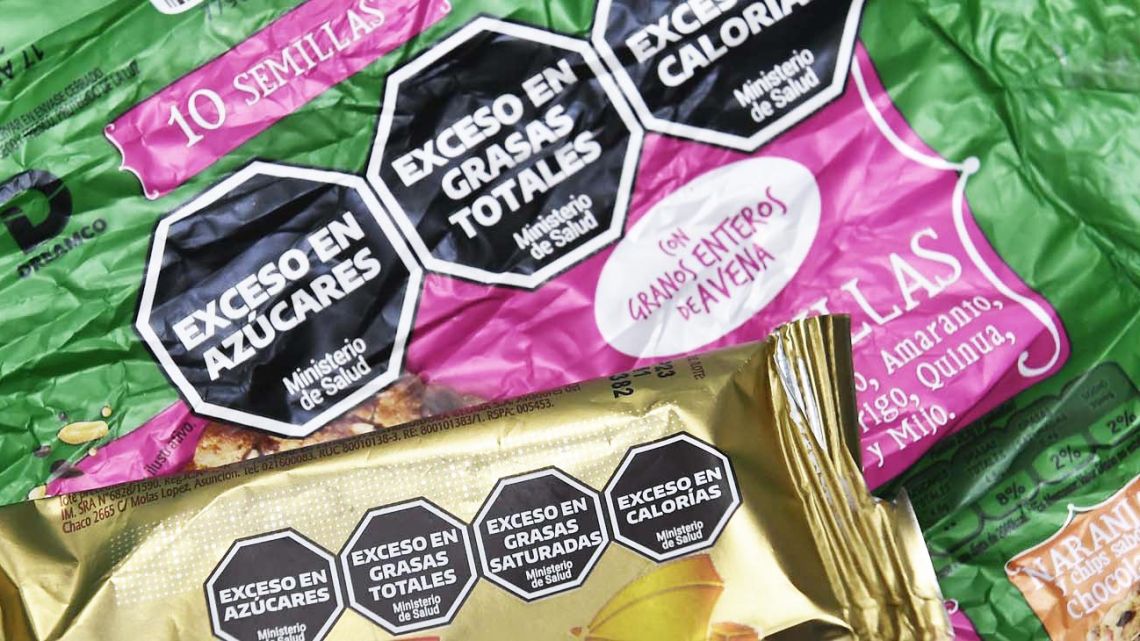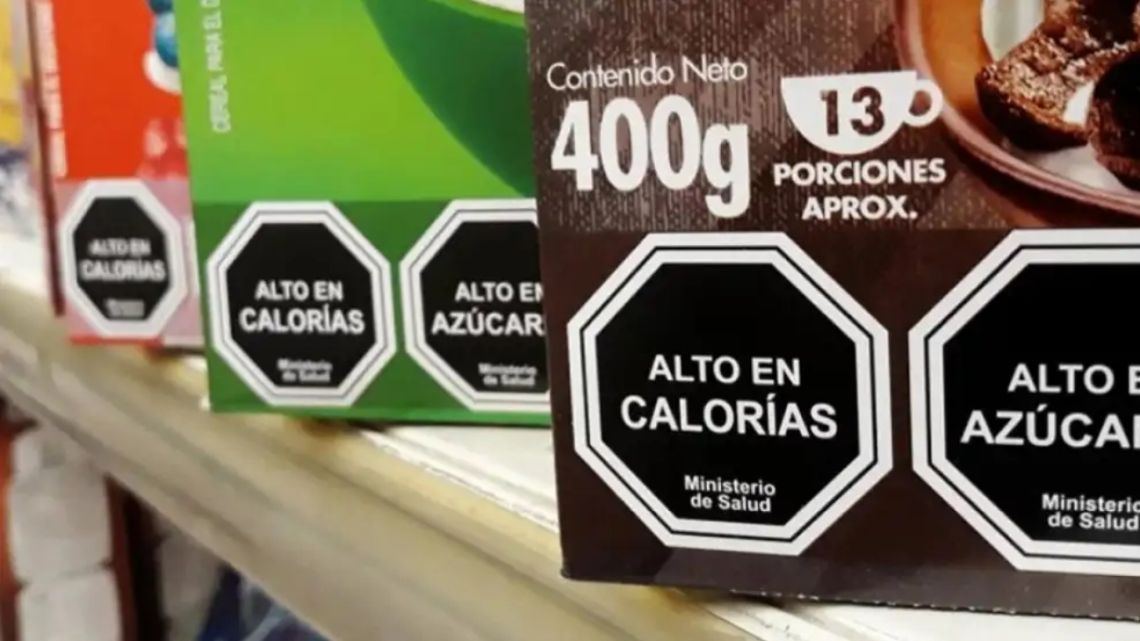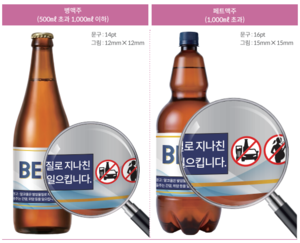
Importers and producers cite high relabeling costs, inventory risks and branding concerns as front-label requirements take effectSouth Korea's liquor industry is bracing for sweeping packaging changes after the government ordered alcohol warning labels to be displayed prominently on the front of every bottle, a move industry officials say is unusually stringent and could impose high costs on producers and importers.Under revised guidelines announced by the Ministry of Health and Welfare on May 8, warnings about excessive drinking and drunk driving must be placed below the main brand label on all alcoholic beverages produced domestically or declared for import after March 19. The rules also allow the use of warning images and larger font sizes.The government says the changes are intended to make alcohol-related risks more visible and strengthen public awareness of drink-driving and excessive consumption.The rules will take effect Nov. 9 following a six-month grace period, but industry officials argue that timeline is unrealistic, particularly for imported products. Guidelines on warning statements and pictograms for alcoholic beverage containers for glass bottles (left) and PET bottles. (Ministry of Health and Welfare) "Preventing drunk driving and improving public safety are goals the industry fully supports," a liquor industry official said. "But at a time when alcohol consumption is already weakening, front-label warning images could deepen negative perceptions of alcoholic beverages as a whole."Unlike domestic producers, importers must coordinate label revisions with overseas brand owners, secure approvals, adjust production schedules and wait for shipments before newly labeled products reach Korea."From design approval to products arriving in Korea, the process can easily take a year or more," said an official from a local liquor importer. "A six-month grace period is nowhere near enough."The government has allowed products manufactured or declared for import before Nov. 9 to remain on sale until May 8, 2027, giving companies additional time to clear existing inventory.Industry officials, however, warn that sluggish consumer spending and weaker alcohol demand could leave large volumes of stock unsold by the deadline. They also estimate that relabeling products equivalent to a year's alcohol sales in Korea could cost as much as 200 billion won ($129 million), expenses that could eventually be passed on to consumers.Another source of concern is branding. Industry officials argue that placing warning messages directly beneath product names could undermine the appeal of premium spirits and limited-edition releases, where packaging is a key part of the product's value."A warning image placed below the name of a bottle worth millions of won could push high-end consumers toward direct overseas purchases," another industry official said, arguing that some consumers may choose to buy premium spirits abroad or through duty-free channels, where the stricter Korean labeling requirements do not apply.Officials are also raising broader regulatory concerns. Alcohol labeling requirements are currently overseen by multiple ministries, but there is no clear coordinating authority to balance competing demands."If different agencies continue requiring more information on the front label — from warning images to ingredients and age restrictions — bottles could eventually become crowded notice boards," the importer official said.
Warning overload? Korean liquor firms push back on new label rules
South Korea's liquor industry is bracing for sweeping packaging changes after the government ordered alcohol warning labels to be displayed prominently on the f
504 words~2 min read