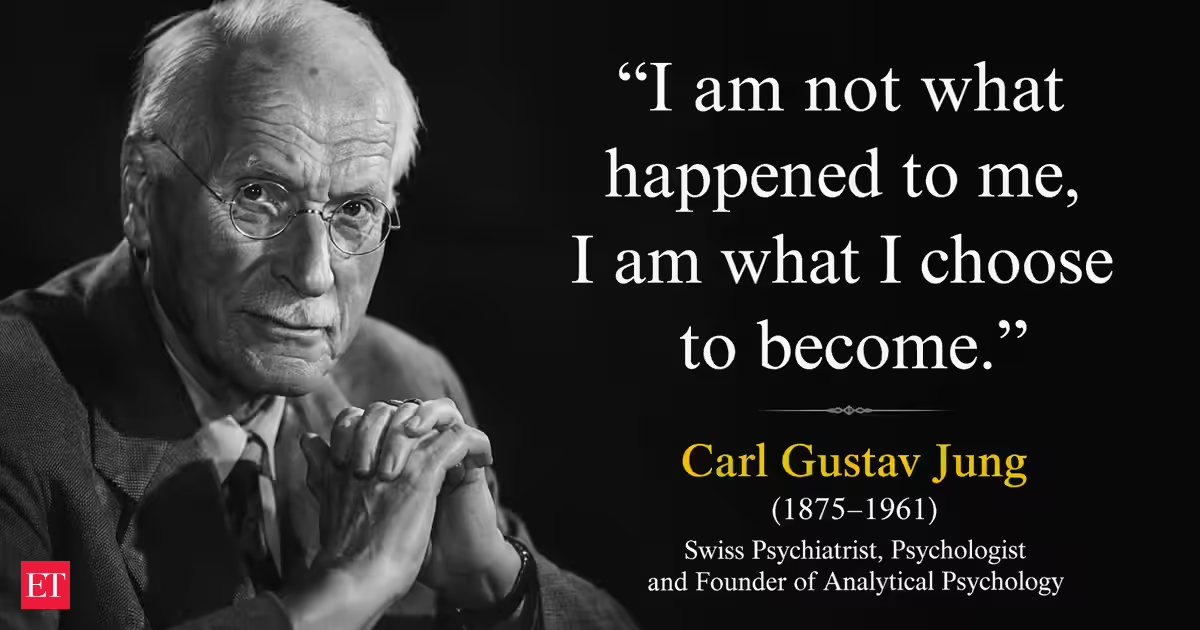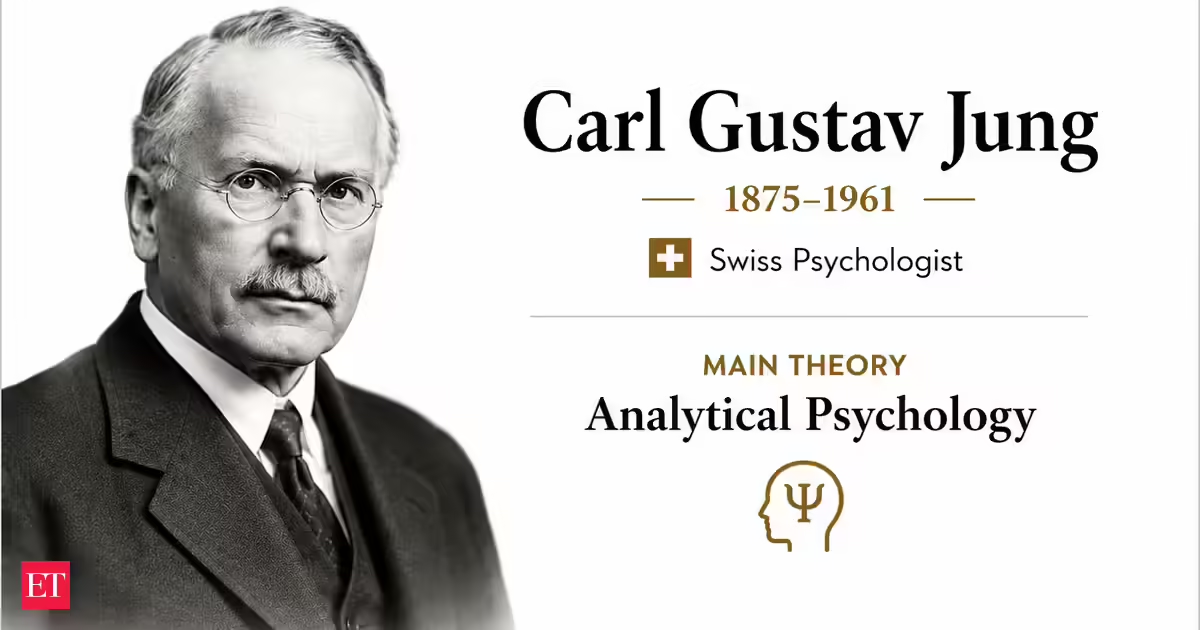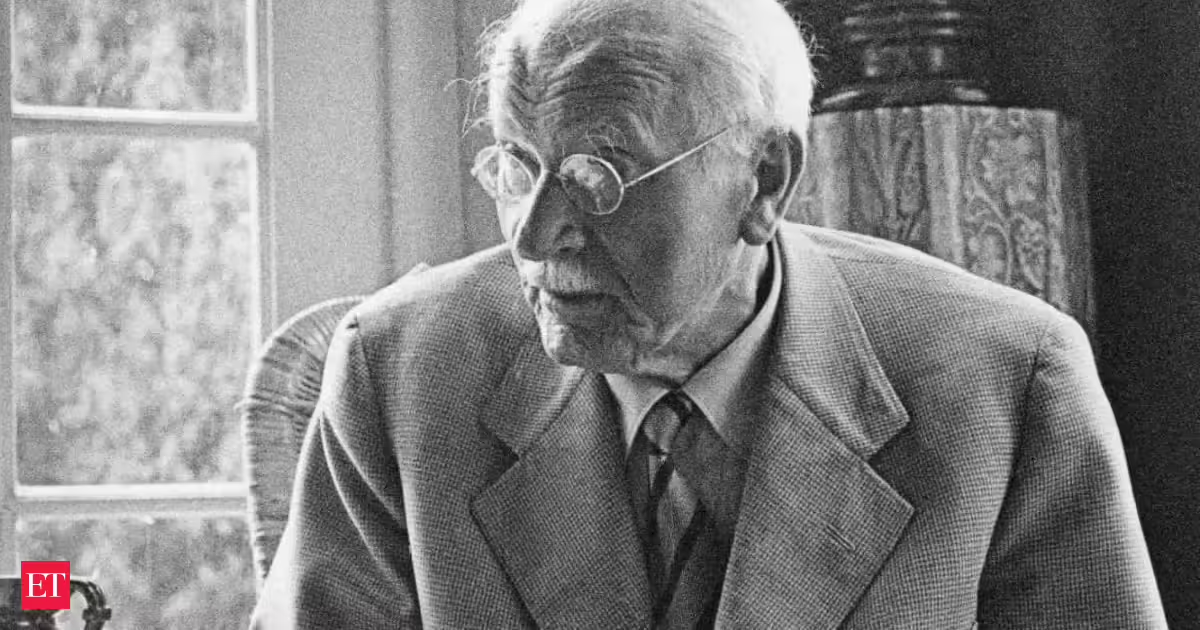
While we can be described as the ‘end product’ or sum total or our circumstances and life experiences, we are also equally defined by the personal choices we make along the way. While the past may shape our journey, it does not have the final say in who we become. Every individual possesses the ability to learn, grow, and create a future based on their values, decisions, and aspirations. Years ago, iconic psychologist Carl Jung emphasised upon the significance of personal choices and how they shape us. Quote Of The Day By Carl JungJung once said: “I am not what happened to me, I am what I choose to become.”Deeper Meaning Of The QuoteThe quote reminds us the no life experience, no matter how traumatic can define us unless we allow them to. Difficult circumstances, failures, losses, or setbacks may influence our lives, but they do not determine our future.The deeper meaning lies in the freedom of choice. Every person has the ability to decide how they will respond to life's challenges. Instead of remaining trapped by past wounds or limitations, we can learn from them and use them as stepping stones toward a better version of ourselves. The quote encourages self-belief, responsibility, and transformation.Relevance Of The QuoteJung’s words remain highly relevant in today’s world where admittedly, many people suffer a mental health crisis. It reminds us that circumstances do not have to control our destiny or future. People can experience personal losses such as loss of job, lose someone dear to them, but these do not have to define or determine their self worth. The relevance of the quote lies in its message of empowerment and hope. It encourages individuals to focus on their choices, actions, and attitudes rather than remaining trapped by their past. In education, careers, relationships, and personal growth, success often comes from the decision to keep moving forward despite obstacles. Jung’s words also encourage accountability in people. It teaches us that while we cannot always control what happens, we can always control how we respond, and how much we allow them to affect us. Who Was Carl Jung?Jung was a Swiss psychologist, psychotherapist. Best known for his concept of personality archetypes, Jung’s work has been influential in multiple fields such as psychology, anthropology, literature etc. According to Jung, one of the most important ideas in analytical psychology is individuation, a lifelong journey of becoming one's true and complete self. This process involves integrating both the conscious aspects of the personality—such as thoughts, beliefs, and behaviors—and the unconscious aspects, including hidden desires, fears, instincts, and untapped potential. Rather than suppressing or denying parts of ourselves, individuation encourages us to recognize, understand, and harmonize them.Jung believed that every person is born with the potential to develop a unique and authentic identity. However, this growth requires self-examination, reflection, and the courage to confront the unknown parts of the psyche. Through individuation, individuals move beyond social roles, expectations, and superficial identities to discover a deeper sense of meaning and wholeness.His treatment of American entrepreneur Rowland Hazard, with his belief that alcoholics can be let go of their addiction if they experience a life changing spiritual experience led to the formation of Alcoholics Anonymous. Jung passed away in 1961, at the age of 85.
Popular quote of the day by Swiss psychiatrist Carl Jung: 'I am not what happened to me, I am what I choose to become...' How success in life comes through conscious choices, not just your circumstances
Renowned psychologist Carl Jung's powerful quote, 'I am not what happened to me, I am what I choose to become,' underscores our agency in shaping our lives. Despite past hardships, individuals possess the inherent ability to learn, grow, and forge a future based on personal values and decisions.
544 words~2 min read