The interior of the Australian continent is criss-crossed with the fruits of (at-times quixotic) attempts stretching back to the 19th century to control the spread of pests across the landscape — from the ‘dingo fence’ protecting southeast Australia’s sheep flocks from native canines to the ‘rabbit-proof fences’ in Western Australia made famous by Philip Noyce’s 2002 film.
A year into his second term as Australia’s prime minister, Anthony Albanese faces his own challenges in containing the spread of ferals across the Australian political landscape. The political rabbits appear to have broken through the rabbit-proof fence.
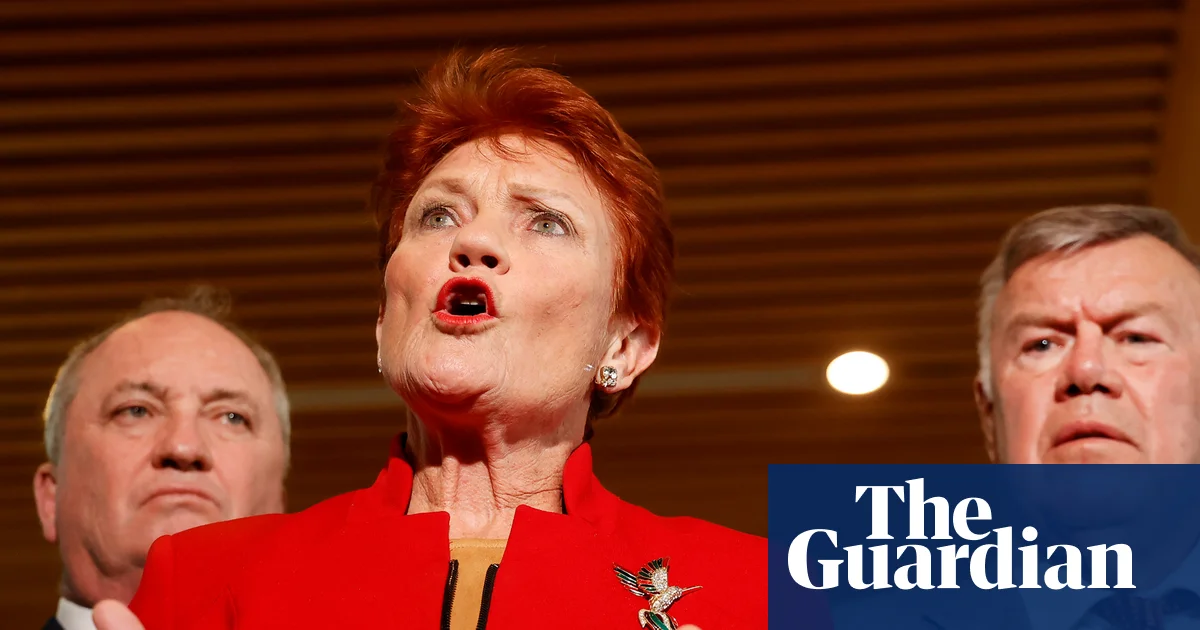
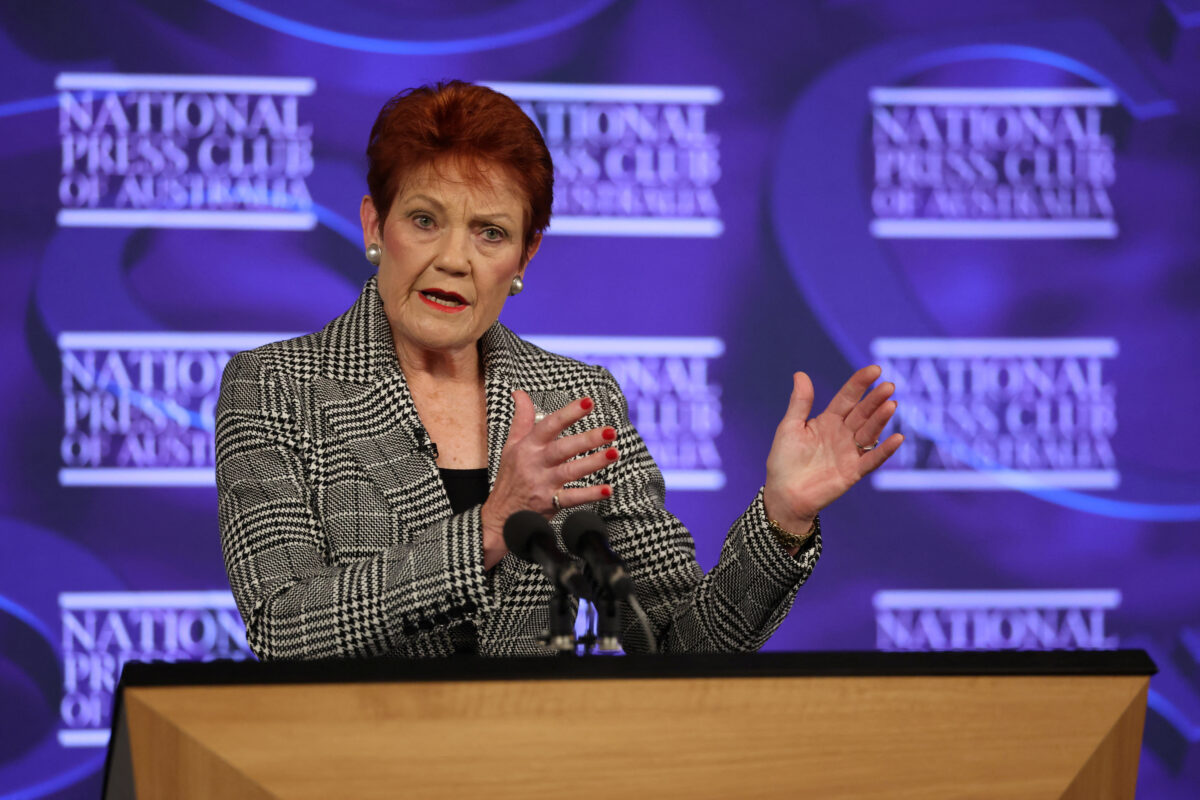
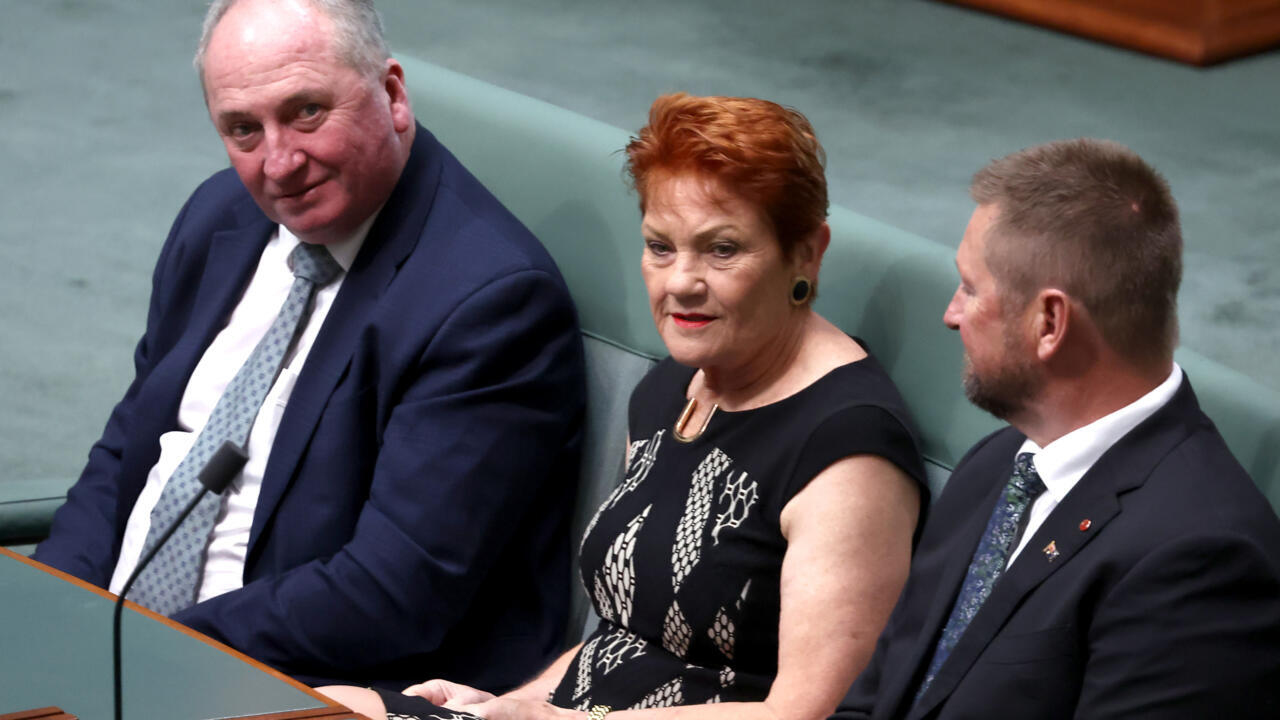
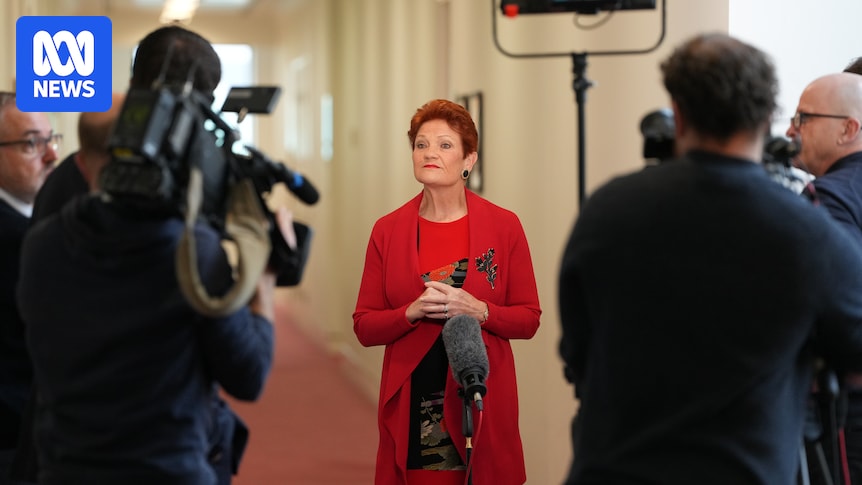
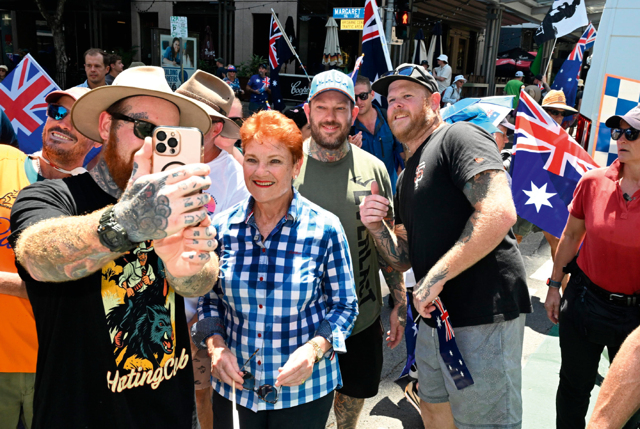
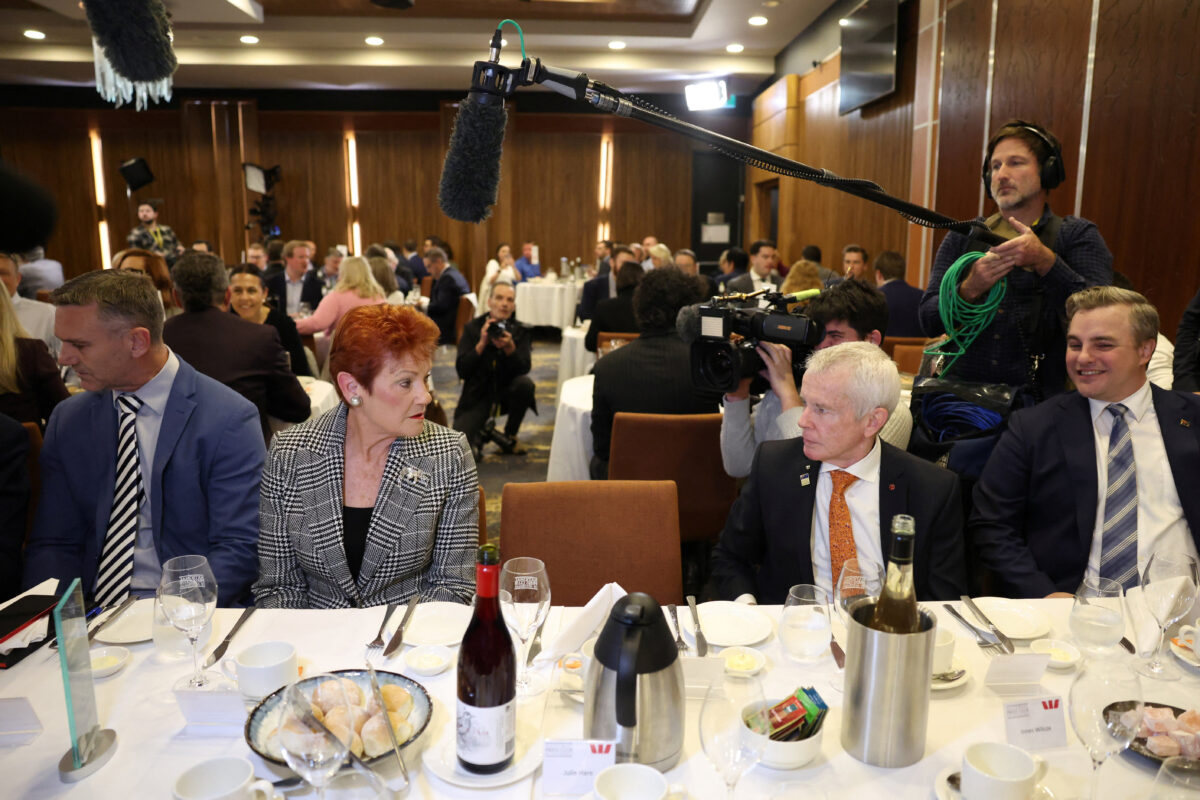
As Liam Gammon reports in this week’s lead article, ‘the defining trend in Australian politics’ since Albanese’s centre-left Labor Party was re-elected in May 2025 ‘has been a boom in support for MAGA’s local analogue, the right-wing populist One Nation party.’
‘One Nation’s surge is not a broad-based anti-establishment vote’, Gammon argues, ‘but is instead being overwhelmingly driven by the defection of ideologically conservative Liberal and National voters’ to the party. With One Nation’s polling numbers ‘level with Labor and exceeding the combined vote of the [centre-right Liberal–National coalition]’, its leader, Pauline Hanson, suddenly enjoys an influence beyond that which she had in the 1990s as the avatar of a backlash against Australia’s embrace of globalisation and multiculturalism.