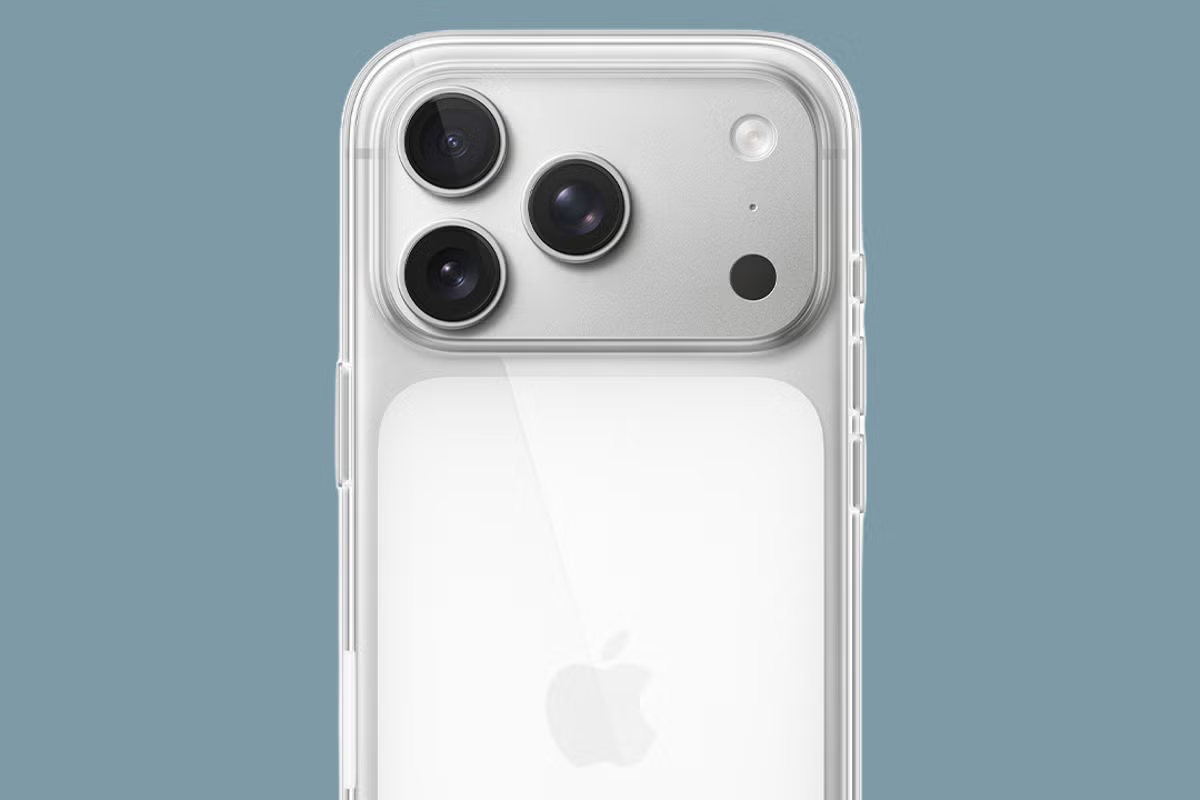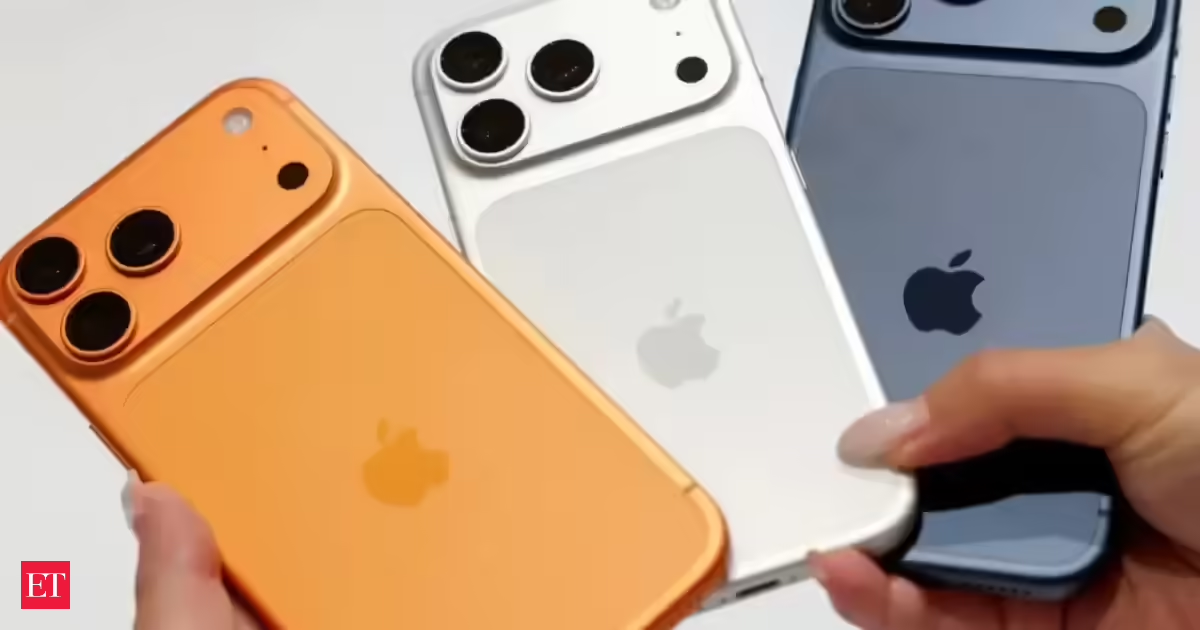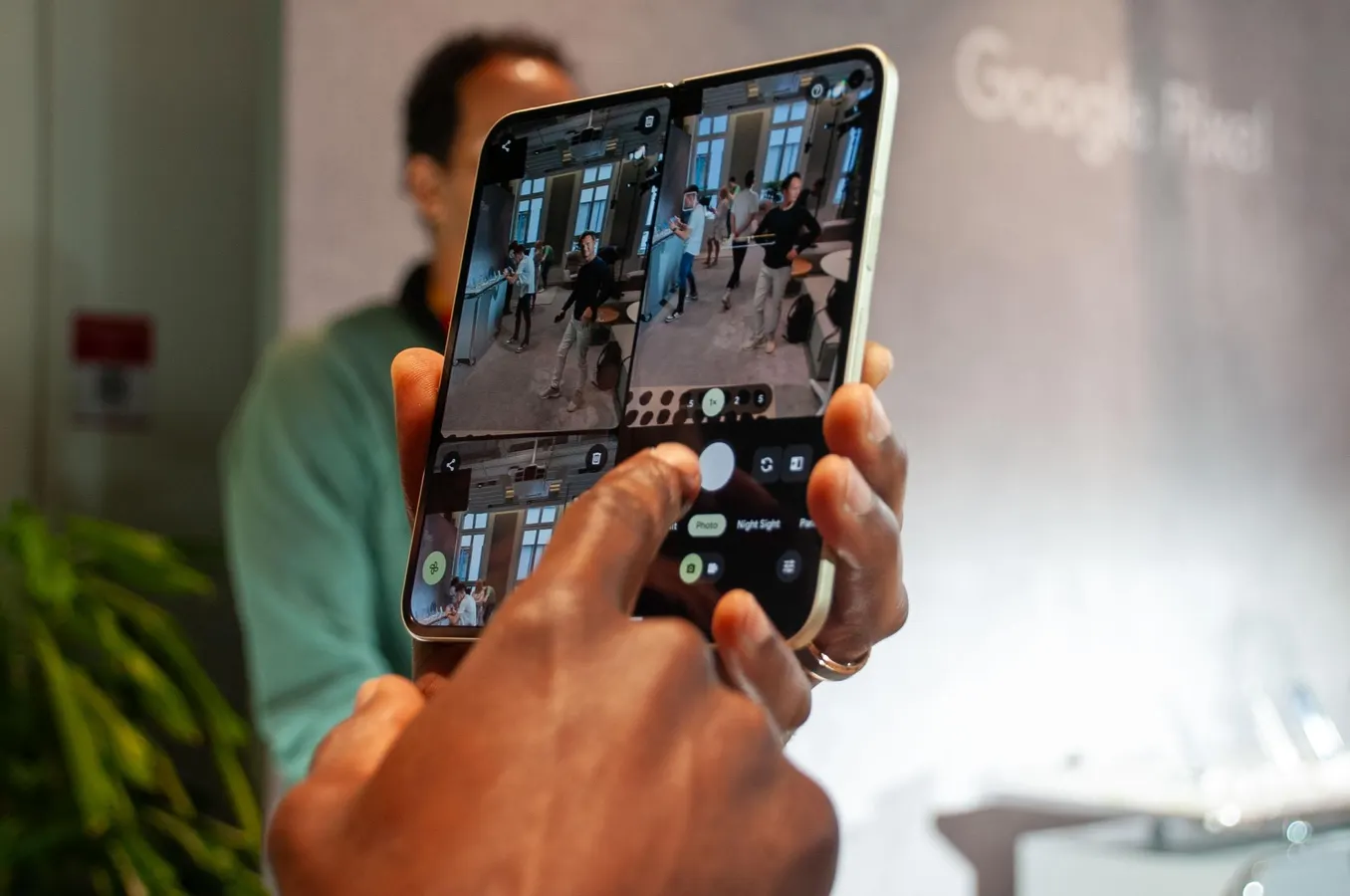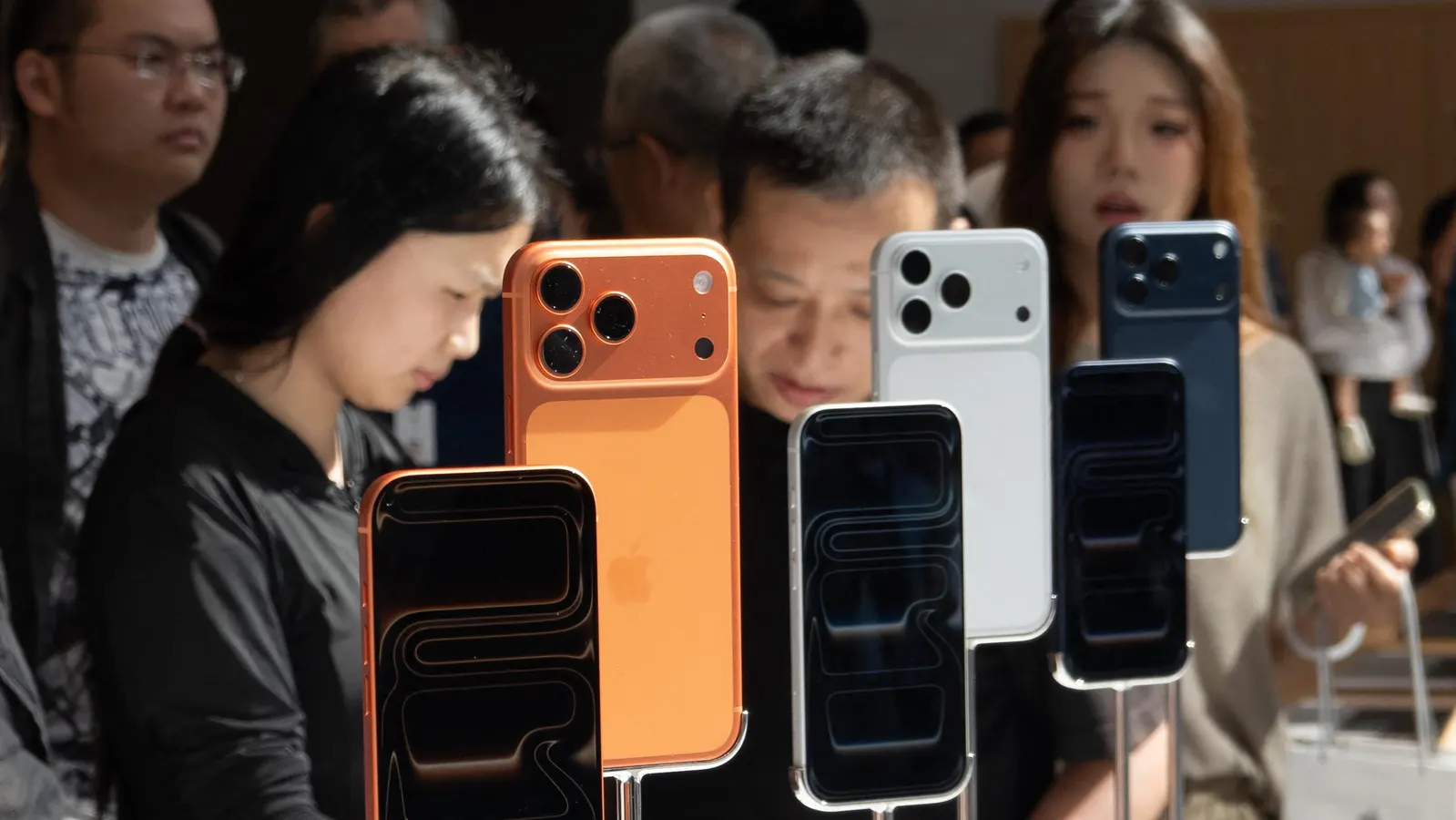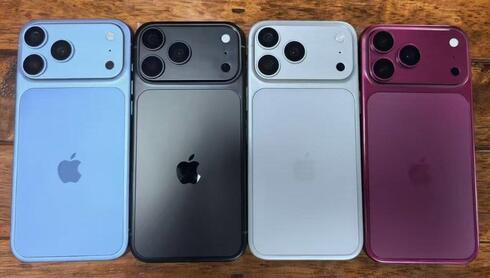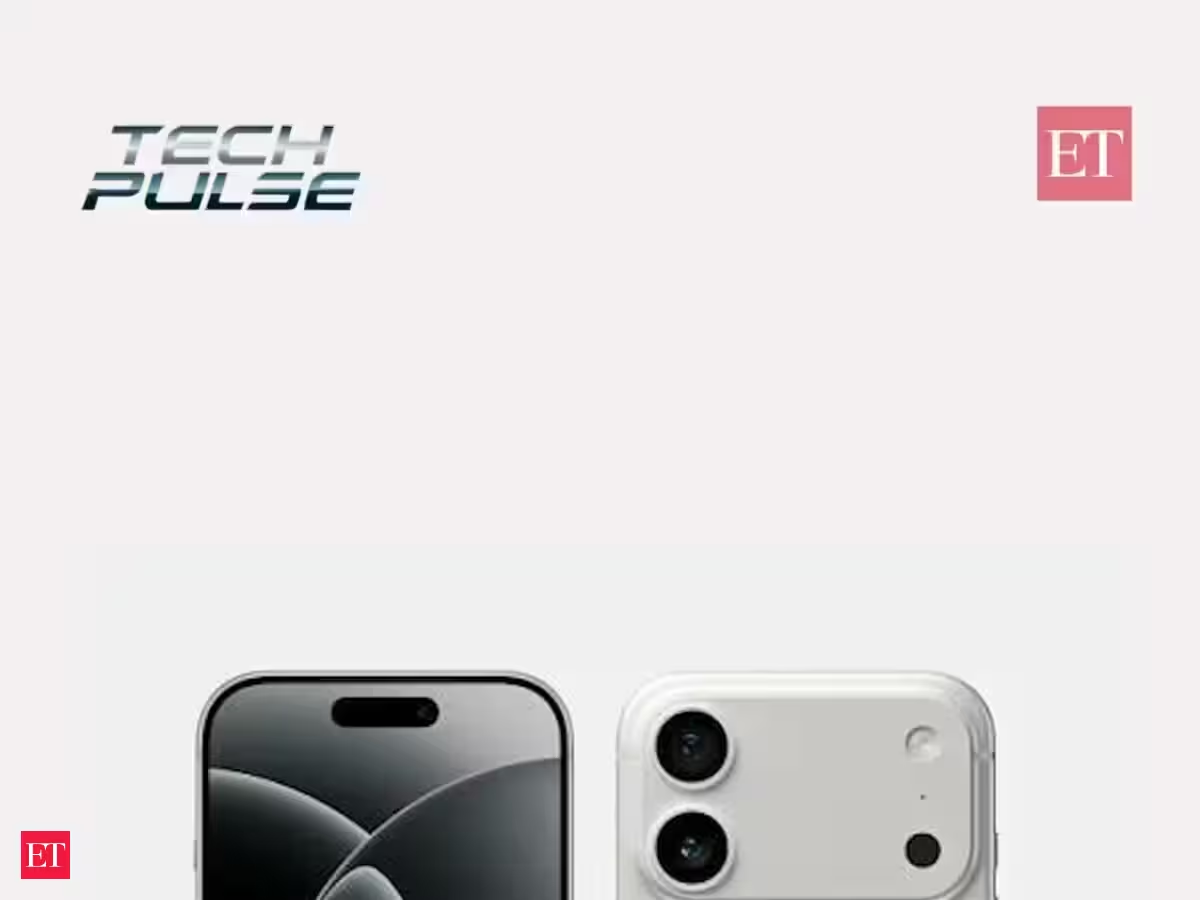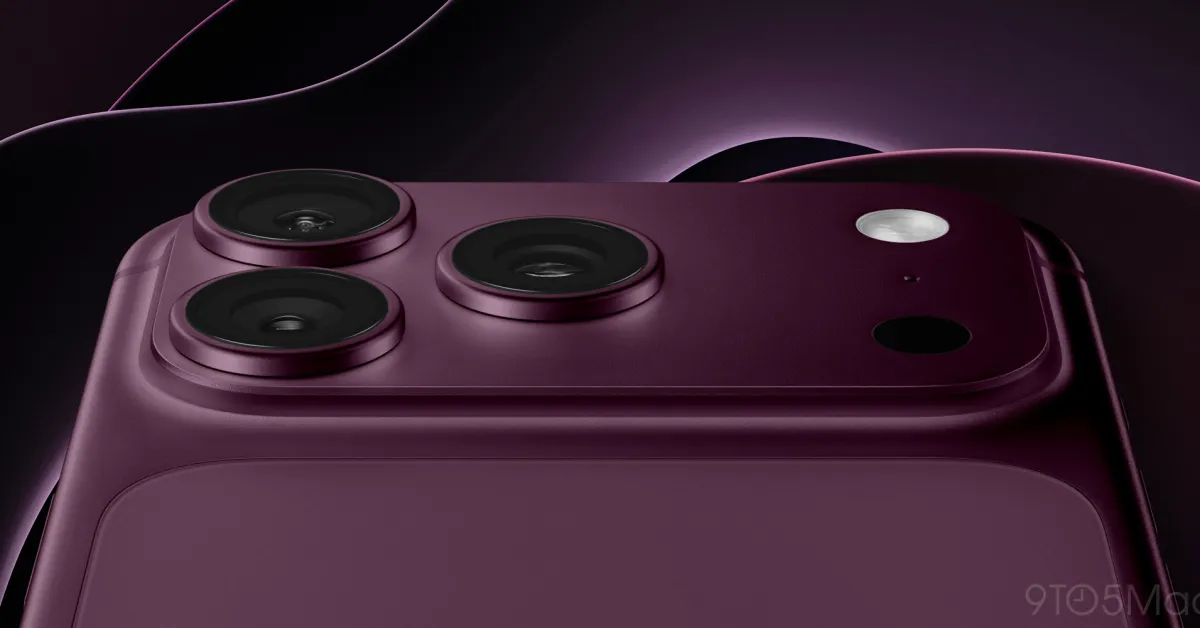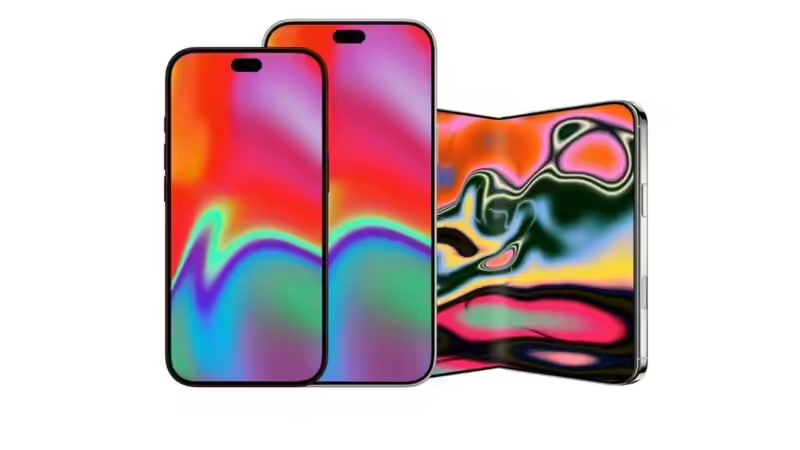
Photo credit: X/@ExpressTechieApple’s shaping up for a big September - word is, they’ll debut their first foldable iPhone alongside the iPhone 18 Pro series. Both are supposed to come packed with major upgrades, inside and out. But here’s the catch: prices are likely heading north, maybe by quite a bit. Apple’s been upfront about a global memory shortage that could push costs up for several of its products. That raises a real question: in shaky economic times, just how much are people willing to shell out for the latest, fanciest phonesKey TakeawaysApple is expected to launch its first foldable iPhone later this year.The foldable model could be priced between $2,000 and $2,500.iPhone 18 Pro models are tipped to get display, camera and processor upgrades.Apple may increase prices for premium iPhones due to the ongoing global memory shortage.Software changes introduced at WWDC 2026 could hint at preparations for foldable devices.Apple’s foldable iPhone might finally be on the horizon this yearAfter all the rumours, it actually feels like Apple is about to jump into the foldable phone game. Sure, they haven’t said anything official yet, but leaks keep pointing to a big reveal later this year - likely alongside the iPhone 18.From what’s floating around, Apple’s foldable won’t mimic the clamshell look you get from some Android options. Instead, think of a book-style design, only shorter and a little wider. Fold it up, and it’s compact. Open it, and it’s more like a small tablet.Leaked details mention a 5.5-inch screen on the outside and a bigger 7.8-inch display inside. The phone is supposed to be about 9mm to 9. 5mm thick when closed, then it slims down to around 4. 5mm unfolded.Apple’s rumoured to pack its newest, fastest A-series chip inside, plus enough RAM to keep multiple apps running smoothly across different display modes. There’s talk of dual rear cameras and separate front cameras for both the inside and outside screens.One interesting twist - Touch ID might be making a comeback but on the side this time, thanks to a fingerprint sensor. And because of the foldable design, Face ID could be off the table.Apple seems pretty serious about nailing the display, too. Rumour has it the foldable iPhone’s screen will show little or none of that annoying crease you see on other foldables. If that’s true, it could really set Apple’s design apart.WWDC hints point to Apple's foldable software ambitionsWWDC left some interesting breadcrumbs about Apple’s foldable plans. While hardware specifications continue to attract attention, software might end up being what really sets a foldable iPhone apart.At the 2026 event, Apple dropped a Device Hub that lets developers resize apps on the fly and test out different screen layouts. On a regular iPhone, that’s neat but maybe a bit much. On a foldable? Suddenly, it makes sense - apps have to shift smoothly between screen sizes and keep everything looking sharp whether the phone’s open or closed.Apple also showed off widgets that can grow into full-page views for apps like Music, News, and Weather. It sounds like a small thing, but on a big foldable display, that opens up a lot of new possibilities.If Apple manages to nail the user experience and make apps feel at home on a foldable screen, they could finally solve the issues that still bug a lot of current foldable phones.iPhone 18 Pro models may focus on refinement rather than redesignApple isn't shaking things up with a dramatic redesign for the iPhone 18 Pro and 18 Pro Max. Instead, it looks like they’re fine-tuning what already works. The display sizes stay about the same, and that familiar triple-camera arrangement isn’t going anywhere. But underneath the surface, there's plenty going on.One of the bigger upgrades is the new LTPO+ display, which is supposed to boost battery life and manage power more efficiently. Inside, you get Apple's latest A20 chip - so expect things to run smoother and faster than ever.Cameras are getting a solid upgrade, too. This time around, Apple plans to roll out its first variable aperture camera system on the Pro models. That means the lens can actually change size, letting in more or less light depending on the setting. The result? Sharper shots whether you’re outdoors or indoors.A few cosmetic changes are in the works, too. The Dynamic Island up top gets a little smaller, and you’ll have fresh colours to choose from - light blue, dark cherry, dark gray, and silver. Apple also sticks with that aluminium frame and a frosted Ceramic Shield on the back, so it’s stylish but still tough enough for daily life.Apple’s premium devices might be getting even pricier soonThe main focus for a lot of people is the cost, not just the features. The new foldable iPhone is rumoured to hit somewhere between $2,000 and $2,500, making it Apple’s priciest “mainstream” phone ever.But that’s not all - they’re also hinting at general price hikes. Apple has started warning folks that a global memory shortage could drive up costs for some of their products. Most of these increases sound like they’ll hit the top-tier devices - think Pro-series iPhones. Some industry watchers say those prices could go up by about $100 for both the iPhone Pro and Pro Max.If these predictions land, the next iPhone lineup won’t just push tech boundaries - it’ll push people to decide what they’re really willing to pay for high-end gadgets, especially with money tighter for everyone these days.iPhone Fold vs iPhone 18 Pro: Expected highlightsFeatureiPhone FoldiPhone 18 ProForm FactorBook-style foldableTraditional flagshipOuter Display5.5-inch (rumoured)Standard Pro displayMain Display7.8-inch foldable screenLTPO+ displayProcessorLatest A-series chipA20 chipCamerasDual rear camerasTriple-camera system with variable apertureBiometric SecurityTouch ID (rumoured)Face IDExpected Price$2,000-$2,500Potentially $100 higher than current models Frequently Asked Questions1. Why is Apple jumping into the foldable smartphone game now?Apple appears to be taking a measured approach, focusing on refining both hardware and software before entering a category that competitors have been exploring for several years.2. What makes Apple’s foldable iPhone stand out from the rest?It sounds like Apple’s aiming for a screen without that annoying crease, a design that actually fits in your pocket, and smart software that adapts to the folding screen. Put those together, and you’ve got something different from what’s out there now.3. Why is software such a big deal for foldable phones?With foldables, apps have to work well on all kinds of screen shapes and sizes. If the software doesn’t keep up, the bigger display won’t actually help you get more done or make the phone easier to use.4. What’s a variable aperture camera and why does it matter?This kind of camera changes how wide the lens opens, so it grabs better photos in all kinds of lighting. Whether it’s bright or dim, your pictures come out looking better.5. Will Apple’s foldable iPhone be its priciest smartphone yet?Yep, looks like it. Right now, people expect it to cost between $2,000 and $2,500 - that’s more than any other iPhone so far.6. How could memory shortages mess with future iPhones?If memory keeps being hard to get, Apple’s parts will cost more. That means the newest, fanciest iPhones - like the Fold or 18 Pro - could get even pricier.7. What are the WWDC updates hinting about Apple’s hardware plans?Stuff like dynamic app resizing and expandable widgets? That points to Apple gearing up its software for devices with bigger, bendier screens. Looks like they want everything ready for what’s next.end of article
Iphone: iPhone Fold and iPhone 18 Pro could push Apple’s pricing strategy to new extremes amid memory crunch
Apple’s shaping up for a big September - word is, they’ll debut their first foldable iPhone alongside the iPhone 18 Pro series. Both are supposed to come packed with major upgrades, inside and out. But here’s the catch: prices are likely heading north, maybe by quite a bit. Apple’s been upfront about a global memory shortage that could push costs up for several of its products. That raises a real question: in shaky economic times, just how much are people willing to shell out for the latest, fanciest phonesAfter all the rumours, it actually feels like Apple is about to jump into the foldable phone game.
Apple's foldable iPhone ($2-2.5K) and iPhone 18 Pro upgrades debut September with $100+ price hikes amid memory shortage. For IT leaders, rising component costs and premium-device consolidation will reshape enterprise mobility capex and device-cycle ROI calculations.