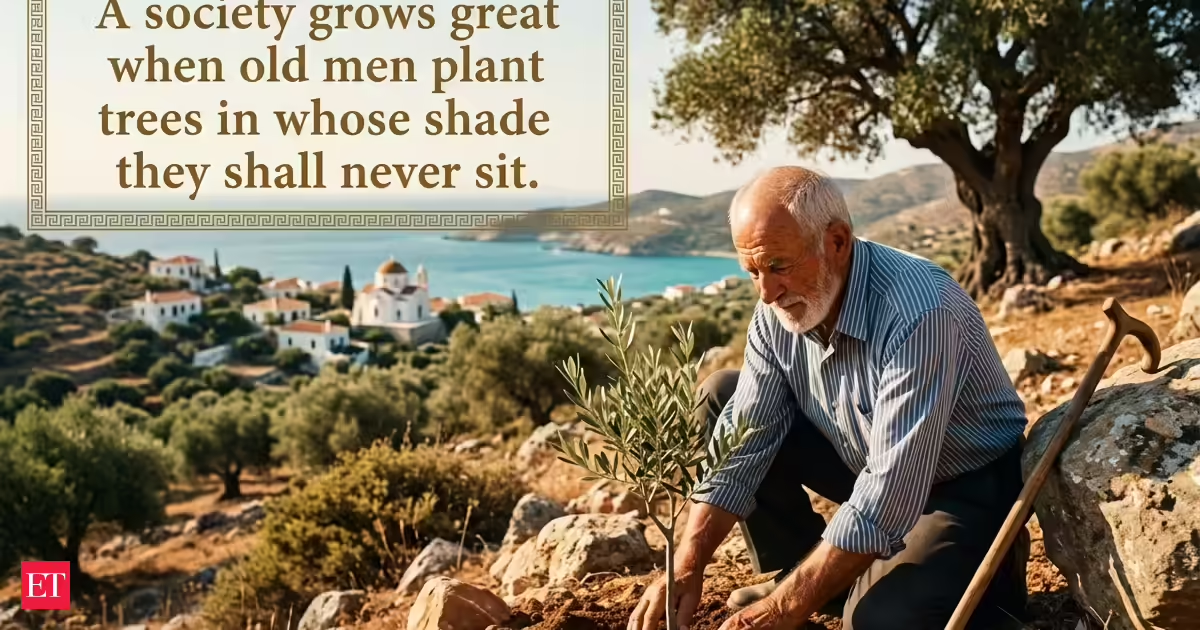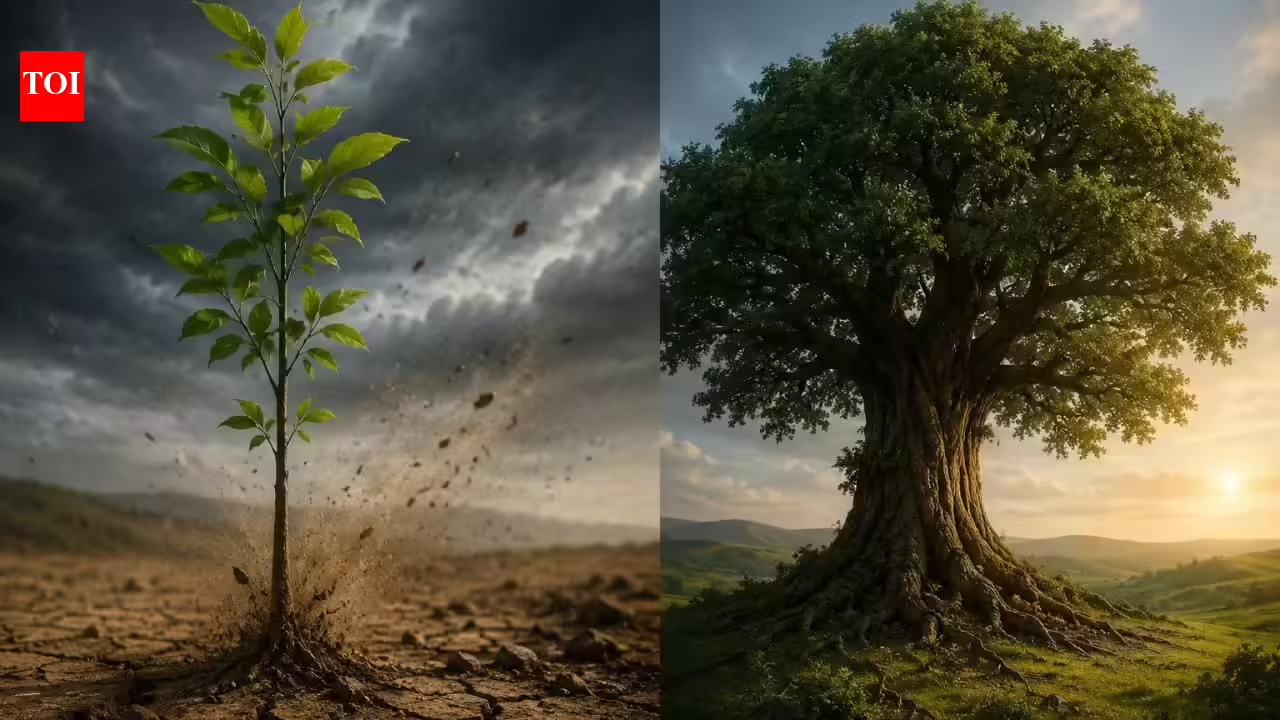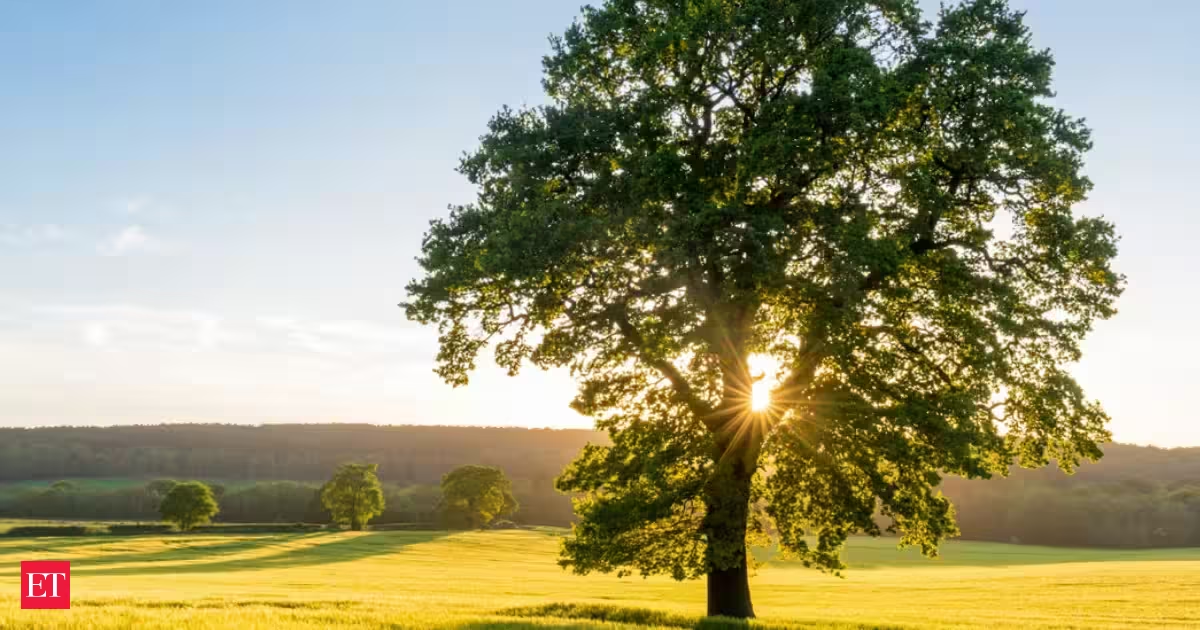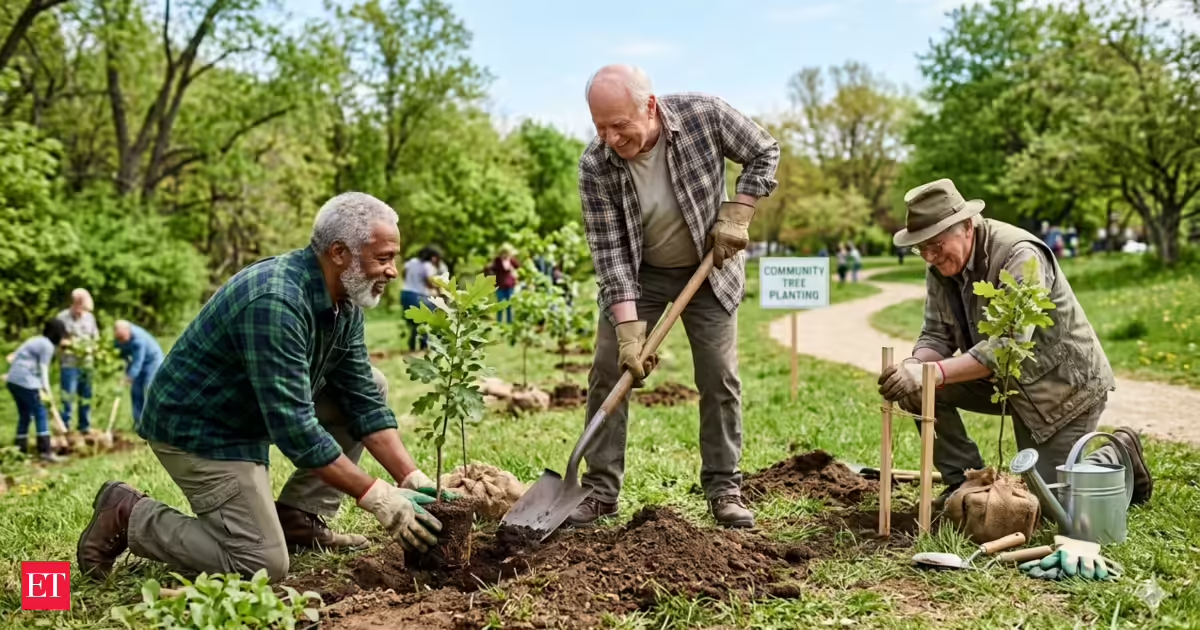
Proverb of the day: The ancient world often measured wisdom not by wealth or power, but by how deeply a person contributed to future generations. One of the most powerful reflections of this idea is the famous Greek proverb, “A society grows great when old men plant trees whose shade they know they shall never sit in.”ALSO READ: Best Proverb of the Day: "A man may rise like the sun through ambition, but a woman shines like the moon by mastering both her strength and her calm."This saying highlights a profound truth about human progress: real greatness is built on patience, sacrifice, and the willingness to invest in a future one may never personally enjoy. It reminds us that every strong society stands on the quiet efforts of those who worked for tomorrow rather than for themselves.ALSO READ: Best proverb of the Day: "No one is able to make the female a queen except her father."Proverb of the Day“A society grows great when old men plant trees whose shade they know they shall never sit in.”The deeper idea of legacy and sacrificeAt its core, this proverb speaks about legacy and suggests that true greatness is not defined by immediate rewards but by long-term impact. The “trees” in this saying symbolize actions, institutions, education systems, values, and infrastructure built today. The “shade” represents the benefits future generations will enjoy. The wisdom lies in accepting that one may never personally experience those benefits, yet still choosing to contribute.Why this idea matters in modern lifeIn today’s fast-paced world, people often focus on instant results and short-term success. However, societies that truly progress are those that invest in education, healthcare, science, and environmental protection. These are areas where results may take decades to fully appear, but they shape the future in powerful ways. The proverb encourages individuals and leaders to think beyond personal gain and immediate recognition.Philosophical roots in Greek thinkingThis mindset reflects the teachings of ancient philosophers like Aristotle, who emphasized virtue, responsibility, and the common good. Greek philosophy often taught that human beings are part of a larger whole, and true fulfillment comes from contributing to society. Planting “trees” for future generations was seen as an act of moral strength and wisdom.Building society for future generationsWhen people invest in public goods like schools, parks, roads, and hospitals, they are essentially planting trees for others. These contributions may not bring immediate personal benefit, but they strengthen the foundation of society. Over time, these efforts create stability, opportunity, and growth for generations yet to come.A lesson in humility and long-term thinkingThis proverb also teaches humility. It reminds us that life is part of a much longer timeline, and not everything needs to be completed within one lifetime to have meaning. Some of the most important achievements in human history were only fully understood or appreciated years later. True wisdom lies in acting for the future, not just the present.Family and personal life perspectiveIn families, this idea is reflected in the way parents raise children. Values, education, discipline, and emotional support become “trees” that children benefit from later in life. These sacrifices often go unnoticed in the moment, but they shape strong individuals and stable futures.Leadership and governance lessonsFor leaders, this proverb serves as a reminder to think beyond their own tenure. Short-term decisions may bring popularity, but long-term vision creates lasting progress. The greatest leaders are those who make decisions that benefit people long after they are gone.Environmental meaning in today’s worldThe proverb is especially powerful in the context of environmental responsibility. Planting trees literally represents care for the planet and future generations. In an era of climate change, this wisdom is no longer symbolic alone—it is a practical necessity for survival and sustainability.What true greatness really meansUltimately, this Greek proverb teaches that greatness is not measured by what we enjoy today, but by what we leave behind. It is a call to shift from self-centered thinking to generational responsibility. The true value of life lies in building something meaningful that continues to benefit others long after we are gone.FAQs1. What does the proverb mean?It means that a great society is built by people who work for the benefit of future generations, even if they do not personally enjoy the results.2. Who is this proverb associated with?It is a traditional Greek proverb often linked with ancient philosophical ideas, including those of Aristotle.3. Why is this proverb important today?Because it encourages long-term thinking, sustainability, and selfless contribution in a world focused on instant results.4. How can we apply it in real life?By investing in education, mentoring others, environmental care, and building systems that help future generations.5. Is this proverb about the environment?Yes, it is often interpreted literally as a message about planting trees and protecting the planet for the future.
Proverb of the day: “A society grows great when old men plant trees whose...”—a timeless lesson on legacy, sacrifice, and future generations
Proverb of the day: Ancient wisdom highlights true societal greatness stems from selfless contributions to future generations. A Greek proverb emphasizes planting trees whose shade one will never enjoy, symbolizing long-term investments in education, infrastructure, and values. This timeless message urges us to prioritize enduring impact over immediate personal gain, fostering a legacy of progress and well-being for those who follow.
795 words~4 min read